
Ever walked out of the shower and felt like your skin still needed a hug? That's the moment many of us recognize that not all soaps are created equal.
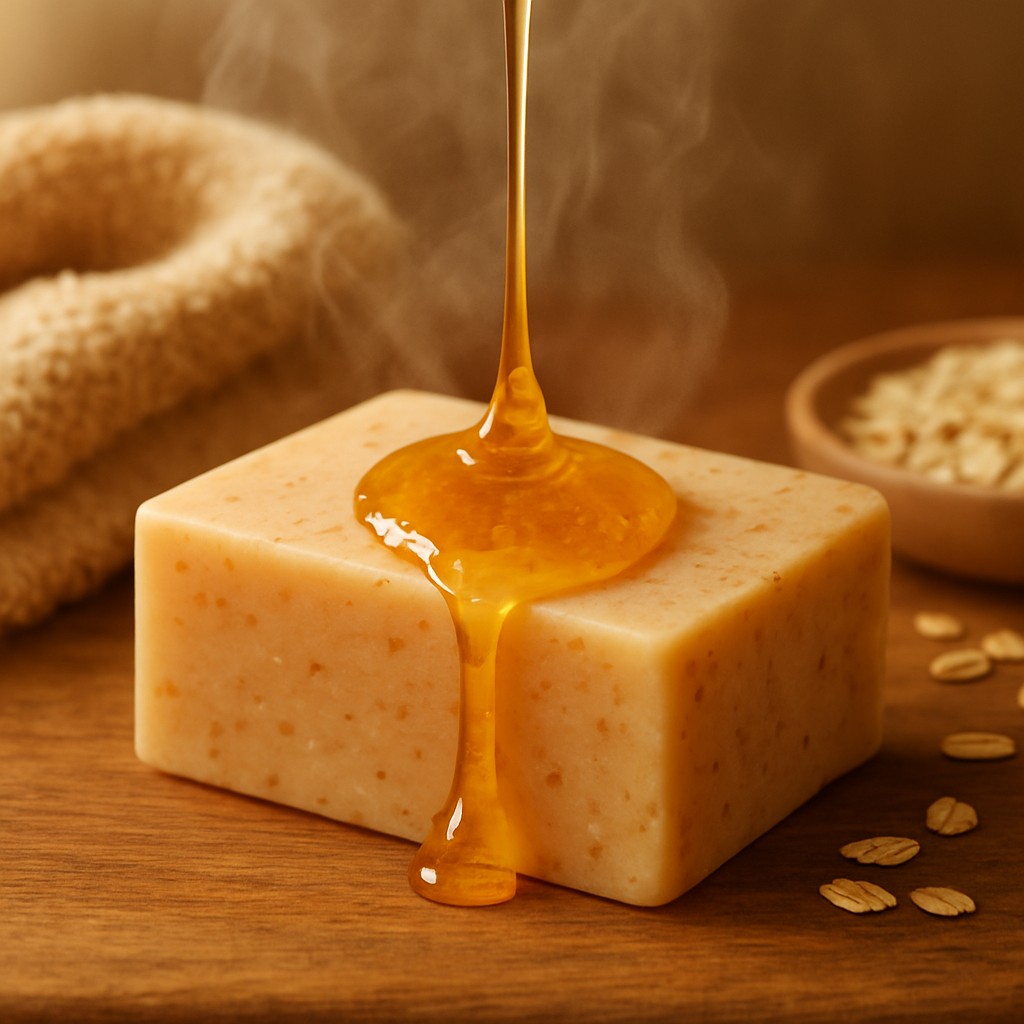
Enter honey oatmeal soap – a simple combo that feels like a cozy blanket for your skin. The honey brings natural humectant power, pulling moisture into every pore, while oatmeal acts like a gentle exfoliator, sweeping away dead cells without irritation.
In our experience at Evolve Botanica, customers rave about the way this duo calms redness and leaves a subtle, sweet scent that lingers just enough to remind you of a sunny kitchen.
So, why does this blend work so well? Honey is packed with antioxidants and enzymes that help repair the skin barrier, which means less dryness and fewer breakouts. Oatmeal, especially colloidal oatmeal, is renowned for its soothing anti‑inflammatory properties – perfect for anyone dealing with eczema or occasional irritation.
But here's the real kicker: the combination is naturally gentle enough for daily use, yet effective enough that you’ll notice a difference after just a week or two. Imagine stepping out of a cold morning walk and feeling your skin soft, not tight.
Think about it this way: using a regular detergent‑heavy bar can strip oils, leaving you reaching for a heavy moisturizer afterward. Swap that for a honey oatmeal bar, and you might skip the extra cream altogether because the soap itself keeps the moisture locked in.
And because we source our honey locally, you’re also supporting nearby beekeepers – a win for your skin and the community.
Curious how to get the most out of it? Lather the bar in warm water, let the foam sit for a few seconds, then massage gently. Rinse with cool water to close pores and seal in the goodness.
Does this sound like the kind of simple upgrade your routine could use? If you’ve been battling flaky patches or just want a more comforting cleanse, honey oatmeal soap benefits might be the answer you’ve been looking for.
Let’s dive deeper into the specific skin benefits, from brightening to soothing, and see how this humble bar can become your new bathroom staple.
TL;DR
If you’re craving softer, calmer skin without extra moisturizers, the honey oatmeal soap benefits—gentle hydration, soothing exfoliation, and antioxidant protection—deliver a noticeable glow in just a week or two.
Try lathering the bar in warm water, let the foam pause, then rinse with cool water to lock in moisture and enjoy that fresh‑kissed feeling every day.
Understanding the Natural Benefits of Honey in Soap
Ever wonder why a single bar can feel like a mini‑spa? The magic starts with honey, a natural humectant that pulls moisture into the skin and locks it there. It’s like a tiny sponge that never dries out, and when you pair it with colloidal oatmeal, you get a soothing duo that calms, smooths, and protects.
Honey is packed with enzymes and antioxidants – think of it as a tiny army of skin‑defenders. Those antioxidants help neutralize free radicals, which means less dullness and fewer early signs of aging. At the same time, the natural sugars in honey create a mild exfoliation, gently sweeping away dead cells without the harshness of synthetic scrubs.
Then there’s oatmeal. Oatmeal’s beta‑glucan fibers form a protective barrier on the skin, reducing inflammation and itching. If you’ve ever battled a flare‑up after a hot shower, you’ll appreciate how oatmeal soothes that post‑shave sting. The combination is especially kind to sensitive or eczema‑prone skin because neither ingredient is abrasive.
So, how does this translate into everyday benefits? Imagine stepping out of a chilly morning walk and feeling your skin stay soft, not tight. That’s the humectant power of honey at work, pulling ambient humidity into the outer layer while oatmeal keeps the barrier intact. In our experience, regular use of honey oatmeal soap can reduce the appearance of dry patches within a week.
Want a quick test? Lather the bar in warm water, let the foam sit for a few seconds, then rinse with cool water. The cool rinse helps seal the moisture you’ve just attracted. Standard Soap - Oatmeal, Milk & Honey follows that exact routine and many of our customers swear by the glow they see.
Beyond skin‑deep, honey supports a healthier microbiome on your face and body. The natural sugars feed good bacteria, which can crowd out the bad guys that cause breakouts. It’s a subtle, probiotic‑like effect that’s often overlooked but hugely beneficial for balanced skin.
Curious about the broader wellness picture? Check out XLR8well for tips on how a hydrated skin barrier fits into overall proactive health. A well‑maintained barrier isn’t just about looks; it’s the first line of defense against pollutants and allergens.
After you’ve experienced the calming touch of honey oatmeal soap, you might wonder how to complete the routine. Pairing it with a light, non‑comedogenic moisturizer or even a gentle mist from RedINK Cosmetics can amplify that fresh‑kissed feeling.
Here’s a quick checklist you can print and stick on your bathroom mirror:
- Use warm water to lather, let the foam pause for 5‑10 seconds.
- Massage gently for 30 seconds, focusing on dry spots.
- Rinse with cool water to close pores.
- Pat dry, then apply a light moisturizer if needed.
And if you’re a visual learner, this short video walks you through the perfect lather technique.
Give the bar a day or two to settle into your routine, then notice how your skin feels less tight and more supple. That’s the honey‑and‑oatmeal promise.
Why Oatmeal Is a Skincare Superfood
When you first hear "oatmeal" you probably think breakfast, not your bathroom shelf. Yet the humble grain has been soothing skin for centuries, long before anyone thought of blending it with honey.
What makes oatmeal a skin ally?
First off, oats are packed with beta‑glucan, a soluble fiber that forms a thin, protective film on the skin. That film helps lock in moisture while calming redness. Think of it as a breathable blanket that lets your skin breathe but doesn’t let the dryness win.
Second, the saponins in oats act like a natural, ultra‑gentle surfactant. They lift dead cells without stripping away the natural oil barrier. That’s why people with eczema or rosacea often reach for colloidal oatmeal creams – the exfoliation is soft enough that you hardly notice it.
Real‑world moments where oatmeal shines
Imagine you’ve just finished a sweaty hike and your skin feels tight. A quick rinse with an oatmeal‑infused soap can instantly soften that post‑exercise sting. One of our regular customers in Chattanooga told us the bar helped calm the itchy patches that appeared after a weekend of camping.
Another scenario: a busy parent juggling toddlers and work often skips a proper night‑time routine. Swapping a harsh detergent‑laden bar for an oatmeal‑rich formula means the skin stays hydrated enough that a heavy night cream isn’t even necessary.
Actionable steps to get the most out of oatmeal
- Warm, not scalding water: Aim for lukewarm water (about 98°F/37°C). Too hot can dissolve some of the oat’s soothing polysaccharides.
- Gentle massage: Rub the bar in circular motions for 20‑30 seconds. This gives the beta‑glucan time to settle into the skin.
- Leave‑on pause: After lathering, let the foam sit for 10 seconds before rinsing. The extra pause lets the oat particles sink deeper.
- Cool rinse: Finish with a splash of cool water to close pores and seal the moisture barrier.
- Store dry: Keep the bar on a ventilated dish, not in a soggy soap dish. A dry surface preserves the oat’s texture and prevents it from turning mushy.
Want a quick sanity check? If your skin feels smoother after the rinse and you notice less post‑shave irritation, you’ve likely tapped into oatmeal’s anti‑inflammatory power.
Why it matters for everyday skin health
Beyond the immediate softness, regular oatmeal exposure can improve the skin’s microbiome. The prebiotic fibers feed good bacteria, which in turn keep bad microbes at bay. Over weeks, that balance translates to fewer breakouts and a more even tone.
Bottom line: oatmeal isn’t just a filler; it’s a multi‑tasking superfood that moisturises, exfoliates, and supports skin chemistry. Pair it with honey’s humectant magic, and you’ve got a duo that turns a simple cleanse into a mini‑spa ritual you can actually stick with.
How Honey Oatmeal Soap Supports Sensitive Skin
Ever notice that after a hot shower your skin feels tight, like it’s begging for a hug? That’s the exact moment you realize most soaps are stripping away the protective layer you actually need. Honey oatmeal soap flips the script – it calms, moisturises, and gently buffs away irritation without the harsh aftermath.
Step 1: Know your skin’s baseline
Before you dive in, do a quick patch test. Wet a small area on your forearm, lather a tiny amount of the bar, and wait 10‑15 minutes. If there’s no redness or itching, you’re good to go. This tiny step saves you from an unexpected flare‑up later.
Step 2: Warm up, don’t scorch
Fill the sink or shower with lukewarm water (around 98°F/37°C). Hot water can denature honey’s enzymes and dissolve some of the oat’s soothing polysaccharides, weakening their anti‑inflammatory punch. Warm water, on the other hand, opens pores just enough for the ingredients to slip in.
Step 3: Build a gentle lather
Rub the bar between damp hands until you get a creamy foam. You’ll notice the honey gives the lather a slightly silky texture, while the oatmeal creates a subtle, velvety sheen. Massage the foam onto your skin in circular motions for 20‑30 seconds – think of it as a mini‑massage that lets beta‑glucan settle into the skin’s surface.
Step 4: The “pause” trick
After you’ve covered your face, arms, or legs, let the foam sit for 10‑15 seconds before rinsing. This pause is where the magic happens: honey’s humectant sugars bind water, and the oat’s prebiotic fibers feed the good microbes that keep the skin barrier strong. You’ll feel a faint, comforting coolness as the ingredients sink deeper.
Step 5: Cool rinse and seal
Finish with a splash of cool water. The temperature drop closes pores and locks in the moisture you just invited in. Pat dry with a soft 100% cotton towel – don’t rub, just press. This gentle pat preserves the barrier you’ve just nurtured.
Real‑world snapshots
Imagine a mom in Chattanooga who’s been battling her toddler’s mild eczema. She swapped her usual drugstore bar for a honey oatmeal soap, followed the steps above, and after a week noticed fewer red patches and less nighttime scratching. Or picture a runner in Asheville who feels that post‑trail‑run sting; a quick shower using this method leaves his skin feeling soothed rather than raw.
Expert tip: store smart
Keep the bar on a ventilated dish, not in a soggy soap holder. A dry surface maintains the oat’s texture and prevents the honey from turning gummy, meaning each use delivers the same calming power.
By treating your cleanse as a mini‑spa ritual – warm water, mindful lather, a short pause, and a cool finish – you’re giving sensitive skin the support it craves. The honey oatmeal soap benefits become not just a claim on a label, but a lived experience you can feel after every wash.
Comparing Honey Oatmeal Soap to Conventional Cleansers
Ever wonder why the bar in your bathroom feels more like a spa than the generic squeeze‑tube you grab at the grocery store? The secret usually lives in the ingredient list – and how those ingredients actually behave on skin.
Conventional cleansers often rely on synthetic surfactants, fragrance chemicals, and added preservatives. Those ingredients can strip natural oils, leave a tight feeling, and sometimes trigger redness. In contrast, honey oatmeal soap benefits come from real, food‑grade components that moisturize while they cleanse.
What’s really in the soap?
Honey brings humectant sugars that draw water into the outer skin layer. Oatmeal contributes beta‑glucan, a soothing fiber that forms a protective film and offers a gentle, grain‑like exfoliation. The result? A bar that lathers softly, leaves a faint sweet scent, and actually adds moisture instead of stealing it.
Meanwhile, many mass‑market bars use sodium lauryl sulfate (SLS) or similar agents that can break down the skin’s barrier after just a few washes. That’s why you often need a heavy moisturizer afterward.
Real‑world snapshots
Take Maya, a teacher in Asheville who washes her hands dozens of times a day. After switching to a honey oatmeal bar, she noticed less dryness and fewer “air‑dry” cracks on her fingertips – a change she attributes to the honey’s humectant power.
Now look at Tom, a construction worker who sticks with a conventional liquid cleanser. He reports that his forearms feel tight after each shift, and he reaches for an after‑shave balm to calm the sting.
Those anecdotes line up with a consumer review on a farm‑fresh soap brand that highlights how oatmeal‑honey formulas “don’t leave my skin dry” even after frequent use.Read the full review here.
Key differences at a glance
| Aspect | Honey Oatmeal Soap | Conventional Cleanser |
|---|---|---|
| Primary surfactants | Olive & castor oil‑based mild surfactants (natural) | SLS or similar harsh surfactants |
| Moisture strategy | Honey sugars lock in water; oatmeal forms a protective film | Often strips lipids, requiring post‑wash moisturiser |
| Skin‑friendliness | Anti‑inflammatory beta‑glucan; low‑irritant, suitable for eczema‑prone skin | Potential irritants: synthetic fragrance, preservatives |
Seeing those rows side by side makes the trade‑off crystal clear: you get hydration, soothing, and a gentler cleanse with honey oatmeal soap, while most conventional options prioritize lather over skin health.
So, how do you make the switch without a hassle?
Actionable steps
- Start by swapping one daily wash – the face or hands – with the honey oatmeal bar.
- Use lukewarm water (around 98°F/37°C) to preserve honey’s enzymes.
- After lathering, pause for 10‑15 seconds before rinsing; this gives the oat particles time to settle.
- Finish with a cool splash to close pores and seal the moisture.
Give those steps a try for a week. If you notice softer skin, less post‑shave burn, or fewer “dry‑patch” spots, you’ve just experienced the honey oatmeal soap benefits in action.
Bottom line: when you compare ingredient intent, skin response, and overall feel, honey oatmeal soap consistently outperforms the typical detergent‑heavy cleanser. It’s not just a marketing claim – it’s a tangible difference you can feel after every wash.
DIY Honey Oatmeal Soap: Simple Recipe and Tips
If you’ve ever stared at a blank soap mold and wondered where to start, you’re not alone. The good news? A honey‑oatmeal bar is surprisingly straightforward, and the ingredients are pantry‑friendly.
What you’ll need
• 1 cup olive‑oil‑based mild surfactant (or melt‑and‑pour base)
• ½ cup raw honey, preferably locally sourced
• ¼ cup finely ground gluten‑free oats (Bob’s Red Mill works well)
• 2 tablespoons distilled water
• A pinch of salt for a softer feel
• Optional: a few drops of lavender or tea‑tree essential oil for scent.
Making the bar in five easy steps
Step 1 – Measure and melt. Weigh every ingredient on a digital scale. Heat the surfactant gently until it’s a thin, pourable liquid. Keep the temperature around 100 °F (38 °C) so the honey’s enzymes stay alive.
Step 2 – Blend honey. In a separate heat‑safe bowl, whisk the honey with the distilled water. The mixture should be smooth, not bubbling. If you notice steam, let it cool a few degrees before moving on.
Step 3 – Combine. Slowly pour the honey‑water blend into the melted surfactant while stirring with a silicone spatula. The mixture will turn a creamy amber.
Step 4 – Add oats and extras. Sprinkle the ground oats over the surface, then fold them in. This is the moment the soap gets its gentle exfoliating power. If you’re using essential oil, drop it now and give the batter a quick swirl.
Seeing the texture come together is half the fun – here’s a quick visual of the process.
Now let the batter sit for a minute, then pour it into a silicone or wooden mold. Tap the mold lightly on the counter to release any air bubbles.
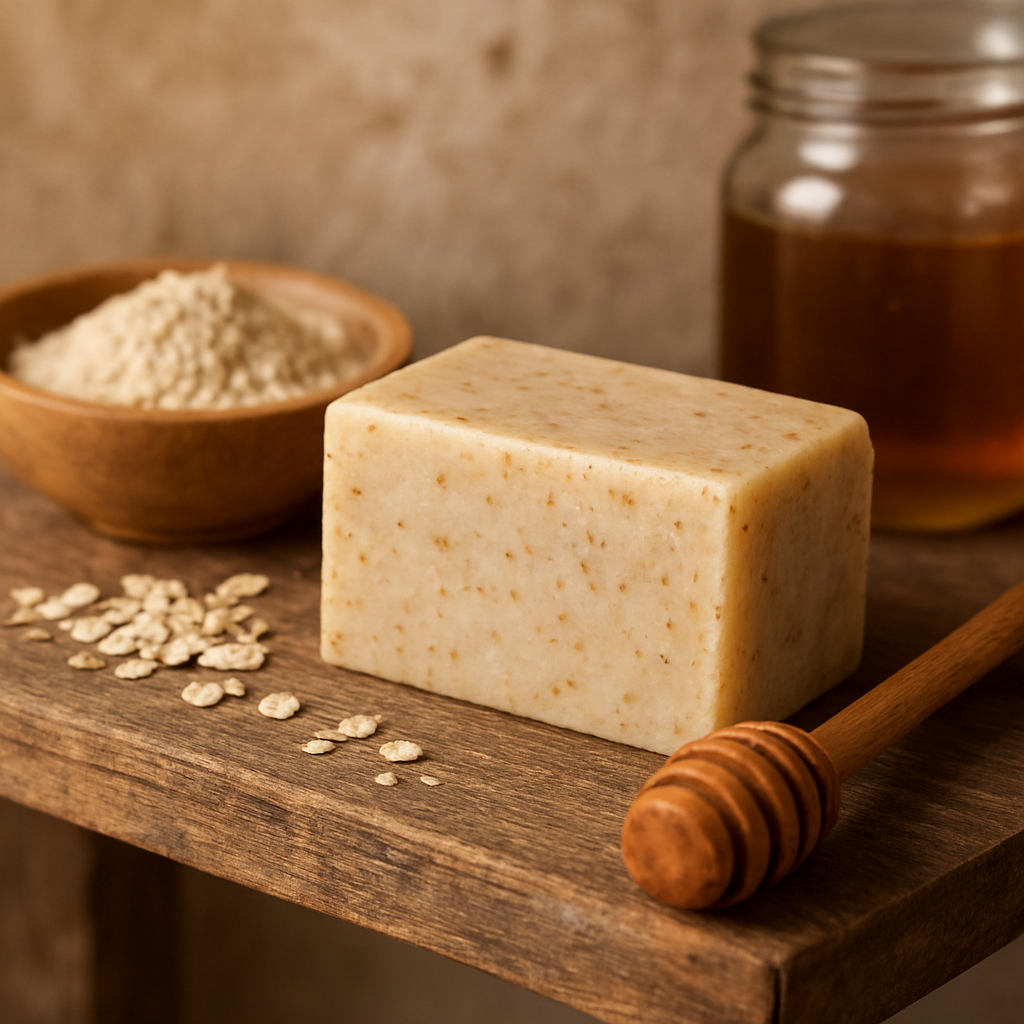
Step 5 – Cure. Cover the mold with a towel and let it harden for 24‑48 hours. Once firm enough to unmold, place the bars on a ventilated rack for 4‑6 weeks. This drying period lets the honey sugars settle and the oat fibers create a protective film, delivering the classic honey oatmeal soap benefits we love.
Quick tips to keep the benefits intact:
- Use lukewarm water (around 98 °F/37 °C) when you lather – hot water can denature honey enzymes.
- Pause the foam for 10‑15 seconds before rinsing; that gives the honey time to lock in moisture.
- Finish with a cool splash to close pores and seal the oat’s soothing film.
For a fully tested, palm‑free version of this recipe (including exact oil ratios and safety notes), check out Jan Berry’s guide on the Nerdy Farm Wife site.
Hand‑made soaps like this avoid harsh detergents and preserve natural glycerin, a trait highlighted in a recent Botanical PaperWorks article on why DIY bars are kinder to skin and the environment.
Choosing Quality Honey Oatmeal Soap Products
When you’re hunting for a bar that actually lives up to the hype, the first thing to ask yourself is: “What makes a honey oatmeal soap truly good?” It’s not just the pretty label – it’s the ingredient story, the manufacturing method, and the little details that keep the honey’s enzymes alive.
Read the ingredient list like a grocery receipt
Look for raw or lightly processed honey, not a “honey‑flavored fragrance.” Real honey supplies the humectant sugars that pull moisture into your skin. Oatmeal should appear as “colloidal oatmeal” or “finely ground oats” rather than a vague “oat extract.” The latter often means the bulk of the oat has been stripped away, losing the beta‑glucan film that soothes inflammation.
In our experience, a solid formulation also balances the surfactants. Olive‑oil‑based or coconut‑oil‑based bases are gentle, while harsh sulfates (SLS, SLES) can undo the benefits. A bar that lists olive oil, castor oil, or shea butter alongside honey and oats usually signals a skin‑friendly recipe.
Check for supporting ingredients that boost the duo
- Shea butter – adds extra emollience and helps lock the honey’s moisture.
- Vitamin‑rich oils (sweet almond, jojoba) – enhance barrier repair.
- Natural preservatives like rosemary extract – keep the product stable without harsh chemicals.
For a quick example, Stirling Soap's honey oatmeal shea butter bath soap lists beef tallow, sustainable palm oil, coconut oil, olive oil, castor oil, oatmeal, and unrefined shea butter. Even though it includes a small amount of palm, the company notes it’s RSPO‑certified, which means the oil comes from responsibly managed sources.
How to test a bar before you buy
1. Scent test: Genuine honey gives a faint, sweet aroma that isn’t overpowering. If you smell synthetic “fragrance” right away, the bar likely relies on added perfume rather than real honey.
2. Texture check: A good honey oatmeal bar feels slightly creamy when you rub it between your fingers. It shouldn’t be chalky (over‑processed oats) or overly slick (excessive oils).
3. Patch trial: Wet a small patch of skin, rub a tiny piece of the soap, wait 10‑15 minutes. No redness or itching means the formula is low‑irritant – a key marker for sensitive skin.
Where to find trustworthy sources
Local artisans who source honey from nearby beekeepers usually can tell you the harvest season and whether the honey is raw. Small‑batch makers often cure their bars for 4‑6 weeks, allowing the honey sugars to settle and the oat fibers to form that protective film we love.
When you shop online, look for transparency: batch numbers, ingredient sourcing notes, and third‑party certifications (e.g., USDA Organic, RSPO). If a brand hides these details, it’s a red flag.
Actionable buying checklist
- Ingredient list includes “raw honey” and “colloidal oatmeal.”
- Gentle oil‑based surfactants (olive, coconut, castor) with no SLS.
- Added skin‑nourishing boosters like shea butter or vitamin‑E.
- Clear sourcing info for honey and oats.
- Positive third‑party or farm‑level certifications.
Armed with this checklist, you can walk into a market stall or click through an online shop with confidence that the honey oatmeal soap you pick will deliver the moisturizing, soothing, antioxidant benefits you’ve been reading about.
Conclusion
After all the science and the hands‑on tips, the picture is simple: honey oatmeal soap gives you moisture, calm and a gentle polish, all without the harsh after‑feel of a typical cleanser.
Because the honey’s humectant sugars lock water in and the oat’s beta‑glucan forms a soothing film, you’ll notice softer skin after just a few washes, less redness on sensitive patches, and a subtle glow that feels like a mini‑spa every day.
To make the most of those honey oatmeal soap benefits, treat the bar like a ritual. Warm water, a quick lather, a 10‑second pause, and a cool rinse—repeat for face, hands or body, and you’ll keep the barrier strong and the microbes happy.
So, does the idea of swapping your ordinary bar for something that actually feeds your skin sound tempting? Most of our customers say they stop reaching for heavy moisturisers once they’ve given the honey‑oat combo a week.
When you’re ready, explore our handcrafted collection and pick the bar that matches your scent cravings. Your skin will thank you, and you’ll finally feel that comforting hug every time you step out of the shower.
Give it a try this weekend and watch the difference unfold today.
FAQ
What exactly are the honey oatmeal soap benefits for my skin?
Honey oatmeal soap packs two power‑houses: raw honey’s humectant sugars pull water into the outer skin layer, while colloidal oatmeal’s beta‑glucan forms a soothing film and gently buffs dead cells. Together they lock in moisture, calm redness, and supply antioxidants that fend off free‑radical stress. In practice you’ll notice softer, less tight skin after a few washes, a subtle glow, and fewer post‑shave or post‑shower irritations.
Is honey oatmeal soap suitable for sensitive or eczema‑prone skin?
Yes – the combination is naturally gentle enough for most eczema‑prone or rosacea‑sensitive folks. Oatmeal’s anti‑inflammatory beta‑glucan calms flare‑ups, and honey’s antimicrobial peptides keep unwanted microbes in check without stripping the barrier. We always suggest a quick patch test: lather a tiny amount on the inner forearm, wait ten minutes, and if no redness appears you’re good to go. Most users report a noticeable calm after just a handful of showers.
How often should I use honey oatmeal soap to see results?
Because the ingredients work cumulatively, using the bar once or twice daily is enough. For most people, two showers a week will still deliver a moisture boost, but if you’ve got dry hands or an active lifestyle, a daily cleanse keeps the barrier reinforced. You’ll start feeling the difference – softer elbows, less post‑workout tightness – within about a week, and the glow becomes steadier after two to three weeks.
Can I use honey oatmeal soap on my face as well as my body?
Absolutely – the formula is mild enough for facial use, but treat it a bit differently than a dedicated cleanser. Apply a thin, lathered coat to damp skin, let the foam sit for ten seconds so honey can bind water, then rinse with cool water to close pores. Because the bar also contains gentle exfoliating oats, you’ll get a subtle polish without the harsh feeling of typical facial washes.
Do I need to store the soap a certain way to keep its benefits?
Store the bar in a well‑ventilated dish away from standing water. A dry spot lets the honey’s sugars stay concentrated and prevents the oats from turning mushy. If you live in a humid bathroom, consider a raised soap saver or a small mesh basket. This simple habit extends the bar’s life by weeks and keeps the honey oatmeal soap benefits fully intact each time you lather.
Will the honey oatmeal soap help with dry patches after winter?
Winter air can strip the skin of its natural lipids, leaving flaky patches. The humectant honey draws ambient moisture back into the stratum corneum, while oatmeal’s beta‑glucan forms a protective barrier that resists further loss. Pair the bar with a quick cool rinse after a hot shower, and you’ll notice the dry, tight feeling easing within a few days, with smoother elbows and knees after a week.
Are there any ingredients I should avoid when choosing a honey oatmeal soap?
When you shop, look for bars that list “raw honey” and “colloidal oatmeal” near the top of the ingredient list. Avoid products that hide these as “honey fragrance” or “oat extract,” because the active compounds are largely removed. Also steer clear of sulfates (SLS, SLES) and synthetic dyes, which can counteract the soothing nature of the blend. A clean label usually means the honey oatmeal soap benefits stay potent.
0 comments