
Ever stepped into a steamy shower and wondered if that fizzing tablet you just dropped is really doing anything more than masking the morning rush?
We’ve all been there—reaching for the familiar pop of a bath bomb, only to realize the tub is a distant luxury and the bathroom feels more like a quick rinse than a spa.
That’s where the showdown begins: shower steamers vs bath bombs. One melts under running water, releasing aromatherapy into the air; the other dissolves in warm water, turning the whole basin into a scented soak.
So, which one actually fits your busy routine?
If you’re racing the clock, a shower steamer drops in seconds, fills the cabin with lavender or eucalyptus, and you’re ready to roll—no need to fill a tub, no extra cleanup.
On the flip side, a bath bomb turns an ordinary soak into a mini‑vacation; the fizz releases skin‑softening oils, and the lingering scent stays with you long after you’ve dried off.
In our experience at Evolve Botanica Co, customers who love a quick morning boost gravitate toward our citrus‑burst steamers, while the night‑owl crowd swears by the rose‑petal bath bombs for a calming unwind.
But here’s a nuance most people miss: the skin‑care benefits differ. Steamers typically use essential oils that vaporize, offering respiratory relief without leaving residue, whereas bath bombs often contain butters and salts that actually moisturize the skin as you soak.
Which one wins the day? It really comes down to what you value more—speed and a fragrant mist, or a full‑body soak that pampers your skin.
Let’s break it down with a quick checklist so you can decide on the fly.
• Time: under 5 min = steamer; 15‑30 min soak = bomb
• Mood: energizing scent = steamer; calming blend = bomb
• Skin goals: vapor‑only = steamer; moisturize + exfoliate = bomb
Take a minute tomorrow morning, toss a steamer on the rack, and see how the fog lifts your spirits. Or, set the tub, drop a bomb, and let the fizz remind you that a little indulgence is okay—even on a weekday.
TL;DR
If you need a quick, aromatic boost before work, shower steamers deliver vapor‑only scent in under five minutes, while bath bombs give you a longer, moisturizing soak that turns the tub into a mini‑spa.
Pick the one that matches your time, mood, and skin goals, and you’ll instantly upgrade your daily routine without extra hassle.
What Are Shower Steamers? Ingredients and Benefits
When you first hear the term “shower steamer,” you might picture a tiny tablet fizzing away like a bath bomb, but the chemistry is actually quite different.
A steamer is essentially a solid blend of sodium bicarbonate, citric acid, and a cocktail of essential oils. When hot water hits, the acids and bases react, releasing a burst of scented vapor that fills the shower cabin.
Because the reaction happens in the air rather than in the water, you get aromatherapy benefits without any oily residue on your skin. That’s why many of our customers love the quick respiratory lift of eucalyptus or peppermint while they shave.
So what actually goes into a good steamer? The base is usually a 2‑to‑1 ratio of baking soda to citric acid. From there, we add dried herbs, carrier agents like cornstarch or kaolin, and a handful of therapeutic essential oils. Some formulas also sprinkle in a pinch of sea salt for extra mineral vapor.
The ingredient list matters because each component plays a role in both scent and skin feel. Baking soda balances the acidity, keeping the tablet stable until water activates it. Citric acid is the spark that fizzles. Essential oils are the storytellers – lavender calms, citrus energizes, rosemary sharpens focus.
Contrast that with a bath bomb, which swaps the air‑only focus for water‑soluble butters, oils, and salts. You’ll often see shea butter, cocoa butter, or coconut oil added to moisturize skin as the bomb dissolves. Those fats cling to your skin, delivering a softening effect that steamers simply can’t provide.
But steamers have their own skin‑care perks. The gentle alkalinity of baking soda can help neutralize acidity on the scalp, reducing itchiness after a long day. A dash of oat powder or aloe leaf powder can soothe sensitive skin, turning a simple shower into a mini‑spa treatment.
Here’s a quick checklist to decode any steamer label:
• Base – look for baking soda and citric acid.
• Oils – 3‑5% total, preferably therapeutic grade.
• Add‑ins – herbs, clays, or salts should be listed after the oils.
If you see synthetic fragrance, you might miss out on the pure aromatherapy benefit.
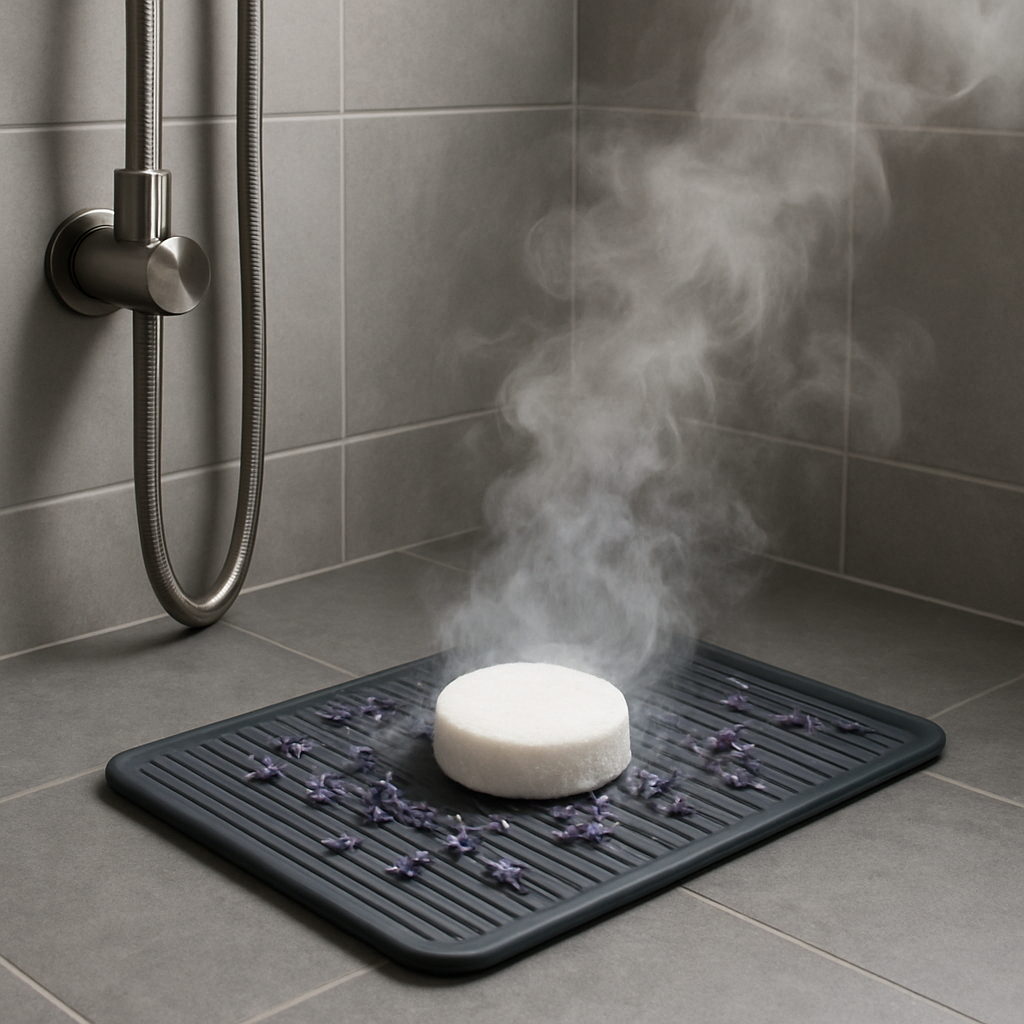
Want to know how to get the most out of your steamers? Start with a clean, dry shower wall. Place the tablet on a non‑slipping mat or a dedicated steamer holder, then turn on the water at a warm, not scalding, temperature. The steam will lift the scent in 30‑60 seconds, and you can breathe deeply for the next few minutes.
If you’re a visual learner, this short video walks you through the perfect placement and timing.
Now that you’ve seen the basics, let’s break the benefits down into three easy categories.
Mood Boost
Essential oils like citrus, peppermint, and rosemary stimulate the limbic system, the part of the brain that governs mood. A quick 60‑second inhale can lift morning fog, giving you that “I’m ready to conquer the day” feeling without a caffeine crash.
Respiratory Relief
The vapor carries tiny droplets of eucalyptus or tea tree oil, which can open nasal passages and soothe irritated throats. It’s a gentle alternative to over‑the‑counter decongestants, especially useful during cold season.
Skin Balance
While steamers don’t leave a buttery film, the alkaline environment can help restore the skin’s natural pH after exposure to hard water or harsh soaps. Adding oat or aloe powder gives an extra calming layer for sensitive skin types.
So, whether you’re chasing a burst of energy, seeking a clearer breath, or just want a balanced scalp, knowing the ingredients and how they work lets you pick the right steamer for the right moment.
What Are Bath Bombs? Ingredients and Benefits
Ever wonder why a bath bomb turns a plain soak into a little celebration? It’s not magic – it’s chemistry mixed with a pinch of indulgence.
At its core, a bath bomb is a compact fizz factory. The classic combo of baking soda and citric acid reacts with water, creating those lively bubbles that whisk essential oils, butters, and salts right into your tub.
Key ingredients and why they matter
Baking soda (sodium bicarbonate) provides the gentle base that balances the water’s pH and fuels the fizz.
Citric acid teams up with the soda to produce carbon dioxide – that’s the fizz you see and feel.
Carrier oils and butters like coconut oil, shea butter, or cocoa butter melt into the water, leaving a silky layer on your skin. That’s where the moisturizing mojo lives.
Salts – Epsom, sea, or Himalayan – dissolve slowly, delivering minerals that can soothe sore muscles and reduce tension.
Essential oils add fragrance and, depending on the oil, therapeutic benefits. Lavender calms, peppermint awakens, and eucalyptus opens up the sinuses.
Optional extras such as dried botanicals, glitter, or colorants give you visual flair, but they’re purely for the eye‑candy.
What the ingredients actually do for you
When you drop a bomb into warm water, the fizz distributes the oils and butters evenly, so you get a consistent scent and a uniform skin‑softening coating. The salts dissolve at their own pace, letting magnesium and sulfate soak into your skin – great for easing a tight neck after a long day at the desk.
Because the oils sit on the skin, the aromatherapy effect is more subtle than a steamer’s vapor, but it lingers longer. You’ll still notice that fresh lavender scent clinging to your towel for hours.
And here’s a quick benefit checklist:
- Moisturizes instantly thanks to butter‑rich carriers.
- Delivers minerals (magnesium, potassium) for muscle relaxation.
- Provides a lingering fragrance that follows you out of the bathroom.
- Can be customized with colors, herbs, or even a surprise gift inside.
Real‑world example
Take Maya, a yoga instructor who swears by a rose‑petal bath bomb after a sweaty class. The shea butter leaves her skin supple, while the rose essential oil keeps her mind calm as she transitions to meditation. She tells us she feels “like I’m stepping out of a spa” without booking an appointment.
That kind of experience is why many of our customers choose a bomb for evening wind‑downs, especially when they want both skin care and a gentle scent cue for sleep.
DIY inspiration
If you love the hands‑on vibe of making your own steamers, you’ll find the same basic chemistry applies to bath bombs. The DIY shower steamers and bath melts guide walks through tweaking essential oil ratios and adding Epsom salt – tricks you can borrow for a richer bath bomb recipe.
Just remember to keep the essential oil percentage lower (around 5 %) than a steamer’s 30‑40 % to avoid skin irritation.
Tips for getting the most out of your bomb
Store them in an airtight tin or a sealed jar; humidity is the enemy of fizz.
Drop the bomb into a tub that’s already warm – not boiling – so the fizz is steady, not frantic.
Give the water a gentle stir after the fizz settles; this helps the oils mingle with the water and coat your skin evenly.
And if you’re pregnant or have sensitive skin, do a patch test with a tiny piece of the bomb before soaking the whole tub.
Bottom line: bath bombs are more than a pretty splash. They’re a multi‑sensory treat that moisturizes, minerals, and aromatherapy all at once – perfect for those moments when you want a little luxury without the time‑cost of a full‑on spa visit.
How to Use Shower Steamers vs Bath Bombs Correctly
Ever dropped a tablet in the shower and wondered if you’re doing it right? Or watched a bath bomb fizz and thought, “Did I miss a step?” You’re not alone. The magic is in the details, and a few simple tweaks can turn a good experience into a great one.
Step 1: Pick the right spot
For a shower steamer, think floor‑level, not directly under the stream. Place it about 6‑8 inches away from the water jet, either on a tile corner or in a mesh pouch that hangs just out of the spray. That way the water mist activates the fizz without washing the tablet away.
When it comes to a bath bomb, you want the water already warm—around 100°F (38°C) is ideal. Drop the bomb in after the tub is filled, not while the water is still running. This gives the reaction room to spread evenly and prevents the fizz from sputtering out too quickly.
Step 2: Set the timer
Steamers work fast. In most cases you’ll feel the aroma within 30‑60 seconds, and the full effect peaks around the 2‑minute mark. If you’re on a 5‑minute morning rush, that’s plenty of time to breathe deep and let the essential oils clear your mind.
Bath bombs, on the other hand, deserve a longer soak—typically 15‑20 minutes. The longer the water sits, the more the butters, oils, and salts can soak into your skin. If you’re short on time, aim for at least 10 minutes; you’ll still get a noticeable boost in softness.
Step 3: Breathe (or stir) wisely
When the steamer starts to fizz, pause the shampoo and take three slow, deep breaths. Imagine the steam wrapping around you like a warm blanket. That intentional breathing is what turns a scent into a mood‑lift.
For a bath bomb, give the water a gentle stir once the fizz calms. This helps disperse the oils and salts so they coat your skin evenly. You’ll feel the water become silkier as the butters melt into a thin film.
Step 4: Post‑session care
After the steamer finishes fizzing, wipe the tile with a quick swipe to prevent any residue from building up. It’s a tiny habit that keeps your shower looking fresh.
Once you step out of the tub, pat your skin dry instead of rubbing. The gentle pat lets the moisturizing layers stay where they belong—on your skin. Follow with a light lotion if you love extra softness.
Real‑world scenarios
Imagine Maya, a yoga teacher who teaches a sunrise class. She hops into a quick shower, places a peppermint steamer on the floor, and within a minute feels her sinuses clear. She’s ready to guide her students without a lingering coffee breath.
Now picture Jake, a graphic designer who spends evenings at a desk. After a long day, he draws a warm bath, drops in a lavender‑rose bath bomb, and lets the 20‑minute soak melt away tension. He emerges with skin that feels hydrated and a calm mind that carries into his weekend.
Safety & storage tips
Because steamers contain a higher concentration of essential oils (often 30‑40% by weight), keep them away from direct skin contact. A quick patch test—rub a tiny piece on your wrist—can save you from irritation, especially if you have sensitive skin or asthma.
Both steamers and bombs love dry, airtight homes. Store them in a sealed mason jar or a tin with a tight lid. Humidity is the enemy of fizz; a dry environment preserves potency for months.
Quick checklist
- Choose a clean, dry spot on the shower floor (steamers) or a warm, full tub (bombs).
- Position steamers 6‑8 in away from direct spray; drop bombs after the tub is filled.
- Set a timer: 2‑3 min for steamers, 15‑20 min for bombs.
- Breathe deeply during steam; stir gently after bath fizz.
- Wipe shower tiles post‑use; pat skin dry after bath.
- Store in airtight containers away from moisture.
By treating each product the way it’s designed—steam for inhalation, water for absorption—you’ll get the full benefit of “shower steamers vs bath bombs” without any wasted fizz. Give these steps a try, and you’ll notice the difference the next time you step into your sanctuary.
Pros and Cons Comparison Table: Shower Steamers vs Bath Bombs
When you’re trying to decide between a quick aromatic burst and a full‑on skin‑loving soak, the details matter. Let’s break it down so you can see at a glance what each option brings to the bathroom ritual.
First, think about the time you have. A shower steamer pops its scent into the steam in under a minute – perfect for those mornings when you’re already juggling coffee and a commute. A bath bomb, on the other hand, wants you to linger for 15‑20 minutes, letting the butters and salts sink into your skin. If you’re a night‑owl who loves winding down, the extra minutes feel like a tiny vacation.
Second, consider what you want out of the experience. Are you after a mental lift, sinus relief, or a burst of focus? Or are you craving moisturized, silky skin that stays soft after you step out? The answer will point you toward one or the other.
Below is a concise comparison table that captures the most common factors people ask about. Use it as a cheat‑sheet when you’re standing in the bathroom aisle.
| Feature | Shower Steamers | Bath Bombs |
|---|---|---|
| Primary benefit | Inhalable aromatherapy (eucalyptus, peppermint, lavender) | Skin‑softening moisture plus aromatherapy |
| Time required | 2‑3 minutes of steam | 15‑20 minutes soak |
| Key ingredients | 30‑40% essential oils, baking soda, citric acid | 5% essential oils, shea/coconut butter, salts, colorants |
| Mess factor | Leaves no residue; just wipe tile | May leave color or glitter; rinse thoroughly |
| Cost per use | Generally lower; lasts longer dry | Higher per bath because of added butters |
| Best for | Busy mornings, quick mood boost, sinus relief | Evening unwind, skin hydration, spa‑like ambience |
Real‑world example: Maya, a yoga teacher, drops a peppermint steamer in her 5‑minute post‑class shower. Within seconds she feels her sinuses clear, and she’s ready to lead the next session without a coffee sip. Meanwhile, Jake, a graphic designer, fills his tub after a long day, adds a lavender‑rose bomb, and spends 18 minutes soaking. He emerges with skin that feels buttery and a calm that carries into his weekend project.
Here are three actionable steps to help you choose the right product for any given day:
- Identify your time slot. If you have under 10 minutes, reach for a steamer. If you can afford a half‑hour, a bomb will give you that skin‑care bonus.
- Match scent to intention. Choose energizing citrus or peppermint for focus, and calming lavender or chamomile for relaxation. The scent’s purpose aligns with the product’s delivery method.
- Test the aftermath. After a steamer, wipe the tile and notice if the aroma lingers in the air. After a bomb, pat your skin dry and feel the moisturization. Your sensory feedback will guide future picks.
What about budget? A quick look at a 2023 consumer survey (see Fomin Soap’s comparison guide) shows 68% of steamer users felt they got more “bang for their buck” because one tablet lasts many showers, whereas bomb users tend to buy fewer but pricier packs. If you’re buying for a family, the steamer’s longer shelf life can be a win.
And don’t forget storage. Both products hate humidity, so stash them in a sealed mason jar or the tin they came in. A dry environment keeps the fizz alive and the essential oils potent.
If you want a deeper dive into the science behind steamers, check out our complete guide to shower steamers. It walks you through ingredient ratios, DIY tweaks, and safety tips for sensitive skin.
Bottom line: there’s no “one‑size‑fits‑all” answer. Use the table, weigh your schedule, and play with scent intent. You’ll end up with a bathroom ritual that feels custom‑made for you, whether you’re sprinting out the door or luxuriating in a soak.
Choosing the Right Product for Your Bath Routine
We get it—your bathroom is a tiny sanctuary, and you want every minute you spend there to count. So how do you decide whether a shower steamer or a bath bomb fits the mood you’re chasing today?
First, think about the vibe you’re after. If you need a quick mental reset before a meeting, a steamer’s burst of vapor‑only scent can flip the switch in under a minute. If you’re winding down after a long day and crave that silky‑smooth skin feeling, a bath bomb’s buttery melt does the trick in about fifteen minutes.
Assess Your Time Window
Ask yourself: how much time do you actually have? A five‑minute morning rush? Place a steamer on the floor, step in, and let the fizz do its work while you shampoo. You’ll still have time to grab your coffee.
Got an hour‑long evening slot? Fill the tub, drop a bomb, and let the salts, butters, and essential oils soak into your skin. The longer soak also means the fragrance clings to you longer—great for a relaxed bedtime routine.
Match the Scent to Your Intent
Steamers usually pack a higher concentration of essential oil, so they’re perfect for targeted moods. Need focus? Eucalyptus or peppermint will clear the mental fog. Need calm? Lavender or chamomile works wonders.
Bath bombs spread their scent more gently, which is ideal if you want a lingering aroma that follows you out of the bathroom. Think rose or vanilla when you’re looking for a comforting hug.
Consider Skin Sensitivities
Because steamers stay out of the water, they rarely leave residue, making them a safer bet for sensitive or acne‑prone skin. But remember, the high oil content can irritate if it contacts the skin directly—always keep it off the shower floor’s direct stream.
Bombs, on the other hand, coat the skin with carrier oils and butters. If you have dry skin, that’s a bonus. If you’re prone to breakouts, look for oil‑free formulas or test a tiny piece first.
Budget & Longevity
One steamer can last multiple showers, especially if you store it dry. A pack of bombs usually gets used up in a single soak. If you’re buying for a family, the steamer’s shelf life often wins out.
Our own experience at Evolve Botanica shows that customers who rotate scents weekly notice they’re less likely to get “scent fatigue,” and the cost per use drops when you buy bulk steamer kits.
Practical Checklist
- Time available: <5 min → steamer; ≥15 min → bomb.
- Desired outcome: mental boost vs. skin hydration.
- Skin type: sensitive → steamer; dry → bomb.
- Budget: look for multi‑use steamer packs or single‑use bomb bundles.
And if you’re still on the fence, a quick read from a trusted shower‑design source explains why steamers work so well in walk‑in showers and how to position them for maximum fizz: shower steamer guide.
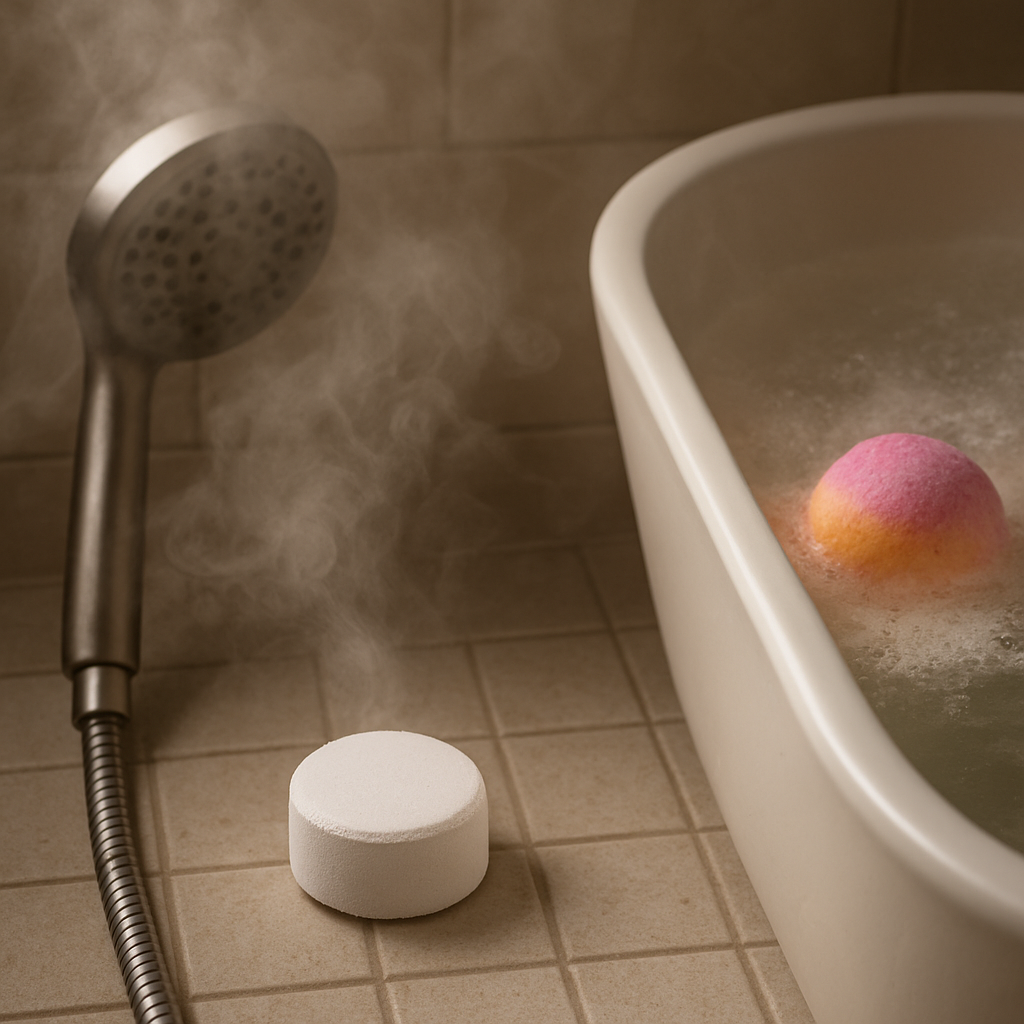
Bottom line: there’s no one‑size‑fits‑all answer. Play with time, scent, and skin needs, then trust the after‑feel. When the steam lifts your mood or the butter leaves your skin soft, you’ll know you’ve found the right match for today’s routine.
Give it a try and notice the difference.
FAQ
What’s the main difference between shower steamers and bath bombs?
In a nutshell, steamers dissolve in the hot mist of your shower and release essential‑oil vapor straight into the air, so you get an instant aromatherapy boost. Bath bombs, on the other hand, melt in a tub of water, coating your skin with butter‑rich oils, salts, and a softer scent that lingers on your body. Think of steamers as a quick mental reset, and bombs as a longer, skin‑care‑focused spa moment.
Can I use a shower steamer if I have sensitive skin?
Yes, but treat it like a tiny experiment. Because steamers stay out of the water, they rarely leave residue, which is a win for acne‑prone or reactive skin. The catch is the high concentration of essential oils—sometimes 30‑40% of the tablet. Do a quick patch test: rub a tiny piece on your wrist, wait five minutes, and see if any irritation pops up. If you’re unsure, stick to milder scents like lavender or chamomile.
How long does the aroma last after I use a bath bomb?
Usually you’ll notice the fragrance clinging to your skin and towels for a few hours, and sometimes it drifts into your bedroom if you’re not rushing out. The exact linger time depends on the oil blend and how much butter is in the bomb. A butter‑heavy bomb can keep a subtle scent for up to six hours, while a lighter, water‑only formula might fade after two or three. Patting dry instead of rubbing helps lock in more of that lingering perfume.
Do shower steamers actually improve my breathing or just smell good?
They can do both. The essential oils in a steamer hit your nasal passages as the steam rises, so menthol‑type oils like eucalyptus or peppermint can open up sinuses and give you that “clear‑head” feeling. It’s not a medical treatment, but many users report a noticeable reduction in stuffiness after a minute or two. If you have asthma, pick a gentler scent and always start with a short session to see how you react.
Is it safe to use both a steamer and a bomb in the same bathroom session?
It’s doable, but you’ll want to keep the two rituals separate. Start with a quick steamer in the shower to clear your mind, then hop into the tub for a bomb soak. Don’t drop a steamer into the tub—its high oil load can make the water slick and may irritate skin. Also, give the shower a quick rinse before you fill the tub so the steam isn’t lingering and mixing scents in a way that feels overwhelming.
How should I store my steamers and bombs to keep them fresh?
Both love a dry, airtight home. A mason jar with a tight‑fitting lid or the original tin works wonders. Keep them away from humidity—think bathroom counters or open windows on rainy days. If you buy in bulk, consider a small desiccant packet in the jar (just don’t let it touch the products). When you pull one out, close the lid fast; a few minutes of exposure won’t ruin them, but prolonged air can dry out the fizz.
Which option is more budget‑friendly for a family of four?
Shower steamers usually win on cost per use. One tablet can last several showers if you store it right, and bulk packs often come with a discount that stretches across weeks. Bath bombs tend to be pricier per soak because each bomb is a one‑time wonder—once it fizzles, it’s gone. If you’re looking to stretch a holiday gift budget, buying a multi‑use steamer set will likely give you more “spa moments” for each dollar.
Conclusion
If you’ve made it this far, you’ve probably felt the tug between a quick, aromatic burst and a lingering, skin‑softening soak.
That little decision is the heart of shower steamers vs bath bombs – a trade‑off of time, scent intensity, and skin care.
In our experience, if you’re racing to the office, a steamer gives you a focused lift in under two minutes; if you’ve earned a few hours to unwind, a bomb turns the tub into a mini‑spa that leaves your skin soft for the rest of the evening.
So, what should you do next?
Start by checking your schedule and mood, pick a scent that matches that intention, and give the product a proper storage home – a dry mason jar keeps both options fresh for weeks.
A quick habit helps too: after a steamer, wipe the tile; after a bomb, pat your skin dry and follow with a light lotion if you love extra softness.
Remember, the goal isn’t to pick a “winner” but to match the right ritual to the right moment – that’s the sweet spot of shower steamers vs bath bombs.
Give it a try this week: one weekday steamer, one weekend soak, and notice how each changes your energy and skin. You’ll end up with a personalized bathroom routine that feels less like a chore and more like a daily treat.
0 comments