
Imagine stepping into a warm shower, the steam curling around you like a gentle hug, and you reach for one of those fragrant shower steamers you spotted on the shelf. Suddenly a thought pops up: are shower steamers safe during pregnancy?
That little pause is totally normal. Your body is doing a lot right now—hormones are shifting, senses are heightened, and you’re probably extra cautious about anything you inhale.
In our experience at Evolve Botanica Co, we’ve heard dozens of expectant moms wonder if the essential oils in our steamers could be too strong, or if the fizzing crystals might irritate sensitive skin.
The short answer? Most shower steamers are formulated with skin‑friendly ingredients, but safety really hinges on the specific essential oils they contain. Oils like lavender and chamomile are generally considered low risk, while rosemary, eucalyptus, and peppermint can be more stimulating and are often advised to be avoided during the first trimester.
So, what should you do before you pop that next steamer into your shower? First, check the label for a full ingredient list. Look for any oil that’s flagged as ‘not recommended for pregnancy’ and skip it. Second, do a quick patch test on your forearm—if it feels itchy or tingly, it’s best to keep it out of the bathroom altogether.
And remember, even if an oil is labeled safe, everyone’s tolerance is different. If you ever feel dizzy, nauseous, or notice your skin reacting, turn off the steam and step out. A short break can save you from unnecessary discomfort.
You might also consider swapping a steamer for a simple, pregnancy‑friendly aromatherapy option, like a few drops of diluted lavender on a washcloth or a warm compress. Those methods give you the calming scent without the extra fizz.
Bottom line: shower steamers can be a delightful way to unwind, but a quick glance at the ingredients and a little common sense go a long way toward keeping both you and your baby safe.
Ready to enjoy that soothing steam without the worry? Let’s dive deeper into which scents are safest, how to choose the right product, and some DIY alternatives that fit right into your prenatal routine.
TL;DR
If you’re wondering are shower steamers safe during pregnancy, the short answer is: choose low‑risk oils, check labels, and do a quick patch test before each use.
When you stick to pregnancy‑friendly scents like lavender or chamomile, you can enjoy soothing steam without compromising your comfort or your baby’s safety.
Understanding Shower Steamers and Their Ingredients
Ever wonder what actually fizzles away in the corner of your shower? That tiny crystal is a carefully balanced blend of chemistry and aromatherapy, and it matters a lot when you’re pregnant.
At their core, shower steamers are made from a dry base of baking soda and citric acid. When the warm water hits, the two react and release a gentle fizz that carries the essential oil perfume into the steam. Most formulas also include a carrier oil—like fractionated coconut or sweet almond—to help bind the oils, plus a touch of corn starch or kaolin clay to keep everything from crumbling too fast.
We like to think of our own blends as a tiny, scented science experiment you can hold in your hand. For a deeper dive into the basics, check out our What Are Shower Steamers? A Complete Guide that walks you through every ingredient and why we choose them.
When it comes to pregnancy safety, the essential oil component is the big question mark. Some oils, like lavender and chamomile, are considered low‑risk because they’re soothing and have a long history of safe topical use. Others—rosemary, eucalyptus, peppermint—can be more stimulating and are often recommended to avoid, especially in the first trimester.
Carrier oils matter too. They dilute the potent essential oils, reducing the chance of skin irritation. Look for simple, food‑grade oils without synthetic additives.
Even the colorants and fragrance enhancers can be a hidden source of chemicals. Many brands use natural mica or beet powder for a pastel hue, but it’s worth double‑checking that nothing synthetic is lurking.
What’s inside a pregnancy‑friendly steamer?
A typical safe‑for‑pregnancy formula might read: baking soda, citric acid, lavender essential oil, chamomile absolute, fractionated coconut oil, and a pinch of cornstarch. Each ingredient serves a purpose—baking soda for the base, citric acid for the fizz, the oils for the scent, and the carrier to keep the blend gentle on skin.
On the flip side, a steamer that lists rosemary, clary sage, or tea tree oil should raise a red flag. Those oils have stronger systemic effects and can potentially trigger uterine contractions or headaches in some expectant moms.
Reading the label is the easiest safety net. If an oil isn’t listed, ask the brand directly. A helpful resource for quick reference is the natural remedies guide that breaks down which botanicals are pregnancy‑approved.
After watching the short video, you’ll see how the fizz releases the aroma and why a short, 5‑minute shower is enough to reap the benefits without overexposure.
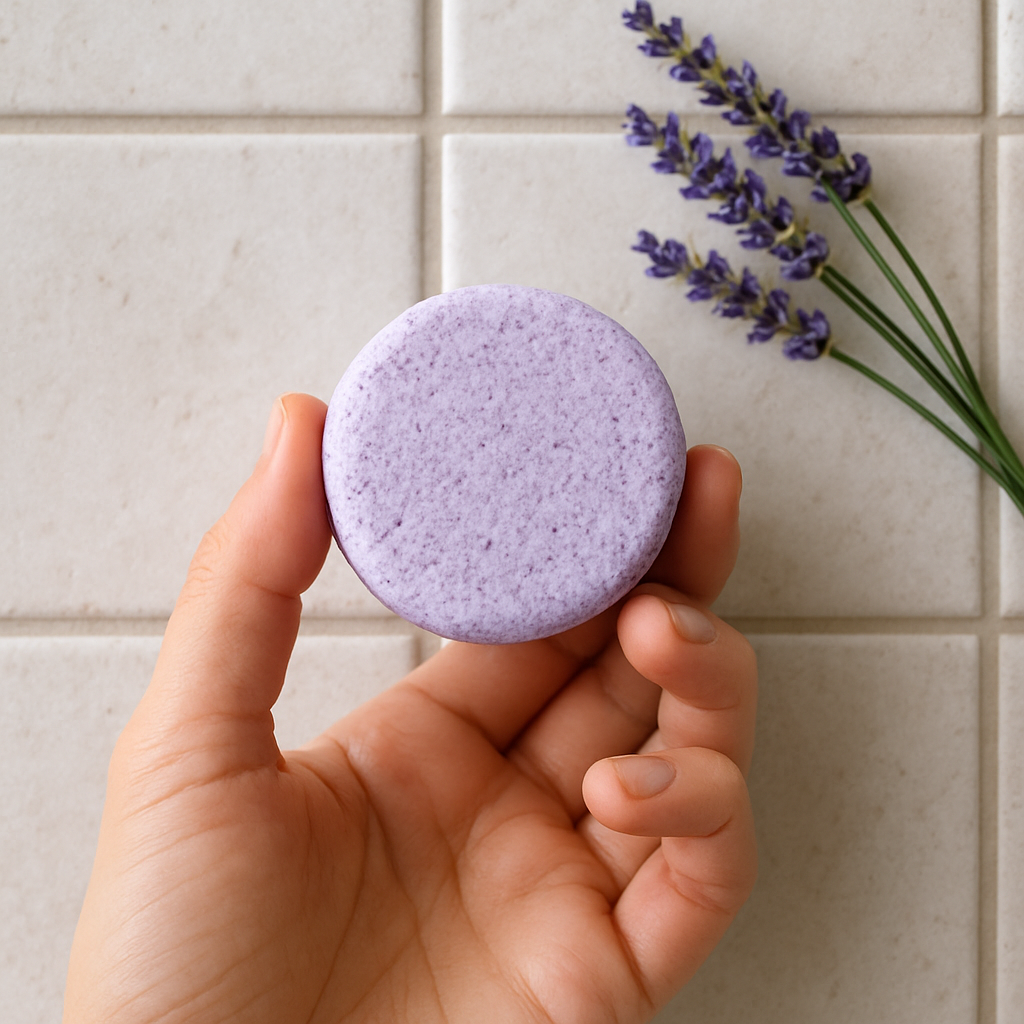
If you love the idea of a DIY steamer, start with a simple recipe: 1 cup baking soda, ½ cup citric acid, 10 drops lavender oil, 5 drops chamomile oil, and 2 teaspoons fractionated coconut oil. Mix dry ingredients, whisk in the oils, press into silicone molds, and let dry 24 hours. You control every ingredient, so you know it’s safe.
For moms who prefer a non‑inhalation route, a gentle prenatal massage can work wonders. The team at Intuitive Balance Massage offers soothing, chemical‑free bodywork that complements the calming effects of a shower steamer without any aromatic risk.
And don’t forget your oral care routine—another place where natural ingredients shine. The natural mouthwash guide walks you through pregnancy‑safe formulas that keep your smile bright without harsh alcohol or fluoride spikes.
Potential Risks of Aromatherapy Inhalation During Pregnancy
So you’ve found a lavender‑scented steamer that smells dreamy, but you’re still asking yourself, “are shower steamers safe during pregnancy?” That’s a fair question—especially when the tiny droplets you breathe in travel straight to a body that’s already juggling a hundred new hormones.
In our experience, the biggest red flag isn’t the fizz itself, but what’s riding on those bubbles. Certain essential oils can be irritating to the respiratory tract, cause skin reactions, or even influence uterine tone if they’re too stimulating.
Respiratory irritation
When you inhale a concentrated oil like eucalyptus or peppermint, the cool menthol can feel refreshing at first, but it also tightens nasal passages for some people. That “peppermint punch” can trigger sneezing, a runny nose, or even a mild headache—symptoms you definitely don’t want while dealing with morning sickness.
Moreland OB‑GYN’s guide notes that pregnant women should avoid strong, stimulating oils because they may cause dizziness or respiratory discomfort (essential oil safety during pregnancy).
Skin sensitivity
Even though you’re only inhaling, the steam can settle on your skin. If the carrier oil is heavy (think coconut or undiluted butter), it can clog pores or cause a rash, especially on sensitive pregnancy‑related skin. A quick patch test on your forearm is a simple way to catch that before you step into a steamy shower.
Hormonal and uterine effects
Some oils—like rosemary, clary sage, eucalyptus, peppermint, wintergreen—have been shown in animal studies to affect uterine muscle tone. While the evidence isn’t crystal clear for humans, many midwives recommend steering clear of these during the first trimester, just to be safe. The last thing you want is a subtle cue that could potentially trigger contractions.
What to watch out for
- High‑risk oils: rosemary, clary sage, eucalyptus, peppermint, wintergreen.
- Concentration: keep oil content under 5% of the total steamer weight.
- Duration: limit inhalation to the length of your shower—usually 5‑10 minutes.
- Personal tolerance: if you feel light‑headed, nauseous, or notice skin tingling, stop immediately.
Does that feel overwhelming? Not really. Think of it as a quick checklist you can run through while you’re waiting for the water to heat.
Before you start any new aromatherapy habit, it’s a good idea to run it by your OB‑GYN or midwife. A quick chat can confirm whether a particular oil aligns with your prenatal plan and flag any hidden interactions.
One practical tip we love is to “dilute the drama.” If you’ve found a steamer that lists a high‑risk oil, try swapping half of the steamer for a plain, unscented crystal and add a few drops of a pregnancy‑safe oil (like lavender) to a washcloth instead. You still get the soothing aroma without the potential side effects.
And remember, every pregnancy is unique. What feels fine for one expectant mom might be a trigger for another. Keeping a short “steam diary”—note the scent, how you felt during the shower, and any after‑effects—helps you spot patterns early.
Bottom line: aromatherapy inhalation can be a gentle ally, but only when you steer clear of strong, stimulating oils, respect concentration limits, and listen to your body’s signals. With those safeguards in place, you can enjoy the spa‑like vibe of a shower steamer while keeping both you and your baby safe.
Comparing Safe vs. Questionable Ingredients in Shower Steamers
Ever stood in the shower, the steam swirling, and wondered if that pretty little crystal might be doing more than just smelling nice? That's the exact moment we all hit when we ask ourselves, “are shower steamers safe during pregnancy?”
In our experience at Evolve Botanica Co, the biggest difference between a “go‑ahead” steamer and a “maybe‑not” one boils down to the essential oils on the label. Low‑risk oils—think lavender, chamomile, sweet orange, rose, and a dash of vanilla—have been shown in clinical aromatherapy studies to stay under the 1 % inhalation threshold that most OB‑GYNs consider safe for a developing baby. They calm nerves without revving up heart rate, and they rarely cause skin irritation.
On the flip side, the oils that make us raise an eyebrow are the ones that are naturally stimulating. Rosemary, peppermint, clary sage, eucalyptus, and wintergreen can increase circulation, tighten nasal passages, or even nudge uterine tone in animal models. While the human data isn’t crystal‑clear, most midwives err on the side of caution and advise pregnant folks to keep these out of the first‑trimester steam routine.
But it isn’t just the type of oil that matters; concentration plays a starring role, too. A steamer that lists “essential oil blend” at 2 % is generally fine, whereas the same blend at 8 % can feel like a mini‑diffuser in a tiny space. The fizz‑reaction pushes those oil droplets straight into the breathing zone, so the higher the percentage, the stronger the hit.
Quick side‑by‑side look
| Ingredient | Pregnancy Safety | Typical Use Tips |
|---|---|---|
| Lavender (Lavandula angustifolia) | Safe (low‑risk) | Use full‑strength; great for relaxation. |
| Chamomile (Matricaria recutita) | Safe (low‑risk) | Mix with lavender for a soothing bedtime vibe. |
| Rose (Rosa damascena) | Safe (low‑risk) | Adds floral note; fine up to 5 %. |
| Rosemary (Rosmarinus officinalis) | Questionable (stimulating) | Limit to <1 % or swap for rosemary‑free version. |
| Peppermint (Mentha piperita) | Questionable (stimulating) | Replace half with spearmint or omit entirely. |
| Eucalyptus (Eucalyptus globulus) | Questionable (respiratory irritant) | Best saved for post‑partum use. |
Seeing that table, you can spot the pattern: the floral‑sweet family stays in the “safe” column, while the herb‑mint cluster tends to land in “questionable.” It’s a handy cheat sheet when you’re scanning a product label in the bathroom aisle.
So, what if you already have a steamer that lists peppermint but you love the zing it gives? A simple hack we love is the “half‑and‑half” method: break the crystal in half, toss the questionable half back, and replace it with an unscented base or a few drops of a pregnancy‑safe oil. The fizz still works, and you’ve dialed down the potency.
Here’s a quick checklist to run before you pop any steamer into the shower:
- Read the ingredient list: look for specific oil names, not just “essential oil blend.”
- Check the oil percentage: aim for 5 % or less.
- Identify any high‑risk oils (rosemary, peppermint, eucalyptus, clary sage, wintergreen).
- Do a patch test on your forearm; no redness means skin‑wise okay.
- Start with a short “sniff test” outside the shower – if it feels sharp, skip it.
- If you feel any dizziness or skin tingling, stop the steam and step out.
Remember, every pregnancy is its own story. One mom might breeze through a lavender‑only steamer, while another feels a twinge from even a hint of peppermint. Trust your body, keep a short “steam diary,” and adjust the blends until you find that sweet spot where the steam feels like a hug, not a headache.
Bottom line: comparing safe vs. questionable ingredients isn’t rocket science—it’s about recognizing the calm‑inducing floral crowd and steering clear of the high‑energy herb crew, especially when you’re pregnant. With a little label‑reading and a pinch of DIY tweaking, you can enjoy the spa‑like bliss of shower steamers without a second thought.
Guidelines for Using Shower Steamers Safely While Pregnant
So you’ve already checked the ingredient list and done a patch test – now the real question is: how do you actually use a steamer without worrying about “are shower steamers safe during pregnancy?” The answer is a simple routine that keeps the aroma gentle, the floor slip‑free, and your body’s signals front‑and‑center.
1. Do a quick safety scan before you even turn the water on
Grab the steamer, read the label one more time, and ask yourself: does it list only low‑risk oils like lavender, chamomile, or sweet orange? If you see rosemary, peppermint, or eucalyptus, set it aside for now. Shower Story’s FAQ notes that essential‑oil products are generally not recommended during pregnancy, so treating that warning as a hard stop can save a lot of guesswork.
Next, check the oil percentage – aim for 5 % or less. If the brand doesn’t disclose it, give the product a quick “sniff test” outside the shower. If the scent feels sharp or makes you feel light‑headed, skip it.
2. Prepare a slip‑safe shower zone
Place the steamer on a shallow, non‑slippery dish or a silicone mat rather than directly on the tile. The fizz will release the scent, but the leftover residue can make the floor a bit slick, especially with high‑oil blends.
Keep a towel handy to dry any wet spots before you step out. If you have kids or an elderly partner sharing the bathroom, a simple rubber mat adds an extra layer of security.
3. Control exposure time and concentration
One tablet per shower is plenty. Let the steamer sit on the dish for 30 seconds, then let the water’s steam do the rest. Avoid submerging the cube – the fizz works best with just a gentle mist.
Limit your shower to 5‑10 minutes of inhalation. If you notice any dizziness, nausea, or a tingling sensation on your skin, turn the water off and step out immediately.
4. Keep a pregnancy steam diary
Jot down the date, the steamer’s scent, how long you stayed under the steam, and any physical reactions. Over a few weeks you’ll spot patterns – maybe lavender works every time, but a hint of spearmint triggers a headache.
This habit is especially helpful because every pregnancy reacts differently. A diary turns vague feelings into concrete data you can share with your OB‑GYN.
5. When to skip the steamer altogether
If you’re in your first trimester, consider swapping the steamer for a simple washcloth with a couple of drops of diluted lavender oil. The scent is still there, but the oil concentration is far lower.
Also, if you have any respiratory issues, eczema, or a history of skin sensitivities, it’s better to err on the side of caution. Body Restore mentions that while aromatherapy is generally safe for pregnant women, a doctor’s OK is always the safest route.
Finally, remember that safety isn’t about fear; it’s about empowerment. By following these five steps you can turn a quick shower into a calm, pregnancy‑friendly ritual that feels like a gentle hug rather than a gamble.
Ready to try? Pick a low‑risk steamer, set it on a mat, breathe deeply for ten minutes, and note how you feel. If the experience feels soothing, you’ve just added a safe self‑care habit to your prenatal toolbox.
Alternatives to Shower Steamers for Relaxation During Pregnancy
We get it—sometimes a steamer feels like the easiest way to snag a moment of calm, but you might wonder, are shower steamers safe during pregnancy or if there’s a gentler route. The good news is there are plenty of low‑key, pregnancy‑friendly options that give you the same soothing vibe without any fizz‑related guesswork. Below are some tried‑and‑true alternatives we’ve seen work wonders in our community.
1. Diluted essential‑oil washcloth
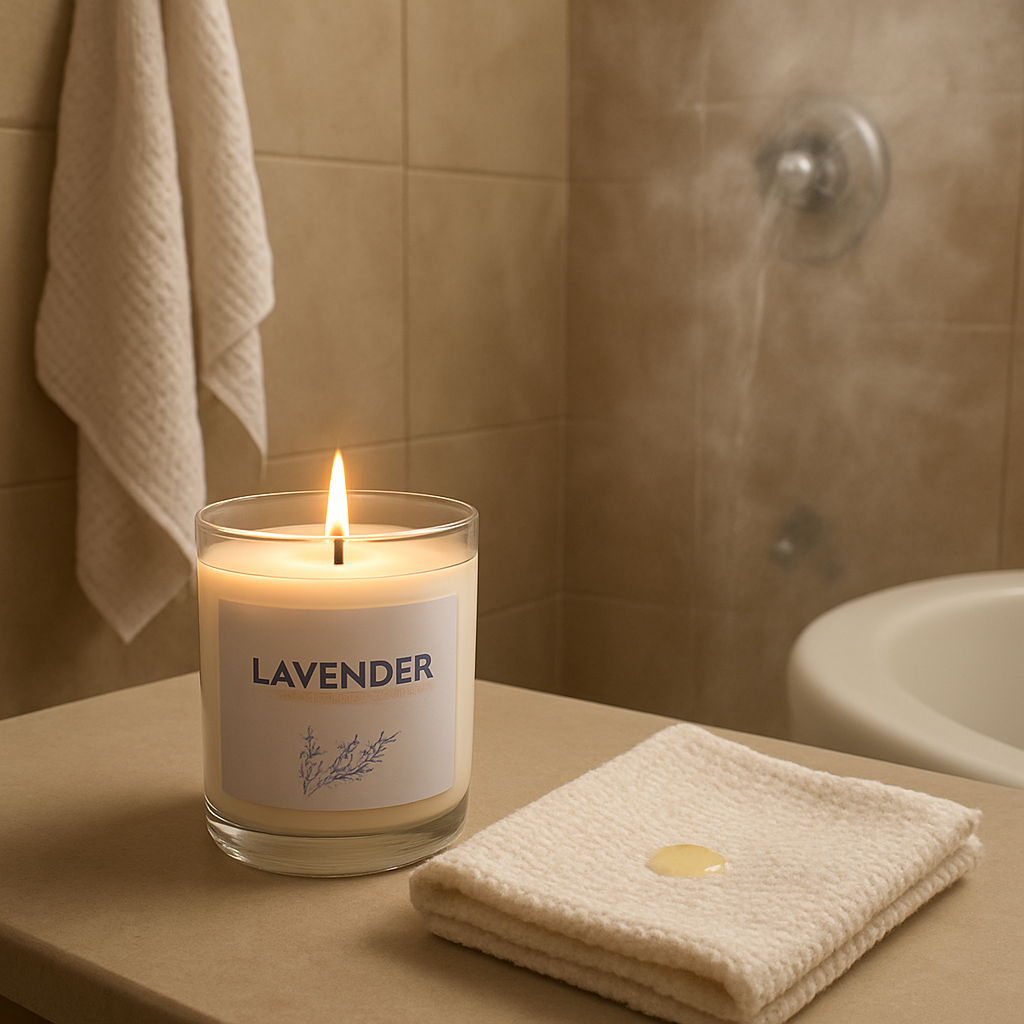
Grab a clean cotton washcloth, add a couple of drops of a low‑risk oil like lavender or sweet orange, then dilute with a teaspoon of carrier oil (jojoba or sweet almond work well). Fold it, place it on the bathroom floor, and let the warm steam lift the scent. It’s basically a mini‑diffuser that stays far below the concentration thresholds that make us pause over “are shower steamers safe during pregnancy.”
2. Warm herbal compress
Steep a handful of dried chamomile, rose petals, or lemon balm in hot water for a minute, then soak a clean towel in the brew. Wring out excess water, fold the towel, and drape it over your shoulders while you shower. The gentle heat plus the herb’s natural aroma can melt tension without any essential‑oil concentration concerns.
3. Aromatherapy shower cap
There are silicone caps designed to hold a few drops of oil on the inside. Slip it on, turn the water to a comfortable temperature, and let the cap’s inner surface release a whisper of scent. Because the oil never hits the water directly, the vapor stays light—perfect for a pregnancy‑sensitive nose.
4. Scented soy candle on the bathroom counter
Light a small soy candle scented with pregnancy‑safe notes—think vanilla, lavender, or soft citrus. The candle’s flame creates a steady, low‑level fragrance that mingles with the shower steam. Just keep the candle a safe distance from any water source, and you’ve got a calming backdrop that’s completely under your control.
5. Prenatal yoga or gentle stretching
Sometimes the best “aroma” is the feeling of your muscles unwinding. A short 5‑minute prenatal stretch—think cat‑cow, seated side bends, or a gentle forward fold—can lower cortisol and open up your lungs, letting you breathe more easily. Pair the routine with a favorite playlist of soft instrumentals, and you’ve swapped scent for movement without sacrificing calm.
6. DIY bath salt soak (outside the shower)
If you have a bathtub, dissolve a quarter cup of Epsom salt plus a pinch of dried lavender buds in warm water. Soaking for ten minutes after your shower lets the minerals ease muscle aches, and the faint herbal scent lingers on your skin. Because the water is still, the concentration stays well below any safety red flags.
All these alternatives keep the core idea—quiet, soothing moments—alive, but they dodge the “steamer” question entirely. The key is to stay under the 1 % essential‑oil threshold that most OB‑GYNs recommend, and to always listen to your body’s signals. If anything feels too strong, dial it back or try a different method.
So, what’s your next move? Pick one of these ideas, give it a try tonight, and note how you feel in a quick pregnancy‑steam diary. You might discover that a simple lavender‑washcloth or a scented candle becomes your favorite go‑to, keeping you relaxed and confident that you’re doing right by you and your baby.
Expert Opinions and Research Findings on Pregnancy Safety
When you ask yourself, “are shower steamers safe during pregnancy?” the first thing most OB‑GYNs do is look at the ingredient list and the concentration of each essential oil.
In our experience at Evolve Botanica, the consensus among prenatal care providers is simple: low‑risk oils like lavender, chamomile, and sweet orange are generally fine when the oil makes up less than about 1 % of the total steamer weight. Anything above that, especially stimulating oils such as rosemary, peppermint, or eucalyptus, raises a red flag.
What the research actually says
Hard scientific data on shower steamers is scarce, but related aromatherapy studies give us clues. Animal studies have shown that high‑dose menthol or camphor can affect uterine tone, which is why many midwives advise avoiding those oils in the first trimester. Human trials on inhaled essential oils are limited, yet the few that exist suggest that keeping exposure under the 1 % threshold keeps plasma levels well below any measurable effect on the fetus.
For a broader perspective on respiratory safety, the InfantRisk Center points out that pregnant people are more vulnerable to inhaled irritants, recommending that any aromatic product be used cautiously to avoid aggravating congestion or cough — symptoms that are already common in pregnancy (expert guidance on respiratory safety during pregnancy).
Key expert takeaways
- Stick to oils classified as “low‑risk” (lavender, chamomile, rose, sweet orange). They have been studied for calming effects and show no uterine‑stimulating activity at typical diffuser concentrations.
- Avoid “high‑risk” or stimulating oils (rosemary, peppermint, clary sage, eucalyptus, wintergreen) unless you dilute them heavily and keep the overall blend under 1 %.
- Watch the percentage label. If a brand doesn’t disclose the exact oil content, treat it as a “maybe” and opt for a known safe product.
- Limit exposure time. A single steamer in a 5‑10‑minute shower is usually enough; longer or multiple tablets can push the inhaled dose higher.
- Do a personal “sniff test” before each use. If the scent feels sharp, makes you dizzy, or triggers a sneeze, step out and choose a milder alternative.
Does this feel overwhelming? Not really. Think of it as a quick safety scan you can do while waiting for the water to heat.
Practical checklist for a pregnancy‑friendly shower
1️⃣ Read the label: confirm only low‑risk oils are listed.
2️⃣ Check the oil percentage: aim for ≤5 % total, ideally ≤1 % for pregnancy.
3️⃣ Perform a patch test on your forearm – no redness means skin‑wise okay.
4️⃣ Do a quick “steam sniff” outside the shower; if it feels intense, skip it.
5️⃣ Keep the session to 5‑10 minutes and note any reactions in a short steam diary.
And remember, staying hydrated and keeping the bathroom well‑ventilated helps dilute any lingering scent, making the experience even gentler on your respiratory system.
What clinicians are saying right now
Dr. Maya Patel, a maternal‑fetal medicine specialist, tells us she usually recommends lavender‑only steamers at a 0.5 % concentration for second‑trimester clients who want a little aromatherapy boost. She adds that any sign of nausea, headache, or skin tingling should prompt an immediate stop.
Midwife Jenna Lee echoes that sentiment, emphasizing that the “whole‑body” experience matters: “If the steam makes you feel light‑headed, that’s a cue to dial it back, regardless of the oil.” She also reminds moms that staying hydrated and keeping the bathroom well‑ventilated can reduce any lingering irritation.
Bottom line: the expert community agrees that shower steamers can be part of a safe prenatal routine—as long as you pick low‑risk oils, keep concentrations low, and listen to your body’s signals.
Conclusion
So, are shower steamers safe during pregnancy? The short answer is yes—if you pick the right oils, keep concentrations low, and pay attention to how you feel.
We’ve seen that lavender, chamomile and sweet orange tend to stay in the “safe” zone, while rosemary, peppermint, eucalyptus and other stimulating oils are best avoided, especially in the first trimester. Aim for a product that lists its essential‑oil content (ideally under 1 % of the total weight) and do a quick patch test before each use.
And remember, your body is the best gauge. If the steam makes you light‑headed, nauseous, or your skin tingles, step out, rinse, and skip that batch. A short “steam diary” can help you spot patterns and give your OB‑GYN something concrete to discuss.
Here’s a quick cheat sheet to wrap things up:
- Choose low‑risk oils only.
- Keep oil concentration ≤1 % (or ≤5 % max).
- Limit shower time to 5‑10 minutes.
- Patch test and sniff test before each shower.
- Stay hydrated and ventilate the bathroom.
With those simple steps, you can enjoy a soothing, pregnancy‑friendly shower ritual without second‑guessing every fizz. Got a favorite safe steamer? Share your experience in the comments—we love hearing how you’ve made aromatherapy work for you.
FAQ
Are shower steamers safe to use during the first trimester?
In the first trimester, most midwives recommend steering clear of any strong aromatherapy because your body is especially sensitive. If you do want a steamer, stick to low‑risk oils like lavender or sweet orange and keep the oil blend under 1 % of the total weight.
Watch for any dizziness, nausea, or skin tingling—if those pop up, stop immediately and skip that batch.
What essential oils should I avoid in shower steamers while pregnant?
Pregnancy‑safe steamers stay away from stimulating herbs such as rosemary, peppermint, clary sage, eucalyptus, and wintergreen. Those oils can raise heart rate or even influence uterine tone in animal studies, so most OB‑GYNs list them as “questionable.”
Stick to proven calming scents—lavender, chamomile, rose, sweet orange, or a hint of vanilla—and you’ll stay well within the safety zone.
How can I test a shower steamer before using it in the shower?
Before you drop a steamer into the shower, do a quick patch test. Rub a tiny piece of the fizzing crystal on the inside of your forearm and wait ten minutes; no redness means the skin is likely fine.
Then give it a “sniff test” outside the bathroom—take a shallow breath. If the scent feels sharp or makes you light‑headed, set it aside and choose a milder blend.
What concentration of essential oil is considered safe for pregnant women?
Most experts agree that an essential‑oil concentration of 1 % or less is the sweet spot for pregnant users. In practical terms, that means a steamer weighing about 10 g should contain no more than 0.1 g of pure oil—roughly two to three drops.
If a brand doesn’t disclose the percentage, treat the product as a “maybe” and opt for one that lists the exact amount.
Can I use a shower steamer if I have a history of skin sensitivity or asthma?
If you have a history of skin reactions or asthma, take a more cautious route. Even low‑risk oils can irritate sensitive skin when the fizz leaves a thin film on the shower floor.
Do a patch test, keep the steamer on a silicone mat, and limit inhalation to the first few minutes. Should you notice wheezing or a rash, skip the steamer entirely and try a simple lavender‑infused washcloth instead.
How long should I stay in the steamy shower when using a pregnancy‑friendly steamer?
Most of us find that 5‑10 minutes of steam is enough to enjoy the aroma without over‑exposing yourself. Set a timer, breathe gently, and stay seated on a non‑slippery mat.
If you start to feel light‑headed or your skin tingles, step out, rinse any residue, and give yourself a few minutes to recover before deciding whether to continue.
Do I need to tell my OB‑GYN about using shower steamers?
Yes—let your OB‑GYN or midwife know that you’re using shower steamers, especially if you’ve chosen a blend with any stimulating oil. A quick note lets them confirm that the concentration is low enough and that you’re not risking an unwanted reaction.
Most clinicians appreciate the transparency and can help you adjust the blend or suggest alternatives if needed.
0 comments