

Picture this: you’re settling in for a cozy evening, the soft glow of a soy candle filling the room, and your cat curls up beside you, tail twitching with curiosity. It feels perfect—until a sudden whiff makes you wonder, are soy candles safe for cats?
We get it. As cat lovers, the last thing we want is a harmless‑looking candle turning into a hidden hazard. The good news? Soy wax itself is a plant‑based, non‑toxic material, so the wax isn’t the culprit. The real question lies in what’s mixed into that wax.
Most soy candles are scented with fragrance oils, and that’s where the risk can creep in. Some fragrance compounds contain chemicals that can irritate a cat’s sensitive respiratory system or, in extreme cases, be toxic if ingested. Cats are also notorious for batting at wicks or trying to chew on the candle’s edge, so any added dyes or synthetic additives become a concern.
So, how can you enjoy the warm ambiance without stressing about your feline friend? First, look for candles that are labeled “phthalate‑free,” “soy‑only,” or “made with natural essential oils.” Those tags usually mean the scent is derived from plant extracts rather than synthetic chemicals. Second, keep the candle out of your cat’s reach—on a high shelf or in a room they don’t frequent.
And what about the wick? Wooden wicks can produce more soot, which isn’t great for indoor air quality. A cotton or paper wick tends to burn cleaner, reducing the amount of particulate matter your cat might inhale.
Finally, observe your cat’s behavior. If they start sneezing, coughing, or seem unusually restless when the candle is lit, it’s a clear sign to extinguish it and choose a safer alternative. Trust your instincts—your cat’s comfort is the best lit‑test.
In short, soy candles can be cat‑friendly, but you’ve got to check the ingredients, keep them out of paw’s reach, and stay alert to any signs of irritation. Let’s keep the glow gentle and the purrs steady.
TL;DR
Soy candles can be cat‑friendly if you choose phthalate‑free, soy‑only formulas, use cotton or paper wicks, and keep them out of paw’s reach on a high shelf.
Watch your feline for sneezing or restlessness when lit, and swap to unscented or essential‑oil blends whenever irritation appears for your cat's health.
Step 1: Understand the Ingredients in Soy Candles
Before you light that cozy glow, it helps to know exactly what’s swimming in the wax. If you’ve ever wondered are soy candles safe for cats, the answer starts with the ingredient list. Most of the base is simple: 100% soy wax, which is plant‑based and non‑toxic. The real culprits are the additives that get tossed in for scent, colour, or a fancy finish.
Take a quick look at the label. You’ll see things like fragrance oils, essential oils, dyes, and sometimes even synthetic stabilisers. Fragrance oils are where the risk usually hides – they can contain chemicals that irritate a cat’s sensitive nose or lungs. Essential oils, while natural, can also be problematic; some, like tea tree or eucalyptus, are downright toxic to felines.
Breaking down the basics
Here’s a quick cheat‑sheet:
- Soy wax: pure, biodegradable, and cat‑friendly.
- Fragrance oils: synthetic blends – check for “phthalate‑free” or “pet‑safe” claims.
- Essential oils: plant‑derived but still need caution – stick to cat‑approved options like lavender in low concentration.
- Dyes: often petroleum‑based; look for natural colourants if you want a hint of hue.
If you want the full low‑down on what goes into a soy candle, our guide What Are Soy Candles Made Of? A Complete Guide to Ingredients and Benefits walks you through each component in detail.
So, what should you do when you spot a mysterious ingredient? First, research the name. A quick Google search (or a glance at a trusted resource) will tell you if that oil is known to upset cats. If you’re unsure, err on the side of caution and choose an unscented or clearly “cat‑safe” candle.
And remember, it’s not just about the scent. The wick material matters, too. Cotton or paper wicks burn cleaner than wooden ones, producing less soot that can irritate a cat’s respiratory system.
Does this feel overwhelming? It can, but think of it like reading a food label before you eat – a tiny habit that protects your pet’s health.
While the video shows how to spot safe ingredients, here’s a quick printable checklist you can keep by the candle shelf:
- Label says “phthalate‑free” or “soy‑only”.
- No synthetic fragrance oils listed.
- Wick is cotton or paper.
- No artificial dyes.
Even if you buy a candle that checks all the boxes, keep it out of paw’s reach. Cats love to bat at anything that flickers, and a curious swat can knock a candle over, spreading hot wax and fumes.
If you’re looking for other natural, pet‑friendly home products, you might also appreciate the philosophy behind Sade Skin’s professional skincare line. Both brands share a commitment to transparent, cruelty‑free ingredients that keep both people and pets safe.
For a broader perspective on natural remedies that can soothe a cat’s irritation (think gentle, non‑essential‑oil options), check out 5 Best Natural Remedies. It’s a handy resource if you ever need to calm a sneezing feline without reaching for chemicals.
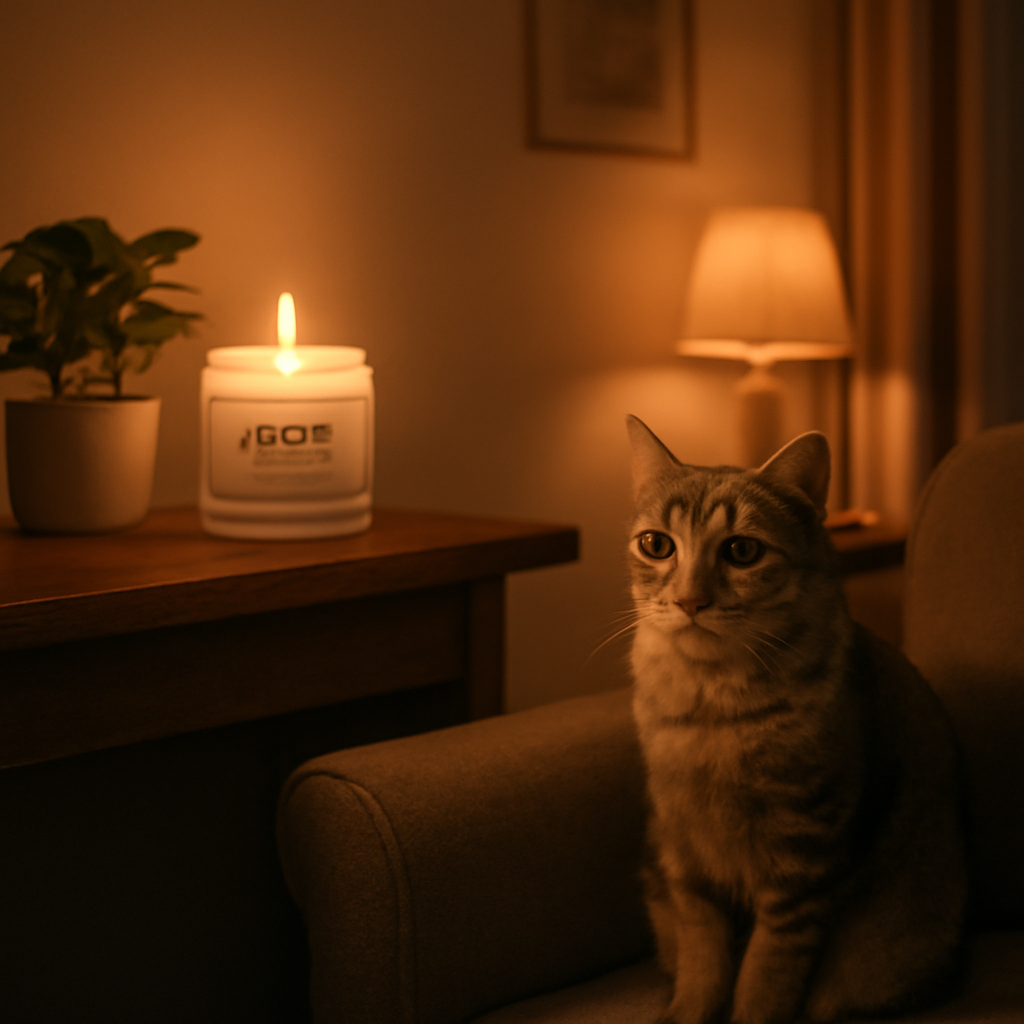
Step 2: Identify Potential Hazards for Cats
Okay, you’ve already decoded the ingredient list – now it’s time to hunt down the hidden dangers that could turn a cozy candle night into a cat‑care emergency. Think of it like a quick safety sweep before you light that soy candle.
Spot the scent red flags
First up, the fragrance. Not every “lavender” label is created equal. Some candles hide synthetic fragrance oils that release volatile organic compounds (VOCs) when they heat up. Those fumes can irritate a cat’s super‑sensitive nose, especially if your feline has a history of asthma. Cats.com explains which scents tend to be troublemakers – think citrus, peppermint, eucalyptus, and even some “natural” essential‑oil blends that sound harmless but are actually toxic in pure form.
So, ask yourself: does the label list specific essential oils, or does it just say “fragrance”? If it’s the latter, you probably want to steer clear.
Watch the flame and the wick
Open flames and curious paws are a classic recipe for disaster. A wooden wick might look chic, but it can produce more soot – and that soot is tiny particulate matter that settles on fur and gets inhaled when your cat grooms. Cotton or paper wicks burn cleaner and create less smoke.
Next, consider the size of the flame. A towering flame draws a cat’s attention like a laser pointer. Trim the wick to about a quarter of an inch before each burn; it keeps the flame modest and reduces stray sparks.
Check for dyes and pigments
Those Instagram‑worthy pastel colors often come from petroleum‑based dyes. When they melt, they can release microscopic particles that add to indoor air pollution. If you love a splash of colour, look for candles dyed with natural clays or mineral pigments – they stay stable at burn temperature and generate far less soot.
And remember: if a candle is completely dye‑free, you’ve already crossed one major hurdle.
Think about your cat’s health
Every cat is different. If yours has feline asthma, chronic bronchitis, or a sensitive stomach, even the mildest scented soy candle can be a trigger. Keep a notebook of any sneezes, coughing, or unusual grooming after a candle session – those are your early warning signs.
Do you ever notice your cat suddenly pacing or hiding when you light a new candle? That’s a red flag. The safest move is to burn the candle in a well‑ventilated room where your cat can’t wander in.
Here’s a quick three‑step check you can run before you light anything:
- Read the label: look for “phthalate‑free”, “natural fragrance”, or a clear list of essential oils.
- Inspect the wick: cotton or paper only, trimmed short.
- Test the air: light the candle for 5‑10 minutes, then open a window and watch your cat for any signs of distress.
If anything feels off, extinguish the flame and try a different option – maybe an unscented soy candle or a battery‑operated LED version.
Still not sure which candles pass the safety net? Below is a handy video that walks you through a live hazard‑spotting demo in our workshop.
Take a moment after the video to pause and jot down any ingredients that jump out at you. It’s surprising how many “natural‑sounding” scents hide chemicals that cats can’t tolerate.
Finally, create a cat‑friendly candle zone. Place the candle on a heavy, weighted tray (a ceramic dish works great) and set it on a high shelf or a dedicated lantern that your cat can’t climb into. A simple glass cover adds an extra layer of protection – even the most determined explorer will think twice before pawing at a sealed candle.
By systematically checking scent, wick, dye, and your cat’s personal health, you turn the vague worry of “are soy candles safe for cats” into a clear, actionable plan. Your living room stays cozy, your cat stays safe, and you get to enjoy that gentle glow without the guilt.
Step 3: How to Choose Cat‑Friendly Soy Candles
Okay, you’ve already sniffed out the ingredients and watched your cat’s reaction. Now it’s time to actually pick a candle that won’t send your whiskered buddy into a sneezing frenzy. It feels a bit like grocery shopping with a toddler – you want the good stuff, but you also need peace of mind.
Start with the label, not the scent story
Look for clear, front‑of‑pack claims: “phthalate‑free,” “soy‑only,” or “made with natural essential oils.” If the back of the jar just says “fragrance” with no details, put it back. Those vague listings usually hide synthetic chemicals that can irritate a cat’s nose.
We’ve seen a lot of customers bring home a candle that smells amazing but ends up making their cat cough. The trick? Choose products that actually list the essential oils they use – lavender, chamomile, or cedar are usually safe in low concentrations.
Wick matters more than you think
A cotton or paper wick burns cleanly and produces far less soot than a wooden wick. Soot settles on fur and can be inhaled when your cat grooms. Trim the wick to about a quarter of an inch before each use; a short wick keeps the flame modest and the smoke low.
If you’re buying a candle with a wood wick, ask yourself if the aesthetic outweighs the extra soot risk. In most cases, a cotton wick is the safer bet.
Color isn’t just for Instagram
Bright pastel candles often rely on petroleum‑based dyes that can release tiny particles when they melt. Those particles add to indoor air pollution and can cling to your cat’s fur. Look for “dye‑free” candles or those colored with natural clays and mineral pigments.
One of our favorite approaches is to go neutral – clear soy wax with a subtle essential‑oil scent. It looks elegant and eliminates the dye question entirely.
Check the health profile of your cat
Every cat is different. If yours has asthma, chronic bronchitis, or a sensitive stomach, even a mild scent can be a trigger. Keep a tiny notebook by the couch and jot down any sneezes, coughing, or sudden grooming sprees after you light a new candle.
Notice a pattern? That’s your cue to switch to an unscented soy candle or a battery‑operated LED version.
Where to find cat‑friendly options
Big retailers sometimes carry a “pet‑safe” line that’s been screened for common irritants. For example, Target’s pet‑safe candle selection lets you filter by soy wax and fragrance‑free formulas, making the hunt a little less stressful.
Pet‑safe soy candles on Target give you a quick way to compare ingredients without digging through every label yourself.
Set up a safe candle zone
Even the safest candle can become hazardous if your cat can bat at it. Place the candle on a heavy, weighted tray – a ceramic dish works great – and put it on a high shelf or a dedicated lantern that your cat can’t climb onto.
A clear glass cover adds an extra layer of protection. The flame still gives you that warm glow, but the glass stops paws from reaching the wick.
Quick checklist before you light
- Read the ingredient list: soy wax, phthalate‑free fragrance, no vague “fragrance” entry.
- Confirm the wick is cotton or paper, trimmed short.
- Choose dye‑free or naturally colored wax.
- Consider your cat’s health history – asthma, sensitivities, etc.
- Set the candle on a high, stable surface with a glass cover.
Run through that list in under a minute, and you’ll feel confident that the gentle glow won’t turn into a cat‑safety nightmare.
In short, the secret to a cat‑friendly soy candle is simple: clear labeling, clean wick, minimal dye, and a safe spot out of reach. Follow these steps, and you can enjoy that cozy ambiance without watching your cat hide under the couch.
Step 4: Safe Usage Practices at Home
So you’ve picked a cat‑friendly soy candle, trimmed the wick, and double‑checked the label. What’s next? It’s all about the way you actually use it, because even the safest candle can become a hazard the moment it’s lit.
Pick a “no‑paws” zone
First, choose a spot that your feline can’t climb onto. A heavy ceramic tray or a glass lantern on a high shelf does the trick. The weight keeps the candle from tipping if your cat decides to investigate, and the height buys you a few extra seconds before any curiosity turns into a paw‑swat.
And if you have a narrow windowsill that your cat loves, place the candle on the opposite side of the room. That way the warm glow still fills the space, but the cat can’t reach the flame.
Use a protective cover
We’ve found that a clear glass cover is a game‑changer. It lets the light spill out while acting like a shield against tiny paws and accidental knocks. If you’re using a lantern, make sure the lid fits snugly; a loose lid can crack under a sudden bump.
Even a simple metal mesh screen works, but glass lets you see the flame, which many cat owners find reassuring.
Control the burn time
Never leave a candle unattended. Set a timer on your phone or a kitchen timer for the recommended burn length—usually two to three hours for a medium‑sized soy candle. When the timer goes off, it’s a gentle reminder to extinguish the flame before your cat gets bored and starts exploring.
And if you’re in a room where the cat roams freely, consider a shorter burn time—maybe 30‑45 minutes—just to keep the air fresh and the risk low.
Ventilation matters
Open a window or run a quiet fan while the candle is burning. Good airflow dilutes any VOCs that might escape from fragrance oils, and it also helps keep the room temperature comfortable for your cat’s fur.
In our experience, a cracked‑open window across the room does the job without creating a draft that could tip the candle.
Check the surroundings
Before you light, scan the area for anything that could catch fire: loose paper, dried leaves, or a stray yarn ball. Cats love to play with those, and a sudden spark can turn a cozy evening into a fire drill.
Remove the tempting items, or tuck them into a closed drawer. A tidy surface also makes it easier to notice if the candle starts to sputter.
Routine inspection
After each burn, let the wax cool completely, then give the wick a quick trim—about a quarter of an inch. This keeps the flame steady and reduces soot, which otherwise could settle on your cat’s fur and be inhaled during grooming.
Inspect the glass or lantern for cracks. A tiny chip can become a portal for a curious paw.
What to do if your cat reacts
If you notice sneezing, coughing, or sudden restlessness while the candle is lit, extinguish it immediately. Open a window, offer fresh water, and give your cat a calm space away from the scent.
Sometimes the reaction is just a one‑off, but if it repeats, switch to an unscented soy candle or a battery‑operated LED alternative.
By turning these habits into a routine, you create a safe “candle ritual” that lets you enjoy the glow without worrying about your whiskered friend.
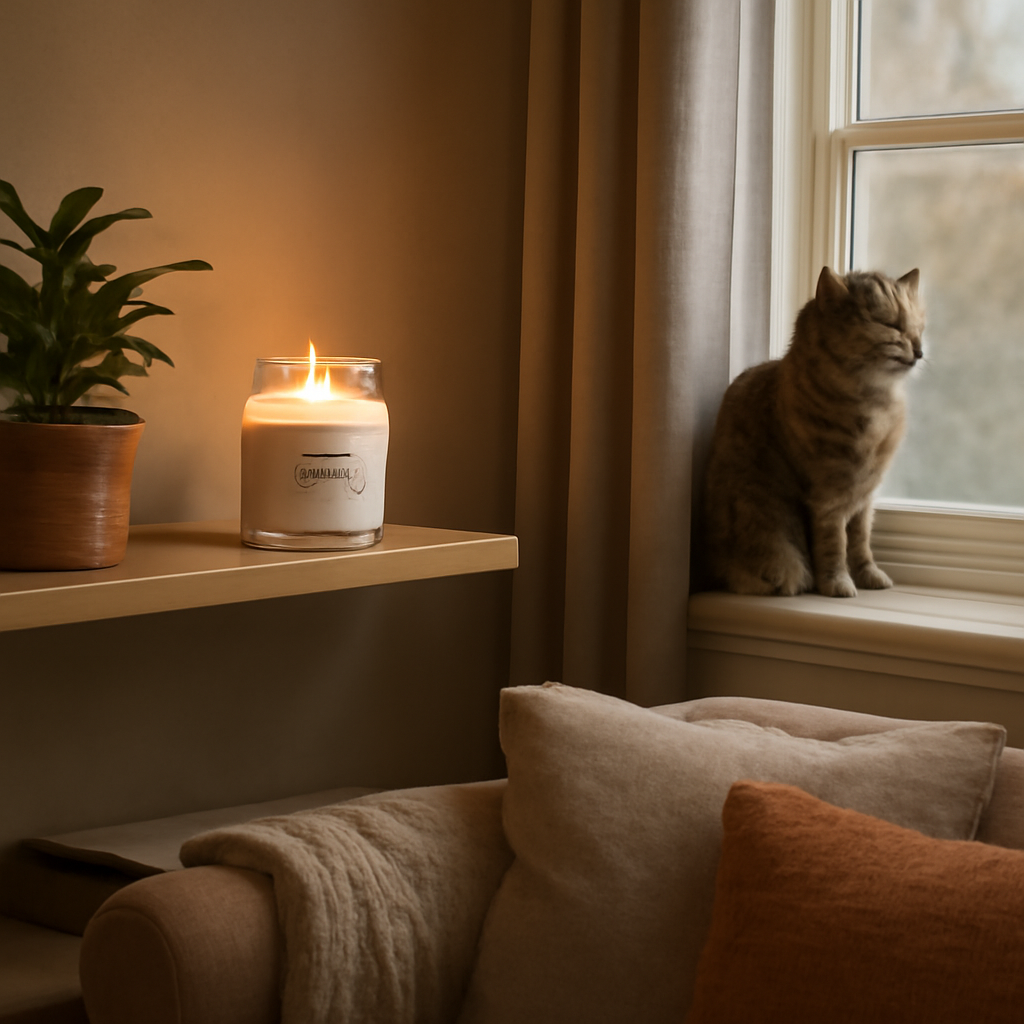
Step 5: Comparing Popular Soy Candle Options
Now that you’ve got the basics down, it’s time to look at the actual products you’ll find on the shelf. Not all soy candles are created equal when it comes to a cat‑friendly home.
Do you ever stand in the aisle, stare at rows of pretty jars, and wonder which one will keep your whiskered friend safe? Let’s break it down together, side by side.
Option 1: Unscented, pure‑soy candles
These are the simplest choice – just soy wax, a cotton wick, and nothing else. Because there’s no fragrance oil or dye, the risk of irritating fumes is practically zero.
We’ve seen cat owners love the clean burn, and the only trade‑off is the lack of scent. If you’re okay with a neutral glow, this is the safest bet.
Option 2: Essential‑oil‑infused soy candles
Here you get a light fragrance that comes from plant‑derived essential oils. Look for clear labeling that lists each oil – lavender, chamomile, or cedar are usually low‑risk in small amounts.
But remember, even “natural” oils can be toxic in high concentrations. A good rule of thumb: if the label lists a specific oil, you can sniff it yourself; if it just says “fragrance,” steer clear.
Option 3: “Phthalate‑free” scented soy candles
Many mainstream brands now advertise phthalate‑free formulas. That’s a step forward, but it doesn’t guarantee the fragrance is safe for cats.
Check the ingredient list – you’ll often see a blend of synthetic aroma chemicals that are technically phthalate‑free but still release VOCs when heated. If you can’t verify the exact oils, treat it like a regular scented candle.
Option 4: Dye‑free, wood‑wick soy candles
Wood‑wick candles look chic, but they tend to produce a bit more soot. For a cat‑friendly setup, the extra soot can settle on fur and be inhaled during grooming.
Pairing a wood wick with a dye‑free formula reduces one risk, but you still have the scent question. If you love the aesthetic, trim the wick short and keep the burn time under an hour.
Quick decision checklist
- Does the product list every fragrance component?
- Is the wick cotton or paper?
- Are there any dyes or pigments?
- Can you keep the candle out of paw’s reach?
If you answered “yes” to the first three, you’re probably in the safe zone. If you’re unsure, opt for the unscented pure‑soy version.
Side‑by‑side comparison
| Feature | Option | Notes for cat safety |
|---|---|---|
| Fragrance | Unscented | No VOCs, zero irritation risk |
| Fragrance | Essential‑oil blend (clearly listed) | Low risk if oils are mild; verify each oil |
| Fragrance | Phthalate‑free scented | May still contain synthetic VOCs; check ingredient list |
| Wick | Cotton or paper | Clean burn, minimal soot |
| Wick | Wood | More soot; limit burn time, trim short |
| Dye | Dye‑free | Eliminates pigment particles |
| Dye | Petroleum‑based color | Potential particulate release; avoid for cats |
What does this mean for your evening routine? If you pick an unscented, cotton‑wick, dye‑free candle, you can set it on a high shelf, light it for an hour, and watch your cat curl up without a single sneeze.
And if you’re drawn to a subtle scent, choose one that spells out every essential oil and keep the flame short. A quick 30‑minute burn lets you enjoy the aroma without overwhelming your furry friend.
Remember, the safest candle isn’t just about the label – it’s also about how you use it. Place it on a heavy tray, keep the room ventilated, and always trim the wick before each use.
So, which option feels right for you? Take a moment to scan your local shop or online catalog, apply the checklist, and you’ll walk away with a candle that adds glow, not worry.
Step 6: What to Do If Your Cat Shows Symptoms
So the candle's lit, the room feels cozy, and then you notice your cat start to sneeze or pace like something's off. First thing’s to remember: you’re not overreacting. Those little signals are your cat’s way of saying the air isn’t right for them.
Spot the tell‑tale signs
Watch for a sudden cough, rapid breathing, watery eyes, or a sudden sprint to the door. Even a brief stare at the flame followed by a frantic grooming session can hint at irritation.
Does your cat usually lounge nearby? If they suddenly bolt to another room, that’s a red flag.
Act fast, stay calm
Step 1: Extinguish the candle. A quick blow or snuff is enough. Then, open a window or turn on a fan to push any lingering fumes out.
Step 2: Offer fresh water and a comfy spot away from the scent. Sometimes a sip and a little distraction—like a favorite toy—helps them reset.
When to call the vet
If the coughing continues after you’ve aired the room, or you see wheezing, vomiting, or a change in appetite, give your vet a call. Those could be signs of a more serious respiratory reaction.
Even a brief episode of sneezing can be a clue that a particular candle isn’t a good fit. Keep a quick note in your phone: date, candle brand, scent, and the symptom. Over time you’ll build a personal safety chart.
Quick symptom‑checklist
- Sneezing or snorting
- Coughing or gagging
- Rapid, shallow breathing
- Watery eyes or nose
- Unusual restlessness or hiding
If you tick any of those boxes, follow the steps above and monitor for a few minutes.
Reset the environment
After the episode, give the room a good air‑out for at least 15 minutes. You can also place a bowl of white vinegar nearby for an hour—its mild scent helps neutralize lingering VOCs.
Consider swapping to an unscented soy candle or a battery‑operated LED version for the next cozy night. That simple change often eliminates the mystery symptoms.
Prevent future flare‑ups
Keep a “cat‑safe candle” checklist handy:
- Choose unscented or clearly labeled essential‑oil blends.
- Use cotton or paper wicks, trimmed short.
- Burn for no longer than 30‑45 minutes if your cat roams the room.
- Always place the candle on a high, stable surface with a glass cover.
- Ventilate the space before, during, and after the burn.
When you follow that routine, you’ll answer the big question “are soy candles safe for cats?” with a confident “yes—if you manage the variables.”
And remember, the goal isn’t to banish candles altogether, just to make sure the glow stays a comfort, not a cause for concern. Your cat will thank you with a contented purr and maybe even a gentle head‑butt as you settle back into that soft light.
Conclusion
So, after walking through ingredients, hazards, and safe‑use habits, you might still wonder: are soy candles safe for cats?
The short answer is yes—provided you pick the right candle and follow a few simple rules.
Choose an unscented or clearly labeled essential‑oil blend, stick with a cotton or paper wick, and keep the wax dye‑free.
Trim the wick to about a quarter of an inch before each burn, limit the flame to 30‑45 minutes when your cat roams, and always place the candle on a high, stable surface with a glass cover.
Ventilate the room – a cracked window or a gentle fan pulls any lingering VOCs away from your cat’s nose, and it keeps the air fresh for both of you.
If you ever spot sneezing, watery eyes, or sudden restlessness, extinguish the candle, open a window, and give your feline a quiet spot away from the scent. A quick note in your phone about the brand and symptom will help you avoid that candle in the future.
Bottom line: by managing the wax, fragrance, wick, and placement, you can enjoy that cozy glow without compromising your cat’s health. So go ahead, light that soy candle, settle into the soft light, and let your cat purr contentedly beside you.
FAQ
Are unscented soy candles safe for cats?
Yes, an unscented soy candle is the safest bet because it contains only soy wax, a cotton or paper wick, and no added fragrance or dye. That means there are virtually no volatile organic compounds (VOCs) to irritate a cat’s nose or lungs. Just keep the candle on a stable, high surface and trim the wick before each use, and you’ll have a cat‑friendly glow.
What fragrance oils in soy candles can harm cats?
Some essential‑oil blends are okay in tiny amounts, but many synthetic fragrance oils release VOCs that trigger sneezing or respiratory distress in cats. Citrus, peppermint, eucalyptus, and even “lavender‑scented” mixes that hide synthetic chemicals are common culprits. Look for candles that list every oil on the label; if you see just “fragrance,” it’s safer to skip that candle altogether.
Does the wick material affect my cat’s health?
Absolutely. Cotton or paper wicks burn cleanly and produce minimal soot, which means less particulate matter settles on your cat’s fur. Wooden wicks look stylish but tend to generate more soot, and those tiny particles can be inhaled when your cat grooms. Trim the wick to about a quarter of an inch before lighting to keep the flame steady and the smoke low.
Are the dyes used in soy candles a risk for cats?
Bright, pastel dyes are often petroleum‑based and can release microscopic particles when melted. Those particles add to indoor air pollution and may cling to your cat’s fur. Choosing dye‑free candles or ones colored with natural clays eliminates that risk. If you love a hint of colour, double‑check that the candle specifies “natural mineral pigment” on the ingredient list.
How long should I burn a soy candle and how can I ventilate safely?
Limit each burn to 30‑45 minutes when your cat is in the room; longer burns increase VOC buildup. Open a window a crack wide or run a quiet fan to pull fresh air through the space. The goal is to dilute any scent and keep the air moving so your cat can breathe easy while you enjoy the glow.
What steps should I take if my cat shows symptoms after a candle is lit?
First, extinguish the candle and open a window or turn on a fan to clear the air. Offer your cat water and a calm spot away from the scent. Watch for persistent coughing, wheezing, or watery eyes—if those linger, call your vet. Make a quick note of the candle brand, scent, and symptoms so you can avoid it next time.
Are LED soy‑candle alternatives safer for cats?
LED candles give you the same warm glow without any heat, wax, or fragrance, so they eliminate the three main risk factors for cats. They’re especially handy if your feline is prone to curiosity or has asthma. Just choose a model that uses a soft, amber light rather than a harsh white LED, and place it out of reach. You still need to keep the area tidy, but the fire‑free design is virtually cat‑proof.
0 comments