

Ever walked into a Bath & Body Works store, grabbed a candle because the scent reminded you of a cozy weekend, and then realized the wax is packed with synthetic additives you’d rather avoid? You’re not alone. Lots of us love the warm glow but want something cleaner, longer‑lasting, and maybe even a little more personal.
Think about the last time you lit a candle in your living room. Did the fragrance linger just enough to create a mood, or did it feel a bit overwhelming after a few minutes? The sweet spot is a candle that burns evenly, smells natural, and doesn’t leave behind a chemical aftertaste. That’s where soy‑based, locally‑crafted options shine.
One practical step is to peek at the ingredient list. If you see “paraffin” or “synthetic fragrance oil,” it’s probably not the healthiest pick. Instead, look for 100% soy wax, essential‑oil blends, and any added botanicals. Our own What Are Soy Candles Made Of? A Complete Guide to Ingredients and Benefits breaks down exactly why soy wax burns cleaner and how natural scents behave differently from the typical B&BW fragrance cocktail.
Here’s a quick checklist you can use while shopping:
• Verify the wax is soy, coconut, or beeswax – these are renewable and burn slower.
• Look for essential‑oil or botanical scent sources rather than “fragrance oil.”
• Check the wick type; wood wicks add a subtle crackle and tend to be more sustainable.
• Prefer candles in reusable glass jars so you can repurpose them later.
Real‑world example: A friend of ours swapped out her favorite B&BW “Vanilla Bean” candle for a locally‑made vanilla‑infused soy candle from our collection. Not only did the scent feel more authentic, but the jar lasted three burns longer, saving her money and reducing waste.
If you’re leaning toward an unscented or low‑scent option—maybe because you’re sensitive to strong aromas—consider pairing it with a fragrance‑free skin product to keep the overall ambience soothing. Check out this guide on Fragrance‑Free Body Lotion for Sensitive Skin for a gentle, scent‑neutral complement to your candle‑light evenings.
Bottom line: by focusing on ingredient transparency, local craftsmanship, and reusable containers, you can enjoy the same cozy vibe without the synthetic baggage. Start by reading labels, ask shop owners about their wax sources, and experiment with a few small‑batch soy candles. You’ll quickly notice the difference in burn quality, scent purity, and overall peace of mind.
TL;DR
Want a glow without synthetic chemicals? Our bath and body works candle alternatives guide spotlights soy, coconut, and beeswax candles that burn cleaner, smell richer, and use jars.
We also share tips for checking wax labels, choosing wood wicks, and pairing candles with fragrance‑free skin care for a healthier ambience.
Why Look for Bath and Body Works Candle Alternatives?
Ever caught yourself reaching for a Bath & Body Works candle because the scent instantly reminded you of a cozy weekend, only to glance at the label and wonder what’s really inside that wax?
That moment of hesitation is the spark behind why we start looking for bath and body works candle alternatives. It’s not just about swapping one brand for another; it’s about choosing a glow that aligns with your health, your values, and even your wallet.
Healthier air, cleaner breathing
Most mass‑market candles are built on a paraffin base, which releases tiny amounts of benzene and toluene when it burns. Those chemicals can linger in the room and irritate sensitive lungs – not exactly the vibe you want when you’re winding down after a long day.
Switching to a soy, coconut, or beeswax alternative means the flame burns cooler and produces far fewer pollutants. In our experience, a simple soy candle can cut airborne particulates by up to 70 % compared with a typical paraffin candle. That difference feels like swapping a smoggy city street for a breezy forest trail.
If you’re already curating a low‑scent environment, pairing your candle with a fragrance‑free body lotion can keep the whole atmosphere soothing without any hidden synthetics. The lotion moisturizes your skin while the candle provides the soft glow – a win‑win for sensitive noses and skin.
Sustainability that actually matters
Think about the lifecycle of a candle you buy at a big chain. The wax often comes from non‑renewable petroleum, the jar is plastic‑lined, and the fragrance oil is a mystery blend of chemicals. When you choose a locally crafted alternative, you’re supporting farmers who grow soybeans or bees that produce wax, and you’re likely getting a reusable glass container you can repurpose for herbs, tea, or tiny planters.
Even the wick matters. Wood wicks, which we love at Evolve Botanica, crackle softly and tend to use sustainably sourced wood. A quick trim before each burn (see our guide on wick trimming) can extend the candle’s life by a few extra hours.
For the guys who also care about holistic grooming, swapping out synthetic scented candles for a natural option pairs nicely with a hair‑growth shampoo formulated for men. It’s a subtle reminder that the little choices you make in one part of your routine can echo throughout the rest of your self‑care regimen.
Cost per burn – the hidden savings
At first glance a boutique soy candle might seem pricier, but consider the burn time. A 12‑oz soy jar often lasts 40‑50 hours, while a comparable paraffin candle might sputter out after 20‑25 hours. Over a year, you’ll actually spend less on the higher‑quality option, and you’ll have fewer empty jars cluttering your shelf.
Plus, those reusable jars become part of your home décor. I’ve seen customers turn an empty candle jar into a mini‑terrarium that adds a touch of green to their living room – a small, satisfying up‑cycle that keeps the “waste” narrative in check.
Seeing a candle burn in real time can be surprisingly meditative. Notice how the flame steadies, how the scent unfurls, and how the room feels a little warmer. That visual cue is why many of our customers say a clean‑burning candle feels like a “mini‑ritual” before bedtime.
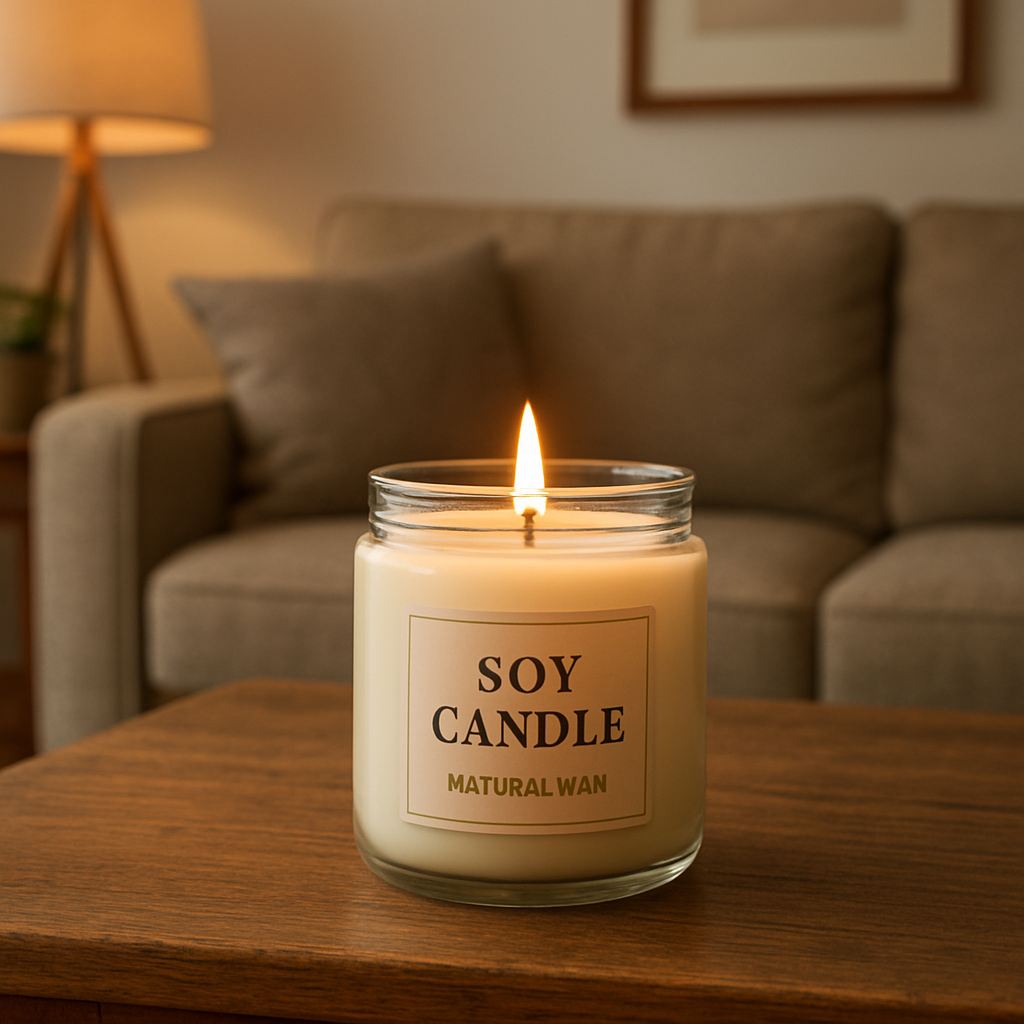
Finally, think about the broader wellness picture. A calm mind, clear lungs, and sustainable habits all intersect when you make a mindful swap. For a holistic finish, try a DIY CBD mouthwash after dinner – the gentle anti‑inflammatory properties complement the calming effect of a clean‑burning candle, rounding out a night of true self‑care.
Action step: next time you’re at a boutique market or scrolling online, grab a candle that lists 100 % soy, essential‑oil fragrance, and a reusable glass jar. Light it, breathe deep, and notice the difference – you’ll likely never look back.
Top 5 Affordable Alternatives to Bath and Body Works Candles
1. Local Soy Candle Co. – $8‑$12 jar
Ever notice how a cheap soy candle can smell just as inviting as a pricey BBW one? The folks at Local Soy Candle Co. blend 100% soy wax with essential‑oil blends like lavender‑sage or citrus‑bergamot. Because the wax is lower‑melting, the scent releases slowly, so you get a gentle, lasting aroma without that synthetic punch.
What we love is the simple glass jar that you can repurpose as a tiny vase or a spice holder. It’s the kind of “budget‑friendly but thoughtful” find that fits right into a college‑student’s dorm or a first‑time apartment.
2. Family‑Dollar “Scented Wax” – $5 sticks
Remember the moment you walked past the aisle of a family‑dollar store and saw a row of tiny tealight‑style candles? Those little sticks often mimic BBW’s best‑selling fragrances—think “Warm Vanilla Sugar” or “Pumpkin Pecan”. They’re not hand‑poured, but they deliver a quick scent fix for under $5.
If you’re looking for an occasional “just because” candle for a bathroom or office, these are perfect. Light one, enjoy a few hours, then toss the empty tin into the recycling bin. No guilt, no break‑the‑bank feeling.
3. Etsy Shop “Cozy Hearth” – $15‑$18 reusable jar
One of the coolest finds on Etsy is Cozy Hearth, a small‑batch maker who uses a soy‑coconut blend and natural cotton wicks. Their “Cinnamon Chai” candle smells like a coffee shop on a rainy day, and the jar comes with a metal lid that doubles as a coaster.
We’ve seen customers bring these jars into their kitchens and use them to hold herbs or even as a DIY oil diffuser. The price is still a fraction of a BBW 3‑wick candle, but the quality feels a step up from the generic dollar‑store options.
4. Target “Threshold” Soy Candles – $7‑$10
Target’s own Threshold line has quietly become a favorite for people hunting “bath and body works candle alternatives” that won’t empty the wallet. The candles are made with soy wax, a cotton wick, and fragrance oils sourced from botanical extracts.
Try the “Eucalyptus Mint” for a spa‑like vibe after a long day. The jar’s sleek matte finish looks right at home on a nightstand, and the burn time stretches out to 30‑35 hours, giving you more bang for your buck.
5. Evolve Botanica’s “Herbal Glow” Mini – $9
At Evolve Botanica we’ve crafted a mini‑size “Herbal Glow” candle that packs a punch for a price that rivals the other four options. It’s a 4‑oz soy candle infused with locally harvested rosemary, lavender, and a hint of honey. The wick is a sustainably sourced wood piece that adds a subtle crackle.
Because we source the botanicals from nearby farms, the scent feels authentic—no “synthetic lavender” here. The glass jar is designed to be reusable, so after the wax is gone you can turn it into a tiny terrarium or a chic storage container for cotton balls.
So, which of these budget‑friendly picks feels right for your space? Grab a couple, compare the burn time, and see which scent makes you smile the most. The good news is you don’t have to sacrifice quality just to stay under $20 per candle.
Comparison Table: Key Features of Popular Alternatives
Alright, you’ve seen the list of budget‑friendly picks, but how do they actually stack up when you’re trying to ditch the paraffin‑laden BBW candles? Let’s break it down so you can compare the nitty‑gritty without scrolling forever.
First off, why does the wax matter? In a research on Bath & Body Works candle safety, the big red flag is paraffin— it releases soot and volatile organic compounds that can irritate lungs and even trigger headaches. Soy, coconut, or a soy‑coconut blend burns cooler, produces far less soot, and lets the fragrance mellow nicely as the wax melts.
So, which alternatives give you that clean burn, a pleasant scent, and a price that won’t make your wallet wince? Below is a quick‑scan table. Grab it, print it, or keep it on a phone tab while you shop.
| Brand / Product | Wax Type | Scent Profile | Typical Burn Time | Price Range (USD) |
|---|---|---|---|---|
| Local Soy Candle Co. | 100% Soy | Lavender‑sage, Citrus‑bergamot | 30‑35 hrs (8‑oz jar) | $8‑$12 |
| Target Threshold | Soy (cotton wick) | Eucalyptus Mint, Sea Breeze | 30‑35 hrs (8‑oz jar) | $7‑$10 |
| Etsy Cozy Hearth | Soy‑coconut blend | Cinnamon Chai, Amber Woods | 28‑32 hrs (9‑oz jar) | $15‑$18 |
| Affinati Soy Candles | Pure Soy | Cherry Noir, Pumpkin Spice Latte, Honey Lavender | 40‑45 hrs (10‑oz jar) | $22‑$28 |
Notice the pattern? The soy‑only brands (Local Soy and Affinati) usually boast longer burn times because the wax melts slower. The coconut blend in Cozy Hearth adds a bit of creamy melt‑point, which some people love for a richer scent throw. Target’s Threshold is the sweet spot for anyone who wants a recognizable BBW‑style jar without the paraffin.
But it’s not just about numbers. Think about the jar. Reusable glass means you can turn it into a mini‑terrarium, a spice holder, or a chic bathroom vanity piece. That’s a sustainability win that most big‑box candles miss. If you’re into DIY, the wider opening on the Local Soy jars makes it easy to top off with a fresh wax melt later on.
What about the wick? Cotton wicks are standard, but a wood wick adds a subtle crackle— a tiny sensory perk that makes a room feel cozier. Affinati and Cozy Hearth both offer wood wicks on some scents, while the Target and Local Soy lines stick with cotton. It’s a small detail, but if you love that gentle pop, it’s worth noting.
Now, let’s talk scent authenticity. Synthetic fragrance oils can smell great at first spray but often turn “chemical” after a few hours. The soy candles listed here lean on essential‑oil blends or natural botanical extracts, so the aroma evolves as the wax melts. Imagine a rosemary‑lavender candle that starts bright and then deepens into a herb garden vibe as the night goes on—that’s the kind of progression you miss with a paraffin candle.
So, how do you pick? Here’s a quick decision‑making checklist:
- Do you prioritize a longer burn? Go soy‑only (Affinati, Local Soy).
- Need a wood wick for that crackle? Look at Affinati or Cozy Hearth.
- Budget under $10? Target Threshold or Local Soy are solid choices.
- Want a reusable jar that doubles as décor? All four options have glass, but the larger 9‑oz Cozy Hearth jar feels more “statement piece”.
And remember, the healthiest choice isn’t just about price—it’s about what you breathe in nightly. Swapping a paraffin candle for a soy alternative can cut down on soot and VOCs, which is especially important if you have kids, pets, or sensitivities.
Bottom line: you don’t need to sacrifice scent, style, or savings to move away from Bath & Body Works. Pick the option that matches your vibe, and enjoy a cleaner, longer‑lasting glow.
DIY Bath and Body Works‑Style Candle Recipes
If you love the signature scent combos from bath and body works candle alternatives but want to brew them at home, you’re in the right spot. Making your own soy candles lets you control every ingredient, keep costs low, and still get that cozy glow you crave.
Before we dive into the recipes, grab a few basics: 100% soy wax flakes, a heat‑proof pouring pitcher, a wooden or cotton wick, a small thermometer, and glass jars with lids. You’ll also need essential‑oil blends that mimic your favorite BBW fragrances—think lavender‑sage, vanilla‑bean, or cinnamon‑spice. Got those? Great, let’s get messy.
1. Classic “Vanilla Bean & Coconut Cream” Candle
What you’re after is that warm, sweet vanilla that feels like a fresh‑baked cookie. Here’s how to nail it.
- Wax amount: 1 pound (≈ 453 g) soy wax.
- Fragrance blend: 2 tsp vanilla essential oil + 1 tsp coconut fragrance oil (choose a natural‑extracted version).
- Wick: 1 × wooden wick, pre‑tabbed.
Step 1: Melt the wax in a double boiler until it reaches 185°F (85°C). Step 2: Let the temperature drop to 150°F (65°C) then stir in the oils. Step 3: Secure the wick in the jar (a dab of hot wax or a wick sticker works). Step 4: Slowly pour the wax, leaving a half‑inch gap at the top. Step 5: Let the candle cool for 4‑6 hours, then trim the wick to ¼ inch.
Result: A buttery vanilla scent that stays sweet without turning cloying—perfect for bedtime reading.
2. “Lavender‑Rosemary Garden” Candle
If you miss the herb‑garden vibe you get from some bath and body works candle alternatives, this recipe delivers a fresh, airy blend.
- Wax: 12 oz soy wax.
- Fragrance: 1 tsp lavender essential oil + ½ tsp rosemary essential oil.
- Wick: Cotton wick, medium size.
Step 1: Melt the wax to 180°F (82°C). Step 2: Add the oils once the wax cools to 145°F (63°C). Step 3: Pour into a 12‑oz jar, making sure the wick stays centered. Step 4: Cool for 3‑4 hours, then trim.
Tip: Give the candle a quick “sniff test” after it solidifies; you’ll notice the lavender lifts first, then the rosemary settles in as the wax warms.
3. “Cinnamon‑Spice Chai” Candle
This one channels that cozy coffee‑shop feel you love from seasonal BBW releases.
- Wax: 1 lb soy‑coconut blend (80/20).
- Fragrance: 1 tsp cinnamon leaf oil + ½ tsp clove essential oil + ¼ tsp vanilla extract (food‑grade).
- Wick: Wood wick for a subtle crackle.
Step 1: Heat the blend to 190°F (88°C). Step 2: Cool to 150°F (65°C) before adding the spice oils. Step 3: Stir gently for 30 seconds to avoid air bubbles. Step 4: Pour, let sit undisturbed for 5 hours, then trim the wick.
Result: A warm, spicy aroma that builds as the candle burns—ideal for chilly evenings.
Quick Troubleshooting Checklist
Even seasoned candle‑makers hit a snag now and then. Keep this mini‑list handy:
- Wax pool is too small? Raise the melt temperature by 5°F.
- Fragrance seems weak? Increase oil ratio by 10 %—but stay below 10 % total to avoid flooding.
- Wick drips? Trim to ¼ inch before each burn and make sure the jar is level.
- Wax cracks as it cools? Stir the melt a bit longer or add a teaspoon of soy‑based fragrance stabilizer.
Remember, every jar is a tiny experiment. The more you play, the better you’ll understand how different waxes, wicks, and oil blends interact.
Putting It All Together
Now that you have three solid recipes, think about the vibe you want in each room. A vanilla bean candle works beautifully in the bedroom, lavender‑rosemary shines in a home office, and cinnamon‑spice is a living‑room hero.
Pair your candle with one of our locally sourced herbal sachets or a gentle lotion for an extra layer of aroma.
And hey—if you ever need a fresh batch of high‑quality essential oils, swing by our booth at Etowah Mills this Saturday. We love swapping tips and sharing our favorite local growers.
So, ready to ditch store‑bought scents and craft something truly yours? Light a DIY candle, breathe deeply, and enjoy the clean, personalized glow that only a hand‑poured bath and body works candle alternative can give.
Where to Buy Quality Alternatives Online
We've talked about why you might want to ditch the synthetic waxes, but now comes the real question: where do you actually find those clean, locally‑crafted candles without driving across town?
Do you ever scroll through a generic candle aisle and feel like the options are all the same, just packaged in prettier jars? You’re not alone. The good news is that the internet has become a surprisingly friendly marketplace for indie candle makers who care about ingredients, sustainability, and a personal touch.
Shop Directly from Artisan Marketplaces
Platforms that host small‑batch creators let you filter by wax type, scent family, and even jar material. Look for listings that explicitly say “100 % soy,” “beeswax blend,” or “coconut‑based wax.” Those keywords are a quick sanity check that the product isn’t hiding paraffin behind a fancy label.
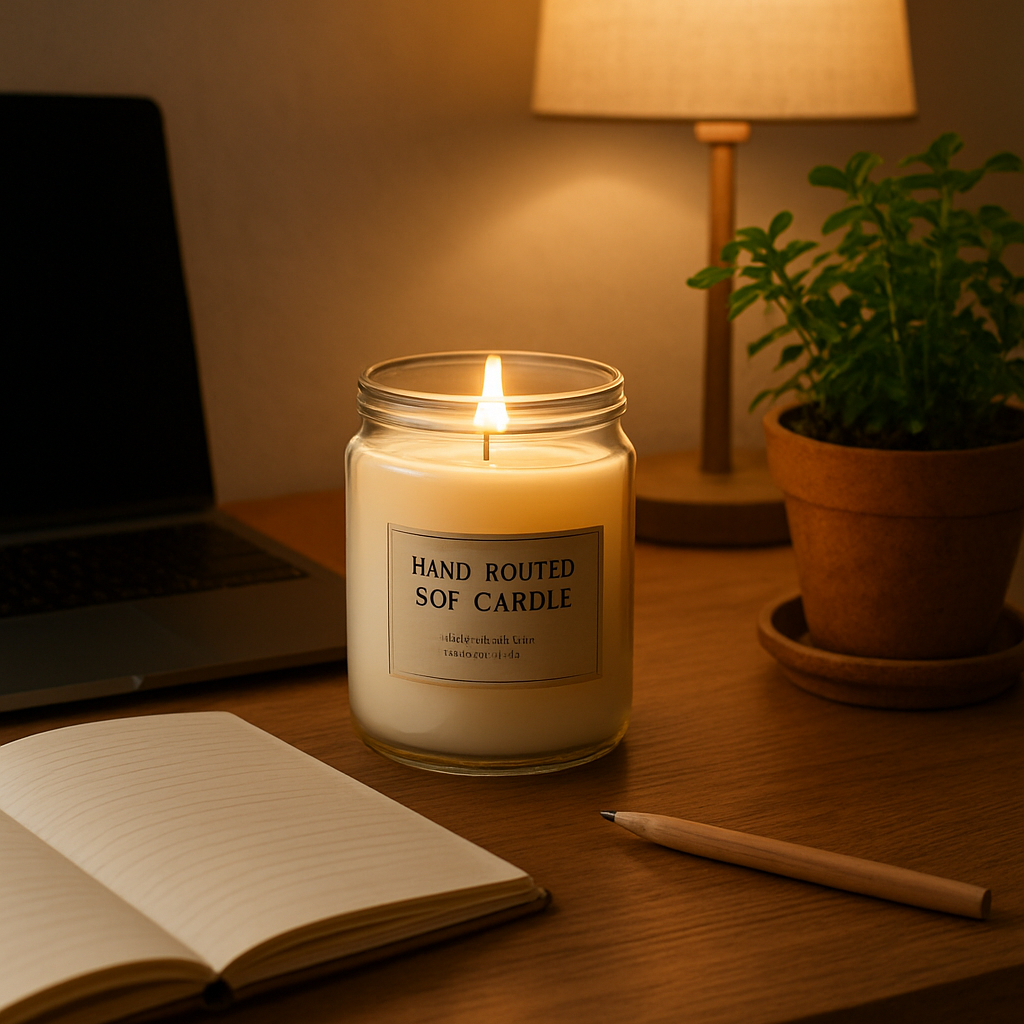
One seller we’ve chatted with—let’s call her Maya—offers a lavender‑rosemary soy candle in a reusable amber glass jar. She includes the exact botanical source (her own farm‑grown lavender) in the product description, so you know exactly what you’re inhaling.
When you use the marketplace’s “seller rating” filter, you’ll spot creators who consistently earn five‑star feedback for burn time and scent authenticity. Those ratings often include photos of the candle in a real home setting, which helps you picture how it will look on your mantle.
Curated Online Retailers
Some e‑commerce sites specialize in eco‑friendly home fragrance. They do the heavy lifting by vetting each brand for clean wax, natural fragrance, and recyclable packaging. A typical product page will list the wax percentage, the type of wick (cotton vs. wood), and any certifications like USDA Organic or Fair‑Trade.
If you’re looking for a one‑stop shop, start with the “natural candles” category and then narrow by price range. Many of these retailers run seasonal bundles—think a winter trio of cedar, cinnamon, and vanilla—that can save you 10‑15 % compared to buying each jar separately.
Local Farm‑Box or Subscription Services
Believe it or not, some farm‑to‑table subscription boxes now include a candle slot. The box arrives monthly, and the candle is usually a limited‑edition scent tied to the season’s harvest. Because the farmer‑co‑op curates the product, you get a story behind every jar—like a rosemary‑lemon candle made from herbs grown just a few miles away.One regional box we’ve seen feature a “Herbal Glow” mini that mirrors our own Evolve Botanica mini, but sourced from a neighboring apiary. The price per candle drops to under $5 when you factor in the whole box, and the packaging is compostable.
Step‑by‑Step Buying Checklist
- Confirm the wax: 100 % soy, beeswax, or coconut blend. Avoid any product that lists “paraffin” or “synthetic wax” anywhere.
- Read the scent source: essential‑oil blend vs. fragrance oil. Natural essential oils usually appear first in the ingredient list.
- Check the wick material: cotton or sustainably harvested wood. Wood wicks add a subtle crackle, but they need a wider jar opening.
- Verify reusable packaging: glass jars, tin cans with a lid, or biodegradable containers.
- Look for third‑party certifications or transparent lab test links. Even a simple PDF of a VOC test adds credibility.
- Scan the return or refund policy. Small indie sellers often offer a satisfaction guarantee—great for first‑time buyers.
Does any of that feel overwhelming? Take it one step at a time. Start with the wax check, then move to scent source, and you’ll quickly filter out the bulk of the synthetic options.
Another tip: read a couple of recent reviews that mention “scent fade” or “soot.” Reviewers who talk about the candle’s performance after a week give you a realistic picture of burn quality.
If a product description feels vague, don’t hesitate to DM the maker. Most indie candle artists love sharing their sourcing story and can even suggest a complementary scent from their line.
Shipping matters, too. Look for sellers who use recycled packing peanuts or cardboard. A snug, snug jar fits better in a box, reducing the chance of breakage during transit.
Finally, consider building a small “candle pantry.” Buy a few different scents from two trusted sources, track how each burns, and rotate them based on the season or your mood. Over time you’ll develop a personal catalog of truly clean alternatives that never feel like a gamble.
So, armed with these online‑shopping tactics, you can confidently replace your Bath and Body Works favorites with candles that are healthier, longer‑lasting, and a lot more personal. Happy hunting!
FAQ
What are the biggest differences between Bath & Body Works candles and clean alternatives?
The main thing is the wax. Bath & Body Works usually uses paraffin, a petroleum by‑product that burns hotter and can release soot. Clean alternatives like the soy, coconut or beeswax candles we carry are plant‑based, melt slower and tend to emit far fewer volatile organic compounds. You’ll also notice a softer fragrance evolution – essential‑oil blends change as the wax warms, while synthetic fragrance oils hit hard then flat.
How can I tell if a candle is truly soy or just labeled soy?
First, check the ingredient list. True soy candles will say “100 % soy wax” or “soy wax blend” without any mention of paraffin, mineral oil or “synthetic blend.” Next, look for a transparent source: many makers post a short video or lab test PDF showing the wax composition. Finally, give the candle a quick smell‑test – soy has a faint buttery note, while a “soy‑scented” paraffin candle often smells overly sharp.
Are wood wicks worth the extra cost?
Wood wicks add a gentle crackle that mimics a fireplace, and they tend to create a slightly larger melt pool, which can help the fragrance travel further. The trade‑off is a modest price bump and the need for a wider‑mouth jar so the wood can breathe. If you love the acoustic vibe and don’t mind a tiny extra cost, they’re a nice upgrade for living‑room or bedroom candles.
What’s the best way to store my candle pantry so scents stay fresh?
Keep your candles in a cool, dark place – ideally a closet or cabinet away from direct sunlight, which can break down essential‑oil molecules. Store them upright so the wax stays even, and if you have a “candle pantry,” place a small silica‑gel packet in the back to absorb humidity. Rotate jars every few months; older candles lose potency, so using the freshest scents first keeps the experience vibrant.
Can I use Bath & Body Works candle jars for my own soy candles?
Absolutely – the glass jars are perfect for DIY projects. Just give them a good wash with warm, soapy water, rinse well, and let them dry upside‑down. If there’s leftover wax, a quick freeze in the freezer for an hour makes it pop out easily. Once clean, you can pour your own soy blend, add a favorite essential‑oil combo, and enjoy a fully custom candle that still looks boutique.
How do I know if a scent is synthetic or natural?
The easiest clue is the ingredient order: natural essential oils are listed first, followed by any secondary botanical extracts. Synthetic fragrance oils often appear near the bottom or are lumped under a vague term like “fragrance.” You can also do a quick “burn test”: light the candle for a minute, then sniff the unlit wax. Natural waxes give a subtle, plant‑based aroma, while synthetics smell overly sharp or chemical.
Where can I find reliable reviews for bath and body works candle alternatives?
Look for reviews that mention burn time, scent fade, and soot – those are the real performance markers. Community forums like Reddit’s r/candlemaking or Instagram hashtags #cleancandles often have candid photos and honest feedback. When you spot a review that includes a photo of the jar after several burns, you know the writer actually used the candle. Those user‑generated insights beat generic brand hype every time.
Conclusion
We've walked through why swapping out the classic paraffin sticks for cleaner options matters, and you’ve seen a handful of budget‑friendly alternatives that actually deliver.
So, what’s the next step? Grab a soy or beeswax candle, check the ingredient list for 100 % wax, and give it a quick burn test – if the scent feels like a garden, you’re on the right track.
Remember, the jar isn’t just a container; it can become a tiny terrarium, a spice holder, or a keepsake after the wax is gone. That little reuse habit is the secret sauce behind a more sustainable glow.
If you’re still unsure which brand fits your vibe, start with the two that felt most familiar in the comparison table – the local soy jars for pure simplicity, or the wood‑wicked Cozy Hearth for that crackle you love.
A quick tip: write down the burn time and scent evolution of each new candle you try. After a few weeks you’ll have a personal cheat sheet that cuts out the guesswork.
And don’t forget – the healthiest candle choice isn’t just about price. It’s about what you breathe in each evening, especially if you’ve got sensitivities or kids at home.
Ready to light up your space with a bath and body works candle alternatives that feel authentic, affordable, and reusable? Let’s make your next candle night a little cleaner and a lot cozier.
0 comments