

Ever walked into the bathroom, grabbed a bar of soap, and felt that sting right after you lather up?
If you have sensitive skin, that tiny twinge can turn a simple routine into a mini drama. You’ve probably tried dozens of “gentle” formulas, only to find hidden fragrance or harsh surfactants still leaving you red and itchy.
Here’s the thing: fragrance isn’t just a pleasant scent—it’s a cocktail of essential oils, synthetic aromatics, and sometimes even alcohol. For skin that reacts to the slightest irritant, even a whisper of perfume can feel like a punch.
So, what does “unscented soap for sensitive skin” really mean? In our experience at Evolve Botanica, it means a bar that skips added fragrance altogether and focuses on a clean, simple base—often something like goat milk, oat, or a mild plant‑derived surfactant that respects the skin’s natural barrier.
Imagine you’re rinsing after a long day, and the soap slides over your skin like a soft whisper, leaving no residue, no lingering scent, just a feeling of calm. That’s the goal, and it’s why we’ve spent years perfecting formulations that are both nourishing and truly fragrance‑free.
But why is it so hard to find a good unscented option? Many manufacturers label a product “unscented” but still include masking agents that neutralize the smell of the other ingredients. It’s a little trick that can still trigger reactions. Look for soaps that state “no added fragrance” and list transparent ingredients.
Think about your routine: you wash your hands, you shower, you maybe even use a bar on your face. Each touch point is an opportunity for irritation—or for soothing relief if you choose the right bar.
In this guide, we’ll walk through what to look for on the label, how different natural bases like goat milk or oatmeal can help, and a quick checklist to test a soap before it becomes a staple in your bathroom.
Ready to ditch the sting and enjoy a truly gentle cleanse? Let’s dive in.
TL;DR
Unscented soap for sensitive skin avoids hidden fragrances, uses gentle bases like goat milk or oat, and protects your skin’s barrier while keeping moisture in.
Choose products that list “no added fragrance,” check ingredient transparency, and test a small patch before making it your daily bar that feels soothing day.
Why Unscented Soap Benefits Sensitive Skin
Ever wondered why a fragrance‑free bar feels like a sigh of relief after a long day? For sensitive skin, that sigh isn’t just comforting—it’s a protective shield.
Most “gentle” soaps still hide masking agents that neutralize scent, and those hidden chemicals can still trigger the same red, itchy flare‑ups you try to avoid. When a soap truly has no added fragrance, you eliminate one of the biggest irritants right off the bat.
But the benefits go deeper than just removing perfume. Unscented formulas typically rely on milder surfactants—often derived from oat, goat milk, or plant‑based sugars—that cleanse without stripping the skin’s natural lipids.
Think about your skin’s barrier as a brick wall. Harsh detergents punch holes in those bricks, letting moisture escape and irritants rush in. A gentle, unscented soap keeps the mortar intact, so the wall stays strong and hydrated.
In our experience at Evolve Botanica, the combination of a fragrance‑free base and soothing ingredients like oatmeal or goat milk creates a “soft‑landing” effect. The soap glides over the skin, rinses clean, and leaves a faint, natural moisturization that you can actually feel.
Want the science behind it? Goat milk is rich in fatty acids and vitamins that naturally replenish the skin’s barrier. Oatmeal, on the other hand, forms a protective film and soothes inflammation. Both work best when there’s no competing fragrance trying to out‑compete them.
If you’re curious about how goat milk can boost comfort, check out our guide on how goat milk soap works for sensitive skin. It breaks down the nutrients and explains why they pair so well with an unscented formula.
Beyond the soap itself, your overall lifestyle plays a role. Stress, dehydration, and certain foods can sensitize your skin, making even the mildest cleanser feel harsh. That’s where a proactive health partner like XLR8well can help—by offering stress‑reduction tips and skin‑friendly wellness advice.
Speaking of diet, have you considered that some ingredients you love might be feeding inflammation? Tracking what you eat with tools like FoodieCal’s AI food tracker can reveal hidden triggers, so you can pair your unscented soap with a diet that supports calm skin.
Now, let’s get practical. Here’s a quick “skin‑friendliness” checklist you can run while you’re in the shower:
- Read the ingredient list: look for “no added fragrance” and simple surfactants like decyl glucoside.
- Check for soothing bases: oat, goat milk, shea butter, or honey.
- Patch test: rub a small piece on your wrist for 24 hours before committing.
- Observe after‑wash feel: no tightness, no lingering scent, just a comfortable, hydrated finish.
Following that checklist can turn a trial‑and‑error routine into a confident daily habit.
Below is a short video that walks through what to look for on a label and how to do a quick patch test at home.
After you watch, imagine the next time you reach for a bar—there’s no guessing, just a clear, calm choice.
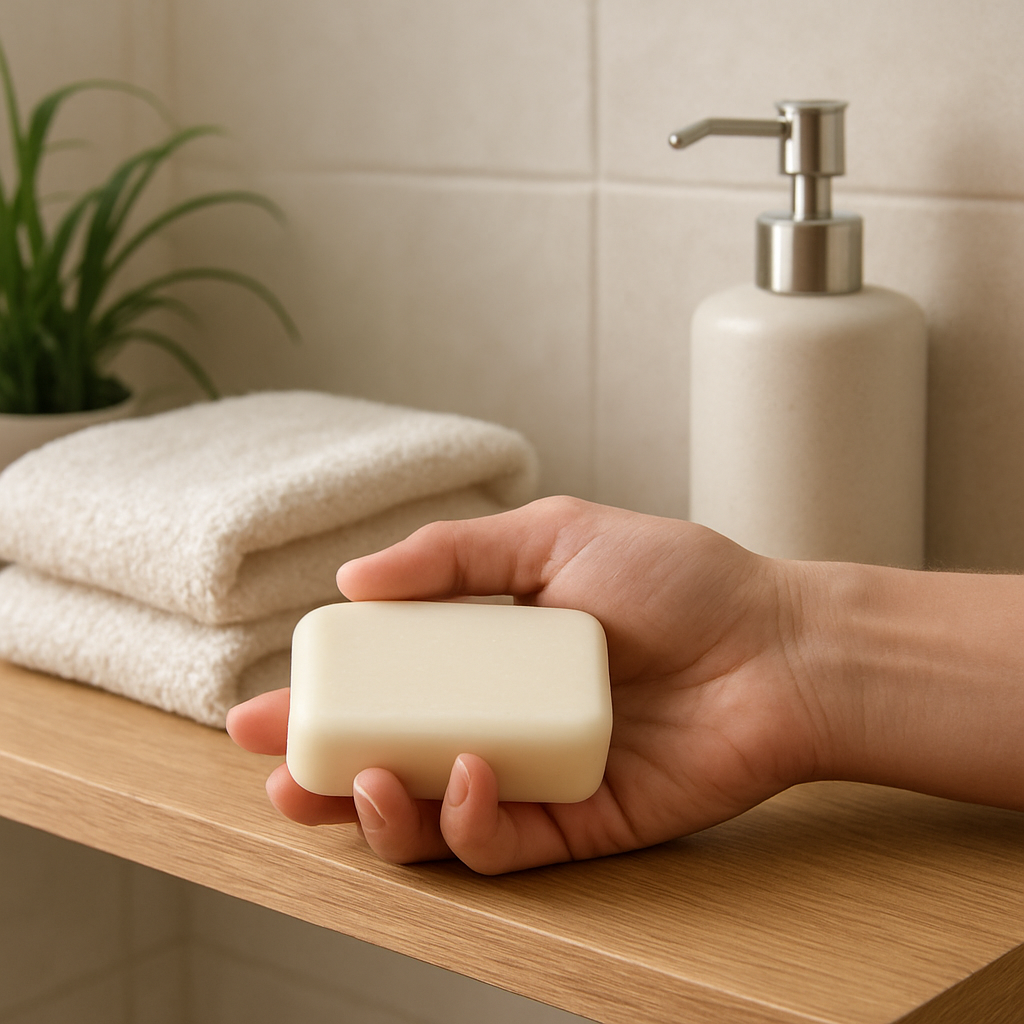
In short, unscented soap isn’t just a marketing buzzword; it’s a functional ally for anyone whose skin rebels at the slightest provocation. By stripping out hidden fragrances, choosing soothing bases, and supporting overall wellness, you give your skin the breathing room it craves.
Key Ingredients to Look for in Unscented Soap
When you skim the back of a bar, what you see matters more than the scent you can’t smell. The ingredients list is basically a cheat sheet for how gentle (or harsh) a soap will be on sensitive skin. Let’s walk through the handful of ingredients that should make the cut for an truly soothing, unscented soap.
1. Mild, Plant‑Based Surfactants
Surfactants are the cleaning agents that lift dirt and oil off your skin. Traditional soaps often rely on sodium lauryl sulfate (SLS), which can strip natural lipids and leave a tight, itchy feeling. Instead, look for milder options like sodium cocoyl isethionate, decyl glucoside, or the classic potassium‑based surfactants found in castile soaps. These create a creamy lather without bulldozing the skin barrier.
For example, Dr. Bronner’s Baby Unscented Pure Castile Liquid Soap uses a blend of organic coconut, olive, and hemp seed oils that are saponified into gentle, plant‑derived surfactants. Users with eczema report that the soap rinses clean yet leaves a “soft‑after‑feel” instead of the squeaky dryness you get from harsher formulas.
2. Natural Moisturizers & Humectants
Even the mildest surfactant can create a tiny moisture gap. That’s why unscented soaps often pack in soothing moisturizers—think oat flour, goat‑milk proteins, honey, or shea butter. Oat is a classic anti‑itch powerhouse; its beta‑glucan fibers bind water and calm inflammation. Goat milk adds lactose and fatty acids that act like a built‑in lotion.
Our own oat‑based bar at Evolve Botanica layers finely ground oatmeal into the soap base. Customers say the bar leaves their hands feeling “like they’ve just been wrapped in a warm blanket" after a morning shower. The key is keeping the moisturizer percentage around 5‑10% of the total formula so it’s effective without feeling greasy.
3. Barrier‑Boosting Botanicals
Ingredients that reinforce the skin’s lipid wall are gold for sensitive types. Ceramide‑like lipids, natural oils (sweet almond, jojoba), and phytosterols help rebuild the brick‑and‑mortar barrier you mentioned earlier. When you wash with a soap that supplies these, you’re not just cleaning—you’re repairing.
Picture a dad who washes his toddler’s hands after a playground swing. A soap enriched with jojoba oil provides that extra slip‑resistant protection, reducing the chance of post‑play redness.
4. Minimal Add‑Ons & Clean Labeling
Anything that isn’t essential should be omitted. No dyes, no synthetic foaming agents, no masking fragrances. If you see “fragrance (parfum)” or “essential oil blend” even on an “unscented” product, skip it. Look for clear statements like “no added fragrance” and a short ingredient list—ideally under 10 components.
One quick rule of thumb: if you can’t pronounce half of the ingredients, it’s probably not the best choice for sensitive skin.
So, how do you turn this knowledge into a real‑world decision?
Actionable Checklist
- Read the label: Count the ingredients. Aim for ≤10.
- Spot the surfactant: Look for sodium cocoyl isethionate, decyl glucoside, or potassium‑based castile.
- Find a moisturizer: Oat, goat milk, honey, or shea butter should be listed.
- Check for barrier boosters: Jojoba oil, sweet almond oil, or ceramide‑like lipids.
- Confirm “no added fragrance” and no masking agents.
- Patch test on the forearm for 24 hours before full use.
Below is a quick side‑by‑side view of the most common ingredients you’ll encounter and what they actually do for your skin.
| Ingredient | Primary Role | Typical Source |
|---|---|---|
| Sodium Cocoyl Isethionate | Mild surfactant – gentle cleanse | Coconut‑derived fatty acids |
| Oat Flour / Oat Oil | Humectant & anti‑itch | Ground oatmeal or oat seed oil |
| Goat Milk Proteins | Moisture retention & soothing | Locally sourced goat milk |
| Jojoba Wax | Barrier‑strengthening lipid | Jojoba plant seed |
That table should help you compare at a glance. If a product checks most of these boxes, you’re likely looking at a genuinely skin‑friendly formula.
And because seeing is believing, here’s a short video that walks you through reading a soap label in real time. It shows exactly where to look for the ingredients we just discussed.
After watching, try the quick test below: grab a new unscented bar, lather a small patch on the inside of your wrist, wait a day, and note any redness or tightness. If the skin feels calm, you’ve found a winner. If not, keep scanning the label—there’s often a hidden irritant lurking in the fine print.
Bottom line: the right ingredients turn a simple wash into a mini‑spa for your skin, especially when you’re dealing with sensitivity. By focusing on mild surfactants, natural moisturizers, barrier‑supporting botanicals, and a clean label, you’ll give your skin the break it deserves while still getting a thorough clean.
How to Choose the Right Unscented Soap for Your Skin Type
Start with a quick skin check
Before you even glance at the label, pause and ask yourself: is my skin dry, oily, or somewhere in the middle? Do I tend to break out after a shower, or does my skin feel tight like it’s been stripped? Those little clues tell you what your barrier needs – a boost of moisture, a bit of oil, or just a super‑mild cleanse.
For dry or eczema‑prone skin, you want a formula that leans heavy on soothing moisturizers. If you’re more oily, a soap that rinses clean without leaving a film is the sweet spot. And if you’re somewhere in between, aim for a balanced blend of gentle surfactants and light humectants.
Step 1: Scan the surfactant
The surfactant is the cleaning engine. Look for names like sodium cocoyl isethionate, decyl glucoside, or the classic potassium‑based Castile. These are the “soft‑touch” options that lift dirt without pulling the skin’s natural oils.
If the ingredient list reads “SLS” or “SLES,” that’s a red flag – those can strip lipids and leave your skin feeling raw. A good rule of thumb: the shorter the surfactant name, the more plant‑derived it usually is.
Step 2: Spot the moisturizers
Even the gentlest surfactant creates a tiny moisture gap. That’s why you’ll see oat flour, goat‑milk proteins, honey, or shea butter in the best unscented bars. Oat’s beta‑glucan fibers are a natural anti‑itch, while goat milk adds lactose and fatty acids that act like a built‑in lotion.
In our experience, a moisturizer level of around 5‑10% of the total formula feels soothing without feeling greasy. If you see a long list of synthetic humectants, you might be better off with a more natural option.
Step 3: Check for barrier‑boosting botanicals
Ingredients like jojoba oil, sweet almond oil, or ceramide‑like lipids help rebuild the brick‑and‑mortar wall of your skin. Think of them as tiny brick‑laying assistants that fill gaps left by washing.
For example, a soap that adds a dash of jojoba wax can give oily skin that extra slip‑resistance without clogging pores. If you have very sensitive or compromised skin, prioritize these botanicals over anything that sounds “synthetic.”
Step 4: Verify the “no added fragrance” claim
Many manufacturers hide fragrance behind terms like “parfum” or “essential oil blend.” Even a tiny amount can trigger a reaction in sensitive skin. Look for the plain language “no added fragrance” and make sure the ingredient list doesn’t sneak in “fragrance (parfum).”
If you’re unsure, the Dr. Bronner’s Unscented Castile soap is a benchmark – it literally contains no essential oils and doubles the olive‑oil content for extra gentleness.
Step 5: Do a patch test
Grab a fresh bar, lather a small patch on the inside of your forearm, and wait 24 hours. No redness, no itching? You’re probably good to go. If you notice any flare‑up, move on – the skin will thank you for being picky.
Make a quick notebook entry: note the brand, the surfactant, the moisturizers, and how your skin feels after the test. Over a week of tracking, patterns emerge that help you zero in on the perfect match.
Step 6: Consider your whole routine
Even the best soap can feel harsh if you follow up with a high‑pH toner or wash with hot water. Aim for lukewarm water, rinse thoroughly, and seal in moisture with a light, fragrance‑free balm if needed.
And remember, the environment matters. Hard water can leave mineral deposits that make any soap feel gritty. If you suspect hard water, a simple rinse with distilled water after your shower can make a big difference.
Quick cheat‑sheet
- Surfactant: sodium cocoyl isethionate, decyl glucoside, or Castile‑type.
- Moisturizer: oat flour, goat‑milk protein, honey, shea butter (5‑10% of formula).
- Barrier boost: jojoba oil, sweet almond oil, ceramide‑like lipids.
- Fragrance: explicit “no added fragrance” statement.
- Patch test: 24‑hour forearm trial.
By walking through these steps, you’ll turn the often‑confusing soap aisle into a clear path toward a bar that actually respects your skin. The right unscented soap isn’t just a product – it’s a tiny, daily act of self‑care that keeps irritation at bay and leaves you feeling calm after every wash.
Top 5 Unscented Soap Brands Recommended for Sensitive Skin
Alright, you’ve read about surfactants, moisturizers, and the whole patch‑test routine. Now it’s time to look at the actual products you can hold in your hand. Below are five unscented soaps that consistently show up in dermatologist‑backed reviews and real‑world testing. Each one keeps the “no added fragrance” promise while still feeling soothing, not stripping.
Dove Sensitive Skin Beauty Bar
This bar is a quiet hero in the fragrance‑free aisle. Dove’s formula is mildly alkaline—just enough to clean without tearing the skin’s natural barrier. The bar leaves skin feeling neutral, not squeaky dry, which is why dermatologists often point to it as a safe starter for sensitive skin. Because it’s truly scentless, you won’t get that lingering “soap‑smell” that can still irritate. Read the full review on Cosmopolitan.
Tip: Pair it with a light, fragrance‑free moisturizer right after you towel off to lock in the gentle hydration.
Vanicream Fragrance‑Free Bar Soap
Vanicream has built a reputation for being a “no‑nonsense” brand—no dyes, no parabens, and absolutely no fragrance. The ingredient list is short, usually under ten items, and includes a modest amount of glycerin to keep the skin from feeling tight. Users with eczema and chronic dryness often call it a “warm hug” for their skin. Because it’s formulated for the most reactive complexions, it’s a solid pick if you’ve tried other bars that left you itchy.
Quick test: Lather a small patch on the inside of your wrist for 24 hours. If there’s no redness, you’ve likely found a winner. Cosmopolitan’s roundup also highlights Vanicream.
CeraVe Hydrating Body Wash
While it’s a liquid, CeraVe’s Hydrating Body Wash behaves like a creamy soap—rich, lotion‑like, and completely fragrance‑free. The formula is packed with ceramides, hyaluronic acid, and glycerin, which help restore the lipid barrier that sensitive skin often loses. In a pH‑balanced range (around 6.4), it cleans without over‑alkalizing, so you won’t feel that post‑shower tightness.
Because it’s a wash, it’s easy to control the amount you use—just a pea‑sized dollop is enough for a full body cleanse.
Aveeno Skin Relief Body Wash
Aveeno’s oat‑based wash is another dermatologist favorite. Colloidal oatmeal provides an anti‑inflammatory cushion, while the gentle surfactants keep the lather light. The product is technically fragrance‑free, though the oat base can give a faint, natural scent that most people with sensitive skin tolerate just fine. Its pH sits at a friendly 5, which aligns with the skin’s natural acidity.
If you love a subtle, soothing scent without the risk of synthetic perfume, this is a great compromise.
Dr. Bronner’s Baby Unscented Pure Castile Liquid Soap
For those who prefer an all‑plant, liquid option, Dr. Bronner’s Baby Unscented Pure Castile soap is a standout. Made from a blend of organic coconut, olive, and hemp seed oils, it saponifies into a mild surfactant that rinses clean without residue. The formula is free of fragrance, dyes, and synthetic preservatives, making it safe for both adult and toddler skin.
Because it’s liquid, you can dilute it for a gentle hand wash or use it as a base for a DIY bath soak.
Remember, the best unscented soap is the one that passes your personal patch test and fits into your daily routine without a second thought. Try one of these five, note how your skin reacts, and you’ll be one step closer to a sting‑free shower.
DIY Unscented Soap Recipes for Sensitive Skin
Okay, you’ve figured out why fragrance is the villain and you’ve got a handful of “good” bars on the shelf. What if you could craft your own, tailor‑made soap that’s truly fragrance‑free and perfectly suited to your skin’s quirks? Let’s roll up our sleeves and get a little messy – in the best way possible.
Recipe 1: Classic 50/50 Olive‑Coconut Castile (Cold‑Process)
This is the go‑to base we keep recommending at Evolve Botanica because it balances hardness, lather, and a silky feel. It’s all plant‑based, vegan, and totally unscented.
What you’ll need (makes about 4‑5 bars):
- 75 g olive oil
- 75 g coconut oil
- 28 g sodium hydroxide (lye)
- 71 g distilled water
- Optional: 1 tsp oat flour for extra soothing
Step‑by‑step:
- Measure the water in a heat‑proof jug, then slowly sprinkle the lye on top. Stir gently until dissolved. Set aside to cool (it’ll heat up fast).
- While the lye cools, melt the coconut oil, then add the olive oil. Let the oil blend reach a temperature similar to the lye solution – around 100‑110 °F.
- When both liquids are in the same temperature range, pour the lye water into the oil mixture. Use a stick blender on low until you reach “trace” – the batter thickens enough that a drizzle leaves a faint line on the surface.
- If you’re adding oat flour, stir it in now. It won’t add scent, but it gives a gentle anti‑itch boost.
- Pour the batter into a silicone mold, tap the mold to release air bubbles, and cover with a towel. Let it sit 24‑48 hours until firm.
- Unmold, cut into bars, and cure for 4‑6 weeks in a cool, dry spot. The curing lets the soap finish saponifying and the pH drop to skin‑friendly levels.
Why this works: coconut oil gives a bubbly lather, olive oil keeps the bar soft and moisturizing, and the lack of fragrance means there’s nothing to trigger a flare‑up.
Need a quick reference on the science behind cold‑process soap? Check out this helpful guide from Garden Therapy – it walks you through the same base without any added scents.
Recipe 2: Oatmeal Melt‑and‑Pour Bar (Super Easy)
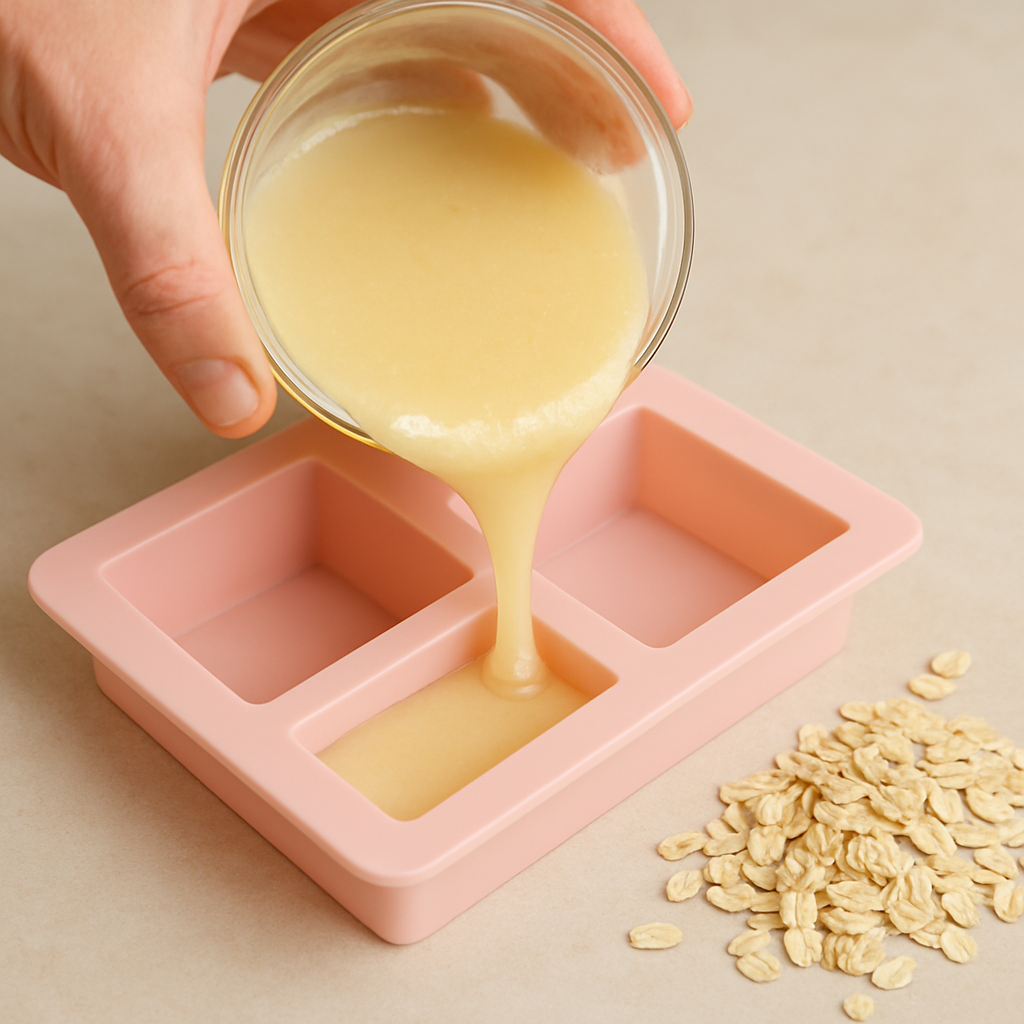
If you’re new to soapmaking or just want a fast result, melt‑and‑pour is your friend. Grab a plain, unscented melt‑and‑pour base (look for “no fragrance” on the label), then add a handful of finely ground oatmeal.
What you’ll need (one 2‑lb block yields about 8‑10 bars):
- 1 lb unscented melt‑and‑pour soap base
- 2 tbsp finely ground oat flour
- 1 tsp jojoba oil (optional skin‑boost)
Step‑by‑step:
- Cut the soap base into small cubes and pop them into a microwave‑safe bowl.
- Heat in 30‑second bursts, stirring between each, until fully melted.
- Stir in oat flour (and jojoba oil, if using) until smooth. Oat gives a calming, anti‑itch feel without any perfume.
- Pour the mixture into a silicone mold or a lined loaf pan. Tap the mold to settle the batter.
- Let it harden for a few hours (or pop it in the fridge for 1 hour if you’re impatient).
- Unmold and wrap each bar in parchment or a paper bag. Store in a cool, dry place.
This method skips the lye entirely, so there’s no risk of a chemical misstep – perfect for a weekend project. For more melt‑and‑pour basics, the Healthy Maven breaks down the process in plain language.
Recipe 3: Gentle Goat‑Milk Cold‑Process (For Extra Creaminess)
When you’re looking for that buttery, milk‑kissed feel, goat‑milk soap is a winner. The milk adds lactose and natural fats that act like a built‑in moisturizer, and because we’re keeping the formula unscented, you avoid the hidden perfume that can lurk in “milk‑scented” bars.
What you’ll need (makes 4‑5 bars):
- 70 g olive oil
- 30 g shea butter
- 30 g coconut oil
- 20 g goat‑milk powder (or 30 ml fresh goat milk, frozen in ice cubes)
- 28 g sodium hydroxide
- 71 g distilled water
Step‑by‑step:
- Combine lye with water (always lye into water) and set aside to cool. If you’re using fresh goat milk, freeze it in ice‑cube trays first – the cold slows the lye reaction.
- Melt the shea butter and coconut oil, then add olive oil. Let the oil blend cool to about 100 °F.
- When both liquids are in the same temperature window, pour the lye solution into the oils. Blend to trace.
- At trace, whisk in the goat‑milk powder (or frozen milk cubes). Keep mixing gently – you’ll see a creamy swirl.
- Pour into molds, cover, and let sit 24‑48 hours. Then cure for 4‑6 weeks.
The goat‑milk version is especially nice for dry or eczema‑prone skin because the proteins help reinforce the barrier without any fragrance to irritate.
Tip: after you’ve cured the bars, do a quick patch test on the inner forearm. No redness after 24 hours? You’ve got a winner.
Remember, the beauty of DIY is you control every ingredient. If you ever feel a formula is too drying, swap a bit of coconut for extra olive or add a dash more oat flour.
Conclusion
After wandering through surfactants, moisturizers, and DIY recipes, you probably feel a bit more confident picking an unscented soap for sensitive skin.
Remember, the magic isn’t in a fancy scent – it’s in the simplicity of the formula: a gentle plant‑based surfactant, a soothing humectant like oat or goat milk, and a clear “no added fragrance” label. If those boxes are checked, you’ve already filtered out most irritants.
So, what’s the next step? Grab a bar that meets the checklist, do a quick 24‑hour patch test on your forearm, and note how your skin reacts. No redness, no itch? You’ve found a winner. If you notice any flare‑up, tweak the formula – maybe swap a touch of coconut oil for more olive oil or add a sprinkle of oat flour.
In our experience at Evolve Botanica, customers who stick to these basics report calmer skin within a week and say they finally enjoy their showers again.
Take a moment now to look at the soaps in your cabinet. Are they truly unscented, or are they hiding fragrance under “essential oil blend”? Toss the culprits, keep the gentle ones, and give your skin the break it’s been begging for.
Ready to make the switch? Your skin will thank you, and you’ll walk out of the bathroom feeling refreshed, not irritated.
FAQ
What makes a soap truly unscented for sensitive skin?
When a bar says “unscented” it should mean no fragrance chemicals, masking agents, or essential‑oil blends are hiding in the formula. Look for a plain “no added fragrance” statement on the label and scan the ingredient list for anything that sounds like parfum, aroma‑term, or essential‑oil. A truly unscented soap sticks to a short list of mild surfactants, natural moisturizers (like oat or goat‑milk) and clean‑label additives only.
Can I use an unscented soap on my face as well as my body?
Yes, as long as the soap is formulated with gentle surfactants and hydrating ingredients, it’s safe for facial use. The skin on your face is thinner, so you’ll want a bar that avoids harsh alkalis and includes humectants such as oat flour or goat‑milk proteins. Patch‑test a small area on your cheek for 24 hours; if there’s no redness or tightness, you can confidently use it for both face and body.
How often should I patch‑test a new unscented soap?
Do a 24‑hour patch test each time you try a brand you’ve never used before. Even if the ingredient list looks familiar, manufacturers can change formulas without notice. Apply a thin slice of lathered soap to the inner forearm, rinse gently, and wait a full day. If you notice any itching, redness, or a burning sensation, skip that bar. Re‑testing is especially wise after a seasonal reformulation.
Is there a difference between “fragrance‑free” and “unscented”?
“Fragrance‑free” is a marketing term that can still include masking agents that neutralize other odors, while “unscented” should mean the formula contains zero added scent molecules. The safest route is to verify the label says “no added fragrance” and that the ingredient list lacks any “parfum” or “essential oil blend.” When in doubt, choose a product that explicitly states it’s fragrance‑free and lists only the core ingredients.
What ingredients should I avoid in an unscented soap for sensitive skin?
Steer clear of sodium lauryl sulfate (SLS) or sodium laureth sulfate (SLES), which strip natural oils. Also avoid synthetic dyes, parabens, and any listed “fragrance (parfum).” Even natural essential‑oil blends can be irritating for very reactive skin, so if you see “essential oil blend” on an “unscented” label, it’s a red flag. Stick to simple bases like olive oil, coconut oil, oat flour, and goat‑milk.
How long does it take for my skin to adjust to a new unscented soap?
Most people notice a difference within a week of consistent use. The skin barrier begins to rebuild as harsh surfactants are removed and moisturizing ingredients start to replenish lipids. If you still feel tight or notice occasional flare‑ups after 10‑14 days, consider swapping the bar for one with a higher moisturiser percentage (around 8‑10 % oat or shea butter).
Can I make my own unscented soap at home and expect the same results?
Absolutely. A basic cold‑process recipe using 50 % olive oil, 30 % coconut oil, and a touch of oat flour delivers a mild, fragrance‑free bar. Just be sure to keep the lye‑water temperature low and cure the soap for at least four weeks so the pH drops to a skin‑friendly range (around 7–8). Homemade bars let you control every ingredient, eliminating hidden scent additives entirely.
0 comments