

Imagine stepping into the shower and the first thing that hits you is the sweet, warm scent of honey swirling around your skin.
Sounds like a spa day, right? That's the power of the benefits of honey in soap – a simple ingredient that does way more than just smell good.
Honey is a natural humectant, meaning it pulls moisture from the air into your skin instead of stripping it away. In a bar of soap that property translates to a softer, more hydrated clean that leaves you feeling supple rather than tight.
But there's more than moisture. Honey's enzymes gently exfoliate dead skin cells, while its natural sugars act like a mild scrub without the grit of traditional exfoliants. Think of it as a subtle polish that brightens your complexion over time.
On the antibacterial front, honey has been used for centuries to fight off microbes. When it's baked into a soap bar, those same antimicrobial peptides help keep break‑outs at bay and reduce the chance of post‑shave irritation.
And let's not forget antioxidants. The flavonoids and phenolic acids in honey neutralize free radicals, which means regular use can support a more even tone and slower signs of aging.
In our experience at Evolve Botanica, the honey‑oatmeal soap we craft combines these benefits with soothing oatmeal and creamy goat milk. Customers often tell us they notice smoother elbows and a calmer feel after just a few washes – not because we promised it, but because the science backs it up.
So, are you curious how a single ingredient can turn an everyday routine into a little act of self‑care?
Stick around, because the next sections will break down each benefit, show you how to choose the right honey‑infused bar, and share simple tips to get the most out of your cleansing ritual.
Ready to feel the honey difference?
TL;DR
Discover how the natural humectant, gentle exfoliation, and antibacterial power of honey turn an everyday soap into a soothing, skin‑loving ritual.
We’ll break down each benefit, show you how to pick the right honey‑infused bar, and share simple tips so you can enjoy softer, brighter skin fast in your daily routine.
1. Natural Moisturizing Power of Honey
Ever notice how a bar of honey‑infused soap leaves your skin feeling like it just got a sip of water? That's the humectant magic at work – honey draws moisture from the air right into the outer layer of skin, so you don't walk out of the shower feeling tight or stripped.
But it’s not just a one‑off splash of hydration. The sugars in honey bind water molecules, creating a lightweight barrier that keeps the moisture where it belongs. Think of it like a tiny sponge that stays glued to your skin, releasing a steady stream of softness throughout the day.
1️⃣ Honey’s natural sugars act like a micro‑moisture locker
When you lather up, the glucose and fructose in honey mingle with the water on your skin. Those sugars have an affinity for water, so they essentially “hold hands” with it, preventing evaporation. The result? Your skin stays plump, and that post‑shave glow becomes a daily habit.
2️⃣ It’s gentle enough for the delicate face, tough enough for the elbows
Because honey is a natural humectant, you can use the same bar on both your face and those stubbornly dry elbows without fear of irritation. It’s like having a multi‑tasker in your bathroom cabinet – no need for separate moisturizers.
In our experience, customers who switch to a honey‑rich bar notice less redness after a shave. It’s not a miracle cure, but the combination of moisture‑locking sugars and mild antimicrobial peptides creates a soothing environment for skin that’s been roughed up.
3️⃣ Honey teams up with other botanicals for a boost
Pair honey with oatmeal, goat milk, or even a dash of turmeric, and you get a synergistic blend that amplifies hydration. If you’re curious about a specific combo, check out Honey Oatmeal Soap Benefits: Why This Natural Cleanser Works Wonders – it breaks down exactly how those ingredients work together.
And here’s a fun side note: the same humectant principle is why many natural hair conditioners add honey. The science is consistent across skin and hair – moisture loves honey.
Now, you might be wondering, “Is honey enough on its own, or do I need a whole routine?” The answer is both. A honey‑infused soap gives you an instant moisture boost, but pairing it with a light moisturizer seals the deal. Think of the soap as the first sip of water and the cream as the full bottle you carry with you.
While we’re talking natural wellness, it’s worth noting that the same philosophy of using nature‑derived ingredients extends beyond skincare. If you’re interested in broader natural health solutions, you might explore natural metabolic wellness solutions that complement a skin‑friendly routine.
And for those who view self‑care as a holistic practice, consider checking out proactive health programs. They emphasize lifestyle habits that keep your skin, body, and mind in sync – a perfect match for a honey‑rich shower ritual.
Quick tip: after you wash, pat your skin gently with a soft towel instead of rubbing. That extra minute of care helps the honey‑derived moisture stay where it belongs.
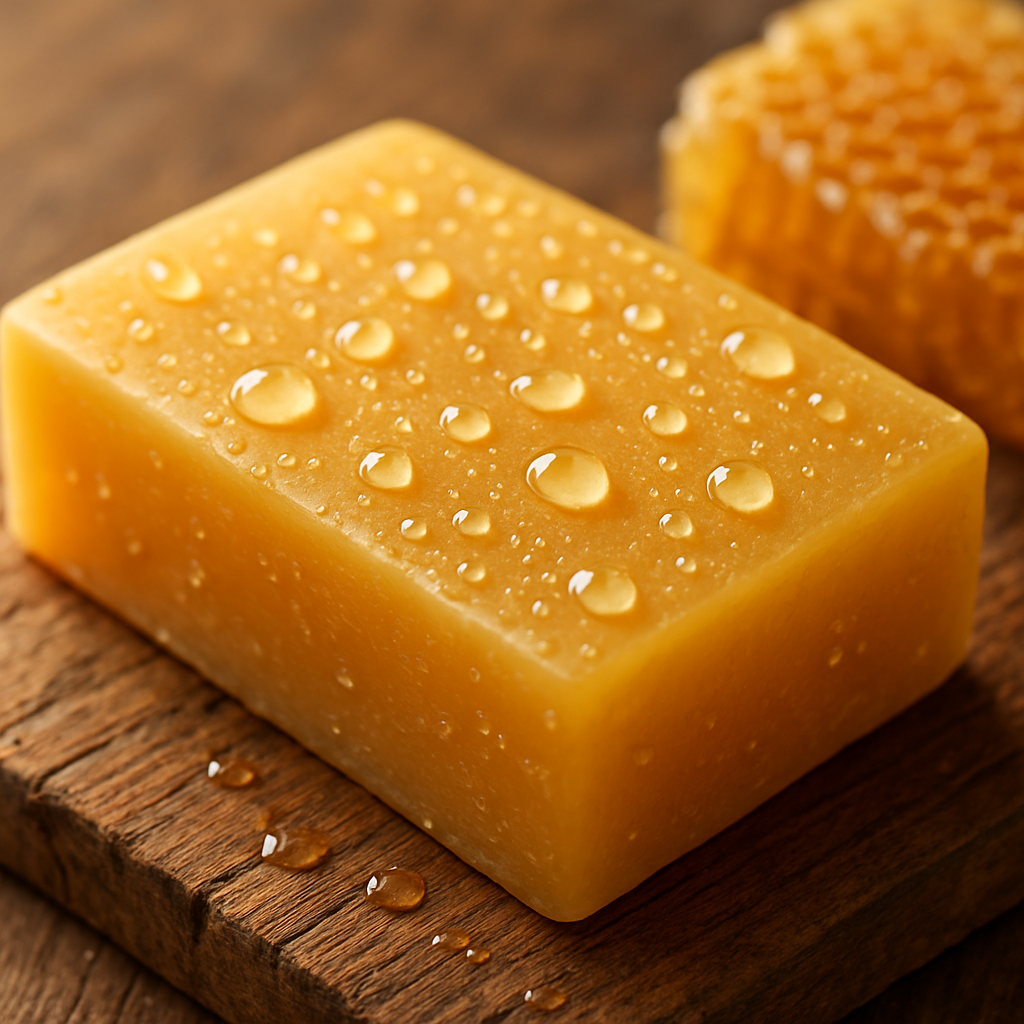
Bottom line? If you want a simple, effective way to boost hydration without loading on synthetic chemicals, honey‑infused soap checks all the boxes. It’s affordable, easy to incorporate, and backed by centuries of natural use. So go ahead, let a bar of honey‑laced goodness turn your daily cleanse into a mini‑spa experience.
2. Antibacterial and Acne‑Fighting Properties
1. Honey’s natural antimicrobial arsenal
When you lather a honey‑infused bar, you’re not just getting a sweet scent—you’re inviting a cocktail of enzymes, hydrogen peroxide, and low‑pH sugars that actively suppress skin‑invading microbes. Those same compounds have been used for centuries to treat wounds, and modern labs confirm they can neutralise Propionibacterium acnes, the bacterium that fuels most break‑outs.
Medical‑research summaries note that honey generates hydrogen peroxide on contact, giving it a built‑in antibacterial punch that many synthetic cleansers lack MedicalNewsToday explains. The result? Less inflammation, fewer clogged pores, and a calmer post‑shave feel.
2. Real‑world acne‑fighting stories
One of our regular shoppers, a busy teacher who juggles early mornings and late grading sessions, told us she switched to our honey‑oatmeal soap after a stubborn hormonal flare. Within two weeks she noticed fewer red bumps on her chin and a reduction in that “tight, dry” feeling that often follows harsh foaming cleansers. She didn’t claim a miracle, but the steady decline in break‑outs matched what she’d read about honey’s antimicrobial action.
Another anecdote comes from a DIY enthusiast who follows the honey‑washing routine outlined on Kale & Caramel. She reports that using raw honey a few times a week “cleared up the occasional pustule without any stinging” – a testament to how the same principles work whether the honey is in a jar or baked into a bar.
3. How honey tackles the three main acne triggers
- Bacterial overload: The peroxide‑rich enzymes keep P. acnes populations in check, meaning fewer flare‑ups after a workout or a stressful day.
- Excess oil: Honey’s gentle humectant action draws excess sebum into the surface film, where it can be rinsed away instead of sitting in pores.
- Inflammation: Anti‑inflammatory flavonoids calm the skin’s redness, making any lingering blemish look less angry.
Because the bar still contains mild surfactants, it lifts dirt without stripping the skin’s natural lipid barrier—something that over‑drying acne soaps often fail at.
4. Actionable steps to maximise the antibacterial boost
- Wet your skin with lukewarm water (hot water can denature the enzymes).
- Rub the honey bar between palms until you see a light foam; this ensures the honey’s peptides are fully activated.
- Massage gently for 30–45 seconds, focusing on the T‑zone and any existing blemishes. Let the honey sit for an extra 15 seconds before rinsing.
- Pat dry with a soft towel—don’t rub. The lingering honey film continues to work for a few minutes after you’re out of the shower.
Doing this routine once nightly is enough for most skin types; if you’re oily, you can repeat in the morning, but avoid over‑cleansing.
5. When honey isn’t enough
If you’ve tried the honey bar for a month and still see stubborn cystic lesions, it might be time to pair it with a targeted spot treatment or consult a dermatologist. Honey is fantastic for mild‑to‑moderate break‑outs, but severe acne often needs prescription‑grade ingredients.
That said, many people find they can cut back on harsher chemical cleansers once they’ve built a habit with honey‑infused soap, which reduces overall irritation and helps the skin’s natural defenses stay strong.
6. Quick “honey‑check” before you buy
Look for bars that list “raw, unfiltered honey” near the top of the ingredient list. The higher the honey content, the more antimicrobial power you’ll get. Avoid soaps that hide honey behind a long list of synthetic surfactants—those dilute the benefit.
And remember: a little goes a long way. One 4‑oz bar can last a month for a single user, making it an economical addition to any acne‑care routine.
3. Gentle Exfoliation and Skin Renewal
Ever notice how some soaps feel like sandpaper while others just glide on your skin? That moment of recognition is the difference between harsh, abrasive scrubs and the subtle, enzyme‑powered polish honey gives you.
1. Enzyme‑rich micro‑exfoliation
Raw honey isn’t just sweet – it’s packed with living enzymes that loosen the “glue” holding dead skin cells to the surface. When you lather a honey‑infused bar, those enzymes start to work, gently dissolving the bond so the cells lift away without any gritty grit. The enzyme‑based honey peel from Beauty & The Bees explains how papain, malic acid and other natural enzymes do the heavy lifting while staying super mild.
So, what does that feel like? Imagine a soft, buttery foam that whispers “I’ve got this” instead of shouting “scrub, scrub”. Your skin gets a fresh, even texture without that tight, stripped sensation.
2. Sugar crystals for a whisper‑soft scrub
Honey’s natural sugars act like microscopic beads. They’re tiny enough to buff away dull cells, yet large enough to stay suspended in the lather instead of grinding your skin. Because the sugars dissolve in water, they rinse cleanly, leaving no gritty residue.
Think about the last time you used a traditional exfoliating scrub that left a faint sand‑like film. With honey‑soap, that film never shows up – the result is a smooth canvas ready for the next step in your routine.
3. Gentle renewal without compromising moisture
Most exfoliants strip away the skin’s natural oils, which can lead to rebound oil production or irritation. Honey, however, is a humectant too. While it’s exfoliating, it also draws water into the outer layer, keeping the skin supple.
That’s why you’ll notice a “glow‑after‑shower” instead of a “red‑after‑shower”. The dual action means you get cell turnover without the dreaded dryness.
4. Boosts collagen‑supporting antioxidants
Enzymatic exfoliation uncovers fresher cells, and the antioxidants in honey (flavonoids and phenolic acids) protect those new cells from oxidative stress. The combo helps maintain collagen integrity, so the skin not only looks brighter but stays firmer over time.
Ever wonder why a regular honey bar can make your elbows feel softer after a week? It’s that same antioxidant shield working underneath the surface.
5. Easy “once‑or‑twice‑a‑week” routine
Because the exfoliation is so gentle, you don’t need to over‑do it. A quick 30‑second massage with the bar in the palm, followed by a rinse, is enough. For most skin types, repeating this two times a week keeps the skin renewal cycle humming without over‑stimulating.
Tip: If you have especially sensitive skin, start with once a week and watch how your skin responds. You’ll feel confident adjusting the frequency without guessing.
6. Real‑world proof from raw‑honey fans
DIY enthusiasts and natural‑skincare lovers often share that a simple honey mask can smooth rough patches in just a few uses. The Huckle Bee Farms blog points out that raw, cold‑strained honey retains its enzymes and antioxidants, making it a “living” ingredient that supports gentle exfoliation and healing in everyday routines.
So, does that mean you can ditch all other scrubs? Not necessarily, but you can definitely swap the harshest ones for a honey‑infused bar and still get that polished look.
Quick checklist
- Wet skin with lukewarm water – heat kills enzymes.
- Rub the bar between palms until you see a light foam.
- Massage for 30‑45 seconds, focusing on forehead, chin, and any dull spots.
- Rinse, then pat dry; let the lingering honey film keep moisturizing.
- Use 1–2 times weekly; increase only if your skin feels comfortable.
Bottom line: gentle exfoliation and skin renewal are two sides of the honey‑powered coin. By choosing a soap that leverages honey’s natural enzymes and sugars, you get a soft, radiant complexion without the irritation that comes from conventional scrubs. Give it a try and notice the subtle glow that appears the day after you shower.
4. Anti‑Inflammatory Relief for Sensitive Skin
We've all had that moment when you step out of the shower and your skin feels like it's auditioning for a fireworks show – red, itchy, ready to snap at the slightest touch. If you’ve ever wondered whether a simple bar of soap could actually calm that drama, you’re in the right place.
Honey isn’t just a sweetener; it’s a natural anti‑inflammatory powerhouse. When it’s baked into a soap, those soothing compounds stay active, delivering a gentle hug for sensitive skin every time you lather up.
1. Enzyme‑Driven Calm
Raw honey is packed with enzymes like glucose oxidase that slowly release hydrogen peroxide, a mild antiseptic that also reduces inflammation. In a soap bar, these enzymes work at skin‑level, easing that tight, post‑shave sting without stripping your natural oils.
Think of it as a tiny, friendly nurse inside the foam, quietly telling redness to back off.
2. Lavender & Oatmeal Synergy
Pairing honey with calming botanicals amplifies the anti‑inflamatory effect. Lavender essential oil has well‑documented soothing properties, while colloidal oatmeal forms a protective barrier that locks in moisture.
That combo is why Eczema Honey Gentle Oatmeal and Lavender Soap is a go‑to for anyone battling eczema or everyday skin sensitivity. Users report less itching and a noticeable softening after just a few washes.
3. Moisture‑Locking Humectancy
Honey’s natural sugars act like a magnet for water molecules, pulling humidity from the air right onto your skin. The result? A lingering, breathable film that keeps the skin hydrated and less prone to the flare‑ups that come from dryness.
When your skin stays moisturized, the inflammatory cascade has fewer triggers to fire up.
4. Antioxidant Shield
Flavonoids and phenolic acids in honey neutralize free radicals – the sneaky culprits that aggravate inflammation over time. Even a short shower with a honey‑infused bar gives your skin a daily dose of antioxidant protection.
That’s why regular users often notice a calmer complexion, especially during seasonal changes when skin tends to react more.
5. How to Maximize the Soothing Benefits
1. Use lukewarm water – hot water can denature the enzymes.
2. Rub the bar between your palms until you see a light, creamy foam; this activates the honey’s bio‑active compounds.
3. Massage gently for 30‑45 seconds, focusing on any red or irritated patches. Let the foam sit for an extra 10 seconds before rinsing – the longer contact time lets the anti‑inflammatory agents do their work.
4. Pat dry with a soft, 100% cotton towel instead of rubbing; you don’t want to disturb the protective honey film.
Doing this routine once or twice a week is usually enough for most sensitive skins; if you notice extra calm, you can repeat in the mornings.
Quick Decision Table
| Feature | Benefit for Sensitive Skin | How to Use |
|---|---|---|
| Raw honey enzymes | Reduces redness and post‑shave irritation | Lather with lukewarm water, let foam sit 15‑seconds |
| Lavender essential oil | Calms itching and provides a soothing scent | Massage into flare‑prone areas, avoid heavy rubbing |
| Colloidal oatmeal | Creates a moisture‑locking barrier | Rinse gently, pat dry, don’t strip |
Bottom line: if you’ve been searching for a gentle, everyday solution that actually quiets inflammation, honey‑infused soap checks all the boxes. It hydrates, calms, and protects without the harsh chemicals that often trigger a reaction.
Give it a try for a couple of weeks, and you’ll likely notice that familiar “post‑shower glow” without the accompanying flare‑ups. Your skin will thank you – and you’ll finally feel confident that the soap in your bathroom is working for you, not against you.
5. Boosted Lather and Luxury Feel
When you step into the shower, the first thing you notice isn’t the temperature—it’s the texture of the foam. A rich, buttery lather can turn a mundane rinse into a moment of indulgence, especially when you’ve got sensitive skin that craves gentleness.
That’s where honey steps in. Its natural sugars act like a built‑in thickener, letting the soap generate more bubbles without needing harsh detergents. The result? A cushiony cloud that hugs your skin while delivering honey’s soothing enzymes right where inflammation likes to hide.
Ever wonder why some soaps feel like a cloud of buttery foam while others leave you with a thin, barely‑there rinse? That’s the difference between ordinary surfactants and a honey‑infused formula that actually cares about your skin.
1. Honey creates a richer, creamier lather
When honey meets water, its natural sugars and glycerin turn the suds into a silky cascade. The sugars act as humectants, trapping moisture in each bubble so the foam stays plush longer. In practice, you’ll notice the lather clinging to your skin like a soft veil instead of disappearing the second you rinse.
2. Wool sea sponge amplifies the luxury
Pairing honey‑rich soap with a natural wool sea sponge adds a gentle mechanical boost. The sponge’s micro‑fibers create extra lift, turning a simple wash into a mini‑spa experience. The combination feels indulgent without any harsh scrubbing.
For a concrete example, check out this luxury deep‑lathering honey soap that blends milk, honey, and a wool sea sponge for that “hug” feeling every time you lather.
3. The lather becomes a delivery vehicle
Because honey‑laden bubbles hold water, they also carry the skin‑soothing enzymes deeper into the pores. The longer the foam stays on the surface, the more time those anti‑inflammatory compounds have to work. Think of the lather as a tiny, fragrant carrier delivering calm right where you need it.
4. Sensory luxury that slows down your routine
When you pause to watch the golden foam rise, you’re giving yourself a moment of mindfulness. That sensory pause tricks your brain into feeling more relaxed, which often translates into softer, less reactive skin. It’s the same principle as a scented candle – the ritual matters as much as the result.
5. Practical tips for maximizing the plush feel
• Use lukewarm water. Hot water evaporates the honey too quickly; lukewarm keeps the bubbles plump.
• Scrape a thin layer of soap into the palm before adding water. This pre‑mix lets the honey dissolve fully, producing a denser foam.
• Let the lather sit for 10‑15 seconds before rinsing. That tiny wait lets the honey‑infused bubbles do their work without being rushed away.
• If you have a wool sea sponge, moisten it first, then glide the soap across it. The sponge’s texture multiplies the foam, turning a quick wash into a luxurious mini‑massage.
So, does a richer lather really make a difference? Absolutely. It changes the whole shower experience from “just cleaning” to “self‑care ritual,” and it gives honey more time to share its soothing benefits with your skin.
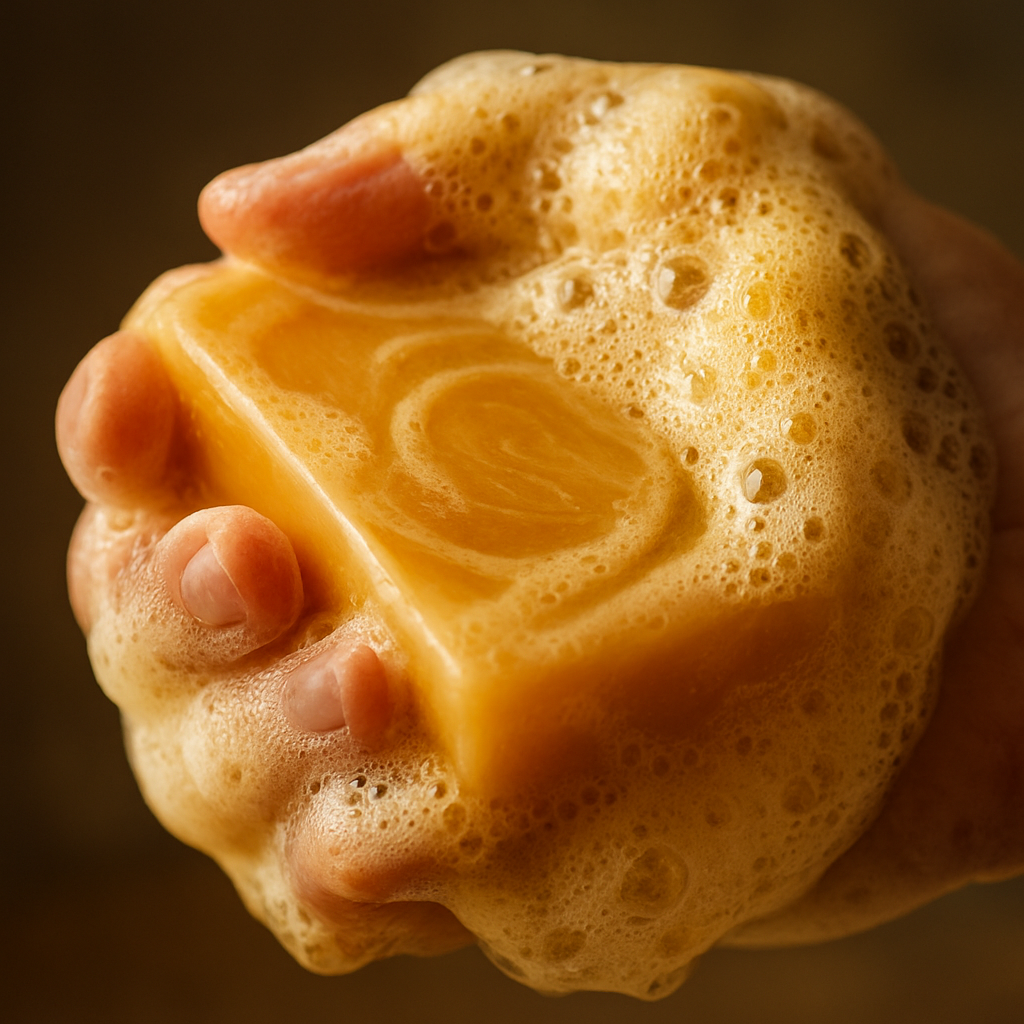
Next time you reach for a bar, give it a minute to build that luxurious foam. You’ll notice not just a cleaner complexion, but a calmer, more pampered feeling that lasts long after you step out of the shower.
6. Natural Preservative Qualities Extend Shelf Life
Ever opened a new bar of soap only to find it dry, crumbly, or smelling off after a few weeks? That’s the moment you wish the product had a built‑in guardian against decay. With honey in the mix, the soap gets exactly that – a natural preservative army that keeps things fresh longer.
1. Low water activity, high protection
Honey is about 80% sugar and only a tiny fraction of free water. Those sugars bind water molecules so tightly that microbes can’t use them to grow. When honey is baked into a soap bar, it creates a low‑water‑activity environment, which is basically a “no‑entry zone” for bacteria and mold.
2. Antimicrobial enzymes stay active
Raw honey carries enzymes like glucose oxidase that slowly release hydrogen peroxide when they meet moisture. In a soap bar, that enzymatic action continues each time you lather, giving a gentle antimicrobial boost every wash. It’s like having a tiny, natural sanitizer built right into the foam.
3. Reduces the need for synthetic preservatives
Most commercial soaps rely on parabens, phenoxyethanol, or other synthetic additives to stay stable. Those chemicals can irritate sensitive skin or raise eyebrows among clean‑beauty fans. By letting honey do the heavy lifting, you can keep the ingredient list short and skin‑friendly, which many of our customers appreciate.
4. Helps lock in fragrance
Essential oils love to evaporate, especially when a soap sits on a shelf for months. Honey’s viscous texture creates a protective matrix that slows down that evaporation, meaning the citrus, lavender, or rosemary notes stay true longer. You’ll still get that “first‑use” aroma even after the bar has aged.
5. Extends product safety for travel and gifting
Because honey‑infused soaps resist microbial growth, they’re a reliable choice for holiday gifts or for packing in a gym bag. No one wants a soap that goes sour mid‑trip, and the natural preservative power means you can hand a bar to a friend without worrying about spoilage.
6. Practical tips to maximise shelf life
• Store bars in a dry, well‑ventilated place – a soap dish with drainage is ideal.
• Keep the bar away from direct sunlight; UV can break down both honey and essential oils.
• If you make your own batches, add a thin drizzle of extra honey on the surface before curing; that extra sugar layer forms an extra barrier.
• Trim any softened edges with a clean knife; exposed flesh can absorb moisture faster.
So, does honey really make a soap last longer? In our experience, the honey‑rich bars we craft stay usable and fragrant for at least three to four months, compared to a month or two for many conventional soaps. That extra time not only saves money but also means you get more of those calming, honey‑sweet showers before the bar says goodbye.
Pro tip: slip a small silica gel packet into your soap drawer – it absorbs excess humidity without touching the bar, keeping the honey from getting soggy.
Next time you’re eyeing a new soap, ask yourself: do I want a bar that fights microbes, holds its scent, and skips the synthetic cocktail? If the answer is a resounding yes, you’ve just found one of the biggest hidden benefits of honey in soap.
FAQ
What are the main benefits of honey in soap for my skin?
Honey‑infused soap does more than smell sweet. First, the natural sugars act as a humectant, pulling moisture from the air so your skin stays hydrated after you rinse. Second, raw honey contains enzymes and hydrogen‑peroxide that give the bar a mild antibacterial edge, which can help keep break‑outs at bay.
Third, the tiny sugar crystals provide a gentle, grit‑free exfoliation that smooths rough patches without stripping oil. Fourth, flavonoid antioxidants fight free‑radicals, supporting a more even tone. Finally, honey’s low water activity slows microbial growth, so the bar stays fresh longer.
How does honey keep a soap bar from getting soggy or moldy?
Honey’s sugar matrix ties up water molecules, leaving barely any free moisture for mold to feed on. Those same sugars create a high‑solids environment that’s inhospitable to bacteria, which is why a honey bar can sit on a shelf for three to four months without turning mushy.
The enzymes in raw honey also release a tiny amount of hydrogen peroxide each time the soap meets water, adding a natural preservative boost. To keep the bar at its best, store it in a well‑ventilated soap dish, away from direct sunlight, and avoid leaving it in a damp drawer.
Can honey‑infused soap help with acne, and how should I use it?
Yes, honey can be a gentle ally in an acne routine. The peroxide‑rich enzymes target the bacteria that spark most break‑outs, while the humectant property draws excess oil to the surface where it rinses away.
To make the most of it, wet your skin with lukewarm water, rub the bar between your palms until you see a light foam, and massage the lather onto the T‑zone and any active spots. Let the foam sit for about 15 seconds before rinsing, then pat dry so the remaining honey film continues to work for a few minutes.
Is honey safe for sensitive or allergy‑prone skin?
Raw honey is generally safe for most skin types, but if you have a known bee‑product allergy you should skip it. For sensitive skin that reacts to fragrance or harsh surfactants, honey can actually be soothing because it moisturizes and reduces redness without adding irritants.
We always recommend a quick patch test: dab a tiny dab of the soap on the inside of your forearm, wait 15‑20 minutes, and see if any itching or swelling appears. If the skin feels calm, you’re good to go; if not, look for a fragrance‑free, honey‑free alternative.
How often should I replace a honey soap compared to regular soap?
A honey‑rich bar can outlast a conventional soap by a good margin. Because the honey creates a low‑water‑activity core, you’ll notice the bar staying firm for three to four months under normal use, whereas a typical commercial bar may start to crumble after a month or two.
Keep an eye on the surface – when it begins to feel soft, develop a mildewy odor, or lose its scent, it’s time to retire it. As a rule of thumb, swap out the bar once you’ve used about 80 % of its weight; that usually translates to a fresh bar every 4‑6 weeks for one person.
Do I need to do anything special when lathering a honey soap to get the most out of it?
Getting the most out of honey soap is surprisingly simple. Start with lukewarm water – too hot will denature the enzymes, too cold won’t dissolve the sugars properly. Scrape a thin slice of the bar into your palm, add a splash of water, and rub until you see a creamy foam; that’s the honey activating.
Let the lather sit on your skin for 10‑15 seconds before rinsing so the antimicrobial peptides have time to work. Finally, pat dry with a soft cotton towel instead of rubbing, which preserves the lingering honey film for a few extra minutes of benefit.
Conclusion
So there you have it – the benefits of honey in soap go way beyond a sweet scent. From lasting hydration and a gentle antimicrobial shield to natural preservation that keeps the bar fresh, honey turns an everyday cleanser into a skin‑loving ritual.
We've seen how the enzymes keep breakouts at bay, how the sugars act like a soft exfoliator, and how the low‑water activity extends shelf life. All of that adds up to a bar that feels luxurious, lasts longer, and actually supports healthier skin.
Want to get the most out of your honey soap? Keep the water lukewarm, lather in your palms until you see a creamy foam, let it sit for a few seconds, then pat dry. That short pause lets the honey’s bio‑active compounds work their magic.
Ready to make the switch? Swing by our booth at Etowah Mills this Saturday or browse our handcrafted collection online. Give your skin the gentle, honey‑rich care it deserves, and notice the difference after just a week or two.
In our experience, the moment you start noticing that your skin stays supple longer, you’ll wonder how you ever lived without honey in your routine. A quick trick is to store the bar on a slatted soap dish; the airflow prevents excess moisture and keeps the honey‑infused formula at its peak.
0 comments