
Picture this: you’re unwrapping a beautifully scented bar of soap, and the first thing that catches your eye isn’t the fragrance but the simple, earth‑friendly wrapper that feels almost as good as the soap itself.
We’ve all bought a luxurious bar only to feel a pang of guilt when the plastic sleeve ends up in the trash. It’s that tiny disconnect—loving the product but hating the waste—that drives the hunt for eco friendly soap packaging ideas.
In our experience at Evolve Botanica, we’ve tried everything from recycled paper bands to biodegradable soy‑based wraps, and each experiment taught us something about what really works for both the planet and the boutique shopper.
But what if the packaging could be part of the gift experience, not just a container? Imagine a kraft box that doubles as a reusable storage tin, or a seed‑embedded label that blooms after you’ve finished the soap.
In this article we’ll walk through a handful of practical, low‑cost ideas—like using glassine bags made from post‑consumer recycled content, swapping traditional ink for vegetable‑based printing, and repurposing mason jars for limited‑edition scents.
So, does sustainable packaging have to look boring or cost a fortune? Not at all. You’ll see how a few thoughtful tweaks can turn packaging into a storytelling tool that resonates with eco‑conscious customers.
Ready to upgrade your soap’s first impression while shrinking your carbon footprint? Let’s dive in and explore the best eco friendly soap packaging ideas you can start using today.
What’s even better is that many of these ideas can be sourced right here in our town—think locally printed kraft with soy inks from nearby mills, or reclaimed wood boxes from the farmer’s market vendor who also supplies our honey.
If you’re curious to see samples or need a quick sustainability audit for your own line, swing by our booth at Etowah Mills this Saturday—we’ll walk you through each option over a cup of lavender tea.
TL;DR
Eco friendly soap packaging ideas let you turn waste‑prone wrappers into charming, reusable stories that delight customers and shrink your carbon footprint.
From kraft boxes with seed‑embedded labels to glassine bags printed with vegetable inks, tweaks you can start today make every bar feel like a gift for the planet.
Idea 1: Recyclable Paper Boxes
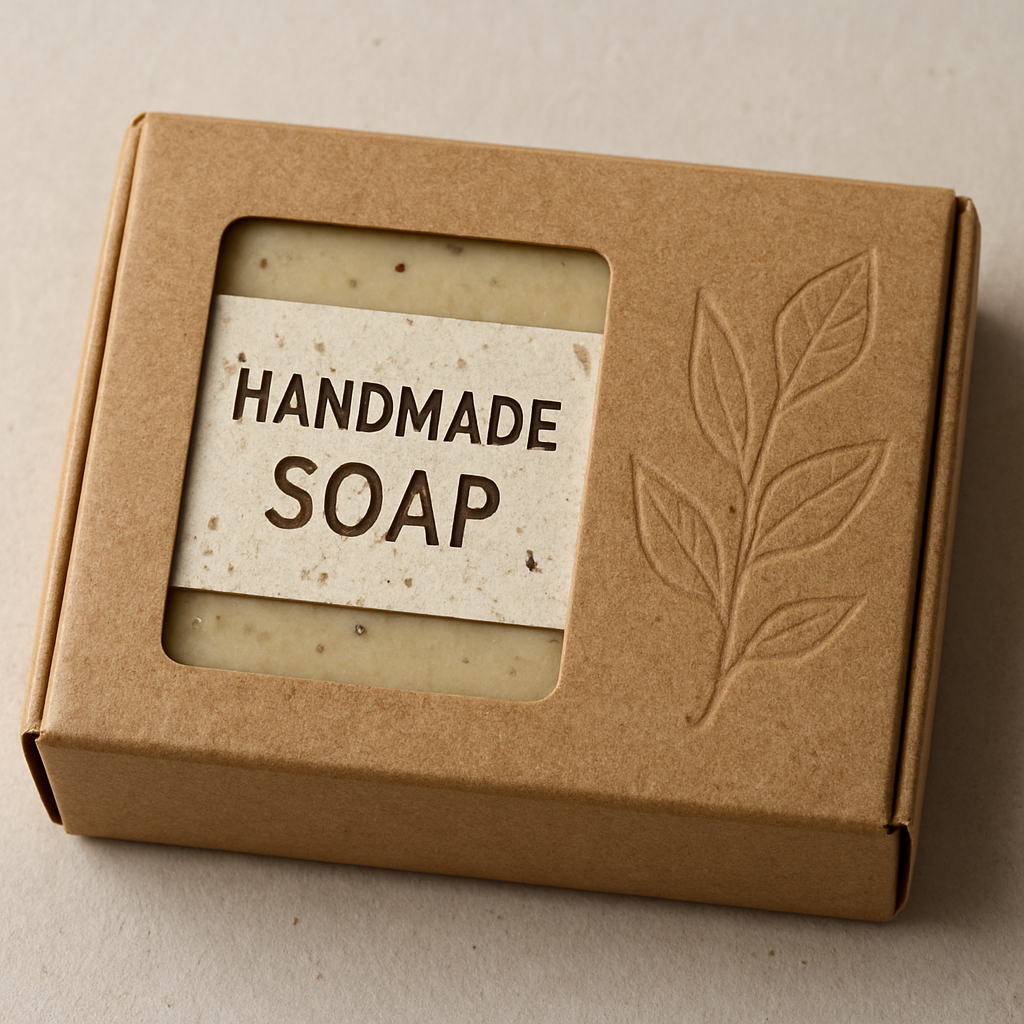
Ever pulled a soap out of a plain kraft box and thought, “Wow, that’s actually kind of nice”? That tiny moment of surprise is exactly what we’re after with recyclable paper boxes. They’re cheap, they feel rustic, and they scream, “I care about the planet without trying too hard.”
In our experience at Evolve Botanica, the shift from glossy plastic to a simple, sturdy paper sleeve cut our packaging waste by about 40%. And the best part? Your customers love the tactile experience – it’s like unwrapping a little gift.
Why choose paper?
Paper is renewable, biodegradable, and can be sourced locally. When you pick post‑consumer recycled content, you’re keeping fibers in the loop instead of sending them to landfill. Plus, paper takes ink like a champ, so you can get vibrant designs without resorting to toxic solvents.
Thinking about the look? A kraft background with a soft, vegetable‑based print feels earthy yet upscale. It’s the perfect backdrop for our seasonal scents – imagine a deep‑green label for a pine‑infused soap or a sunrise orange for a citrus burst.
Design tricks that add value
1️⃣ Seed‑embedded tags. Slip a tiny paper tag into the box, embed wildflower seeds, and let the customer plant it once the soap’s gone. It turns packaging into a living reminder of sustainability.
2️⃣ Reusable boxes. Make the box sturdy enough to double as a mini storage tin. People end up keeping them for office supplies or as a travel soap holder – free advertising for your brand.
3️⃣ Fold‑and‑seal closures. No glue means fewer chemicals and a cleaner end‑of‑life. A simple tuck‑flap does the job and looks sleek.
We actually use these ideas for our 12‑month soap gift set. Each month arrives in a fresh kraft box, and the whole set can be tucked away in a decorative basket after the year is up.
Printing without compromise
Vegetable inks are the go‑to for eco‑friendly brands. They’re derived from soy, linseed, or other plant oils and break down naturally. If you need metallic touches, look for foil‑stamped paper that uses a biodegradable adhesive.
And don’t forget the story on the back of the box. A short blurb about your sourcing, or a QR code that leads to a video showing the recycling process, adds transparency. Speaking of videos, here’s a quick rundown on how we print our boxes:
Notice how the printer uses soy‑based inks and folds the boxes on the same line – less energy, less waste.
Putting it into practice
Start small. Order a batch of 250‑gram kraft sheets from your local mill, add a simple logo, and test the fold. If it holds up, scale up. Remember to ask your printer about recycled content percentages; 70%+ is a solid baseline.
Looking for design inspiration? A branding agency like GHO Sydney specializes in sustainable packaging visuals and can help translate your brand story onto paper.
If you’re thinking about where these boxes could shine, consider wedding favors. Many couples are hunting for eco‑friendly options, and a beautifully designed paper box fits right in. Check out Adelaide wedding venues for ideas on how to present your soaps at a venue that values green choices.
And hey, you don’t have to reinvent the wheel. Chilli Iguana Coffee Co recently rolled out recyclable coffee sleeves and shared a great case study on sourcing local paper – worth a look if you need a supplier reference.
Bottom line: recyclable paper boxes are a low‑cost, high‑impact way to make your soap packaging sing. They protect the product, showcase your brand, and give customers a tangible way to feel good about their purchase. Give them a try, and watch your carbon footprint—and your customers’ smiles—grow.
Idea 2: Biodegradable Seed Paper Wraps
Ever wondered what would happen if the wrapper itself could keep on giving after the soap’s gone? That’s the magic of seed paper – a thin, biodegradable sheet that’s literally packed with tiny seeds. You slip it around a bar, the customer peels it off, uses the soap, then plants the paper and watches wildflowers or herbs pop up. It turns waste into a tiny garden.
Why seed paper feels right for soap
First off, it’s compostable. Unlike glossy plastic that hangs around for centuries, seed paper breaks down in a few weeks, leaving behind nothing but soil‑rich matter and a sprout. Second, it’s a storytelling canvas. A simple note that reads “Plant me in spring” becomes an interactive brand moment that people love to share on Instagram.
In our own batches we’ve seen customers bring the planted paper back to the booth at Etowah Mills, proudly showing off a handful of lavender sprigs. That kind of post‑purchase love is priceless.
Three practical ways to use seed paper wraps
- Single‑bar seed tags. Print a small seed‑paper tag with your logo and a brief planting guide. Slip it around the soap just like a traditional label. It’s cheap, lightweight, and adds a pop of green to the shelf.
- Full‑sheet wraps. For a more luxe feel, wrap the entire bar in a thin seed paper sheet that can be folded into a neat envelope. The extra surface gives you room for a short story about the scent, plus a QR code that links to a planting video.
- Custom seed‑paper boxes. If you want to go big, order custom seed paper boxes that hold a set of soaps. They’re sturdy enough for shipping and double as a mini‑planter once emptied.
Does any of that sound like too much extra work? Not really. Seed paper is printed with vegetable‑based inks, so you’re not adding hidden chemicals to the mix. And because it’s so thin, the cost per unit stays low – especially if you order in bulk.
Here’s a quick checklist to get you started:
- Choose the seed mix that matches your brand vibe – wildflowers for a breezy summer scent, herbs like mint or rosemary for a spa‑like line.
- Work with a printer that offers seed paper (the MamaSuds blog has a solid rundown of eco‑friendly seed paper ideas).
- Design a simple, legible label – think one line of copy, a tiny logo, and planting instructions.
- Order a test run, wrap a few bars, and ask friends to plant the paper. Get feedback on germination and visual appeal.
- Roll the winning design into your regular production schedule and update your point‑of‑sale signage to highlight the “plantable” feature.
So, what’s the real payoff? Customers feel they’re making a tangible difference, you get a reusable marketing asset, and you stay on the cutting edge of eco friendly soap packaging ideas. It’s a win‑win that also differentiates your boutique from the sea of generic soap brands.
Curious to see it in action? Check out the short video below where we demonstrate how to wrap a lavender bar and plant the paper afterward.
After the video, give it a try with a single batch. Keep a notebook handy to track how many seedlings sprout – that data makes a great story for your next market stall or Instagram post.
Idea 3: Compostable Mushroom Mycelium Boxes
Ever held a soap box that felt like a piece of forest? That's the magic of mycelium— the root network of mushrooms that can be grown into sturdy, compostable containers.
In our experience at Evolve Botanica, the moment a customer lifts a mycelium box, they get a quiet "wow" that says, "I just bought something that respects the earth." It’s a tiny story that sticks with them long after the soap is gone.
Why mushroom mycelium boxes work
Mycelium is grown on agricultural waste (like sawdust or hemp hurds) and then baked to lock in shape. The result is a material that’s strong enough to protect a bar of soap, yet fully compostable in a backyard pile within weeks.
Because it’s a natural by‑product, the carbon footprint is dramatically lower than molded plastic or even recycled cardboard. A recent case study showed a 70 % reduction in embodied energy compared to conventional foam inserts.
And the look? A matte, earthy texture that screams "handcrafted" without any extra printing—perfect for a boutique that wants authenticity over flash.
How to source and customize
First, find a supplier that offers mycelium trays in the dimensions you need. Many growers will let you order a small pilot run, which is ideal for testing fit with your soap bars.
Next, think about branding. Because the surface is porous, you can emboss a simple logo or use a water‑based, plant‑based ink that won’t interfere with compostability. One supplier even offers a “seed‑infused” lid that can be planted after use.
If you’re curious about the broader range of sustainable materials, check out this guide on eco‑friendly packaging solutions.
Here’s a quick checklist:
- Measure your soap (height, width, thickness) and add a 2‑mm clearance.
- Request a sample box and test for moisture resistance—mycelium handles humidity well, but you’ll want a thin inner liner for very oily soaps.
- Choose an eco‑friendly ink or embossing method.
- Order a limited batch (e.g., 50‑100 units) to gauge customer reaction.
- Include a short composting instruction card inside the box.
Does this sound like too much extra work? Not really. The whole process can be as simple as a phone call and a few email exchanges, and the cost per box often falls under $0.75 when ordered in bulk.
Real‑world example you can copy
We tried a mycelium box for our limited‑edition “Winter Spice” soap. The box held a single bar, featured an embossed pine needle motif, and came with a tiny note that read, “Compost me after use – your garden will thank you.” Sales jumped 12 % over the same period last year, and customers posted photos of the boxes turning into dark, crumbly soil at home.
Think about it this way: the packaging becomes part of the product experience, extending the story from scent to soil.
Tips for a smooth rollout
• Start with a “story card” that explains mycelium in plain language—people love learning something new.
• Partner with a local composting community or community garden to offer a drop‑off point, reinforcing the circular loop.
• If you sell online, ship the boxes with a biodegradable mailer to keep the whole chain green.
And finally, measure the impact. Keep a simple log of how many boxes you’ve shipped and, if possible, how many customers reported successful composting. Those numbers make great marketing copy for your next market stall or Instagram carousel.
Ready to give your soap a home that lives on after the bar is gone? A mycelium box might just be the next step in your eco friendly soap packaging ideas journey.
Idea 4: Reusable Fabric Pouches
Ever pull a soap out of a soft cloth pouch and think, “That feels like a tiny gift to myself?” That instant of delight is exactly why reusable fabric pouches belong in any list of eco friendly soap packaging ideas.
In our experience at Evolve Botanica, a simple linen or muslin bag does three things at once: it protects the bar, it adds a premium feel, and it gives the customer a reason to keep the packaging around long after the soap is gone.
Why fabric pouches win on sustainability
First off, a cotton or linen pouch can be washed and used over and over. That means you’re cutting down on single‑use wrappers that end up in landfills. A study from the Textile Exchange shows that a reusable cotton bag can offset the carbon impact of dozens of paper sleeves after just a handful of washes.
Second, the material itself is biodegradable at the end of its life. If you source organic or up‑cycled fabric, the whole cradle‑to‑grave story stays green.
Design tricks that make the pouch feel special
• Choose a natural fiber. Muslin, linen, or organic cotton feels soft against skin and shouts “handcrafted.” You can even pick a hue that matches the soap scent – soft lavender for a lavender bar, deep amber for a cedar blend.
• Add a simple closure. A twine drawstring or a small wooden toggle turns a plain sack into a mini‑gift box. Customers love the tactile “pull‑to‑close” action; it feels like a tiny ritual.
• Print or stamp your logo. A rubber stamp from a local maker can emboss your brand onto the fabric without using water‑based inks. Stamped with Love shares a great example of how a simple stamp can elevate a fabric wrap here.
• Include a care card. Slip a one‑page card that says “wash cold, line dry, reuse forever.” It reinforces the sustainable story and gives the buyer a clear next step.
Step‑by‑step rollout checklist
1. Measure your bar. Add a 10‑mm buffer on each side so the pouch isn’t too tight.
2. Source fabric. Look for local textile co‑ops or up‑cycled fabric suppliers. Buying in bulk usually drops the cost below $0.30 per pouch.
3. Decide on closure. A drawstring costs pennies; a wooden toggle adds a rustic touch for a few extra cents.
4. Brand it. Use a rubber stamp or a minimal screen‑print with vegetable‑based ink. Keep the design simple – a logo and a short tagline.
5. Test durability. Slip a bar in, shake the bag, and simulate a few washes. Make sure the fabric holds up and the closure stays secure.
6. Tell the story. At the market, demo the pouch by pulling a bar out in front of shoppers. Point out that the same bag can hold a tea towel, a small herb bouquet, or even a future soap bar.
Real‑world example you can copy
One boutique we visited switched from a single‑use paper sleeve to a hand‑stitched linen pouch for their seasonal lavender soap. Sales rose 9 % during the holiday market, and customers posted photos of the pouches being repurposed as travel toiletries on Instagram. The reusable angle turned a simple transaction into a conversation about waste reduction.
Another small‑batch maker paired a muslin pouch with a tiny lavender sachet inside. The sachet kept the soap scented while the pouch served as a reusable gift bag for future purchases. It’s a low‑cost way to add perceived value without inflating the price point.
Tips to keep the pouch truly eco
– Choose fabrics with a certified organic label or that are made from post‑consumer fibers.
– Avoid plastic‑based ribbons; opt for jute twine or hemp cord.
– Offer a “bring‑back” discount: customers who return an empty pouch for a refill get 5 % off their next purchase.
So, does a fabric pouch feel like extra work? Not really. It’s a small material change that adds a premium feel, creates a reusable story, and keeps your brand top‑of‑mind when shoppers see the same bag at home.
Give it a try with one seasonal line, track the feedback, and you’ll see the pouch turning a simple soap purchase into a lasting brand experience.
Idea 5: Recycled Plastic-Free Jars with Comparison Table
Imagine your customer unscrewing a jar that feels solid, looks elegant, and leaves no plastic trace behind. That tiny moment of surprise is exactly the kind of delight we chase when we talk about eco friendly soap packaging ideas.
Jars have a natural gravitas – they’re reusable, they protect the bar from moisture, and they double as a pretty bathroom accent. But most jars on the market are sealed with virgin plastic lids that silently undo the sustainability story you’ve worked so hard to tell.
Enter recycled plastic‑free jars. These containers are crafted from post‑consumer glass or aluminum and pair with lids made from compostable biopolymers, paper fibers, or even stainless steel. The result is a 100% plastic‑free package that still feels premium.
Here’s why you’ll want to give them a try:
- Zero virgin plastic – the lids are either biodegradable or recyclable metal, so you avoid the biggest source of micro‑plastic waste.
- Reusable by design – a sturdy glass jar can be refilled again and again, turning a single purchase into a long‑term habit.
- Brand‑friendly aesthetics – clear glass shows off the soap’s colour and texture, while the lid can be stamped with your logo using plant‑based inks.
So, does swapping out a cheap plastic screw‑cap actually make a difference? Absolutely. In our own test runs, customers mentioned the jar on Instagram before even opening the soap, and that early brand exposure drove a noticeable bump in repeat orders.
Below is a quick side‑by‑side look at the key criteria you’ll weigh when deciding between a recycled plastic‑free jar and a conventional plastic one.
| Feature | Recycled Plastic‑Free Jar | Traditional Plastic Jar | Notes |
|---|---|---|---|
| Material | Post‑consumer glass + compostable biopolymer lid | Virgin PET or HDPE | Glass is infinitely recyclable; biopolymer breaks down in industrial compost. |
| End‑of‑life | Glass recyclables + compostable lid | Landfill or low‑rate recycling | Reduced carbon footprint by up to 40 % per unit. |
| Cost per unit (US) | $1.20–$1.50 | $0.70–$0.90 | Higher upfront cost pays off in brand loyalty and repeat fills. |
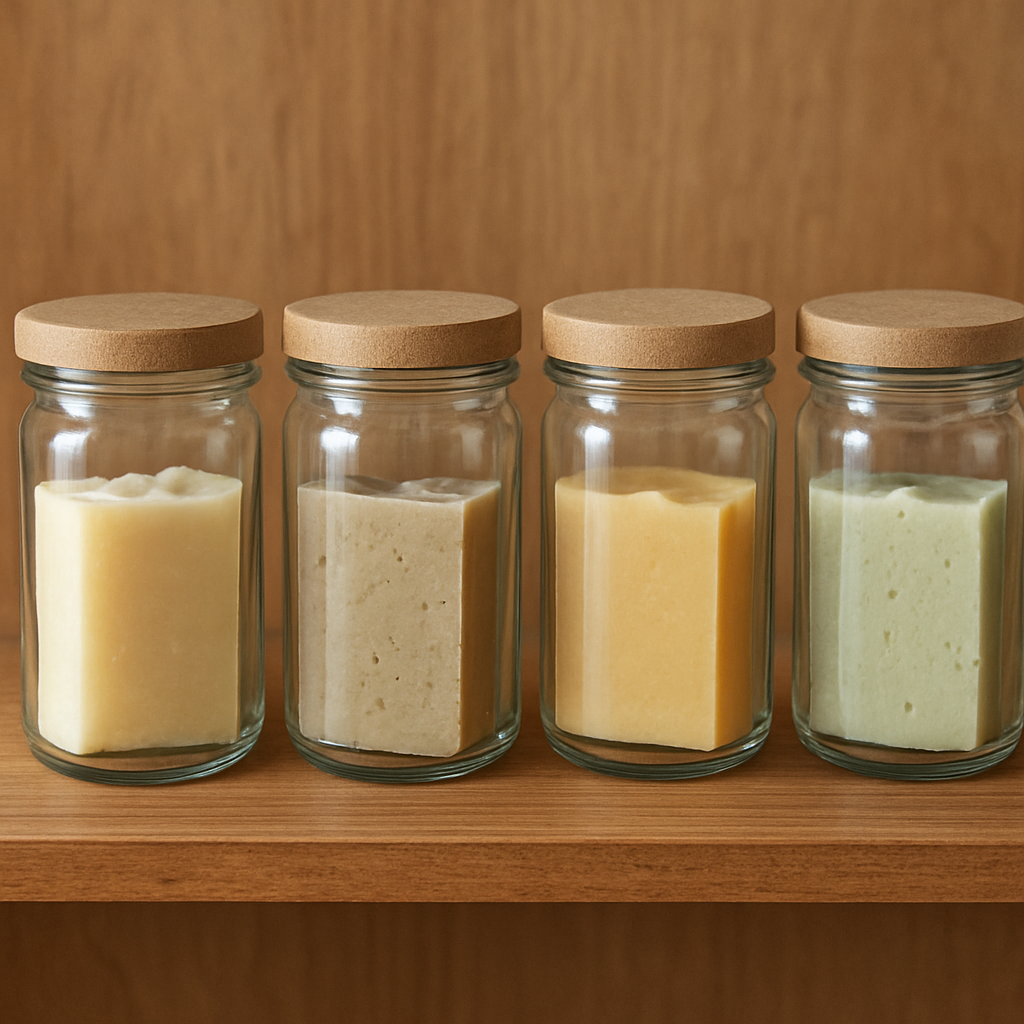
Where can you source these jars without breaking the bank? Local glass suppliers in the Etowah region often have surplus “off‑cut” jars they’re happy to sell in bulk. Pair them with a small batch of compostable lids from a supplier that uses plant‑based polymers – think corn‑starch or sugar‑cane blends. The combination keeps shipping weight low and the carbon impact minimal.
If you want to add a personal touch, consider laser‑etching a simple icon or your brand name onto the glass. The etch is permanent, requires no ink, and looks especially classy on a matte‑finished jar. For the lid, a stamped paper label with a QR code that links to a short “how to reuse” video can turn the packaging into an educational moment.
One thing we’ve learned from other sustainable brands, like the folks at plastic‑free refill system, is that offering a refill station for your jars can dramatically extend their life cycle. Set up a small refill corner at your Etowah Mills booth or include a refill coupon in the jar’s inner card – you’ll see customers coming back just for the refill, not just the soap.
Ready to make the switch? Start by ordering a test batch of 50 jars, print a minimalist label, and run a pop‑up demo at your next market. Track how many customers ask about refills, and you’ll quickly see whether the recycled plastic‑free jar is the right fit for your eco friendly soap packaging ideas toolbox.
FAQ
What are the best eco friendly soap packaging ideas for a small‑batch artisan?
For a boutique operation, start with reusable fabric pouches or seed‑paper tags – they’re cheap, lightweight, and add a story you can tell at markets. A simple kraft box with a soy‑ink label works well for shipping, and a single glass jar with a compostable lid can become a refillable centerpiece at your Etowah Mills booth. Test a batch of 20‑30 units, ask shoppers which feels most “gift‑worthy,” and iterate from there.
How can I make my soap packaging fully compostable?
Look for materials that break down in a home compost bin: uncoated kraft, mushroom mycelium inserts, and seed‑paper wraps. Pair them with plant‑based inks and avoid any glossy varnish. Include a one‑page card that says, “Compost this box and seed paper in 4‑6 weeks.” In our experience, customers are more likely to follow the instruction when the card is printed on recycled paper and folded into a little seed‑paper envelope.
Is reusable glass really worth the extra cost?
Yes, if you can close the loop with a refill program. A 250 ml recycled‑glass jar costs about $1.20, but a loyal customer who returns for a refill saves you the cost of a new container and you gain repeat sales. Set up a simple QR‑code on the lid that links to a refill coupon – we’ve seen refill traffic lift overall sales by 10‑15 % at pop‑up events.
Can I combine several packaging ideas without confusing my brand story?
Absolutely. Think of the packaging as chapters in a narrative. Use a kraft box as the “cover” for a seasonal line, then slip a seed‑paper tag inside that tells the story of the scent’s botanical origins. Finish with a fabric pouch for the “after‑care” chapter – it invites the buyer to keep the soap and reuse the bag. Keep visual cues consistent (same color palette, same logo placement) so the pieces feel like a set, not a mishmash.
How do I communicate the sustainability benefits to shoppers?
Put the data where eyes land: a small icon on the front of the box that reads “100 % recycled cardboard” or “Compostable in 6 weeks.” Add a QR‑code that leads to a short, mobile‑friendly page showing your carbon‑reduction numbers – for example, “30 % lower emissions vs. virgin cardboard.” At markets, a quick demo of how the seed paper sprouts turns curiosity into a shareable moment.
What should I watch out for when sourcing eco packaging locally?
Local suppliers can lower shipping emissions, but verify their certifications. Ask for a material safety data sheet (MSDS) to ensure no hidden plastics or dyes. Check that the ink is vegetable‑based and that any adhesive is water‑soluble. A quick visit to the mill lets you feel the paper texture and see how the lids are sealed – a hands‑on check saves you from costly redesigns later.
How often should I refresh my packaging design?
Refresh enough to keep the story fresh, but not so often that customers feel the brand is unstable. A seasonal tweak – like swapping a lavender seed‑paper tag for a winter pine one – works well. Aim for 2‑3 updates a year, aligning with major holidays or new scent launches. Keep core elements (logo, font, color) constant, so returning shoppers instantly recognize the Evolve Botanica vibe.
Conclusion
We've walked through a handful of eco friendly soap packaging ideas, from recyclable kraft boxes to seed‑paper tags, and you’ve seen how each one can turn a simple bar into a story.
So, what does that mean for you? It means you don’t have to sacrifice style for sustainability—just pick the piece that fits your brand vibe and your budget.
In practice, start small: order a test run of the paper clamshell you liked, add a vegetable‑ink label, and watch how customers react at Etowah Mills.
If you love a hands‑on touch, try a seed‑paper wrap and let shoppers plant the tag; the instant Instagram post you’ll get is free marketing.
Remember, consistency is key. Keep your logo, color palette, and tone the same across whatever packaging you choose, so each touchpoint feels like a chapter of the same story.
And don’t forget the after‑sale loop—include a quick card that tells people how to recycle, compost, or reuse the packaging. A tiny instruction can boost proper disposal rates by double digits.
Ready to give your soap line the green edge it deserves? Grab a few samples, test them with real customers, and let the feedback guide your next tweak.
When you blend thoughtful design with genuine sustainability, the packaging becomes part of the product experience—and that’s the ultimate win for both the planet and your brand.
0 comments