

Ever lit a candle and caught a whiff that made you wonder if that lovely scent might be doing more than just smelling good?
That tiny question—are fragrance oils safe in candles—has a surprisingly big impact on the air you breathe, your mood, and even the longevity of the wax.
We’ve been hand‑crafting candles at Evolve Botanica for over two decades, and one thing we’ve learned is that not every fragrance oil is created equal.
Some blends are made from petroleum‑based aromachemicals that can release volatile organic compounds when heated, while others are plant‑derived and tend to burn cleaner.
So, how do you tell the difference before you pour a new batch?
First, check the ingredient list on the fragrance oil bottle—look for terms like “phthalates,” “parabens,” or “synthetic fragrance.” If any of those appear, you might want to skip that oil, especially for home use.
If the label says “essential oil blend” or “naturally derived,” that’s usually a good sign, but it’s still wise to test a small candle first and see how it burns.
Another practical tip: keep your workspace well‑ventilated when you melt wax and add fragrance. A simple window or a fan can whisk away any lingering fumes before they settle.
And remember, the burn temperature matters. Some oils start to break down above 180 °F, releasing irritants. That’s why we often recommend adding fragrance at around 165 °F, letting the mix cool slightly before pouring.
You might be thinking, “But I love that deep, musky scent—can I still use it safely?” The answer is usually yes, as long as you follow the proper usage rate, typically 6‑10% of the total wax weight.
A quick sanity check is to do the ‘sniff test’: after the candle cures for a few days, light it for a minute and breathe from a safe distance. If the aroma feels sharp or causes a headache, it’s a sign to reconsider that oil.
Bottom line? Not all fragrance oils are unsafe, but a bit of homework goes a long way. By reading labels, testing small batches, and keeping the air flowing, you can enjoy beautifully scented candles without worrying about hidden risks.
TL;DR
When you choose fragrance oils, read the label for natural vs synthetic ingredients, keep the workspace ventilated, and add the oil around 165 °F to avoid breaking down harmful compounds.
A sniff test after curing and staying within a 6‑10% usage rate will let you enjoy a safe scent without worries.
Understanding Fragrance Oils vs. Essential Oils
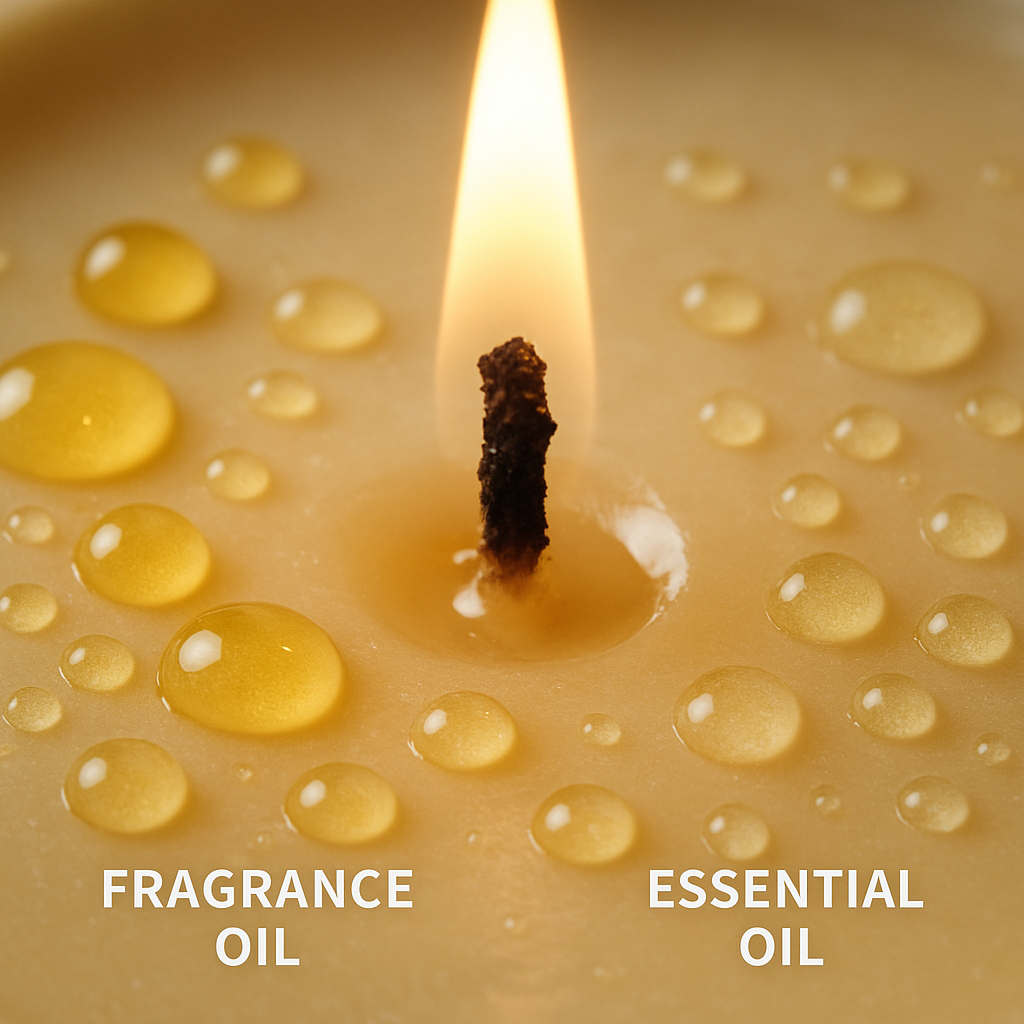
When you first hear the words “fragrance oil” and “essential oil,” you might picture the same thing—a pretty scent you add to a candle. But underneath those similar‑sounding names lie very different chemistry, and that difference matters when you’re asking yourself, are fragrance oils safe in candles?
Think about the last time you opened a jar of lavender essential oil. It probably smells fresh, like a field after rain, because it’s a direct distillation from the plant. A fragrance oil that claims “lavender” might be a blend of dozens of synthetically created aromachemicals that mimic that scent, often derived from petroleum. Both can make a candle smell amazing, but they behave differently when the wax heats up.
How they’re made
Essential oils are extracted through steam distillation, cold‑pressing, or solvent‑free methods. The result is a concentrated, natural mixture of volatile compounds that the plant produced itself. No additives, no fillers.
Fragrance oils, on the other hand, are usually formulated in a lab. A chemist can take a handful of aromatic molecules—some naturally derived, many fully synthetic—and blend them to hit a specific “note.” That flexibility is why you see everything from “fresh linen” to “amber & musk” on a bottle.
Safety basics
The safety question comes down to three things: composition, thermal stability, and skin sensitization. Natural essential oils can still irritate if you’re sensitive, but they’re generally recognized as safe (GRAS) when used within recommended limits. Synthetic fragrance oils may contain compounds that break down at candle‑burn temperatures (often above 180 °F), releasing potentially irritating volatiles.
In our experience at Evolve Botanica, we’ve found that keeping the addition temperature around 165 °F helps preserve the integrity of both essential and high‑quality fragrance oils. That temperature is low enough to avoid degrading most aromachemicals, yet high enough for the wax to stay fluid.
Here’s a quick mental checklist:
- Read the label. Look for “100% natural,” “plant‑derived,” or a full ingredient list. If you see “fragrance” without further detail, it’s probably a synthetic blend.
- Check for known sensitizers—some synthetic musks, phthalates, or certain aldehydes can trigger skin reactions.
- Test a small batch. Light it for a minute, let it burn a bit, then sniff from a safe distance. Any sharp, chemical bite? Consider swapping it out.
And remember, the “are fragrance oils safe in candles” question isn’t a simple yes or no. It’s about choosing the right oil for the right wax, at the right temperature, and using the right percentage (usually 6‑10%).
When a fragrance oil can be a good choice
If you love a scent that nature can’t provide—think “fresh‑cut denim” or “rain‑kissed pine”—a well‑crafted fragrance oil is your only option. The key is sourcing from reputable suppliers who provide a COA (Certificate of Analysis) and clear usage guidelines.
We often pair a trusted fragrance oil with our soy wax because soy burns cooler than paraffin, giving the oil more breathing room before it reaches its degradation point.
Need a deeper dive on how soy candles stack up safety‑wise? Check out our guide Are Soy Candles Toxic? A Comprehensive Guide for the full picture.
So, what if you’re still on the fence? Think about how the oil will interact with skin. Some people notice irritation from synthetic scents after a candle burns for a while. That’s where a skin‑care specialist can help. The professionals at Sade Skin often advise clients on choosing fragrance‑free or naturally scented products to avoid flare‑ups.
Watching the video above gives a visual walk‑through of how temperature affects oil stability—something you can see in real time.
If you’re planning a holiday gift set, pairing a candle with a personalized bottle can elevate the presentation. Our friends at Quench Bottles specialize in custom drinkware that looks great alongside a scented candle, making for a cohesive, boutique‑feel gift.
Bottom line: fragrance oils aren’t inherently unsafe, but they require a bit more diligence than essential oils. By reading labels, respecting temperature limits, and testing before you commit to a large batch, you can enjoy a wide palette of scents without compromising safety.
Common Safety Concerns with Fragrance Oils in Candles
Ever caught that sudden twinge of headache the moment you light a new candle? Yeah, that’s the kind of thing that makes the question “are fragrance oils safe in candles?” feel personal.
One of the biggest red flags is what’s actually inside the oil. Because fragrance formulas are considered trade secrets, manufacturers can list “fragrance” as a single ingredient, even though the blend might hold thousands of chemicals. The problem with fragrance oils is that many of those components are petroleum‑derived aldehydes, benzene derivatives, or toluene – the same stuff you’d find in paint thinner.
Those chemicals aren’t just “smelly”. Inhalation of even low‑level toluene vapors can cause headaches, dizziness, or nausea. A study from 2019 reported that one in three adults experience migraines or respiratory irritation from fragranced products. So, when you’re pouring wax at 165 °F, you’re potentially heating a cocktail of hidden irritants.
That brings us to the next concern: flash point. If the oil’s flash point sits below the temperature your wax reaches, you risk a mini‑flashover or a harsh, acrid note that ruins the burn. Many budget fragrance oils hover around 150 °F, which is dangerously close to the melt range of soy or beeswax.
And then there’s the allergen angle. Synthetic fragrance blends can contain known sensitizers like limonene or linalool, which may oxidize over time and trigger skin or respiratory reactions. For a candle‑maker who wants a clean, family‑friendly product, that’s a nightmare.
So, how do you navigate this minefield? Start with a simple checklist before the oil ever touches the wax.
Quick Safety Checklist
- Read the label – if it only says “fragrance” without a flash‑point rating, walk away.
- Look for third‑party testing or MADE SAFE certification.
- Do a “sniff‑test burn”: light a tiny test candle, let it melt fully, and step back. If you feel a chemical bite, ditch it.
- Keep usage rates low – 4‑6% for essential oils, 6‑10% for fragrance oils that are specifically formulated for candles.
Want to see a quick visual on what to watch for? Check out the short video below – it walks through the exact steps we take in our studio when evaluating a new fragrance oil.
Notice how we pause the pour temperature and compare the oil’s flash point on the label? That moment of pause can be the difference between a clean burn and a smoky disaster.
Side‑by‑Side Concerns
| Concern | Why It Matters | Mitigation Tip |
|---|---|---|
| Toxic chemicals (e.g., toluene, benzene) | Can cause headaches, dizziness, long‑term health risks | Choose fragrance oils with transparent ingredient lists or switch to essential oils |
| Low flash point | May ignite or produce acrid odor when wax exceeds oil’s safe temperature | Verify flash point ≥ 180 °F; keep melt temp ~165 °F |
| Allergenic sensitizers | Oxidized compounds trigger skin or respiratory irritation | Store oils in dark, cool place; use within 12‑18 months; test with a sniff‑burn |
In practice, we’ve swapped out a cheap “vanilla” fragrance that listed no flash point for a certified, high‑flash‑point blend. The result? No smoky after‑taste, and the candle lasted the whole evening without any sniff‑test warnings.
Bottom line: fragrance oils can be safe, but only when you treat them like any other chemical – check the label, respect the temperature, and test before you commit to a full batch.
How to Test Fragrance Oil Safety in Your Candle DIY
Ever wonder if that new perfume‑scented oil will turn your cozy evening into a smoky nightmare? The short answer is: you can find out before you pour a full batch. Below is our step‑by‑step routine for testing fragrance‑oil safety, the same one we use in the studio every time we try a fresh blend.
You’ll need a small glass jar or tin (think 2‑oz size), a mini‑thermometer, a dab of the fragrance oil, a spoon, and a wick that matches the jar. Keep the wax amount low – about 1/4 cup – so you’re not wasting material while you experiment.
Step 1: Read the label like you’d read a food ingredient list. Look for the flash point, recommended usage rate, and any safety symbols. If the label is vague or missing a flash point, set the oil aside. A flash point below 160 °F is a red flag for most soy or beeswax blends.
Step 2: Verify the flash point with a quick temperature test. Heat a small spoonful of your chosen wax to the temperature you normally add fragrance – usually around 165 °F. When the wax is steady, add a drop of the oil and watch the surface. If you see a tiny sizzle, a puff of smoke, or a sudden pop, the oil is reacting too early. Let the wax cool a few degrees (to about 150 °F) and try again. When the oil blends smoothly without any audible cue, you’ve hit a safe window.
Step 3: The sniff‑burn preview. Pour the wax‑oil mixture into your test jar, insert the wick, and let it set for 24 hours. Light the candle and let the melt pool fully. Stay a comfortable distance away (a foot or two) and take a slow breath. Does the scent feel clean, or does it have a sharp, chemical bite? If your nose crinkles, note the oil as questionable.
Step 4: The burn‑time check. After the initial sniff, let the candle burn for at least an hour, keeping an eye on the flame. A steady, blue‑centered flame indicates a stable burn. If the flame flickers wildly, turns yellow, or produces soot, that’s a sign the oil is breaking down at temperature. Extinguish, note the behavior, and move on to a different oil or lower usage rate.
Step 5: Record everything in a simple log. Write down the oil name, batch number, flash point, temperature at addition, usage percentage, and the results of both the sniff and burn tests. Over time you’ll build a reference sheet that tells you which oils are “green light” for a given wax.
A quick tip most people miss: store your test jars in a dark cabinet for 12‑18 months. Oxidation can change the oil’s flash point, so a scent that was safe last year might need retesting.
What about allergens? If you or your customers have sensitivities, do a skin‑contact test. After the candle has cured, dab a tiny amount of the oil on the inside of your wrist. Wait 15 minutes; no redness means it’s likely low‑sensitizer. Combine that with the burn test and you’ve covered both inhalation and skin exposure.
Finally, scale up only when every check is green. Increase the batch size gradually – from a single test jar to a two‑pound pot – and repeat the temperature and sniff steps. If anything feels off at the larger scale, cut back. It’s better to lose a few ounces than to ship a whole batch that could irritate a customer.
So, are fragrance oils safe in candles? They can be, as long as you treat each new oil like a small experiment. By reading the label, confirming flash point, doing a quick sizzle test, performing a sniff‑burn, and logging the results, you turn guesswork into a reliable process.
Ready to give it a try? Grab a fresh oil, set up your mini test station, and let the data speak for itself. Your future candles will thank you with a clean, lasting aroma and a happy, smoke‑free home.
Regulatory Standards and Certifications for Candle Fragrance Oils
When you’re wondering “are fragrance oils safe in candles,” the first thing most of us reach for is the label. But the label is only as trustworthy as the regulations and certifications backing it. In our studio we’ve learned that a solid safety net starts with knowing which agencies actually set the rules and which third‑party seals prove a batch has been vetted.
Key regulatory bodies
In the United States the Consumer Product Safety Commission (CPSC) sets the baseline requirements for any product that will be burned in a home. Their focus is on fire safety, flammability, and the presence of hazardous chemicals that could release toxic fumes. The Food and Drug Administration (FDA) steps in when a fragrance oil is also marketed for skin‑contact or aromatherapy, making sure any listed allergens are disclosed.
Across the pond, the European Union relies on the REACH (Registration, Evaluation, Authorisation and Restriction of Chemicals) framework. REACH forces manufacturers to register each ingredient above a certain threshold and prove it won’t cause unreasonable risk to human health or the environment. If a fragrance oil is sold in the EU, it must have a clear REACH registration number on the data sheet.
Canada’s equivalent is the Consumer Chemicals and Containers Regulations (CCCR), which mirrors many of the CPSC’s flame‑test standards but adds a stricter limit on volatile organic compounds (VOCs). Australia follows the Australian Standard AS 3959 for combustible products, which includes a specific flash‑point test for fragrance oils used in candles.
Common certifications you might see
Because the government landscape can feel like a maze, many suppliers voluntarily chase third‑party certifications. The most common ones in our industry are:
- MADE SAFE® – an independent lab evaluates the oil for known carcinogens, allergens, and VOC levels. A MADE SAFE seal tells you the product passed a 100‑point checklist.
- ISO 9001 – this isn’t a safety seal per se, but it signals that the manufacturer follows a documented quality‑management system, which usually includes batch‑to‑batch consistency and traceability.
- Eco‑Cert – focuses on sustainability and limits on petro‑derived chemicals. While not a direct safety metric, it often correlates with cleaner ingredient lists.
- ASTM D‑6350 – a test method for flame spread and smoke development. If a fragrance oil references this standard, the supplier has run a lab burn test that mimics real‑world candle use.
What to look for on the label
Even with certifications, the label is your first line of defense. Spot these details before you pour:
- Flash point listed in °F or °C – aim for 180 °F (82 °C) or higher for soy and beeswax.
- Safety data sheet (SDS) link or QR code – a quick scan should reveal any hazardous components.
- Allergen disclosure – look for limonene, linalool, citral, or any “fragrance (may contain…)”.
- Certification logos – MADE SAFE, ISO, or ASTM references are usually printed as tiny badges.
Checklist for compliance
Here’s a short, practical checklist you can keep on your workbench. It turns the regulatory jargon into a quick visual scan.
- Confirm the oil’s flash point meets or exceeds your wax’s melt temperature.
- Verify a current SDS is available; note any listed carcinogens or sensitizers.
- Look for a MADE SAFE or similar seal – if it’s missing, treat the oil as “unverified”.
- Check REACH or CCCR registration numbers if you’re selling in the EU, Canada, or Australia.
- Run a quick burn test in a vented area, noting flame color and any odor changes.
- Document the batch number, certification date, and your test results in a log.
Following this routine doesn’t just keep you on the right side of the law; it builds trust with anyone who lights one of your candles. When you can point to a clear safety sheet and a MADE SAFE seal, you’re answering the “are fragrance oils safe in candles?” question with confidence, not guesswork.
So next time you reach for a new fragrance, give the label a moment’s respect, match the numbers to your wax, and let the certifications do the heavy lifting. Your nose, your customers, and the fire department will thank you.
Best Practices for Using Fragrance Oils Safely
When you first wonder “are fragrance oils safe in candles?” the answer lives in the details you pay attention to before the wax even hits the pot.
Know your flash point and match it to your wax
Every fragrance oil comes with a flash point – the temperature at which it could ignite. If that number sits below the melt temperature of your wax, you’re basically asking for a mini‑flashover. In our studio we always keep the wax under 165 °F for soy and 175 °F for beeswax, then double-check the oil’s label. If the oil says 150 °F, we set it aside. That simple match‑up cuts down on soot, off‑notes, and that nasty “burnt plastic” smell.
Measure the right fragrance load
The amount of oil you add – called the fragrance load – determines how strong the scent is and how the candle burns. A typical soy candle sits comfortably at 6‑8 % fragrance load. Push it to 12 % and you’ll see tunneling, excessive smoking, or a flame that flickers like a nervous firefly.
SweetU Candles breaks it down nicely: a 7 % load means 7 g of oil for every 100 g of wax, and that balance usually gives a strong hot‑throw without sacrificing burn quality. We’ve run dozens of test pours where a 9 % load in a high‑flash‑point oil gave us a room‑filling aroma and a clean, even pool. Anything higher started to leave a waxy residue on the jar walls.
Do a quick “sizzle” test
Before you pour a full batch, take a spoonful of melted wax at your usual fragrance‑addition temperature, add a single drop of the oil, and watch. If you hear a faint sizzle or see a tiny puff of smoke, the oil is reacting too early. Cool the wax a few degrees and try again. When the drop disappears silently, you’ve hit the sweet spot.
Run a sniff‑burn test
Pour a small 2‑oz test candle, let it cure for 24 hours, then light it in a well‑ventilated room. Stay a foot or two away and take a slow breath. Does the scent feel clean, or does it have a sharp chemical bite? If your nose crinkles, note the oil as a no‑go. In our experience, a quick sniff‑burn catches issues that a lab‑sheet can’t always predict.
Mind the allergens and oxidation
Many fragrance blends contain limonene or linalool, which can oxidize over time and become skin irritants. Store your oils in amber glass, away from direct sunlight, and use them within 12‑18 months. A quick visual check for cloudiness or a change in aroma can save you a batch of candles that would otherwise trigger allergies.
Document everything
Keep a simple log: oil name, batch number, flash point, temperature at addition, usage percentage, and results of the sizzle and sniff‑burn tests. Over months this spreadsheet becomes a cheat‑sheet that tells you at a glance which oils are “green light” for soy, beeswax, or coconut blends.
Leverage trusted suppliers
Not all fragrance oils are created equal. Brands that publish a safety data sheet (SDS) and follow IFRA guidelines give you a solid foundation. CandleScience, for example, runs in‑house safety testing and tags each oil with a 3‑Leaf Soy Wax Performance Scale so you know exactly what hot‑throw to expect. Choosing suppliers that are transparent about phthalate‑free formulations and flash points removes a lot of guesswork.
Take it step‑by‑step when you scale up
Once your test candle passes every check, increase the batch size gradually – from a single test jar to a two‑pound pot, then to a full‑size production run. Repeat the temperature and sniff checks at each scale. If anything feels off, dial the usage rate back a percent or two before you commit to a whole lot of inventory.
Bottom line: safety isn’t a one‑time checkbox, it’s a habit. By matching flash points, respecting fragrance load limits, doing a quick sizzle and sniff‑burn, storing oils properly, and logging your results, you turn the question “are fragrance oils safe in candles?” into a confident “yes, when you follow these best practices.”
Comparison of Popular Fragrance Oil Brands for Candle Making
When you start weighing up which scent to pour into your next soy or beeswax candle, the brand you pick can feel like a safety net. I get it – you’re juggling flash points, IFRA limits, and that gut feeling that the oil will actually throw. Let’s break down three of the most talked‑about names and see how they line up against the safety checklist we’ve been building.
What to look at first
Before we dive into the brands, ask yourself: does the oil list a flash point that’s comfortably above my wax’s melt temperature? Is there an IFRA usage rate printed on the bottle or a clear safety data sheet you can pull up in a click? Those two bits of info are the gatekeepers for a clean, non‑toxic burn.
So, how do the big players measure up?
Brand snapshots
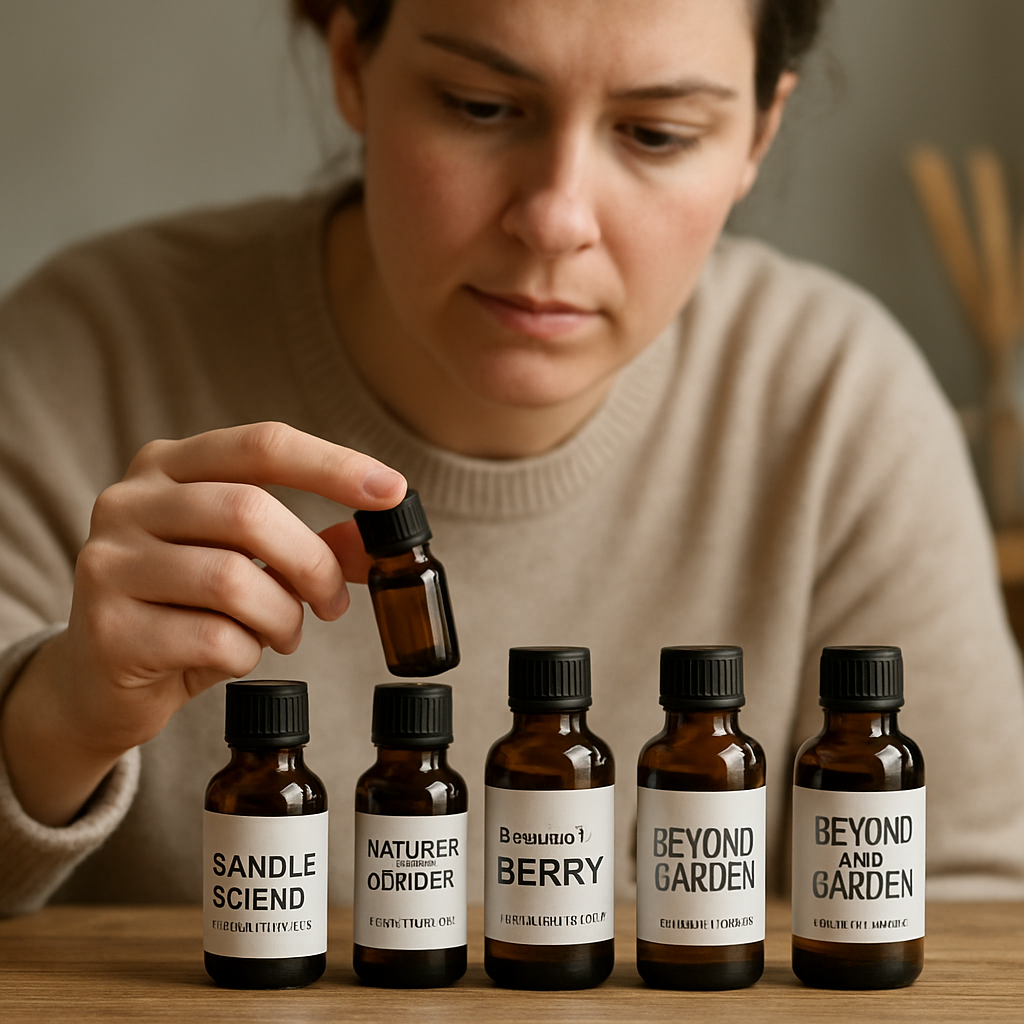
The Flaming Candle markets itself as a maker‑first supplier. Their fragrance oils are tested for “clean throw” and they proudly note flash points that generally sit at 180 °F or higher – a sweet spot for soy waxes poured around 165 °F. The site even nudges you to check IFRA usage rates before you buy, which helps you stay inside the safety window.
CandleScience is another household name among candle artisans. Their 3‑Leaf Soy Wax Performance Scale gives you a quick visual cue: the higher the leaf count, the better the oil plays with soy wax. Most of their oils list flash points in the 190‑200 °F range and come with downloadable SDS files, so you can verify any allergens or sensitizers ahead of time.
Nature’s Garden offers a more budget‑friendly line. Their oils often sit around a 160 °F flash point, which can be okay for coconut blends but might be a stretch for soy. They do provide IFRA compliance charts, but you’ll need to double‑check the recommended usage rates – sometimes they’re lower than the 6‑10 % you’d use with higher‑flash‑point oils.
Which of these feels right for you? If you love a high‑throw, low‑risk oil and don’t mind a slightly higher price tag, The Flaming Candle or CandleScience are solid bets. If you’re experimenting on a shoestring budget, Nature’s Garden can work, just keep the wax temperature a touch cooler and the fragrance load on the lower side.
Does that help you narrow the field?
Quick comparison table
| Brand | Typical Flash Point (°F) | IFRA / Safety Notes |
|---|---|---|
| The Flaming Candle | 180 °F + | IFRA‑compliant; SDS downloadable; high‑throw oils |
| CandleScience | 190‑200 °F | 3‑Leaf Soy Wax Scale; detailed SDS; low‑sensitizer blends |
| Nature’s Garden | ≈160 °F | IFRA charts provided; watch usage rates; best for cooler‑melt waxes |
Notice the pattern? The higher the flash point, the more wiggle room you have with soy and beeswax. Lower flash points can still be safe – just respect the temperature and keep the load modest.
Here’s a little habit that’s saved us countless evenings: before you even open a bottle, pop the label and scan for the flash point. If it’s under 170 °F, we either chill the wax a bit more or pick a different oil. It’s a tiny step that prevents a smoky disaster later on.
And don’t forget the scent‑test. Even with a brand that touts “clean throw,” a quick sniff‑burn in a 2‑oz test jar will tell you if the oil holds up when it hits the flame. That’s the ultimate safety net, no matter the brand.
So, what’s your next move? Grab a sample from the brand that feels right, run the sizzle and sniff tests, and log the results. In a few weeks you’ll have a personal cheat‑sheet of which oils are truly “green light” for your wax blends.
Bottom line: the brand matters, but the data on the bottle matters more. Match flash point to melt temp, respect IFRA limits, and you’ll answer the question “are fragrance oils safe in candles?” with a confident yes.
Ready to compare a few scents side by side? Check out the range at The Flaming Candle fragrance oils – they lay out the flash points and IFRA notes right on the product page, making the decision a lot less guesswork.
Conclusion
We've walked through flash points, sniff‑burn tests, and the paperwork that keeps a candle safe. So, are fragrance oils safe in candles? The short answer is yes—when you treat each oil like a tiny experiment and let the data guide you.
The biggest guardrail is the flash point. If the oil’s flash point sits comfortably above your wax’s melt temperature, you sidestep the mini‑flashover that turns a cozy evening into a smoky surprise.
Next, respect the recommended usage rate. A 6‑8 % load for soy wax gives a strong throw without choking the flame, while cranking it to double‑digits often invites soot, tunneling, or that dreaded chemical bite.
Don’t forget the quick sizzle test and the sniff‑burn in a 2‑oz jar. Those two minutes of observation catch hidden irritants that a safety data sheet might hide.
Keep a simple log: oil name, batch, flash point, addition temp, and what you smelled or saw. Over weeks that spreadsheet becomes your personal cheat‑sheet, telling you at a glance which oils are green‑light for each wax.
Store oils in amber bottles, away from sunlight, and use them within 12‑18 months. Oxidation can shift flash points and turn a once‑safe oil into a potential irritant.
When you’ve checked the numbers, run the test, and logged the results, you can answer the question with confidence: fragrance oils are safe in candles when you follow these steps.
Ready to put this routine to work? Swing by our studio or check our online resources for printable testing templates—your next batch will thank you with a clean burn and a room‑filling scent.
FAQ
Are fragrance oils safe in candles?
Yes, they can be safe, but only when you treat each oil like a small experiment. Start by checking the flash point – it should sit at least 20 °F above your wax’s melt temperature. Then follow the sizzle test, sniff‑burn, and keep usage rates within the supplier’s recommended range. Log every batch so you know which oils are green‑light for your specific wax.
What flash point should I look for?
For soy or beeswax, aim for a flash point of 180 °F (82 °C) or higher. Anything below 160 °F is a red flag because the oil may ignite or produce an acrid note before the wax fully melts. When you see the flash‑point number on the label, match it to your usual pour temperature and adjust either the wax temperature or the oil choice.
How much fragrance oil can I safely add?
Most soy candles perform well at a 6‑8 % fragrance load. Pushing past 10 % often leads to tunneling, soot, or a flame that flickers like a nervous firefly. Essential oils are usually more potent, so keep them around 4‑6 %. Always start at the lower end of the recommended range, test a 2‑oz jar, and only increase once you see a clean, steady burn.
What is the “sizzle” test and why does it matter?
The sizzle test is a quick temperature check. Heat a spoonful of wax to your normal fragrance‑addition temperature, add a single drop of oil, and watch. If you hear a faint sizzle or see a puff of smoke, the oil is reacting too early – lower the wax temperature a few degrees and try again. A silent drop means you’ve hit a safe window.
How do I conduct a sniff‑burn?
Pour a small 2‑oz test candle, let it cure for 24 hours, then light it in a well‑ventilated room. Stay a foot or two away and take a slow breath. If the scent feels clean and true, you’re good to go. If you notice a sharp chemical bite, a metallic edge, or a headache, log the oil as unsuitable and move on.
Do I need to worry about allergens in fragrance oils?
Many blends contain limonene, linalool, or other sensitizers that can oxidize over time. Store oils in amber glass, away from direct sunlight, and use them within 12‑18 months. If you or your customers have known sensitivities, do a quick skin‑contact test: dab a tiny amount on the inner wrist after the candle has cured. No redness after 15 minutes usually means low risk.
What paperwork should I keep for each batch?
Create a simple spreadsheet that records the oil name, batch number, flash point, temperature at addition, usage percentage, and the results of both the sizzle and sniff‑burn tests. Include a link to the safety data sheet (SDS) if the supplier provides one. Over time this log becomes your cheat‑sheet, letting you glance at a row and know instantly whether an oil is safe for your wax.
0 comments