
Let’s be real for a moment. You’ve probably lit a soy candle to set a cozy mood, but have you ever wondered how that scent travels through a home with feathered friends? If you’re asking, you’re not alone. Many pet owners face the same dilemma, especially those with birds.
Birds breathe in a way that’s a little different from ours. Their nasal passages are narrower, and their lungs are highly efficient. That means even a small puff of fragrance can get deep inside, which is great for the ambiance but not always great for the little ones.
So, what exactly does that mean for the question: are soy candles safe for birds? The short answer is yes, but only if you’re mindful. Soy wax itself is a clean‑burning, natural product, so it doesn’t produce the heavy soot or chemical by‑products that some paraffin candles do.
However, scent is a game of tiny molecules. A strong vanilla or a floral blend can linger in the air, and birds can pick up even subtle notes. That can be a distraction or, worse, a trigger for sensitive noses. Keep the fragrance level low and choose a candle with a simple, natural scent.
In our experience at Evolve Botanica Co, we’ve seen folks light a soy candle and then notice their birds flapping more than usual—clearly overstimulated. Switching to a lighter scent or placing the candle a few feet away usually calms things down. The key is balance.
Another tip? Let the candle burn for a few minutes before closing the room. This helps the wax melt evenly and reduces the chance of a sudden surge of aroma. You’ll also get a better sense of how the scent travels around your space.
Bottom line: yes, soy candles can be safe for birds if you’re careful. Keep the fragrance light, monitor your feathered friends, and remember to give them plenty of fresh air. Want to explore a range of bird‑friendly soy candles? Our handcrafted collection is all about gentle, natural scents that won’t overwhelm.
TL;DR
If you light soy candles with birds around, the main point is that the wax is usually safe, but the fragrance—tiny aromatic molecules—can overstimulate their sensitive noses. Choose natural scents, burn briefly before closing the room, and ensure fresh air—habits that let you enjoy aroma without risking your feathered friends.
Understanding the Ingredients of Soy Candles and Why They Matter to Birds
Ever wondered what’s really in that soft, amber glow? Spoiler: it’s more than just melted soybean. Soy wax starts life as a simple oil extracted from soybeans, then it’s heated until it turns solid enough to pour. That’s the base we call “soy wax.”
But the real magic— and the potential hazard—comes from what you add on top. A handful of common additives can make the difference between a bird-safe fragrance and a sensory overload. Think of stearic acid (a vegetable fat that helps the candle hold its shape), color dyes, and of course the fragrance oils that give your candle its personality.
Fragrance oils are tiny molecules that travel in the air. Birds have a nose that’s a hundred times more sensitive than ours, so a single puff of vanilla or a floral burst can feel like a full‑on concert. That’s why even a “light” scent can be too much for a curious parakeet. What Are Soy Candles Made Of? A Complete Guide to Ingredients and Benefits breaks down each component, so you can see exactly what your feathered friend is breathing in.
To keep the aroma at a bird‑friendly level, start with a low‑concentration fragrance oil—ideally under 5% by weight. Use natural, plant‑derived oils rather than synthetic blends that carry more volatile compounds. Keep the wick trimmed to a quarter‑inch so the flame stays small, and always burn the candle for a few minutes before closing the room. This lets the scent spread evenly and gives you a chance to gauge how much the room smells before the bird can get a full whiff.
Think of your kitchen as a tiny greenhouse for scents. When you add a strong fragrance, the air “saturates” faster, and birds will notice almost instantly. That’s why many of our candles are crafted with only a splash of lavender or a whisper of citrus—enough to lift the room, not to overwhelm the bird.
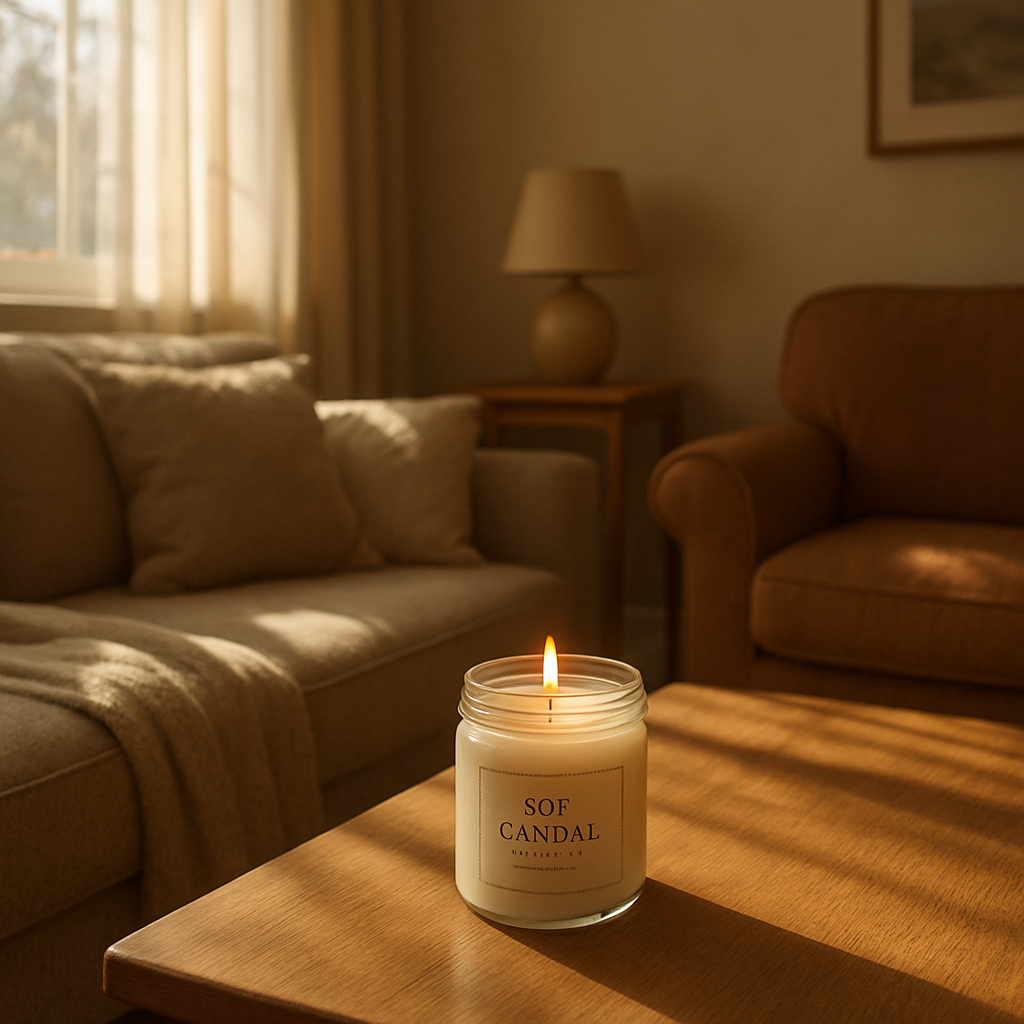
If you’re looking to pair a safe candle with décor, check out Vases & Jars: 10 Creative Ways to Transform Your Home for ideas on how to display your candle stylishly. For a full gift set, you might browse Nina‑Bazaar, where you can bundle a bird‑friendly candle with other holiday gifts.
Bottom line: soy wax itself is a clean, natural burn, but the fragrance is the trickster. By choosing low‑dose, plant‑derived oils, trimming the wick, and allowing the scent to mingle before closing the room, you give your birds a safe, soothing environment—and still enjoy that warm glow.
Health Risks: How Soy Candle Fragrances and Wick Additives Affect Avian Respiratory Systems
Picture this: you light a soft‑burning soy candle, the room fills with a whisper of vanilla, and your bird—maybe a cockatiel or a cockatoo—starts preening peacefully. Sounds idyllic, right? But beneath that calm scene, tiny molecules are doing a high‑speed dance in the air, and birds inhale them all at once.
Why a Bird’s Nose is a Whole Different Ballgame
Unlike us, a bird’s respiratory system is a single‑pass circuit. Air, and everything in it, hits every organ—heart, liver, even the brain—before it's exhaled. So when a candle releases a burst of fragrance, the bird’s body takes in those particles faster than we do.
Think of it like this: a human breathes 15 times a minute. A bird’s breath can be 60–80% of the room’s air with each puff. If the air smells, the bird is breathing it—every molecule matters.
Fragrance Oils: The Real Culprit
Even “natural” fragrance oils can carry volatile organic compounds (VOCs). These little chemicals are fine in a human nose, but in a bird’s sensitive system they can irritate the air sacs or trigger a coughing fit.
According to a guide on parrot‑safe candles, the safest path is to avoid scented candles entirely or keep the scent level extremely low. The article explains that any detectable aroma can pose a risk because birds can’t filter the particles the way we can.
Parrot‑Safe Candles Guide goes into detail about why even “organic” scents might not be safe.
Wick Additives: Heat Is the Hidden Threat
Wicks are often a mix of cotton, paper, and a small metal core or beeswax strip to keep the flame steady. A heavier or metal‑tipped wick can mean a hotter burn, which in turn releases more aromatic molecules per minute.
That extra heat also pushes more soot and tiny ash particles into the air. Birds are sensitive to soot; inhaling it can lead to chronic respiratory inflammation or even acute distress.
What’s the Bottom Line?
If you can smell the candle’s aroma, your bird is breathing it too. The safest route? Light the candle far from the cage, keep it burning only a few minutes before closing the door, and ensure a cross‑ventilated room so the scent diffuses before it hits your feathered friend’s lungs.
Another trick is to use a diffuser with a very low concentration of essential oils—or better yet, skip the candle entirely and opt for a simmer pot. Boiling water with a slice of apple, a pinch of cinnamon, or a handful of fresh lavender creates a subtle, bird‑safe scent that won’t overload their olfactory system.
We’ve seen bird owners who keep their candle burning for just a minute and notice their parrots immediately calm down. That’s because they give the scent time to disperse and give the bird a chance to adjust to the new aroma before it builds up.
So, next time you’re about to light a candle, pause and ask yourself: Will my bird be comfortable with that scent, or will it feel like a chemical storm in their lungs?
Remember, the goal is to create a cozy environment for both you and your bird—without the risk of respiratory distress. If you’re unsure, lean toward the mildest scent, keep the burn brief, and always keep fresh air flowing.
Safe Alternatives: Choosing Bird-Friendly Soy Candles (Video Explanation Included)
Let’s get straight to it: not every soy candle is a feather‑friendly friend. When you light one, the fragrance molecules shoot out faster than a hummingbird’s wingbeat, and birds inhale nearly everything that floats by. So the real question isn’t if soy is safe, but how to choose one that keeps your parrot calm, not alarmed.
What Makes a Candle Bird‑Safe?
Birds don’t just smell; they absorb. A safe candle is built around three pillars: pure wax, minimal additives, and a fragrance that’s gentle on tiny air sacs. Think 100% soy, no paraffin, no dyes, and a lead‑free cotton wick. Even the scent should be a low‑dose, botanical blend—no essential oils that can become airborne toxins.
According to the Aviary Parrot Food blog, there’s no such thing as a truly safe bird candle, because even “natural” scents can linger in the air and irritate a bird’s sensitive system. That means you have to be selective and vigilant. (source: Parrot‑Safe Candle Guide)
Practical Checklist for Picking the Right Soy Candle
1. Wax purity – look for 100% soy or a soy‑beeswax blend. Avoid any mention of paraffin or mixed waxes.
2. No dyes, no metallic wicks – plain cotton wicks with no metal core keep the burn clean. Metal cores can release heavy metals when heated.
3. Fragrance choice – choose candles labeled “pet‑friendly” or “bird‑safe.” The scent should come from botanical essential oils or natural fragrance oils, not synthetic mixes.
4. Burn time & size – a longer burn means a steadier, less intense scent. Aim for at least 60 hours of burn time; this usually indicates a slower, cleaner melt.
5. Packaging transparency – the label should list all ingredients. If the candle is made by a brand that offers a detailed ingredient sheet, that’s a good sign.
Step‑by‑Step: How to Test a Candle in Your Home
Step 1: Light the candle on a table 3–4 feet from the cage and let it burn for 5 minutes.
Step 2: Observe your bird’s behavior. Calm, preening is a green flag; squawking or flapping is a red flag.
Step 3: If your bird stays relaxed, keep the burn short—no more than 15 minutes total—and ensure the room is well‑ventilated.
Step 4: If you notice any signs of distress, snuff out the flame immediately, open windows, and give your bird a fresh air break.
Why Evolve Botanica’s Line Stands Out
In our experience, the key to a truly bird‑friendly candle is the ingredient story. That’s why we champion products that are 100% soy, free of dyes and phthalates, and use gentle botanical scents. You might also find our curated line of bird‑friendly soy candles handy—they’re designed with the same purity standards you’d expect from our soaps and skincare.
For a deeper look at what makes a candle safe for pets, including birds, you can explore a comprehensive guide that breaks down wax, wicks, and fragrance safety. (source: Aureliv’s Pet‑Safe Candle Guide)
Bottom line: if you want to enjoy the cozy glow without risking your feathered friend’s breath, pick a candle that follows the checklist above, test it gently, and keep the burn brief. When in doubt, lean towards the mildest scent, give it a few minutes to spread, and always keep fresh air flowing.
Environmental Impact: Comparing Soy Candles to Paraffin for Backyard Birds
Picture a sunny porch, a gentle flame, and a curious parakeet peeking through the window. The scent is lovely, but the tiny molecules that drift into the air can be a real buzzkill for your feathered friend.
So, what actually sets soy and paraffin apart when you’re worrying about your backyard birds?
Why the type of wax matters
Soy wax comes straight from soybeans, a renewable crop that can grow year after year. Because it’s plant‑based, it burns cooler and produces less soot.
Paraffin, on the other hand, is a byproduct of petroleum. Its higher melting point means a hotter flame, which can release volatile organic compounds that linger longer in a bird’s breathing zone.
That difference shows up right in the numbers. One study highlighted that paraffin candles can emit up to 1.5 times more VOCs than soy.
In terms of carbon footprints, soy’s lifecycle emissions are roughly half those of paraffin. A single soy candle can cut your backyard’s greenhouse gas contribution by a noticeable margin.
Indoor air quality: The bird’s perspective
Birds have a respiratory system that takes in almost all the air you breathe. A hot paraffin flame can push soot and chemical aerosols directly into those tiny air sacs.
When you light a soy candle, the scent molecules are released at a lower temperature, giving the bird a chance to clear its air before the aroma hits full force.
Even the fragrance oils matter. If the soy candle uses botanically sourced essential oils, the molecules are typically lighter than synthetic blends that might be found in some paraffin candles.
Cost, burn time, and practical value
Parafin candles are cheaper upfront, but their shorter burn time means you’ll need to replace them more often. Over a year, the extra cost can add up.
Soy candles burn roughly 15–20% longer, offering more hours of scent per dollar spent.
That extra time also gives you a chance to monitor your birds without constantly flipping the flame.
Actionable steps for a bird‑friendly porch
- Choose 100 % soy, no paraffin, and a plain cotton wick. A metal‑core wick is a red flag.
- Keep the candle at least 3–4 feet from the bird’s nest or cage. Distance helps the aroma disperse.
- Burn the candle for 5–10 minutes before closing the door so the scent spreads evenly.
- Open a window or use a fan to circulate fresh air after lighting.
- Observe: if your bird flutters or squawks, put the flame out and give it a fresh air break.
In our experience at Evolve Botanica, a light vanilla‑soy candle placed a few feet away made the parakeet calm, while a strong floral paraffin left the bird jittery.
Remember, the goal isn’t just a cozy glow— it’s a safe space for both you and your backyard buddies.
If you want a deeper dive into the chemistry of candle waxes and how they affect indoor air, the Kalamazoocandle.com guide offers a clear comparison of soy versus paraffin. It’s a handy read for anyone who wants to make data‑backed choices.
| Feature | Soy Candle | Paraffin Candle | Notes |
|---|---|---|---|
| Carbon Footprint | Lower, renewable source | Higher, petroleum‑based | Half the emissions of paraffin |
| Indoor Air Quality | Cleaner burn, less soot | Hotter flame, more VOCs | Birds inhale 60–80% of the room’s air |
| Burn Time | 15–20% longer | Shorter, higher maintenance | More hours per dollar |
| Scent Throw | Gradual, subtle | Intense burst, quick fade | Gentler for sensitive noses |
| Cost per Candle | Higher upfront | Lower upfront | Long‑term value favors soy |
By keeping these points in mind, you’ll light up your porch without lighting up any stress in your feathered friends.
Practical Tips for Safe Candle Use Around Birds (Image of Safe Placement)
Let’s cut to the chase: you’re probably wondering, are soy candles safe for birds? The answer isn’t a blanket yes or no. It’s all about how and where you burn them.
First thing first—location. Keep the flame a good 3–4 feet from the bird’s cage or perch. That simple buffer lets the scent drift out before it hits the feathered friend’s airways.
Next, think about timing. Light the candle, let it burn for 5–10 minutes, then close the room. The warm air from the wax will carry the fragrance further, but the brief burst keeps the exposure short.
What about the scent itself? Stick to light, single‑note aromas like lemon or vanilla. Heavy floral blends can overwhelm a bird’s sensitive nose and trigger restlessness.
And here’s a pro tip: use a holder that keeps the candle off the floor. A raised platform or a sturdy table will reduce the chance of accidental knocks or heat damage to the cage.
Do you have a window? Open it when you light the candle and keep it open a few minutes after. The fresh air will dilute the scent faster and clear any lingering molecules.
Now, a quick checklist you can pull out whenever you’re prepping a cozy evening:
- Set the candle 3–4 ft away from the cage.
- Burn for 5–10 minutes before closing the room.
- Choose a light, single‑note fragrance.
- Place the candle on a raised surface.
- Open a window during and after the burn.
- Observe the bird. If it flutters or squawks, put out the flame immediately.
Does this routine sound doable? Absolutely. Even a handful of minutes each night can keep the room fragrant without stressing the bird.
Curious where we got this playbook? The Parrot Club Safety Guide lays out the same precautions and gives deeper insight into how aromas affect avian health.
If you’re still nervous, try a diffuser with a tiny splash of your chosen fragrance. A diffuser spreads scent more evenly and gives you a better sense of how the bird reacts. Just keep the concentration low—think a drop or two per hour—so the air stays breathable.
This small tweak can make all the difference in your bird’s comfort.
Give it a try tonight and watch your feathered friend settle in for a peaceful evening.
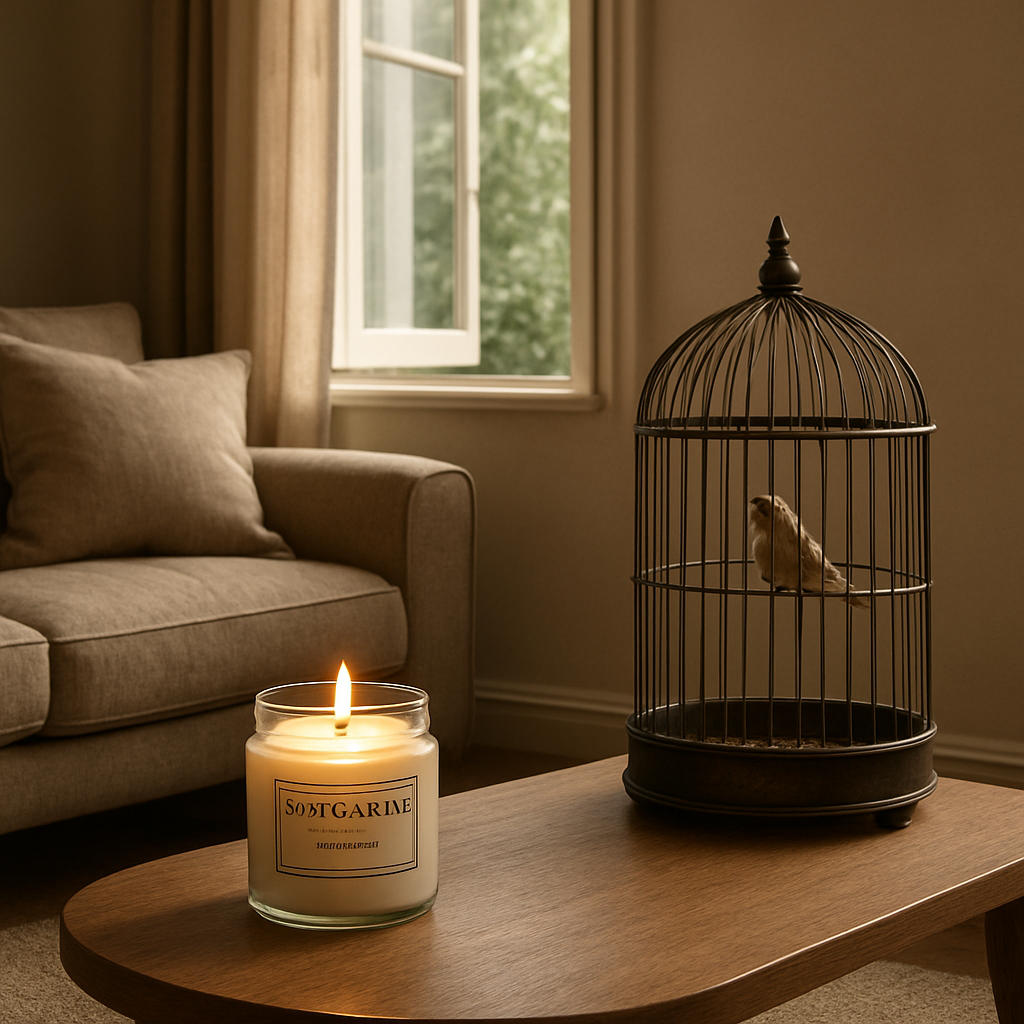
Remember, the goal isn’t just to create a warm glow—it’s to nurture a space where both you and your bird can breathe easy. Follow these simple rules and you’ll have a safe, aromatic haven for everyone.
When to Avoid Soy Candles Near Birds: Signs and Precautions
So you’re wondering when to pull the plug on that cozy soy candle. The answer isn’t just about the scent; it’s about what your feathered friend is breathing while you’re lighting it.
First sign: a sudden flurry of activity. If your parakeet starts flapping, squawking, or darting around the cage the minute the flame pops, that’s your cue that the aroma is too strong.
Second sign: drooping wings or a sluggish demeanor right after you light the candle. A bird that’s usually upbeat but suddenly looks listless is probably reacting to an irritant in the air.
Third sign: wheezing or a noticeable cough. Birds have air sacs that act like tiny bellows. A sharp intake of fragrance can trigger a coughing spell, and you’ll notice a wheeze or a brief pause in breathing.
So, how do you spot these moments early? Keep a quick checklist next to your candle holder:
- Observe your bird’s behavior for the first 5 minutes after lighting.
- Note any change in breathing or activity.
- Check if the bird retreats to a quieter spot.
- Watch for drooping wings or a sudden quiet.
What if you see one of those red flags? Don’t panic—just turn off the flame, open a window, and let fresh air circulate. The scent will dissipate faster, and your bird will feel more comfortable.
But prevention beats reaction. Here’s a quick playbook you can follow before you even light that candle:
1. Keep the distance.
Place the candle at least 3–4 feet away from the cage. That buffer lets the aroma drift out before it hits the bird’s nose.
2. Choose a light scent.
Stick to single‑note aromas like lemon or vanilla. Heavy blends—think strong florals—can overwhelm even the most tolerant bird.
3. Keep it brief.
Let the candle burn for only 5–10 minutes before closing the door. A short burst keeps exposure low and gives the bird time to adjust.
4. Test first.
Light a candle 10 minutes before you plan to use it. Watch your bird for 10 minutes. If all stays calm, you can let it burn a bit longer during the evening.
5. Use a diffuser if you want more control.
Diffusers spread scent more evenly and let you dial the intensity down. Add just a drop or two of your chosen fragrance per hour—less is more.
Now, what if your bird keeps acting off even with a light scent? Consider switching to a scentless candle or a non‑candle alternative like a simmer pot with apple or lavender. These options provide a gentle aroma without the risk of inhaling volatile compounds.
Remember, the goal is a calm, breathable space for both of you. If your bird flutters, coughs, or suddenly becomes quiet whenever the candle is lit, it’s time to pull the plug. Keep those signs in mind, test before you light, and you’ll have a cozy glow that won’t stress your feathered friend.
FAQ
Got more questions? Below are the most common ones we hear from bird owners.
1. Are soy candles actually safe for birds?
Short answer: yes—if you keep the fragrance low and give your bird plenty of fresh air. Soy wax itself is a clean‑burning, plant‑based material that produces far less soot than paraffin. The trick is to choose a candle with a single, light note (like lemon or vanilla) and burn it only a few minutes before closing the room. That way the bird’s sensitive olfactory system gets the benefit of a warm glow without the risk of irritation.
2. What should I look for on a candle label?
Check that the wax is 100 % soy, that the fragrance is “pet‑friendly” or “bird‑safe,” and that there are no dyes or metal‑tipped wicks. A plain cotton wick and no added paraffin keep the burn temperature lower and cut down on VOCs. If a candle lists “fragrance oil,” make sure it’s made from botanical essential oils, not synthetic blends that can leave airborne irritants.
3. How long can I leave a soy candle burning near my bird’s cage?
Let it burn for about 5–10 minutes before closing the door. That short burst spreads the scent without concentrating it. If you’re in a room with good ventilation—an open window or a fan—your bird gets a quick air‑refresh after the candle lights up. Anything longer risks the scent building up, which can trigger restlessness or coughing in sensitive species.
4. Are there safer alternatives to scented candles?
Absolutely. A simmer pot with apple slices, cinnamon sticks, or a few lavender buds releases a gentle aroma that’s much less likely to overwhelm a bird’s air sacs. Diffusers with a drop or two of essential oil per hour also work, but keep the concentration low. Both options let you enjoy a subtle fragrance while keeping the air comfortably breathable for your feathered friend.
5. What signs should I watch for that my bird is upset by the candle?
Look for sudden flutters, squawking, or a sudden drop in activity right after the flame goes up. A wheeze or coughing episode is a red flag. If the bird retreats to a quieter corner or seems listless, that’s another sign the scent is too strong. When you spot any of these, extinguish the flame, open a window, and give fresh air a chance to circulate.
6. Can I use a scented soy candle during holiday celebrations without risking my bird?
Yes—just follow the same precautions. Keep the candle 3–4 feet from the cage, use a mild single‑note scent, and limit the burn to 10 minutes before you close the room. After the celebration, let the room air out for a few minutes. With a little mindfulness, you can enjoy the festive glow while keeping your bird safe and relaxed.
Conclusion
We’ve walked through the nitty‑gritty of soy candle safety for birds, and the verdict is simple: yes, they’re safe—if you keep the flame low, the scent light, and the air flowing.
The key rule of thumb? Treat the candle like a gentle hug, not a fireworks show. Keep the candle at least 3–4 feet from the cage, let it burn for 5–10 minutes before closing the door, and choose a single‑note fragrance—think vanilla or lemon, not a heavy floral mash‑up.
Think of the bird’s nose as a magnifying glass. One whiff of a strong scent can feel like a storm, so a little goes a long way. If your feathered friend flutters, squawks, or takes a deep breath, pull the flame out and open a window—just like you’d do for a human allergy flare.
In the end, it’s all about balance: light scent, short burn, good ventilation, and a calm bird. If you’re still unsure, test first—light a candle in a separate room, watch the bird for ten minutes, then decide. That’s the best way to keep everyone happy and safe.
So go ahead, light that glow, and enjoy the cozy ambience. Your bird will thank you, and you’ll feel at peace knowing you’ve made the right choice.
0 comments