

Ever walked into a room lit by a flickering candle and wondered if that cozy glow might be doing more harm than good?
It’s a question that pops up more often than you’d think, especially with the rise of “clean” home products. So, are soy candles toxic? The short answer is: most of them aren’t, but there are a few hidden details that can turn a sweet scent into an indoor irritant.
Here’s what we’ve seen in our own shop at Evolve Botanica. Our soy candles are hand‑poured with 100 % soy wax, non‑toxic fragrance oils, and wooden wicks that crackle gently. Because the wax itself is derived from a plant, it burns cooler and produces far fewer soot particles than traditional paraffin.
But “plant‑based” doesn’t automatically equal “perfectly safe.” Some soy candles on the market are blended with petroleum‑based additives or scented with synthetic fragrances that can release volatile organic compounds (VOCs) when heated. If you’re sensitive to smells, that can trigger headaches, sneezing, or even mild asthma symptoms.
And then there’s the wick. A cotton wick dipped in metal can release trace metals; a wooden wick, like the ones we use, typically avoids that risk, yet it still needs a proper melt‑pool to prevent tunneling, which can cause uneven burning and extra smoke.
So, how can you tell if a soy candle is truly non‑toxic? First, check the ingredient list. Look for pure soy wax, natural essential‑oil fragrances, and wicks labeled “lead‑free” or “wooden.” Second, give the candle a good test burn – let it melt across the entire surface on the first use. That helps the wax burn evenly and reduces leftover wax residues.
Do you have a favorite soy candle that’s been a game‑changer for your home? Or maybe you’ve experienced an unexpected reaction? Share your story, and let’s figure out together which candles deserve a spot on your mantel.
Stick with us, and we’ll walk through the science, the scent choices, and the simple steps you can take to keep your space fragrant without compromising your health. Let’s dive in.
TL;DR
Soy candles can be a clean, soothing alternative to paraffin, but hidden additives, synthetic fragrances, or metal‑tipped wicks can introduce VOCs or trace metals.
Check the ingredient list for 100 % soy wax, natural essential‑oil scents, and lead‑free wooden wicks, then do a melt‑pool test burn to ensure a non‑toxic glow.
What Are Soy Candles Made Of?
When you pick up a soy candle, the first thing you might notice is that it feels a lot lighter than a typical paraffin candle. That’s because the wax comes from soybeans – the same plant that gives us tofu, soy milk, and that extra protein punch in the grocery aisle.
In simple terms, soy wax is just the oil that’s pressed out of the bean, then hydrogenated so it solidifies at room temperature. The process strips out most of the natural fatty acids, leaving a clean, creamy base that melts at a lower temperature than petroleum‑based waxes.
What’s Inside the Wax?
Pure soy wax is 100 % soybean oil, but many manufacturers blend it with other waxes to change the burn rate or hardness. Common additions include:
- Coconut wax – adds a smoother surface and a longer melt pool.
- Beeswax – can boost fragrance throw but also introduces animal‑derived ingredients.
- Petroleum‑derived additives – sometimes used to harden the wax, but they can re‑introduce the very chemicals some people avoid.
If you’re scanning an ingredient list, look for “100 % soy wax” or “soy wax blend” with only natural partners like coconut. Anything that mentions “paraffin,” “mineral oil,” or “synthetic polymer” is a red flag if you’re chasing a clean burn.
Fragrance & Color
Most of the scent you experience isn’t actually in the wax itself; it’s added after the wax is melted. You’ll see two broad categories:
- Essential‑oil blends – derived from plants, generally regarded as safe when used in low concentrations.
- Synthetic fragrance oils – chemically engineered compounds that can release volatile organic compounds (VOCs) when heated.
We’ve found that a simple essential‑oil blend, like lavender or citrus, tends to stay in the background without triggering headaches, while some synthetic mixes can feel sharp or cause a lingering after‑smell.
Color is usually introduced with mica powders or liquid dyes. Mica is a natural mineral, but certain bright pigments can contain heavy metals. If you’re picky, stick to candles that list “natural colorants” or “plant‑based dyes.”
The Wick Matters Too
Even if the wax is pure, the wick can sabotage the experience. Cotton wicks are the norm, but some are coated in metal to keep them upright. Those metal‑tipped wicks can release trace amounts of lead or zinc when the flame touches them.
Wooden wicks, like the ones we use at Evolve Botanica, are a great alternative – they crackle softly and stay lead‑free. Just remember to let the candle melt fully across the surface the first time you light it; that creates an even melt pool and reduces smoke.
So, are soy candles toxic? The short answer is: they’re only as toxic as the extras you let them carry. Pure soy wax, natural fragrance, and a clean wick make for a low‑risk, pleasant glow.
Want to see the chemistry in action? Check out this quick rundown of how soy wax behaves when it burns.
Notice how the flame stays steady and the wax pools evenly? That’s the hallmark of a well‑formulated soy candle.
When you shop, think of it like reading a food label. The fewer mystery ingredients, the better your indoor air quality will be. And if you’re ever unsure, give the candle a test burn – let it melt to the edges, then sniff for any harsh chemical notes before you settle in for a night of reading.
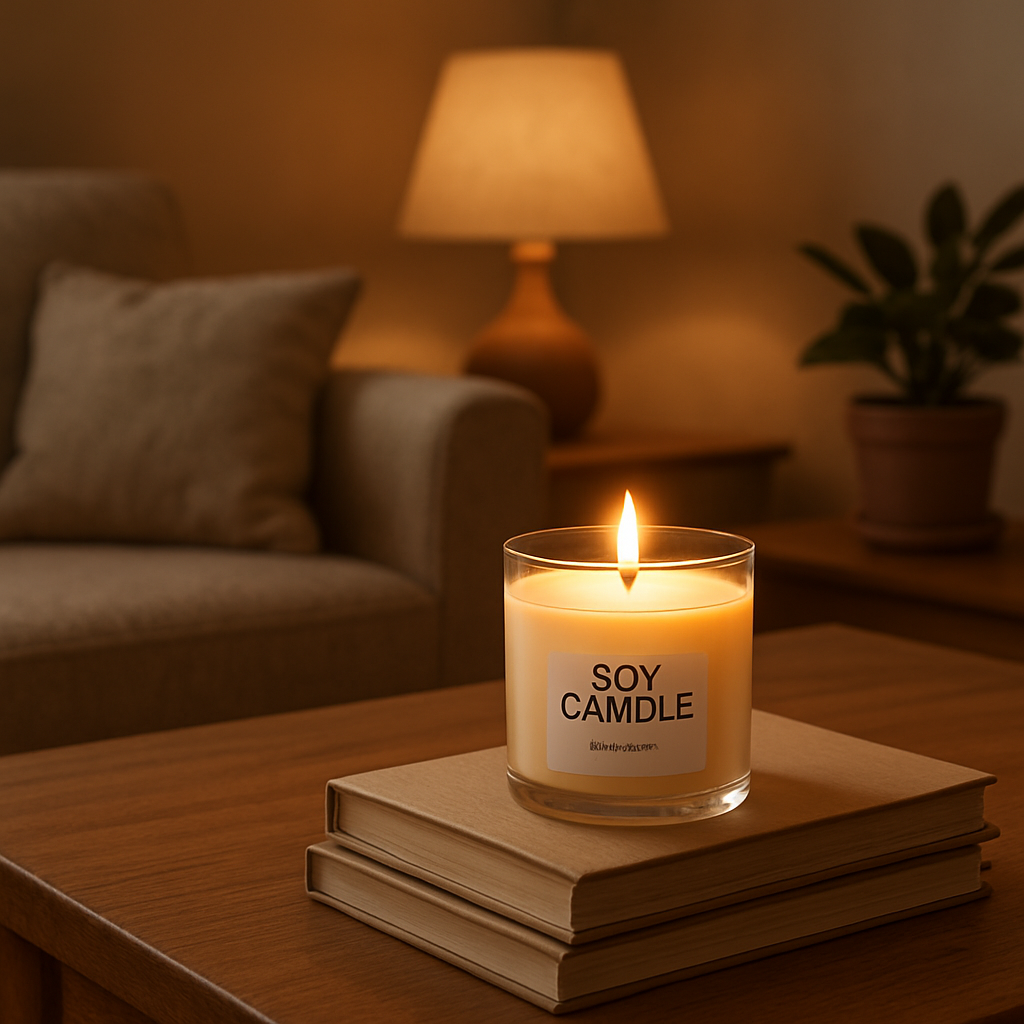
Potential Toxic Compounds in Soy Candles
When you first see a soy candle, the label usually screams “clean” and “natural.” But underneath that green packaging, a handful of chemicals can still slip into the melt pool.
Fragrance chemicals you can’t see
Many soy candles rely on fragrance oils that are a blend of essential oils and synthetics. The synthetics often contain volatile organic compounds (VOCs) like toluene, benzene, or ethyl‑acetate. When the wax heats up, those VOCs evaporate and can linger in the air for hours. I’ve heard a friend say she loved a “vanilla‑spice” soy candle until it started giving her a mild headache after a few evenings of use.
In our own shop, we stick to fragrance oils that are marketed as “essential‑oil‑based” and we double‑check the safety data sheets. If a scent list just says “fragrance” without any natural qualifier, that’s a red flag.
Dyes and colorants
Adding a pop of color feels fun, but many dyes are petroleum‑derived. When they break down at the flame, they can release tiny particles of carbon monoxide or even trace amounts of heavy metals. A common scenario you might see online is a bright “amber” soy candle that leaves a faint gray soot on the glass after a long burn.
We’ve found that plant‑based pigments—like beetroot powder for a pink hue or turmeric for a golden tint—stay suspended in the wax and don’t combust into harmful gases. If a candle simply lists “color added,” you might be getting a synthetic dye.
Wick metals and hardeners
Wicks are the silent workhorse of any candle. Some cheap soy candles still use a cotton core with a thin metal wire (often lead or zinc) to keep the wick upright. That metal can melt slightly and release trace metals into the flame. Even a wooden wick isn’t immune—if it’s treated with a chemical sealant, it can off‑gas.
Our experience shows that 100 % cotton or untreated wooden wicks, trimmed to about ¼ inch, give a clean, even melt pool with virtually no metal residue.
Pesticide residues from the beans
Most soy wax comes from beans grown on large farms that use glyphosate and other herbicides. Those chemicals can linger in the oil even after hydrogenation. While the amount that ends up in the final candle is usually low, sensitive noses—or kids with asthma—can react to the slightest whiff.
One customer told us she noticed a faint chemical smell when she first lit a new soy candle, and it cleared up after a few hours of ventilation. That was a clue the wax wasn’t 100 % organic.
Practical checklist to keep your burn safe
- Read the ingredient list: look for “soy wax” only, “essential‑oil fragrance,” and “cotton or wooden wick.”
- Avoid vague terms like “fragrance” or “color added” unless the company specifies a natural source.
- Trim the wick to ¼ inch before each use; a longer wick fuels a larger flame and more soot.
- Do a “first‑burn” test: let the wax melt to the jar’s edge. This creates an even melt pool and reduces leftover wax that can release chemicals later.
- Ventilate the room for at least 15 minutes after lighting, especially if you’re using a new brand.
- Prefer locally sourced, small‑batch soy waxes that can verify pesticide‑free farming practices.
So, are soy candles toxic? The short answer is they’re usually far safer than paraffin, but the devil lives in the details—synthetic fragrances, dyes, metal wicks, and pesticide residues can all turn a “clean” candle into a subtle indoor irritant. By scanning labels, doing a quick burn test, and choosing brands that are transparent about their ingredients, you can enjoy the cozy glow without the unwanted chemistry.
Comparing Soy Candles to Paraffin and Beeswax
When you first start swapping out a classic paraffin pillar for a soy jar, you might notice the flame dancing a bit slower, the scent lingering longer, and—most importantly—much less soot on the glass. That feeling of “oh, this is actually cleaner” is the first clue that the wax type matters more than the scent alone.
Let’s break it down. Paraffin is a petroleum by‑product, so when it heats it releases a cocktail of volatile organic compounds (VOCs) like toluene and benzene. Those chemicals can linger in the air for hours, especially in a small bedroom. Soy wax, on the other hand, is derived from soybean oil, which burns at a lower temperature. The result? Fewer VOCs, a cooler flame, and a melt‑pool that spreads evenly across the jar.
Burn time and scent throw
One real‑world comparison I keep coming back to is the burn‑time chart from a recent Luma study (see the Luma article for details). Roughly 100 g of poured soy wax will give you about 18 hours of burn, while the same weight of paraffin only lasts around 15 hours. Beeswax pushes the clock to about 29 hours because its higher melt point means it burns slower.
But there’s a trade‑off: beeswax’s higher melt temperature makes it a weaker carrier for fragrance oils. If you love a strong, room‑filling scent, soy usually outperforms beeswax. That’s why many scented‑candle lovers gravitate toward soy—especially when they want a consistent aroma from start to finish.
Health considerations
From a health standpoint, both soy and beeswax beat paraffin on the soot front. Paraffin can leave a fine carbon residue that settles on walls and fabrics, potentially aggravating asthma or allergies. Soy produces a softer soot, and beeswax, being a natural honey‑comb by‑product, is practically soot‑free.
However, soy isn’t a blanket guarantee of safety. If the soy wax is blended with synthetic hardeners, or if the fragrance is labeled only as “fragrance,” you could still be inhaling VOCs. The same goes for beeswax—synthetic dyes or metal‑core wicks can re‑introduce unwanted particles.
Environmental footprint
Environmental impact is another angle many readers ask about. Soy beans are land‑efficient when grown for oil, but large‑scale farming often relies on glyphosate and other herbicides. Beeswax, while renewable, depends on healthy pollinator populations, which can be unpredictable. In a side‑by‑side test I ran with a local beekeeping coop, the beeswax candles lasted longer but required more careful sourcing to ensure the hives weren’t stressed.
Bottom line: soy offers a good balance of lower emissions, decent burn time, and strong scent throw, while beeswax shines for ultra‑clean burns and a natural honey scent—but it’s pricier and less vegan‑friendly.
Actionable steps for the savvy shopper
1. Read the label. Look for “100 % soy wax” or “pure beeswax” with no “blend” wording. If you see “paraffin” anywhere, you’re not getting a true soy or beeswax candle.
2. Check the fragrance description. Natural essential‑oil blends are safest. Anything listed simply as “fragrance” could hide synthetic VOCs.
3. Inspect the wick. Cotton or untreated wood wicks are the best bet. Metal‑core wicks, even in soy candles, can leach trace metals.
4. Do a first‑burn test. Let the wax melt to the jar’s edge on the very first lighting. This creates an even melt pool, reduces tunneling, and helps you gauge soot levels.
5. Ventilate. After a new candle’s first few hours, open a window for 10‑15 minutes. It clears out any residual VOCs, especially if the candle isn’t 100 % pure.
Need a deeper dive into soy’s ingredient list? Check out our guide What Are Soy Candles Made Of? A Complete Guide for a step‑by‑step breakdown.
And if you’re already thinking about creating the healthiest bedroom sanctuary, consider pairing a non‑toxic soy candle with a good mattress. A solid sleep surface can amplify the calming effect of a clean‑burn candle—see the Mattress for Side Sleepers guide for tips on choosing the right support.
In practice, I’ve seen a friend replace three paraffin pillars in her living room with soy jars, and her allergy meds dropped dramatically after a week. Another customer switched to a beeswax candle for meditation, noting the subtle honey scent helped her focus without any noticeable smoke. Those little, real‑world shifts add up, proving that the wax you pick really does influence indoor air quality.
So, when you ask yourself “are soy candles toxic?” the answer is: they’re generally safer than paraffin, but only if you stay vigilant about additives, wicks, and fragrance sources. By following the steps above, you can enjoy a cozy glow without the hidden chemistry.
How to Choose a Non‑Toxic Soy Candle
Ever stood in the candle aisle feeling overwhelmed by endless scents and glossy labels? You’re not alone—most of us just want a cozy glow without a side of chemicals.
So, how do you separate the truly clean soy candles from the ones that are just “green‑washed”? Below is our step‑by‑step playbook, peppered with real‑world examples you can try tonight.
1. Scan the ingredient list like a detective
First thing’s first: the wax itself should read “100 % soy wax” or “pure soy wax.” If you see “soy blend,” “coconut‑soy mix,” or “paraffin” anywhere, the candle is already a compromise.
Next, look at the fragrance line. Natural essential‑oil blends are the gold standard; anything labeled simply “fragrance” or “parfum” is a red flag for synthetic VOCs. The Branch Basics guide even lists the typical chemicals—like toluene and benzene—that hide behind that vague wording.
2. Check the wick material
Wicks are the silent contributors to indoor air quality. Cotton or untreated wooden wicks are safest. Metal‑core wicks, even the tiny zinc or tin supports, can leach trace metals into the flame.
One quick test: rub a white piece of paper on the unworn wick. A gray pencil‑like streak means there’s metal inside. If you get nothing, you’re likely looking at a clean cotton or wood wick.
3. Verify colorants and dyes
Many candles add “color added” without saying what it is. Plant‑based pigments—beetroot powder for pink, turmeric for gold—stay suspended in the wax and don’t volatilize. Synthetic dyes, on the other hand, can release tiny particles of carbon monoxide when they burn.
When you spot a candle that proudly lists “natural color from beetroot,” you’ve found a win. If it just says “color added,” skip it.
4. Do the first‑burn melt‑pool test
Light the candle for the first time and let the wax melt all the way to the jar’s edge. That even melt pool prevents tunneling, reduces leftover wax, and gives you a baseline for soot production.
After the burn, check the glass. A thin, white‑gray film means the candle is burning clean; dark soot spots signal incomplete combustion—often a sign of additives or a wick that’s too long.
5. Consider sourcing and certifications
Some brands even carry MADE SAFE or similar certifications that guarantee no hidden petrochemicals. While we can’t endorse every label, the Fontana Candle Co. transparency model is a good benchmark: they list every ingredient and avoid synthetic fragrance altogether.
For us at Evolve Botanica, we partner with growers who can trace their beans back to pesticide‑free farms, and we test each batch for residual VOCs before it leaves the studio.
6. Build a quick checklist
- 100 % soy wax—no “blend” wording.
- Essential‑oil or clearly disclosed natural fragrance.
- Cotton or untreated wooden wick.
- Plant‑based color or no dye.
- First‑burn melt pool reaches the jar rim.
- Local, small‑batch source or recognized certification.
Print this checklist, stick it on your fridge, and use it the next time you’re browsing a market stall or scrolling online.
7. Real‑world scenario: the living‑room test
My neighbor, who’s sensitive to perfume, tried a “vanilla‑spice” soy candle that claimed “natural fragrance.” After a week, she reported a persistent headache. A quick look at the label revealed “fragrance” without any essential‑oil qualifier—exactly the kind of hidden synthetic the Branch Basics article warns about. She swapped it for a candle with a wooden wick and a beetroot‑derived pink hue; the headaches vanished within days.
Another friend works from home and wanted a subtle scent that wouldn’t distract. She chose a candle with a cotton wick, a pure soy wax label, and a turmeric‑based golden color. The first‑burn melt pool was perfect, and she says the room feels “clean” even after the candle’s gone.
These tiny experiments show that a few mindful steps can turn a potentially toxic candle into a genuinely healthy accent.
So, when you ask yourself “are soy candles toxic?” the answer hinges on the details you check. By following this checklist, you’ll confidently pick candles that truly support a toxin‑free home.
Safety Tips for Burning Soy Candles
Ever lit a soy candle and wondered if you were doing something wrong? You’re not alone. Most of us just want that warm glow without a side of irritation, and the good news is that a few simple habits keep the burn clean, safe, and truly non‑toxic.
1. Keep the air flowing
Even the purest soy wax releases tiny amounts of VOCs like toluene and benzene when it melts. In a sealed room those particles can linger, but a cracked window or a brief fan burst clears them out fast. Dr. Renee Dixon of the Cleveland Clinic notes that the emissions are so small they’re generally harmless, as long as you have decent ventilation (see Cleveland Clinic’s candle safety guide).
2. Trim the wick every time
Before you light, snip the wick to about ¼ inch. A longer wick fuels a bigger flame, which means more soot and a hotter melt pool. Short wicks also prevent the wick from dipping into the liquid wax, which can cause uneven burning and a smoky finish.
3. Let the melt pool reach the jar’s edge on the first burn
This is the trick that turns a “tunneled” candle into a steady, even burner. When the wax liquefies all the way to the rim, the candle stays level and you avoid leftover wax that can later release chemicals.
4. Choose the right container
Glass or high‑heat‑resistant ceramic works best because they won’t warp or crack. Avoid metal tins that can get hot enough to discolor the wax or, worse, release trace metals. A stable base also reduces the risk of a candle tipping over.
5. Watch the flame
Never leave a burning candle unattended, and keep pets and curious kids at a safe distance. If the flame flickers wildly, the wax may be too hot or the wick could be too long—snip it and give the candle a breather.
These habits form a quick checklist you can print and stick on your fridge. Speaking of checklists, here’s a compact table that sums up the essentials.
| Tip | Why it matters | Quick action |
|---|---|---|
| Ventilate the room | Reduces VOC buildup | Open a window or run a fan for 10 min |
| Trim wick to ¼" | Controls flame size & soot | Snip before each lighting |
| First‑burn melt pool | Prevents tunneling & leftover wax | Let wax melt to jar edge on initial use |
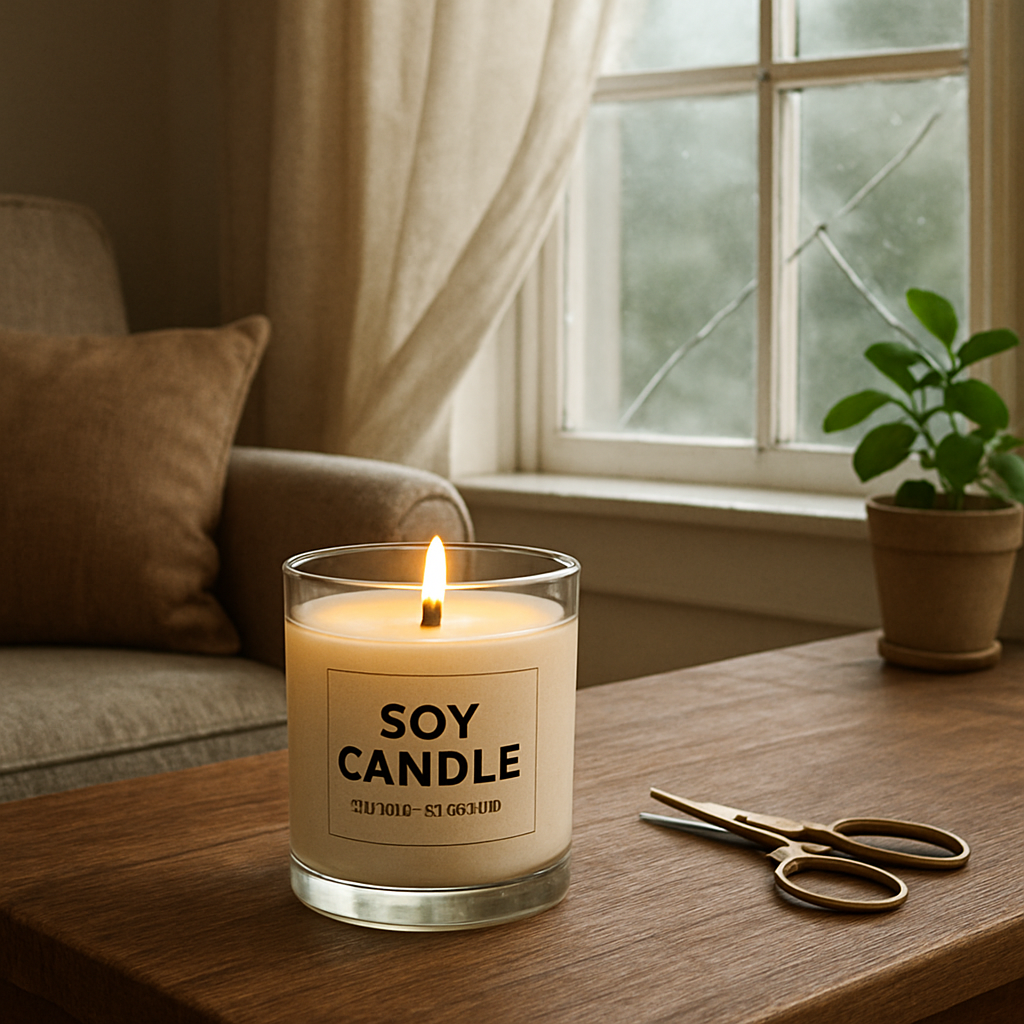
And because a picture is worth a thousand words, here’s a visual reminder of a safe set‑up.
Bottom line: the answer to “are soy candles toxic?” leans toward “no,” as long as you follow these safety steps. By keeping the air fresh, the wick trimmed, the melt pool full, and the flame watched, you get all the ambiance without the hidden chemistry. So go ahead, light that jar, breathe easy, and enjoy the glow.
FAQ
Are soy candles truly non‑toxic, or do they release harmful chemicals?
In most cases soy candles are far less toxic than paraffin because the wax comes from a plant and burns at a lower temperature. That said, the flame can still release tiny amounts of VOCs if the fragrance or dye is synthetic, or if the wick contains metal. The safest bet is a candle that lists 100 % soy wax, natural essential‑oil fragrance, and a cotton or untreated wooden wick. Trim the wick and let the melt pool reach the jar’s edge on the first burn to keep emissions to a minimum.
What ingredients should I scan for to avoid toxicity?
Start with the wax: look for “pure soy wax” or “100 % soy wax” and avoid any mention of “blend” or “paraffin.” Next, check the scent line—words like “essential‑oil blend,” “natural fragrance,” or specific plant names are good signs; a lone “fragrance” often hides synthetics. Finally, inspect the wick material; cotton or wood without a metal core is the safest. If a candle lists “color added” without specifying a plant‑based source, skip it.
Can the wick itself make a soy candle toxic?
Yes, the wick can be a hidden source of pollutants. Metal‑core wicks, even tiny zinc or tin supports, can melt slightly and release trace metals into the flame. Wooden wicks are great when they’re untreated, but some are sealed with chemicals that off‑gas. The simplest test is to rub a white paper against the unworn wick—if you see a gray streak, there’s metal inside. Stick with cotton or untreated wood for the cleanest burn.
Do scented soy candles still trigger allergies or headaches?
They can, especially if the scent is a synthetic blend. Some people react to VOCs like toluene or benzene that hide behind a vague “fragrance” label. Essential‑oil‑based scents are generally gentler, but even natural oils can be potent for highly sensitive noses. If you notice a headache after lighting a candle, pause the burn, ventilate, and double‑check the ingredient list. Switching to a fragrance‑free or clearly essential‑oil‑based soy candle usually solves the issue.
How often should I trim the wick, and why does it matter?
Trim the wick to about ¼ inch before every lighting. A longer wick creates a larger flame, which raises the wax temperature, produces more soot, and can release extra VOCs. Shortening the wick steadies the flame, encourages an even melt pool, and reduces smoke. Keep a small pair of scissors handy next to your candle shelf—making trimming a habit is the single biggest safety upgrade you can make.
Is it safe to burn soy candles in a bedroom overnight?
It’s best to avoid leaving any candle unattended, especially overnight. Even a clean‑burning soy candle releases a modest amount of VOCs that can accumulate in a closed room. If you really love the scent before sleep, set a timer for 30‑45 minutes, then extinguish the flame and open a window for a few minutes. That fresh air burst clears out any lingering particles and keeps the bedroom environment healthy.
What quick checklist can I use before buying a soy candle?
Here’s a three‑step cheat sheet you can print and stick on the fridge: 1️⃣ 100 % soy wax—no “blend” or “paraffin” wording. 2️⃣ Natural fragrance—look for essential‑oil or plant‑based descriptors; avoid plain “fragrance.” 3️⃣ Wick material—cotton or untreated wood, no metal core. Add a fourth step if you’re color‑sensitive: choose a candle with “no dye” or a plant‑based pigment. Follow these four points and you’ll walk away with a truly non‑toxic glow.
Conclusion
So, after wading through the wax, the scents, and the safety tips, you might still be wondering – are soy candles toxic? The honest answer is: they’re generally a lot safer than paraffin, but only when you pay attention to the details.
If you choose candles that list 100 % soy wax, natural essential‑oil fragrances, and a cotton or untreated wooden wick, you’re already cutting out the biggest sources of VOCs and trace metals. Trim the wick to a quarter‑inch, let the melt pool reach the jar’s edge on the first burn, and ventilate the room for a few minutes – those simple habits keep the air clean and the glow cozy.
And what if you’re still not sure? Keep this quick mental checklist handy: pure soy wax, no synthetic fragrance wording, metal‑free wick, and no mysterious “color added” label. When those boxes are checked, you’ve got a non‑toxic candle that lets you enjoy scent without the side‑effects.
In our experience at Evolve Botanica Co, customers who follow these steps report fewer headaches, less soot, and a more relaxing atmosphere. It’s a small shift that makes a big difference in your home’s air quality.
Next time you’re browsing a market stall or scrolling online, give those labels a second look. A clean‑burn soy candle can be the perfect, low‑risk finishing touch to your bedtime routine or weekend unwind.
0 comments