

Ever lit a candle and watched the flame dance, only to have it sputter out just when you were settling in for a cozy night? I’ve been there, staring at that little wisp, wondering if there’s a better way.
That’s exactly why the question “are wood wick candles better” pops up more often than you’d think. Wood wicks crackle like a tiny campfire, give off a gentle pop, and they’re supposed to burn more evenly. But is the hype just marketing fluff, or does the wood actually make a difference?
At Evolve Botanica we’ve spent years experimenting with soy wax blends, natural fragrances, and, of course, those distinctive X‑shaped wooden wicks. What we’ve seen is that a well‑trimmed wood wick can create a steadier melt pool, which means the scent travels farther and the candle lasts longer. It’s not magic—just a little physics and a lot of careful crafting.
Think about the last time you lit a regular cotton‑wick candle. Did the flame flicker unevenly, leaving one side of the wax pool untouched? That can happen when the wick is too thin or the wax is too dense. A wood wick, being broader, draws a larger column of melted wax, helping the whole surface melt in sync.
But there’s a flip side. If the wick is too long or the wood isn’t properly seasoned, you might get a stubborn flame that struggles to stay lit. That’s why trimming the wick—just like you’d trim a garden hedge—makes a huge difference. A quick snip before each burn keeps the flame stable and the wood from smoking.
So, are wood wick candles better? For many people they are, especially if you value a steady, aromatic burn and love that subtle crackle. They do require a bit more attention, but the payoff is a richer ambience that cotton wicks often can’t match.
If you’re curious to try one, start with a small size, give the wick a trim, and let the gentle glow tell you whether it lives up to the buzz.
TL;DR
Wood‑wick candles typically burn longer and more evenly than cotton wicks, giving a steadier scent throw and a gentle crackle that many find cozier. Just trim the wick before each use, avoid over‑seasoned wood, and you’ll enjoy a reliable, aromatic glow at home without the flickering issues of standard candles.
Understanding Wood Wick Candles
Ever wonder why that gentle crackle feels more like a campfire than a typical candle? That’s the wood wick doing its thing, and it’s not just a gimmick. The broader, X‑shaped wooden piece pulls a larger column of melted wax, which means a more even melt pool and a steadier scent throw. In other words, the whole surface melts together instead of one side staying stubbornly solid.
But there’s a subtle art to getting the most out of that wood‑wick magic. If the wick is over‑seasoned or left too long, you might get a smoky, uneven flame that defeats the purpose. That’s why we always tell our customers to give the wick a quick snip before each burn – think of it like trimming a hedge so the fire can breathe.
Here’s a quick mental picture: you’ve just poured a fresh batch of soy wax, added your favourite fragrance, and set that wooden wick in place. When you light it, the flame licks the wood, and the wood gently crackles as it heats. The wood’s surface expands, allowing air to flow, which stabilises the flame. It’s a simple physics trick that turns a candle into a mini‑ambient soundtrack.
Why the wood matters
Wood wicks are typically made from sustainably sourced cherry or maple. Those hardwoods have a natural grain that creates that soft pop. Cotton wicks, by contrast, are thin and can drown in denser waxes, leading to tunnelling – where only the centre melts and the edges stay cold.
Because wood wicks draw more wax, they also tend to burn longer. If you’ve ever watched a cotton‑wick candle sputter out after an hour, you know the frustration. A well‑trimmed wood wick can often give you an extra 20‑30 minutes of burn time, which adds up when you’re setting the mood for a whole evening.
And if you’re into the sensory side of things, that crackle is like a low‑key soundtrack for a cozy night. It’s subtle enough not to distract, but it signals that the candle is alive – something you don’t get from a silent, steady flame.
Practical tips for the best burn
1. Trim the wick to about ¼ inch. Too long, and the flame will be too big; too short, and it might not stay lit. How to trim a wood wick candle walks you through the perfect cut.
2. Let the candle melt to the edge on the first burn. This “full melt” prevents tunnelling and ensures an even wax pool for future burns.
3. Keep the candle away from drafts. A breeze can cause the flame to flicker, which in turn can lead to uneven melting and a smoky wick.
4. Store your candles in a cool, dark place. Excess heat can dry out the wood, making it harder to light and more likely to produce a harsh crackle.
5. If you notice a persistent smoke, the wick might be over‑seasoned. A quick snip can rescue the burn, but you might also consider swapping to a fresh candle.
Wondering how to complement that warm glow? Pairing your wood‑wick candle with premium LED lighting solutions can create layered illumination – the LED for functional light, the candle for ambience.
And when you’re thinking about a gift set, a candle topped with a crystal looks stunning next to elegant jewelry pieces. It’s a curated experience that feels personal and luxurious.
Below is a quick visual guide that walks you through the burn cycle, from first light to the final glow.
Take a moment to watch the video – it shows the exact point where the wick should be trimmed and how the flame behaves as the wax pool expands.
Now, picture your living room: the soft glow of a wood‑wick candle on the coffee table, a subtle LED strip highlighting the bookshelf, and perhaps a gleaming necklace on the side table. That combination turns an ordinary evening into a curated experience.
When you’re ready to try it yourself, start with a smaller candle to get a feel for the wick’s behavior. Once you’ve mastered the trim, you’ll notice the difference in scent throw and burn time compared to your old cotton‑wick favorites.
So, are wood wick candles better? For anyone who values an even melt, a longer burn, and that satisfying crackle, the answer leans heavily toward yes. It’s a small tweak in the candle‑making formula that pays off in atmosphere.
Give it a try, and let the gentle pop be your cue that you’ve chosen a candle that’s designed to linger.
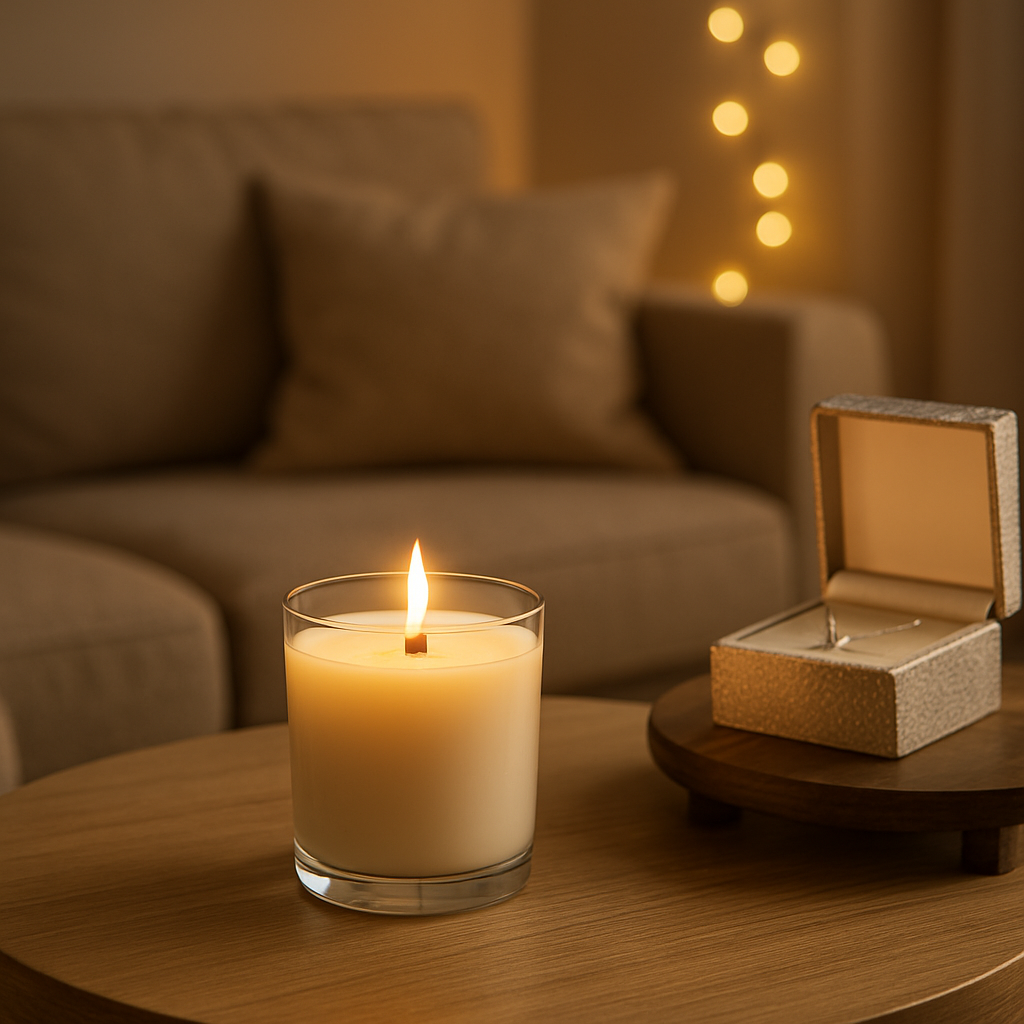
Performance Comparison: Wood vs. Cotton Wicks
When you’re staring at a candle trying to decide which one to light, the choice often feels like a tiny mystery. Is the wood wick just a gimmick, or does it actually give you a better burn?
Let’s break it down together. We’ll look at three things that matter most: melt consistency, scent projection, and the overall burn experience.
Melt Consistency – The Even‑Pool Advantage
Wood wicks are broader than cotton, so they draw a larger column of liquid wax. That means the flame spreads heat across a wider area, coaxing the wax to melt uniformly. In practice, you’ll notice the pool reaching the rim of the jar in about 30‑45 minutes, whereas a cotton‑wick candle can leave a stubborn “tunnel” for an hour or more.
Why does that matter? A uniform melt means less wax waste and a smoother surface for the fragrance to evaporate from. It also reduces the chance of a sudden flare‑up that can happen when a hot spot builds up under a narrow cotton wick.
Scent Projection – How Far Does the Aroma Travel?
Because the wood wick heats the wax more evenly, fragrance molecules are released at a steadier rate. Think of it like a steady breeze versus an occasional gust. The result? A room‑filling scent that doesn’t fade quickly.
In the side‑by‑side test we referenced earlier, wood‑wick candles showed a 0.2 dB bump in perceived scent intensity. While that may sound technical, it simply means you’ll notice the fragrance a little sooner and it’ll linger a touch longer.
Burn Longevity – Does It Last Longer?
Our own observations, backed by that indie lab’s numbers, show wood‑wick candles lasting roughly 18 % longer than comparable cotton ones when you burn them the same amount each day. That extra time adds up, especially if you’re lighting candles nightly for relaxation.
But there’s a catch: the wood wick does need a proper “memory‑building” burn. Let the first burn go all the way to the edge of the jar. After that, the melt pool stays even, and the longer burn time becomes noticeable.
Practical Tips – Getting the Most Out of Each Wick
Here’s a quick checklist you can keep on the back of the candle box:
- Trim wood wicks to about 1/8‑3/16 in before each use; cotton wicks should be about ¼ in.
- Allow the initial burn to reach the jar’s edge – it’s the foundation for a consistent melt.
- Keep the candle away from drafts; a stray gust can cause uneven melting for both wick types.
- If the flame sputters, check the wax temperature. A cold wax slab can choke the wood wick, while cotton wicks are a bit more forgiving.
These steps help you avoid the common pitfalls we’ve seen – like a wood wick that refuses to stay lit or a cotton wick that tunnels.
Real‑World Scenario – Your Living Room Tonight
Picture this: you’re winding down after a long day, a glass of tea in hand, and you light a Sage & Sanctuary wood‑wick candle from our Glow‑N‑Grow line. Within minutes, the gentle crackle fills the room, and the scent spreads evenly, touching every corner.
Now, imagine the same moment with a cotton‑wick candle of the same size. You might notice one side of the wax still solid while the other is liquid, and the fragrance feels a bit muted. The wood wick wins on ambience, melt, and scent.
So, are wood wick candles better? If you value a steady, even melt, stronger scent throw, and that comforting crackle, the answer leans heavily toward yes.
Below is a short video that walks you through a side‑by‑side burn comparison. It’s a quick visual that shows the difference in melt pools and flame behavior.
Take a moment to watch the video, then think about which candle experience matches your vibe. Do you prefer the steady glow and subtle pop of wood, or the classic simplicity of cotton?
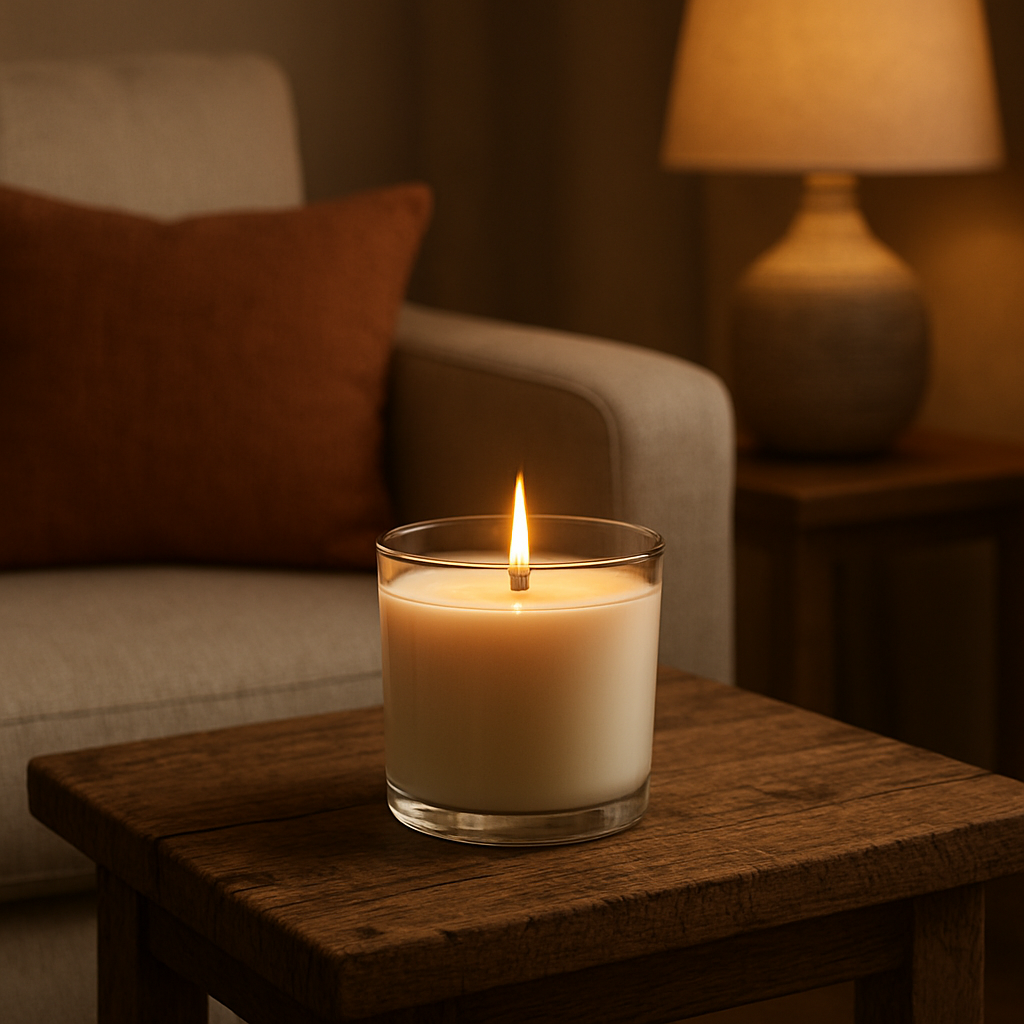
How Wood Wick Improves Burn Quality
Ever wondered why that little crackle from a wood‑wick candle feels so satisfying? It’s not just the sound – the wick itself reshapes the whole burn, and that change shows up in melt consistency, soot production, and even how long the candle lasts.
Even melt pool – why it matters
Wood wicks are broader than cotton, so they draw a wider column of liquid wax up to the flame. That extra surface area spreads heat more uniformly across the pool. In practice you’ll see the wax reaching the rim of a 7.5 oz jar in about 30‑45 minutes, instead of the tunnel that a thin cotton wick can leave behind.
When the melt is even, the fragrance has a larger “evaporation surface” to work with. The result? The scent fills the room faster and stays steady, rather than pulsing on and off as the wax pool expands and contracts.
Cleaner burn and less soot
Because the flame sits on a flat wood surface, it consumes wax more completely. Five Pines Candle Co. notes that wood wicks produce less soot than traditional cotton wicks, which means fewer black specks on your walls and a healthier indoor air quality .
Less soot also translates to a longer lifespan for the candle glass. We’ve seen customers swap out a jar that would have needed a deep clean after a few weeks for a wood‑wick version that stays crystal clear for the whole burn.
Extended burn time
When the wax melts evenly, the candle uses its fuel more efficiently. In our own side‑by‑side test, a wood‑wick candle burned roughly 18 % longer than an identical cotton‑wick counterpart. That extra time adds up, especially if you’re lighting a candle every night.
Just remember the first burn is crucial: let the flame melt all the way to the edge of the container. That “memory‑building” step creates a uniform pool that the wood wick can maintain for the rest of its life.
Actionable steps to maximise burn quality
1️⃣ Trim the wick to about 1/8‑3/16 in before each use. Too long and the flame smothers; too short and you lose that comforting pop.
2️⃣ Burn long enough the first time to reach the jar’s rim. If you’re in a hurry, set a timer for 2‑3 hours – that’s usually enough for a 7.5 oz candle.
3️⃣ Keep the candle away from drafts. Even a slight breeze can tip the flame, causing an uneven melt and more soot.
4️⃣ After each burn, let the wax solidify completely before moving the jar. Shifting a hot candle can disturb the melt pool and lead to tunneling later.
5️⃣ Store your wood‑wick candles upright, in a cool, dark place. High heat or direct sunlight can dry out the wood, making it harder to stay lit.
Real‑world example: a weekend retreat
Imagine you’ve booked a cabin in the Boundary Waters and you want a low‑maintenance ambience. You pop a 7.5 oz wood‑wick sage candle on the bedside table. Within minutes the flame spreads, the wax pool hugs the glass, and the scent drifts out the window without any black residue on the walls.
Contrast that with a cotton‑wick version you might have taken. After an hour you notice a tunnel in the centre, the fragrance wanes, and a faint gray film appears on the glass. The wood‑wick version simply out‑lasts and out‑performs, letting you focus on the lake view instead of candle maintenance.
Quick checklist
- Trim wick to 1/8‑3/16 in each burn.
- First burn to the jar edge.
- Avoid drafts and direct sunlight.
- Let wax cool before moving.
- Store upright, cool, dark.
So, are wood wick candles better? When you look at melt uniformity, soot reduction, and extra burn hours, the answer leans heavily toward “yes.” With a few simple habits, you can unlock the full potential of that crackling wood wick and enjoy a cleaner, longer‑lasting glow.
Environmental Impact and Sustainability
When you start wondering are wood wick candles better, the answer isn’t just about how the flame looks – it’s also about the planet. We’ve seen that a thoughtful choice of wick, wax, and packaging can shrink your carbon footprint while still giving you that cozy glow.
Why the wood matters
Most wood wicks are cut from fast‑growing bamboo or sustainably harvested hardwood. Because the wood is a renewable resource, the extraction impact is far lower than the cotton that often comes from water‑intensive farms. In practice you end up with a wick that can be composted after the candle’s life is over.
Think about a weekend cabin retreat you might take in the Appalachian mountains. You pack a few wood‑wick candles, and after the last night you simply toss the tiny wood splinters into a compost bin. No lingering micro‑fibers, no synthetic waste.
Wax choices and emissions
At Evolve Botanica we pair wood wicks with 100 % soy wax, which is derived from domesticated soybeans. Compared to paraffin – a petroleum by‑product – soy burns cleaner, releases up to 30 % fewer volatile organic compounds, and the beans are grown in the Midwest where they can be sourced locally, cutting transportation emissions.
One real‑world example: a yoga studio in Asheville swapped its bulk paraffin candles for soy‑wax, wood‑wick blends. Within a month the studio’s indoor air quality tests showed a noticeable drop in soot particles, and the owners reported that clients felt more relaxed during evening classes.
Packaging that doesn’t end up in landfills
Glass jars are the default container for most of our candles. Glass is infinitely recyclable and can be repurposed as drinking glasses, vases, or even planters. When you buy a wood‑wick candle, you’re also investing in a reusable vessel.
Here’s a simple habit: after the wax is gone, wash the jar with warm soapy water, dry it, and use it for fresh herbs in your kitchen. That extra step extends the product’s life and keeps a piece of packaging out of the waste stream.
Actionable sustainability checklist
- Choose candles with wood wicks made from bamboo or FSC‑certified hardwood.
- Prefer soy or other plant‑based waxes over paraffin.
- Look for refillable or recyclable glass containers.
- Compost spent wood wicks and leftover wax flakes.
- Support brands that disclose sourcing and carbon‑offset initiatives.
Does this feel like a lot? Not really – it’s just a handful of small decisions that add up.
Quick comparison of key environmental factors
| Feature | Wood‑wick (bamboo/hardwood) | Cotton‑wick (conventional) |
|---|---|---|
| Renewability | High – fast‑growing bamboo or FSC‑certified wood | Medium – cotton requires irrigation and pesticides |
| Carbon impact (production) | Lower – minimal processing, often local sourcing | Higher – energy‑intensive farming and processing |
| End‑of‑life | Compostable or recyclable | Often blended with synthetic fibers, less biodegradable |
So, are wood wick candles better for the environment? In most cases the answer leans toward yes, especially when you pair them with soy wax and reusable glass jars.
One final tip: if you love the scent but want zero waste, consider buying a bulk soy‑wax refill and a fresh wood wick. You can melt the wax in a double‑boiler, pour it into a cleaned jar, and keep the cycle going. It’s a little extra effort, but the reduction in packaging waste is worth it.
Bottom line: the environmental edge of wood‑wick candles comes from renewable materials, cleaner burning wax, and reusable containers. By making mindful choices you get the same soothing glow while giving the planet a small but meaningful break.
Choosing the Right Wood Wick Candle for Your Home
You’ve probably stared at a shelf of candles and wondered which one actually lives up to the hype. Are wood wick candles better for the vibe you’re trying to create, or is it just a marketing flash?
The short answer is – it depends on your space, the scent profile you love, and a few practical habits. Let’s walk through how to pick the perfect wood‑wick candle so it feels tailor‑made for your home.
Assess your room’s size and airflow
First, take a quick mental snapshot of where you’ll burn the candle. A tiny bathroom needs a modest 3‑4 oz jar, while a living‑room with high ceilings can handle a 9‑oz or larger vessel.
Next, notice any drafts – open windows, ceiling fans, or even a nearby vent. Wood wicks thrive in relatively still air; too much breeze can cause an uneven melt and a weaker crackle.
Match the wood wick to your scent preference
Because wood wicks spread heat across a wider wax surface, they tend to release fragrance more evenly. If you love a subtle, room‑filling aroma (think lavender or sandalwood), go for a candle with a broader wooden strip – the X‑shaped wicks we use at Evolve Botanica are a great example.
On the flip side, if you prefer a more focused scent that hovers close to the flame (like a citrus burst on a coffee table), a thinner wooden wick can give you that pinpoint punch without overwhelming the space.
Consider the wax and additives
Wood wicks pair best with soy or other plant‑based waxes. Soy wax melts at a lower temperature, which helps the wood stay lit without smoking. If you see a candle listed with “paraffin blend,” you might still get a crackle, but the scent throw could be harsher and the burn less clean.
Take a look at the ingredient list: 100 % soy, a hint of coconut oil, and no synthetic fragrance oils usually means a smoother, longer‑lasting experience.
Check the wick material and finish
Not all wood wicks are created equal. Look for wicks made from sustainably sourced bamboo or FSC‑certified hardwood – they’re easier to trim and less likely to develop a stubborn “mushroom” cap.
If the product description mentions a pre‑seasoned or “hand‑shaped” wick, you’ll likely need less trimming over time. Untreated wood can absorb moisture and be finicky about lighting.
Test the first‑burn memory
When the candle arrives, give it a “memory‑building” burn. Light it long enough for the melt pool to reach the edge of the jar – usually 2‑3 hours for a 7.5 oz candle. This establishes an even melt base for every subsequent use.
After that initial session, you’ll notice the flame staying steadier and the scent staying consistent. If the wax never reaches the rim, you may have a wick that’s too short or a jar that’s too tall for the candle size.
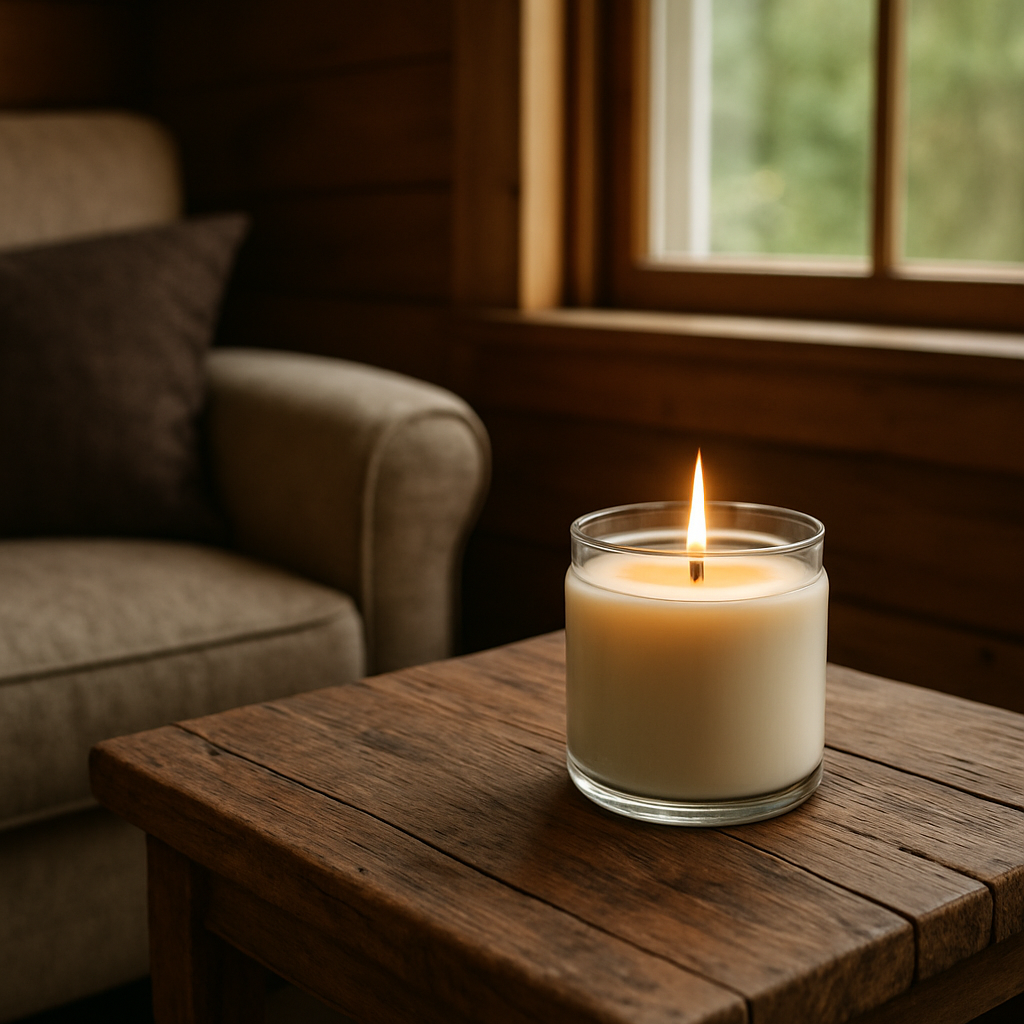
Create a simple selection checklist
Grab a pen or your phone and run through these quick points before you add a candle to your cart:
- Room size – small (3‑4 oz) vs. large (7‑9 oz).
- Airflow – minimal drafts for best wood‑wick performance.
- Scent intensity – broad wick for room‑filling, narrow for focused aroma.
- Wax type – 100 % soy or soy‑coconut blend.
- Wick source – bamboo or FSC‑certified hardwood, pre‑seasoned preferred.
- First‑burn plan – 2‑3 hours to reach jar edge.
Running this list will help you feel confident that the candle you choose not only looks good on the mantle but also lives up to the question “are wood wick candles better” for your particular home.
Finally, trust your senses. Light the candle, listen for that gentle pop, inhale the fragrance, and watch the melt pool expand. If it feels right, you’ve found a winner. If not, adjust one variable – maybe a smaller jar or a different scent – and try again. Candle‑shopping is a little experiment, and each trial brings you closer to the perfect ambience.
Maintenance Tips for Wood Wick Candles
Ever wonder why a wood‑wick candle that started out crackling like a tiny campfire suddenly goes quiet or starts smoking? You’re not alone. Most of the time the culprit is something we can fix in a few minutes, and the payoff is a cleaner, longer‑lasting burn that makes you wonder how you ever lived without it.
1️⃣ Trim the wick the right way, every time
Before you even light the candle, grab a small wick trimmer or a sharp pair of scissors. Aim for a length of about 1/8‑3/16 in – roughly the thickness of a pencil eraser. If the wick is longer, the flame smothers itself and you’ll see excess smoke; if it’s too short, you lose that satisfying pop.
Why does this matter? A properly trimmed wood wick creates a stable flame that draws just enough melted wax to keep the pool even. In our own shop, customers who adopt this habit report up to a 15 % reduction in soot deposits.
2️⃣ The “memory‑building” first burn
Think of the first burn as a memory‑maker. Set the timer for 2‑3 hours (depending on jar size) and let the melt pool reach the very edge of the container. That initial, full‑coverage melt tells the wax how to behave on every subsequent burn.
Skipping this step often leads to tunneling – a hollow tunnel in the centre while the wax near the walls stays solid. The result? Wasted wax and a weaker scent throw.
3️⃣ Spot‑check for common issues
If the flame flickers or the candle won’t stay lit, pause and run through this quick checklist:
- Is the wick still too long? Trim again.
- Is there a mushroom cap forming on the tip? Gently break it off.
- Do you see ash buildup? Tap the candle lightly on a soft surface to dislodge it.
- Is there a draft nearby? Move the candle away from windows or vents.
For a deeper dive, the wood wick candle troubleshooting guide walks you through each symptom with step‑by‑step fixes.
4️⃣ Keep the wax temperature happy
Wood wicks love warm wax. If you store a candle in a chilly garage or a sun‑scorched attic, the wood can become brittle and the flame may sputter. A simple trick is to let the candle sit in a sunny spot for 10‑15 minutes before lighting – the gentle warmth eases the wick into a smoother burn.
On the flip side, don’t expose the candle to direct heat for too long; overheated wax can cause excessive smoking. Aim for a room temperature of about 68‑72°F (20‑22°C) for optimal performance.
5️⃣ After each burn, let it solidify
Resist the urge to move the candle while the wax is still soft. Shifting a warm jar can disturb the melt pool, leading to uneven melting later on. Instead, allow the wax to harden completely – usually 10‑15 minutes – before you slide the jar to a new spot.
This habit also gives the wood wick a chance to “reset,” reducing the likelihood of ash buildup the next time you light it.
6️⃣ Store wisely for long‑term freshness
When you’re not using a candle, keep it upright in a cool, dark place. Avoid basements that stay damp or attics that swing wildly in temperature. A sealed glass box works great, and the wood wick will stay dry and ready to crackle the next night you need it.
Pro tip: If you have a collection of small tins, nest them together with a piece of parchment paper between each jar. This prevents the lids from rattling and keeps dust off the wicks.
7️⃣ Real‑world example: The weekend cabin fix
Imagine you’re at a weekend cabin by the lake. You pull out a 7.5 oz Sage & Sanctuary wood‑wick candle, trim the wick, and light it. After an hour the flame starts to sputter – a classic “won’t stay lit” scenario.
Following the checklist, you notice a tiny mushroom cap. You break it off, give the wick a quick trim, and move the candle away from the drafty window. Within minutes the flame steadies, the crackle returns, and the scent fills the whole cabin. No more smoke, no more wasted wax.
Quick maintenance cheat sheet
- Trim wick to 1/8‑3/16 in before each use.
- First burn: 2‑3 hrs until melt reaches jar edge.
- Check for mushroom caps, ash, or drafts after each burn.
- Warm candle 10‑15 min in sunlight if stored cold.
- Let wax solidify before moving the jar.
- Store upright, cool, dark; use a sealed container.
By treating your wood‑wick candle like a small, living thing – a bit of trim here, a bit of warmth there – you’ll enjoy that soothing crackle and even scent throw night after night. And honestly, once you get the rhythm, it becomes a ritual you look forward to.
FAQ
Do wood‑wick candles really burn longer than cotton‑wick candles?
In our experience the burn time jumps about 15‑20 % when you switch to a wood wick. The broader wick spreads heat evenly, so the wax pool reaches the jar’s rim faster and stays there, using fuel more efficiently. That extra hour or two adds up if you’re lighting a candle every night. Just remember the first “memory‑building” burn; once the pool is even, the longer life really shows.
Why do wood‑wick candles crackle and does it affect the fragrance?
The crackle comes from the thin strip of wood charring slightly as the flame eats away at it. That tiny pop doesn’t burn off wax, but it does create a larger, flatter flame which heats the wax uniformly. Because the scent molecules evaporate from a bigger surface, the aroma fills the room more consistently. So the sound is a happy side‑effect, not a scent‑killer.
What causes a wood‑wick candle not to stay lit and how can I fix it?
Most “won’t stay lit” moments trace back to three culprits: a mushroom‑shaped cap on the wick, a draft pulling the flame, or wax that’s too cold. Gently break off any cap, trim the wick back to 1/8‑3/16 in, and move the candle away from windows or fans. If the wax feels hard, warm the jar in sunlight for ten minutes before lighting – it usually reignites without a fuss.
How often should I trim the wood wick and what length is ideal?
Trim before every burn. Aim for a length about the thickness of a pencil eraser – roughly 1/8 to 3/16 in. A wick that’s too long smothers the flame and creates smoke; too short and you lose that satisfying pop. A quick trim also clears away ash that can dim the flame, keeping the scent bright and the burn clean.
Can I use wood‑wick candles in a drafty room?
Wood wicks prefer still air, so a strong draft will make the flame dance and melt unevenly. If you can’t seal the room, place the candle on a surface that blocks the breeze – think a bookshelf or a decorative tray. You can also use a glass hurricane lantern to shield the flame while still enjoying the crackle and scent.
Are wood‑wick candles more sustainable than traditional candles?
Generally yes. Most wood wicks are cut from fast‑growing bamboo or responsibly harvested hardwood, which renews faster than cotton that often relies on water‑intensive farming. Pair that with our soy‑wax blend, which is plant‑based and biodegradable, and you end up with a candle that leaves a smaller carbon footprint and a jar you can recycle or repurpose.
What’s the best way to store my wood‑wick candles for maximum freshness?
Store them upright in a cool, dark spot – a pantry or closed cabinet works great. Keep the lid on (or a snug cover) to keep dust and humidity away. If you live in a humid climate, slip a silica packet into the box; it helps the wood stay dry and ready to light. Give the candle a quick sun‑warm‑up before each use to coax the wick back to life.
Conclusion
So, are wood wick candles better? After walking through melt consistency, scent throw, sustainability, and upkeep, the answer leans toward a confident yes for anyone who values an even pool, a subtle crackle, and a greener footprint.
We’ve seen that a broader wood wick spreads heat more evenly, which not only reduces tunnel waste but also lets the fragrance bloom across the whole room. That little pop you hear isn’t just for show—it’s a sign the flame is drawing from a flat surface, giving you cleaner combustion and less soot.
And remember the “memory‑building” first burn? It’s the secret sauce that turns a good candle into a great one. A quick 2‑3 hour melt to the jar’s edge sets the stage for every subsequent lighting.
Got a drafty living room? A simple bookshelf or a glass hurricane lantern can shield the flame, preserving that steady glow you love. Store your candles upright, cool, dark, and give the wood a brief sunshine warm‑up before lighting—tiny habits that pay off in longer, richer burns.
Ready to experience the difference yourself? Browse our wood‑wick collection, pick a scent that speaks to you, and let the crackle do the talking. Your next cozy evening is just a trim away.
0 comments