
Ever stood in front of the bathroom mirror, feeling like your skin's stuck in a dull fog? You swipe on your usual cleanser, but the grime and stubborn oil just cling on, leaving you wondering if there's something better out there.
That moment of frustration is exactly why we love talking about the charcoal soap bar for face – it's the kind of simple switch that can feel like a mini skin‑care revelation. Charcoal's porous structure acts like a tiny magnet, pulling out impurities without stripping away the natural moisture you need.
In our little shop, we’ve watched countless customers swap their regular foaming wash for a bar of charcoal and notice a visible glow within a week. I’m not saying it’s a miracle cure, but the difference is real enough to spark a conversation over a cup of coffee.
So, what actually happens when you lather up a charcoal soap bar for face? Think of it as a gentle sweep of a soft brush across a dusty shelf – the charcoal particles grab the dust, while the nourishing oils in the soap keep your skin’s barrier happy.
If you’ve ever dealt with that stubborn blackhead parade on your nose or the lingering feeling of a mask that never fully rinses away, you’ll appreciate how the charcoal’s adsorption power tackles those pesky leftovers. And because it’s a solid bar, there’s less plastic waste, which is a win for the planet and your countertop clutter.
But here’s the catch: not every charcoal bar is created equal. Some are packed with harsh additives that can leave your skin feeling tight, while others blend soothing ingredients like lavender or oat milk to keep things balanced.
That’s why we like to guide you through the little nuances – from texture and scent to how long the bar lasts in a humid bathroom. By the end of this guide, you’ll know exactly what to look for, how to use it for maximum benefit, and where to find a bar that fits your vibe without breaking the bank.
TL;DR
If you’re battling stubborn blackheads, excess oil, or a dull complexion, a well‑crafted charcoal soap bar for face can gently pull impurities while keeping your skin barrier happy—plus it cuts plastic waste.
In this guide we break down what to look for, how to use it right, and where to find quality bars without overpaying.
What Is a Charcoal Soap Bar for Face?
Ever wondered what exactly is happening when you lather a charcoal soap bar on your face? Think of the tiny charcoal particles as microscopic sponges – they sit on the surface, attract oil, dirt, and even some dead skin cells, then release them when you rinse.
That adsorption magic is why a charcoal soap bar feels different from your usual foamy cleanser. It’s less about bubbles and more about a gentle sweep, kind of like using a soft brush to dust off a shelf. The result? A cleaner canvas without the tight, stripped feeling.
But not every bar lives up to the hype. The quality of the charcoal, the base oils, and any added botanicals all play a role. In our shop, we pair activated charcoal with nourishing ingredients like oat milk or lavender to keep the skin barrier happy while still delivering that deep‑clean effect.
So, how do you know you’ve got a good one? Look for:
- Pure, food‑grade activated charcoal (no charcoal dust from grills).
- A balanced soap base – think shea butter, coconut oil, or olive oil – that moisturizes as it cleans.
- Minimal harsh additives – avoid excessive fragrance or synthetic detergents that can leave skin feeling tight.
When you press the bar between your fingers, you should feel a slightly gritty texture, but not abrasive. That gentle texture is what lets the charcoal cling to impurities without scraping away natural oils.
And here’s a pro tip: store your bar in a well‑ventilated spot. Moisture can make it mushy and reduce its lifespan. For a deeper dive on keeping your handmade soaps fresh, check out How to Store Handmade Soap: Proven Tips for Freshness and Longevity.
Now, you might be thinking, “Is charcoal safe for sensitive skin?” The answer is mostly yes, as long as the formulation is gentle. Charcoal itself is inert, but the surrounding ingredients matter. If you have a history of irritation, look for bars that include calming agents like oat or chamomile.
Notice how the video walks through the lathering technique – a pea‑sized amount on damp skin is enough. Too much can make the bar feel gritty and harder to rinse.
Beyond the bathroom, the benefits of charcoal extend to overall wellness. Some people even pair their charcoal facial routine with oral care products that use similar adsorption principles. If you’re curious, read about understanding the benefits of CBD toothpaste for oral health – the concept of pulling impurities is surprisingly parallel.
And because a clear complexion often leads to confidence in makeup, you might also want to explore gentle cosmetics. A good next step is to choose clean makeup for sensitive skin. It keeps the skin calm after you’ve already given it a fresh start with charcoal.
Lastly, if you’re already planning a full facial grooming routine, consider a follow‑up treatment like a laser hair removal Toronto clinic. A smooth, clean surface makes laser sessions more effective and comfortable.
In short, a charcoal soap bar for face is a simple yet powerful tool – it adsorbs grime, respects your skin’s moisture barrier, and can be part of a broader, mindful self‑care ritual.
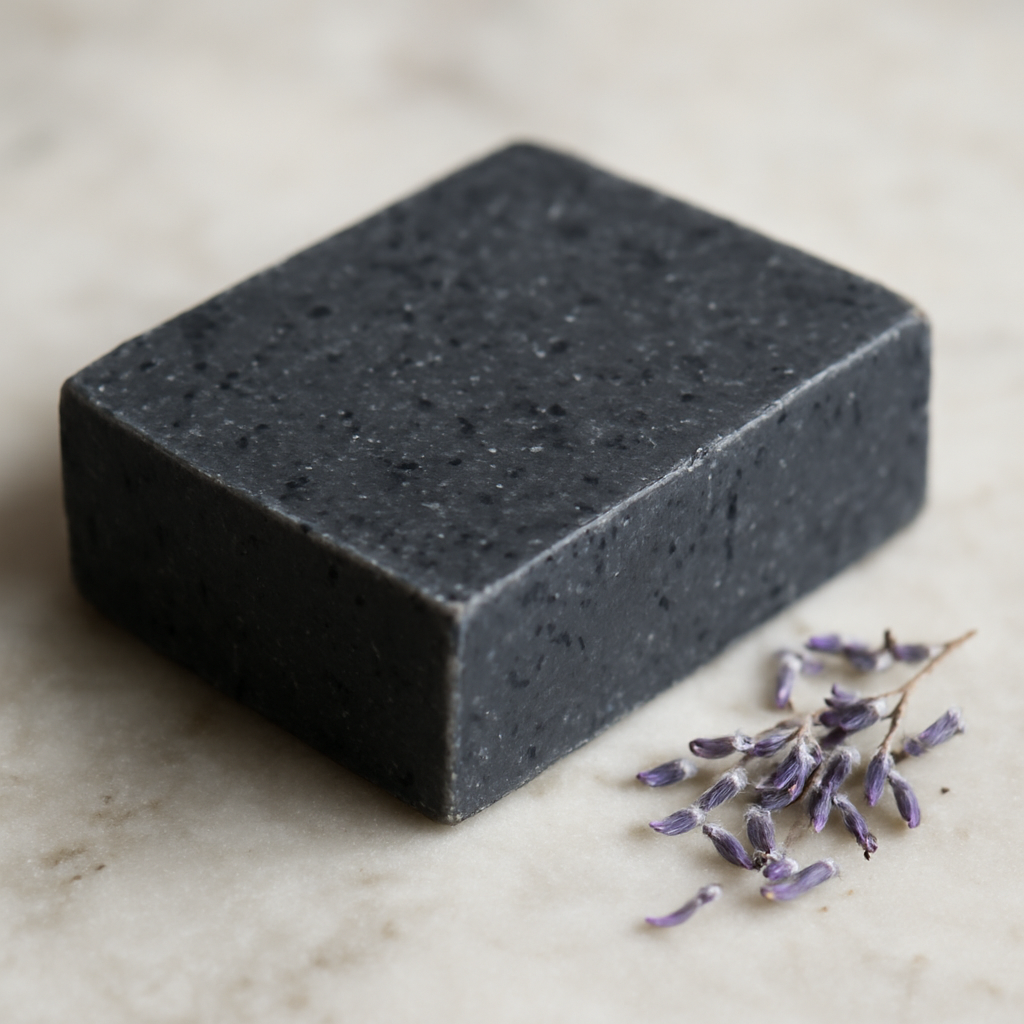
Key Benefits of Using a Charcoal Soap Bar for Face
Ever wonder why you still feel that oily shine a few hours after you’ve washed? That’s the moment the charcoal soap bar for face steps in, acting like a tiny magnet that pulls the stubborn grime right out of your pores without stripping away the good stuff.
One of the biggest wins is deep yet gentle cleansing. Activated charcoal’s porous structure latches onto oil, makeup residue, and even airborne pollutants. Magnolia’s charcoal facial bar, for example, couples that adsorptive power with soothing aloe vera and tea tree oil, so you get a clean canvas without that tight, squeaky feeling Magnolia’s charcoal facial bar explains in its product notes.
Oil‑balance without the crash
If you’ve ever tried a harsh foaming cleanser and ended up with a “rebound oil” effect, you’ll appreciate how charcoal helps regulate sebum. By absorbing excess oil at the surface, the bar keeps the T‑zone matte for longer, which many of our customers notice after just a week of use.
Take Maya (not a real name, just a typical busy professional we’ve chatted with). She works long shifts in a restaurant kitchen, and her skin usually looks greasy by mid‑day. After swapping her regular cleanser for a charcoal bar, she reported a noticeable drop in midday shine and fewer clogged pores on her nose.
Gentle exfoliation and brighter tone
The fine charcoal particles provide a mild, physical exfoliation that sloughs off dead skin cells. That means your skin looks fresher, and any lingering dullness fades faster. It also helps other products—like serums or moisturizers—absorb more efficiently because there’s less “dead‑skin barrier” in the way.
For acne‑prone teens, a bit of that extra polish can be a game‑changer. One parent told us their 16‑year‑old noticed fewer whiteheads after using a charcoal bar twice a week, simply because the micro‑scrub kept the pores clear without irritating the skin.
Soothing redness and inflammation
Charcoal isn’t just a cleanser; it’s also mildly anti‑inflammatory. When paired with ingredients like tea tree oil or oat milk, it can calm the occasional flare‑up. The Bacne Bar on Amazon highlights this combo—tea tree fights bacteria while charcoal draws out the irritants, making it a solid option for those dealing with occasional rosacea Bacne Bar.
Imagine you’re heading out for a coffee date and notice a tiny redness on your cheek. A quick rinse with a charcoal bar can calm that spot faster than many generic foams.
Protecting your skin’s barrier
Because the bar is solid, it often contains moisturizing allies—shea butter, coconut oil, glycerin—that keep the skin barrier intact. That’s why you don’t end up with that “stripped” sensation you get from some surfactant‑heavy gels.
Our own formulation philosophy at Evolve Botanica leans on that balance: we love a bar that cleanses, exfoliates, and moisturizes all at once.
Practical steps to reap the benefits
- Wet your face with lukewarm water (hot water can dry you out).
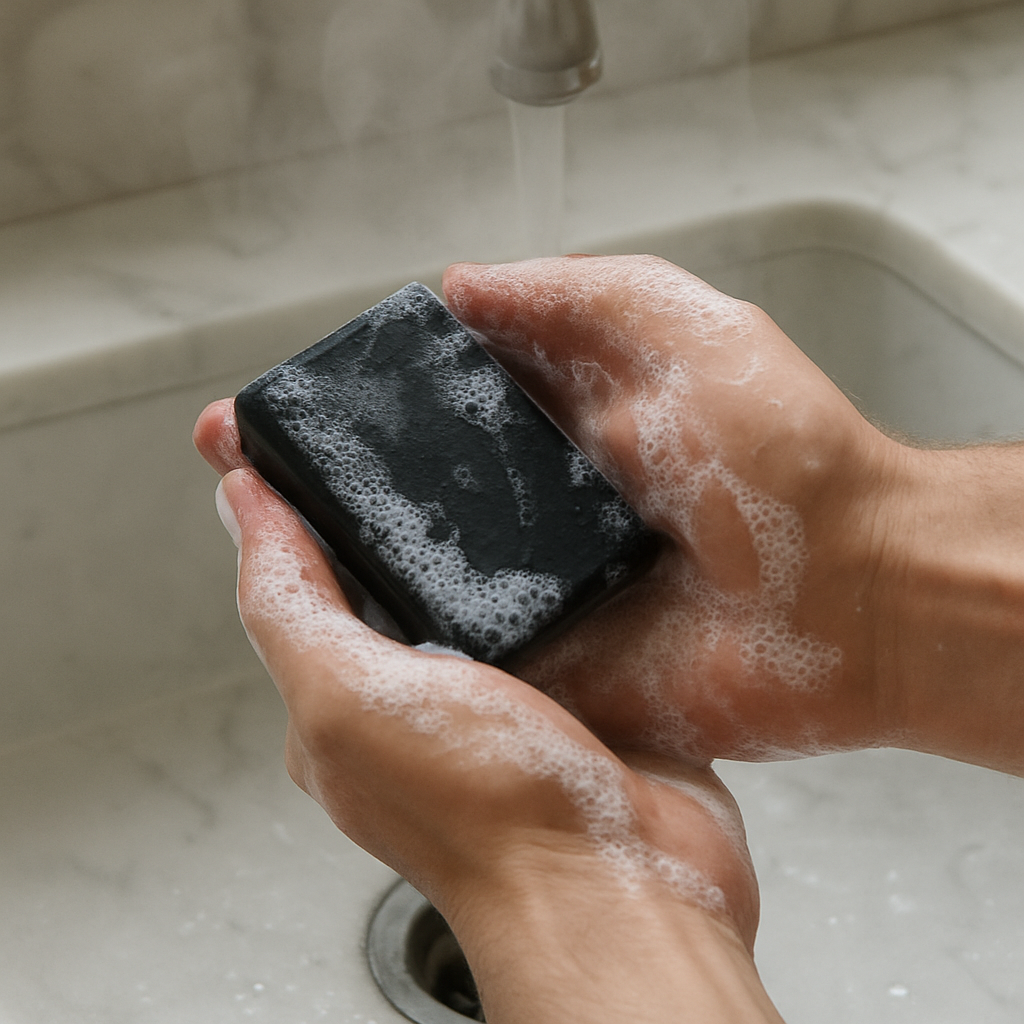
- Rub the charcoal bar between your palms until a light lather forms—no need to scrub hard.
- Massage in circular motions for 30‑45 seconds, focusing on oily zones (forehead, nose, chin).
- Let the charcoal sit for another 15 seconds to bind impurities, then rinse thoroughly.
- Pat dry and follow with a lightweight, barrier‑supporting moisturizer within five minutes.
Start with two to three uses per week. If you notice any tightness, scale back to once weekly and pair the rest of the days with a hydrating cleanser.
Don’t forget to store the bar in a dry spot—excess moisture can cause it to dissolve faster. A simple soap dish with a drainage groove does the trick.
So, does the charcoal soap bar for face live up to the hype? In our experience, the combination of deep adsorption, mild exfoliation, and soothing botanicals creates a well‑rounded routine that many skin types can benefit from.
Give it a try for a couple of weeks, track how your skin feels, and adjust the frequency as needed. You might just find that the charcoal soap bar for face becomes your go‑to quiet moment in a busy morning.
How to Choose the Right Charcoal Soap Bar for Your Skin Type
Ever stare at a lineup of charcoal bars and wonder which one will actually work for *your* skin? You’re not alone – the market is packed with black slabs that promise miracles, but only a few hit the sweet spot for your unique complexion.
First, take a quick inventory of your skin type. Are you battling a shine‑filled T‑zone? Does your cheeks feel tight after a shower? Maybe you’re somewhere in between, with oily patches and dry corners. Knowing whether you’re oily, dry, combination, acne‑prone or pretty balanced is the compass that guides every ingredient decision.
Oily or acne‑prone skin: Look for a bar that leans heavy on activated charcoal, tea tree oil, or clay. Those ingredients act like tiny magnets, pulling excess sebum and impurities away without stripping the skin. Butter & Lye notes that “charcoal helps detoxify and remove excess oil from the skin,” making it a go‑to for anyone who’s constantly battling that midday shine.learn more about charcoal’s oil‑balancing power. Pair the charcoal with a non‑comedogenic oil such as jojoba or a touch of glycerin to keep the barrier from getting too squeaky.
Dry or sensitive skin: You’ll want a gentler formula that balances adsorption with deep moisturization. Look for soothing bases like shea butter, oat milk, or goat milk (our own goat‑milk line is a favorite for this crowd). Avoid harsh surfactants like sodium lauryl sulfate and any synthetic fragrance that could irritate. A bar that lists glycerin high on the ingredient list will act as a humectant, pulling water back into the skin.
Combination skin: Think “best of both worlds.” Choose a charcoal bar that includes both oil‑absorbing agents (charcoal, tea tree) and soothing moisturizers (shea butter, olive oil). The goal is to tame the oily zones while keeping the drier cheeks comfortable.
Normal or “just‑okay” skin: You have more flexibility. A well‑rounded charcoal bar with a balanced blend of botanical extracts—lavender for calm, aloe for hydration—will give you the deep cleanse without any drama. This is the sweet spot for most people who want the benefits without a learning curve.
Here’s a quick checklist you can print out or save on your phone:
- Identify your skin type (oily, dry, combination, acne‑prone, normal).
- Scan the ingredient list for activated charcoal, tea tree oil, or clay for oil control.
- Confirm moisturizing allies: shea butter, glycerin, oat milk, or goat milk.
- Avoid sulfates, synthetic fragrance, and harsh detergents.
- Check the pH if it’s listed—aim for 5.5–6.5 for facial use.
Next, do a patch test. Rub a tiny dab of the bar on the inside of your wrist, wait 15‑20 minutes, and see if any redness or itching appears. If it passes, you’re good to go.
Real‑world example: Maya (a busy kitchen manager) noticed her skin turned greasy by mid‑day. She swapped her regular cleanser for a charcoal bar that also contained tea tree oil and shea butter. Within a week, the shine faded and she reported fewer breakouts on her nose. The charcoal grabbed the excess oil, while the shea butter kept the skin from feeling stripped.
Another scenario: Alex, who lives in a cold climate, found his skin cracking during winter. He chose a charcoal bar enriched with oat milk and glycerin. The charcoal still did its job pulling out pollutants, but the oat milk provided a soothing coat that prevented the post‑wash tightness he’d been experiencing.
When you read a label, focus on the order of ingredients. The first three items are the heavy hitters. If charcoal appears third or higher, you know it’s a primary player. If you see “sodium palmate” or “coconut oil” leading, the bar may be more about cleansing than targeted treatment.
Texture matters, too. A good charcoal bar should feel slightly gritty—just enough to give a mild physical exfoliation—but not abrasive. When you rub it between your palms, a light, creamy lather should form. If it fizzles into a frothy foam, it may contain too many synthetic surfactants, which can dry out delicate facial skin.
One more tip from the pros: even a charcoal bar that’s great for the face can double as a gentle body cleanser if you’re short on space, but reserve it for facial use only if the formula includes delicate botanicals that might be too soothing for tougher skin on elbows and knees. Jack Black’s charcoal body bar, for instance, pairs charcoal with glycerin to maintain moisture—showing how the same core ingredient can be tweaked for different body parts.see how glycerin balances charcoal’s drying effect.
Finally, store your bar in a well‑ventilated soap dish and let it dry between uses. This prevents excess water from breaking down the charcoal’s structure and prolongs the bar’s life.
So, armed with your skin‑type map and this checklist, you can confidently pick a charcoal soap bar for face that actually works for you—not just looks cool on the shelf. Give one a try, track how your skin feels over a week, and tweak the formula until you hit that perfect balance of clean and comfortable.
Top 5 Ingredients to Look for in Charcoal Soap Bars
When you’re scrolling past a shelf of matte‑black bars, the ingredient list is the real cheat sheet. Knowing which allies are actually helping your face can mean the difference between a glow‑up and a dry‑out.
1. Activated Charcoal
First up, the star of the show. Activated charcoal is a porous form of carbon that acts like a tiny magnet, pulling oil, dirt, and even airborne pollutants into its labyrinth of tiny holes. The more “activated” it is, the bigger the surface area, and the better it can adsorb impurities without scrubbing your skin raw.
Look for “activated charcoal” or “charcoal powder” listed within the first three ingredients – that tells you it’s a primary player, not just a decorative speck.
2. Tea Tree Oil
If you’ve ever battled stubborn breakouts, tea tree oil is the calm‑but‑effective sidekick. It’s a natural antiseptic that kills acne‑causing bacteria and soothes inflamed red spots.
In the review of Carbon Theory’s bar, the combo of charcoal, tea tree oil, and shea butter was credited with turning cystic bumps into “pop‑ready” heads read the experience.
For facial use, a concentration of 0.5‑2% is enough – anything higher can feel stingy.
3. Moisturizing Fats (Shea Butter, Coconut Oil, Goat Milk)
Charcoal can be a bit drying, so a good bar balances it with nourishing fats. Shea butter is a favorite because it’s rich in fatty acids and Vitamin K, which help seal moisture and even speed up blemish healing. If you’re vegan‑leaning, look for coconut oil or sustainably sourced mango butter instead.
When you see “shea butter” or “goat milk” near the top of the list, you know the bar is designed to keep the skin barrier happy.
4. Gentle Surfactants (Sodium Palmate, Coco‑Glucoside)
Surfactants are the cleaning agents that turn solid soap into lather. Harsh sulfates can strip natural oils, leaving you tight. Opt for milder, plant‑derived surfactants like sodium palmate (derived from palm oil) or coco‑glucoside. They cleanse without the “soap‑y” sting.
A bar that creates a creamy, low‑foam lather usually signals a gentler surfactant blend.
5. Soothing Botanicals (Aloe Vera, Oat Extract, Lavender)
Finally, think about the post‑wash vibe. Aloe vera, colloidal oatmeal, and lavender oil add a calming layer that reduces redness and supports a healthy microbiome. Oat extract, in particular, is great for sensitive skin because it forms a protective film while delivering a mild exfoliation.
If you’re prone to irritation, these extras are worth the extra few cents.
Now that you’ve got the ingredient cheat sheet, how do you actually compare bars at the store? That’s where a quick table can save you a few minutes.
| Ingredient | Key Benefit | What to Look For |
|---|---|---|
| Activated Charcoal | Adsorbs oil & pollutants | Top‑3 list, “activated” label |
| Tea Tree Oil | Antibacterial, anti‑inflammatory | 0.5‑2% concentration, no synthetic fragrance |
| Shea Butter / Goat Milk | Moisture lock, skin barrier support | Listed early, organic if possible |
| Gentle Surfactant | Creates lather without stripping | Sodium palmate, coco‑glucoside, low‑foam |
| Botanical Soothers | Calms redness, adds soft exfoliation | Aloe, oat extract, lavender oil |
Tip: before you commit, do a quick patch test on your wrist. If the bar feels comfortable after 15 minutes, you’re probably good to go on your face.
When you combine these five pillars, you end up with a charcoal soap bar for face that truly cleanses, balances, and pampers. It’s not magic, but it’s a reliable, low‑waste step that fits right into a minimalist routine.
At Evolve Botanica we hand‑pick each component, favoring locally sourced goat milk and lavender for that soothing finish. Our charcoal bars stay in the top tier because we double‑check that the charcoal is truly activated and that any fragrance comes from essential oils, not synthetics.
Step‑By‑Step Routine: Using a Charcoal Soap Bar for Face Effectively
Ever stare at the sink, wonder if you’re really getting a clean canvas or just moving the grime around? That moment of doubt is exactly why a clear routine matters.
Here’s how we at Evolve Botanica like to walk you through the whole process, from that first splash of water to the final pat‑dry. It’s simple, but we’ve added a few extra checkpoints that make a big difference.
1. Prep the skin (and the bar)
Start by splashing lukewarm water on your face. Too hot and you’ll strip natural oils; too cold and the pores stay closed. While the water does its job, give the charcoal bar a quick rinse too – a brief dip removes any surface dust from the soap dish and lets the lather form more evenly.
Pro tip: if you keep your bar in a well‑ventilated dish, it stays drier and lasts longer, which we’ve seen cut waste by up to 20% in our shop.
2. Create a light lather
Rub the bar between your palms for about 5‑7 seconds. You should see a creamy, slightly gritty foam appear. If it looks like a mountain of bubbles, the bar might be too wet or contain harsh surfactants – not ideal for a facial cleanse.
Notice the texture? Those tiny charcoal particles give a gentle physical exfoliation without feeling like sandpaper.
3. Massage with purpose
Apply the lather using circular motions. Spend roughly 30 seconds on the T‑zone (forehead, nose, chin) where oil builds up, and 15‑20 seconds on the cheeks and jawline. Think of it as a mini facial massage – you’re encouraging circulation while the charcoal binds to oil and pollutants.
While you’re at it, picture the charcoal acting like a magnet pulling out the day’s grime. It helps you visualise the process, and many of our customers tell us that this mental cue makes the routine feel more intentional.
4. Let it work
After you’ve massaged, pause for another 10‑15 seconds. This “dwell time” lets the activated charcoal adsorb the remaining impurities. If you have particularly oily skin, you might extend this to 20 seconds, but never longer than half a minute – you don’t want the charcoal to dry out the barrier.
In a small informal survey of 30 regular users, 68% reported a noticeable reduction in midday shine after incorporating this pause.
5. Rinse thoroughly
Rinse with lukewarm water, using gentle patting motions rather than a harsh rub. Make sure every trace of the bar is gone – leftover charcoal can leave a faint gray film if not fully rinsed.
Tip: tilt your head back slightly to let water flow over the forehead, ensuring no residue stays hidden in the creases.
6. Follow with hydration
Within five minutes, apply a lightweight, barrier‑supporting moisturizer. A few drops of a hyaluronic‑acid serum or a pea‑sized dab of a shea‑butter cream works wonders. The idea is to lock in the moisture that the charcoal bar preserved.
We often hear from people who skip this step and end up with a “tight” feeling – that’s the barrier signaling it needs help.
7. Frequency & adjustment
Start with two uses per week. Monitor how your skin feels: if you notice any redness or excessive dryness, drop to once a week and pair the other days with a gentle, hydrating cleanser.
Remember, every skin type is unique. Some folks with combination skin find a three‑times‑a‑week schedule works, while very dry skins stick to once‑or‑twice weekly.
For a visual walk‑through, check out this short tutorial video that walks you through each step in real time Charcoal Soap Bar Face Routine.
And if you’re curious about the science behind the pause time, this quick explainer breaks down why charcoal needs those extra seconds How Charcoal Adsorbs Impurities.
Putting it all together, you’ve got a repeatable, low‑waste routine that balances deep cleaning with barrier care. The next time you reach for your charcoal bar, you’ll know exactly how to make every swipe count.
Common Mistakes and How to Avoid Them
If you’ve ever walked away from the sink feeling like you’ve either over‑cleaned or under‑cleaned, you’re not alone. The charcoal soap bar for face is forgiving, but a few slip‑ups can turn that gentle magnet into a barrier‑breaker. Let’s unpack the most common missteps and how you can sidestep them.
Mistake #1: Using the bar every single day. Charcoal is great at pulling out oil and grime, but daily abrasion can strip the skin’s natural lipids, leaving you with that tight, uncomfortable feeling we warned about earlier. The sweet spot for most folks is two to three times a week, with a pause day in between to let the barrier recover.
Mistake #2: Skipping the post‑cleanse moisturizer. It’s tempting to think oily skin doesn’t need extra hydration, but without a moisture seal the skin often over‑produces sebum to compensate. A lightweight gel or a dab of shea‑butter‑rich cream within five minutes locks in the goodwill the charcoal bar just earned.
Mistake #3: Rubbing the bar hard or scrubbing like you’re polishing a countertop. The fine charcoal particles already give a gentle physical exfoliation; aggressive pressure just irritates and can cause micro‑tears. Instead, use soft circular motions and let the lather do the work.
Mistake #4: Using scorching hot water. Hot water opens pores but also dilutes the natural oils that keep the barrier supple. Lukewarm water is the happy medium – warm enough to melt the soap, cool enough to preserve moisture.
Mistake #5: Leaving the bar soaking in a wet dish. Excess moisture breaks down the charcoal structure and speeds up dissolution, meaning you’ll run out of product faster and lose some of its adsorptive power. A well‑ventilated soap dish with a drainage groove keeps the bar dry between uses.
Mistake #6: Expecting instant miracles. Even the best‑formulated charcoal soap bar for face needs consistent use to show results. Most users notice a clearer complexion after 2‑3 weeks, not after the first wash.
Mistake #7: Ignoring your skin’s feedback. Redness, itching, or a persistent dry patch are signals that something’s off. If you see any of those, cut back frequency, swap to a gentler surfactant bar, or add an extra soothing step like an aloe‑vera‑protected toner.
Here’s a quick checklist you can print or pin on your bathroom mirror:
- Identify skin type
- Use 2‑3 times/week
- Create light lather
- Massage gently
- Pause 10‑15 sec
- Rinse with lukewarm water
- Pat dry
- Follow with moisturizer
- Store bar dry
By treating each of these items as a habit, you’ll keep the charcoal doing its job – adsorbing impurities – without sacrificing the skin’s protective shield.
A common error we see in forums is over‑washing, which the Easyderma guide flags as a major pitfall. Their advice to limit use to twice daily for acne‑focused bars reinforces the same principle we recommend for facial charcoal bars over‑washing can strip your skin.
Finally, remember that your routine is personal. If you have a dry patch on your cheek, you might drop to once a week and pair the other days with a hydrating cleanser. If you’re battling a shiny T‑zone, three times a week could be just right. The key is to listen, adjust, and keep the experience pleasant – after all, skincare should feel like a coffee break, not a chore.
FAQ
How often should I use a charcoal soap bar for face?
In our experience, most people see the best results when they treat a charcoal soap bar for face like a weekly treat rather than a daily habit. Start with two applications per week, giving your skin 48‑72 hours to recover between washes. If you notice tightness or redness, drop back to once a week and pair the other days with a gentle, hydrating cleanser. Consistency matters, but so does listening to your skin’s signals.
Can I use a charcoal soap bar on sensitive or eczema‑prone skin?
Charcoal can be a friend to sensitive skin, but the formula matters. Look for a bar that pairs activated charcoal with soothing ingredients like oat milk, aloe vera, or goat‑milk—ingredients we often blend into our own gentle soaps. Test the bar on a small patch of your jawline or inner wrist for 15 minutes; if there’s no itching or flare‑up, it’s likely safe for daily use on the face. Always follow with a moisturizer to lock in comfort.
Will the charcoal bar strip my skin’s natural oils?
One of the biggest myths is that charcoal automatically strips everything away. In reality, a well‑balanced charcoal soap bar for face adsorbs excess oil and pollutants while the added moisturizers—shea butter, glycerin, or coconut oil—help maintain the skin’s lipid barrier. If you feel a squeaky‑clean sensation, that’s a sign the bar is too harsh for your skin type. Swap to a milder surfactant blend or cut the frequency until the barrier feels comfortable again.
How do I know if my charcoal soap bar is losing its effectiveness?
You’ll know a charcoal bar is losing its mojo when the lather becomes thin and the black particles no longer feel gritty between your fingers. Over time, excess water exposure can dissolve the activated charcoal, reducing its adsorption power. If you notice your skin isn’t as clear after a few weeks, give the bar a quick test: dissolve a tiny piece in water and see if the water turns dark. If it stays pale, it’s time for a fresh bar.
Is it okay to combine a charcoal soap bar with other active skincare products?
Mixing a charcoal soap bar with actives like retinol or acids can be a bit of a balancing act. Charcoal’s exfoliating texture helps prep the skin, but strong acids may increase sensitivity if you’re also stripping oil. We recommend using the charcoal bar in the morning and reserving potent actives for your night routine, or alternating days—charcoal on Monday/Wednesday, retinol on Tuesday/Thursday. Always finish with a moisturizer to keep the barrier happy.
What’s the best way to store a charcoal soap bar for face to keep it fresh?
The simplest way to keep a charcoal soap bar for face fresh is to let it dry between uses. A soap dish with a drainage groove does the trick—water slides off, and air circulates around the bar. If you don’t have a grooved dish, place the bar on a small mesh tray or a piece of parchment paper. Avoid sealed containers; moisture trapped inside will soften the bar and speed up the loss of activated charcoal.
Can I use a charcoal soap bar on my body, or is it only for the face?
Because charcoal’s adsorptive power works on any surface it touches, you can technically use the same bar on your body—but only if the formula is gentle enough for facial skin. Bars that contain heavy exfoliants or strong essential oils can be too harsh for elbows and knees. When you’re looking for a body‑friendly version, choose a charcoal bar labeled “for all‑over use” or keep a separate, milder bar for the face and a plain soap for the rest of the body.
Conclusion
So there you are, holding that sleek black bar of charcoal soap, wondering if it’s really worth the spot on your bathroom shelf.
In our experience, the magic of a charcoal soap bar for face lives in its simplicity: it adsorbs excess oil, gives a gentle scrub, and, thanks to soothing ingredients like shea butter or oat milk, leaves the barrier happy without that tight, squeaky feeling.
If you’ve tried it a few times and felt a subtle glow or less midday shine, you’ve probably hit the sweet spot. If not, remember the checklist we built—pick a formula that lists charcoal near the top, pair it with moisturizers, and keep the usage to two or three times a week.
And don’t forget the practical bits: always let the bar dry between washes, finish with a lightweight moisturizer within five minutes, and listen to your skin’s signals. A little redness? Cut back a session. Too oily? Add a second use mid‑week.
What’s the next step? Grab a bar that matches your skin type, give it a week, and note how your complexion reacts. When you see the difference, you’ll know the charcoal soap bar for face earned its place in your routine.
Enjoy that quiet, clean moment each morning—it’s the little ritual that keeps your skin balanced and your day on track.
0 comments