

Let me be completely honest: hunting for “handmade soap near me” can feel like scrolling through endless shelves of generic bars, hoping something actually smells good and does your skin any favors.
And then you walk into a tiny shop, or a weekend market, and a bar of carrot‑turmeric honey soap catches your eye. You think, “Is this really handmade? Does it actually live up to the hype?”
That split‑second hesitation is exactly why we love local artisans. They’re not cranking out thousands of identical bars; they’re mixing a batch in their kitchen, tasting the scent, adjusting the lather, and watching the color change as honey drips in.
So, what does “handmade” really mean for you? It means each bar is limited, often unique, and made with ingredients sourced right around the corner—think local goat milk, fresh lavender from a nearby farm, or honey harvested from a backyard hive.
Think about it this way: a mass‑produced soap can sit on a shelf for months, losing its natural oils. A handmade bar, like the ones Evolve Botanica crafts, is pressed, cut, and wrapped within days, preserving those skin‑loving nutrients.
But you might wonder, “How do I actually find these gems without driving for hours?” The trick is to start where the community gathers. Farmers’ markets, craft fairs, even pop‑up stalls at your local mall—those are the places where artisans showcase their latest creations.
And if you’re lucky enough to swing by Etowah Mills this Saturday or the Congregation Or VeShalom Hanukkah Bazaar on Sunday, you’ll see the whole process in action, from the scent of fresh herbs to the smooth glide of the soap on your palm.
Here’s the promise: by the end of this guide you’ll know exactly how to spot quality, ask the right questions, and walk away with a bar that not only smells amazing but actually nourishes your skin.
Ready to ditch the boring grocery‑store aisle? Let’s dive in and discover the best “handmade soap near me” options that fit your vibe and your skin’s needs.
TL;DR
Finding handmade soap near me means skipping bland grocery aisles and discovering locally crafted bars that nourish skin with fresh goat milk, lavender, and honey.
In this guide we show you where to hunt, what questions to ask, and how to pick a fragrant, skin‑loving bar that fits your vibe.
Step 1: Identify Local Artisan Soap Makers
Okay, let’s be real: you’ve probably Googled "handmade soap near me" a dozen times and ended up scrolling past the same bland grocery‑store brands. You’re craving something that actually smells good and does your skin a favor, right?
First thing’s first – think community. The people who make truly handmade soap are the ones who set up a little stall at your neighborhood farmers’ market, pop‑up a booth inside Etowah Mills, or showcase their craft at a local holiday bazaar. Those spots are gold mines because the makers are right there, ready to answer your questions about ingredients, batch size, and scent inspiration.
Scout the usual gathering spots
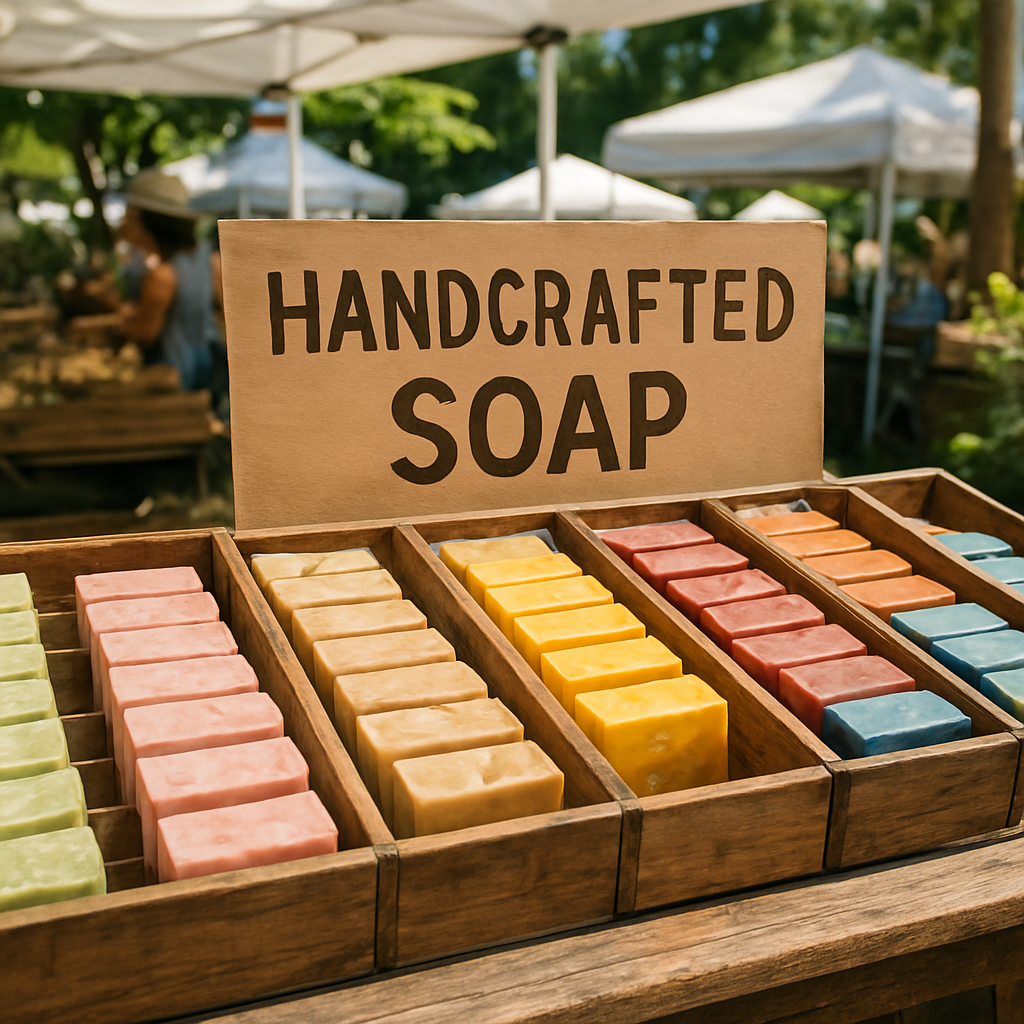
Start with the places you already visit. Farmers’ markets run every Saturday morning in most towns; they’re not just for fresh veggies. Look for tables with mason‑jar soaps, chalkboard signs that read “hand‑poured” or “small‑batch.” If you see a banner for the Congregation Or VeShalom Hanukkah Bazaar, that’s another hotspot – artisans love holiday fairs to debut seasonal blends.
Don’t overlook boutique stores that specialize in local goods. A tiny boutique downtown might carry a rotating selection of soaps from nearby makers. Ask the shop owner, “Where do you source these soaps?” If they point you to a specific artisan, you’ve just uncovered a new source.
Use social clues
Check Instagram or Facebook for hashtags like #handmadesoap, #localartisan, or even #EtowahMills. Many soap makers post behind‑the‑scenes videos of their mixing bowls and pour stations. When you see a post with a location tag, that’s a direct invitation to visit.
Pro tip: Look for stories where the creator talks about sourcing local goat milk, lavender, or honey. Those details tell you the soap is truly local, not just a generic label.
And if you need a quick reference for how to evaluate goat‑milk soaps, our guide Goat Milk Soap Near Me: How to Find Quality Local Options breaks down the exact questions to ask.
Ask the right questions
When you finally meet a maker, keep the conversation friendly and curious. Try questions like:
- What’s the main oil or butter you use?
- Do you source your botanicals locally?
- How many bars do you make per batch?
- Can I smell the soap before I buy?
These questions do two things: they show you care, and they give you a quick quality check. If the answer is “we use locally sourced goat milk from a family farm just ten miles away,” you’ve likely hit a winner.
Also, pay attention to how the maker talks about their process. If they describe “hand‑poured into silicone molds” or “cut on a wooden board,” that’s a sign they’re truly hands‑on, not outsourcing to a factory.
Spot the subtle signs of authenticity
Look for variations in color and texture. Handmade soaps often have a slightly mottled appearance because the mixture isn’t forced into a perfectly uniform shape. That’s a good thing – it means each bar is unique.
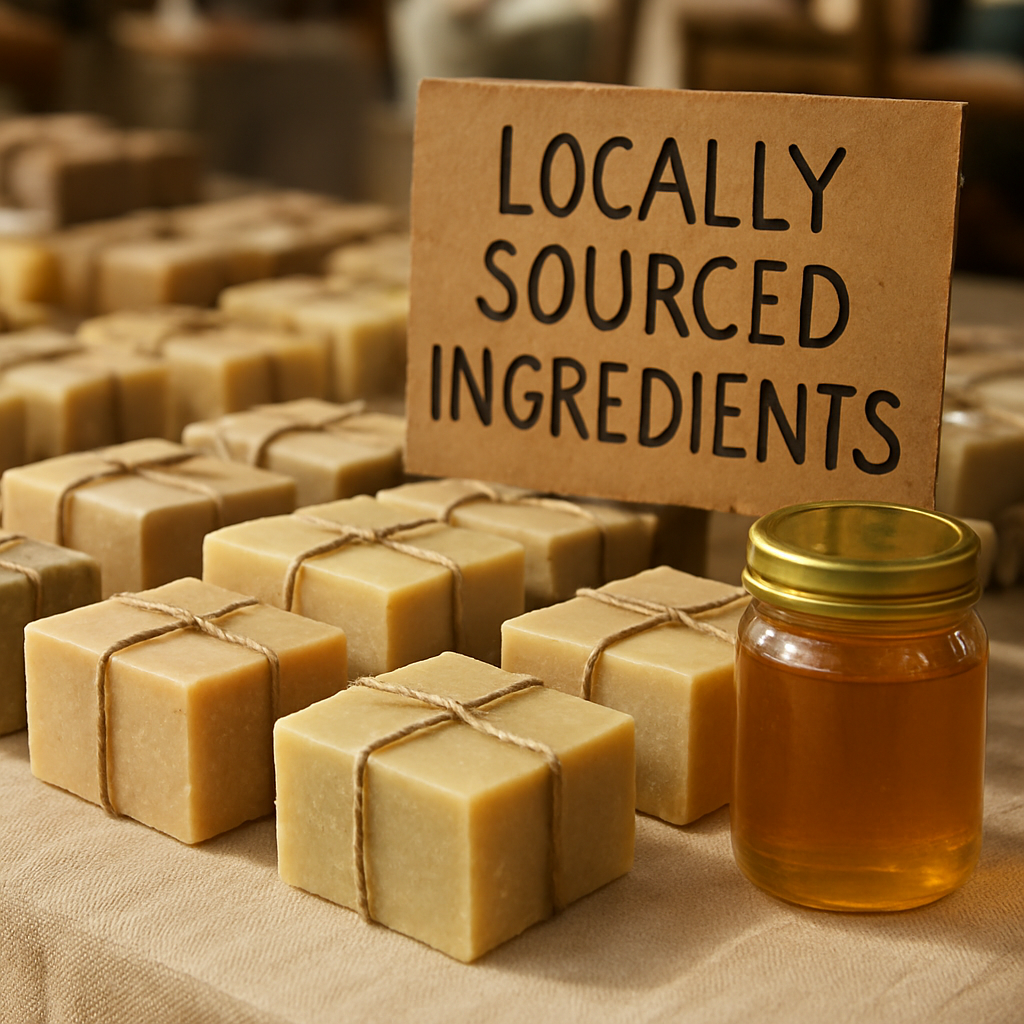
Check the packaging, too. Minimalist paper wraps, recycled boxes, or even a simple tag with the maker’s name usually indicate a small‑scale operation. Mass‑produced soaps tend to have glossy, uniform packaging.
And don’t forget the scent test. A truly handmade bar will release its fragrance gradually when you rub it between your fingers, not blast you with an artificial perfume the moment you open the wrapper.
While you’re thinking about scent, you might also want to enhance your home‑spa vibe with a little extra ambience. Check out handcrafted scented wax from Eliora – it pairs perfectly with a warm bath and a bar of fresh soap.
Now that you’ve got the basics down, here’s a quick checklist you can print out and bring to the market:
- Bring a reusable tote or cloth bag.
- Make a note of the maker’s name and social handle.
- Ask about ingredient sourcing.
- Smell and feel the soap before buying.
- Take a photo of the label for future reference.
Got the checklist? Great. One last thing – if you’re curious about other natural skin‑care options that complement handmade soap, you might enjoy exploring Pelios natural skincare. They specialize in plant‑based formulas that work hand‑in‑hand with artisanal soaps.
Step 2: Evaluate Product Quality and Ingredients
Okay, you’ve found a few stalls that look promising—now it’s time to put on your detective hat and see if the soap actually lives up to the hype.
Read the label like you’d read a menu
First thing: glance at the ingredient list. Hand‑crafted soaps usually list each oil, butter, and botanical in order of concentration. If you see “water, shea butter, coconut oil, lavender essential oil…” you know the maker is being transparent. Vague phrases like “natural extracts” or “fragrance” are red flags.
Do you ever wonder why some soaps feel silky while others leave a film? The secret is often the type of oil. Olive or avocado oil brings gentle moisture; coconut adds a bubbly lather but can be drying if it dominates the formula. Look for a balanced blend—usually 30‑40% coconut, the rest a mix of softer oils.
Check for local sourcing clues
Since we’re hunting “handmade soap near me,” the best soaps source at least one key ingredient locally. That could be goat milk from a farm two towns over, lavender harvested from a nearby field, or honey from a beekeeper on the same street. When a maker mentions “our honey comes from a hive just 2 miles away,” that’s a quality signal.
Ask the vendor: “Where do you get your goat milk?” If they name a specific farm, you’ve got a story to share with friends later—plus you know the milk is fresh, not a bulk dairy‑store purchase.
Scent test, not just sniff
Grab a tester bar if it’s available. Rub a tiny piece between your fingers; the scent should evolve as the oils warm up. A harsh chemical smell that stays static usually means synthetic fragrance. A layered scent—citrus brightening, then a mellow herb note—means real essential oils at work.
And here’s a quick trick: after you wash, does the lather leave a silky slip or a tight, squeaky feeling? The former means the soap still has nourishing fats; the latter often signals over‑saponified oils that strip your skin.
Look for batch info and expiration
Hand‑made soaps don’t have a three‑year shelf life. Most artisans print a batch number, a “made on” date, and a “use by” window—usually 12‑18 months. If you can’t find any date, politely ask the maker. A transparent creator will gladly tell you when the batch was poured.
Pro tip: write the batch number in your notebook next to the scent you liked. When you return for a refill, you’ll know exactly which batch still has that fresh glow.
Watch for additives you might want to avoid
Some makers slip in cheap fillers like sodium lauryl sulfate (SLS) to boost lather. It’s not illegal, but it can irritate sensitive skin. If the ingredient list includes “SLS,” “SLES,” or “synthetic detergent,” you might want to keep looking.
Natural thickeners—like bentonite clay, oatmeal, or activated charcoal—are great for specific skin concerns. Just make sure they’re listed, not hidden under a generic “herbal blend.”
Now, let’s put it all together in a quick checklist you can print or save on your phone:
- Ingredient list is full and specific.
- At least one locally sourced component (goat milk, honey, lavender).
- Clear batch date and “use by” info.
- No synthetic detergents (SLS/SLES) unless you’re okay with them.
- Tester bar or scent evolution available.
- Balanced oil blend (not 90% coconut).
When you walk away with a bar that ticks these boxes, you can feel confident that the “handmade soap near me” you’re buying is genuinely crafted, not just mass‑produced and repackaged.
And remember, the next time you’re at Etowah Mills or the Hanukkah Bazaar, bring this checklist. It’ll turn a casual browse into a purposeful, skin‑loving purchase.
Step 3: Visit Shops and Markets (Video Walkthrough)
Picture this: you’re strolling past a row of colorful stalls, the air smells like fresh lavender, citrus, and a hint of honey. Your phone’s battery is at 80%, the sun is just right, and you’ve got a mental checklist from the last two steps. This is the moment where “handmade soap near me” turns from a search term into a real‑world adventure.
Prep like a pro
Before you even set foot on the pavement, pull up the market’s schedule on your phone. Note the days the vendors you’ve scoped out will be there – Etowah Mills has a Saturday slot, the Congregation Or VeShalom Hanukkah Bazaar lands on Sunday. Jot down the booth numbers if the map offers them, and set a reminder to swing by around the time the makers usually have fresh batches on display (late morning is prime).
Pack a small “field kit”: a reusable tote for any sample bars, a notebook (or notes app), and a charger. Bring a water bottle – you’ll want to stay hydrated while you’re sniffing, touching, and maybe even washing a quick demo piece on a sink.
So, what should you bring besides curiosity? A pen for scribbling down ingredient questions, and a willingness to ask “What’s the story behind this batch?” The answer often reveals whether the soap is truly local or just a repackaged line.
What to look for on the spot
First, follow your nose. A genuine artisan bar will change scent as you warm it in your palm – top notes of citrus or rosemary give way to deeper, earthy undertones. If the fragrance is one‑dimensional, it could be a synthetic spray.
Next, ask for a tester. Many makers, like Sam at the downtown Saturday market, will let you rub a sliver between your fingers. Notice the lather: does it feel silky and cushiony, or does it turn into a tight, squeaky film? The latter often signals over‑saponified oils that can strip moisture.
Take a quick video of the maker’s demo. Capture the moment they melt the soap base, sprinkle in local honey, or swirl in lavender buds. Those visual cues are gold when you later compare bars online – you’ll remember exactly which batch had that “fresh‑milk” glow.
Ask the vendor where their key ingredients come from. A response like “our goat milk is from a farm three miles down the road, and the lavender is harvested from a neighbor’s field” is a solid sign you’re dealing with a truly local product. If they can name the farm or beekeeper, write it down; it’s a detail you can brag about to friends later.
Don’t forget the practical side: check for a batch date, a “use by” window, and any storage recommendations. Handmade soaps typically have a 12‑ to 18‑month shelf life, so a clear date stamp tells you the bar is fresh.
Turn the walkthrough into a mini‑audit
When you hit record, keep the camera steady and frame three things: the label (or handwritten tag), the maker’s hands as they work, and the final bar in the light. A 30‑second clip is enough to remind you of the texture and color that can shift from batch to batch.
After you’ve collected a few clips, pause and compare. Does the “Glow Getter” carrot‑turmeric honey bar from Evolve Botanica look like the one you saw at the market? If the colors match and the scent profile aligns, you’ve likely found the same high‑quality batch.
Pro tip: many local shops partner with larger networks that offer pickup in multiple locations. For example, Buff City Soap operates pickup at 216 stores across the region, proving that even handmade‑style soaps are expanding their physical footprint. While they’re not a direct competitor, the model shows you can hunt “handmade soap near me” not just at farmers’ markets but also at nearby retail hubs.
Actionable checklist for your market visit
- Confirm market date, time, and vendor booth numbers.
- Bring a tote, notebook, and phone charger.
- Sniff the bar, watch scent evolve in your hand.
- Request a tester piece and note lather feel.
- Ask specific sourcing questions – name the farm, hive, or garden.
- Record a short video of label, demo, and final product.
- Log batch date, ingredients, and any unique story.
With those steps in your pocket, you’ll walk away from Etowah Mills or the Hanukkah Bazaar not just with a bar, but with a story you can share and a confidence boost that the soap is truly handmade and locally sourced. Ready to hit the stalls? Grab your phone, your curiosity, and let the market guide you to your next favorite “handmade soap near me.”
Step 4: Compare Prices, Scents, and Sustainability
Now that you’ve sniffed, lathered, and asked the tough sourcing questions, it’s time to line up the three things that really decide if a bar earns a spot in your bathroom: price, perfume, and planet‑friendliness.
Sounds simple, right? In practice it can feel like juggling oranges while riding a bike. That’s why we break it down into bite‑size steps you can actually follow at the market or online.
Price Check – What’s the real cost?
First, look beyond the sticker. A handmade bar might sit at $8, but if the vendor throws in a reusable paper wrap and a story card, you’re actually getting extra value. Compare that to a mass‑produced bar at $4 that comes in a plastic tub – the cheap price often masks hidden waste and lower ingredient quality.
Ask yourself: does the price reflect local ingredients? When you see a bar priced $9 with a note like “goat milk from Meadowbrook Farm, 5 mi away,” you know you’re paying for freshness, not just a label.
Tip: write the price per ounce (or gram) in your notebook. That makes it easy to see if a $12 “luxury” bar is really a better deal than a $9 “everyday” bar.
Scent Match – Does the aroma stay with you?
Smell is personal, but there are a few objective clues. A well‑crafted scent will evolve as you warm the bar in your palm – top notes of citrus, middle notes of lavender, and a lingering base of honey or earth.
If the fragrance hits you hard right away and then flatlines, you’re probably dealing with a synthetic spray. Real essential oils have layers that reveal themselves over several washes.
Take a quick mental test: after you wash, does the scent linger on your skin for a few hours, or does it disappear the moment you step out of the shower? The former means the soap’s fragrance oils are well‑balanced and natural.
Sustainability Score – How green is the bar?
Here’s where the “near me” part shines. Look for three green signals: local sourcing, biodegradable packaging, and cruelty‑free certification.
Local sourcing cuts transportation emissions and supports nearby farms. If the maker mentions “honey from a hive two streets away,” that’s a win. Biodegradable packaging – think recycled kraft paper or a compostable box – reduces landfill waste. And a cruelty‑free badge tells you no animal testing was involved.
Don’t forget the ingredient list. Ingredients like sodium lauryl sulfate (SLS) are synthetic detergents that can be harsh on skin and the environment. If you see “SLS” crossed out or omitted, you’re in safer territory.
Putting it all together is easier with a quick visual reference.
| Feature | Option | Notes |
|---|---|---|
| Price per bar | $8‑$12 | Includes reusable wrap & story card; compare ounce‑for‑ounce. |
| Scent longevity | Layered (citrus → herb → honey) | Natural essential oils stay on skin 3‑4 washes. |
| Sustainability | Local ingredients + biodegradable packaging | Reduces carbon footprint; cruelty‑free. |
Now you have a cheat‑sheet you can pull out while you’re at Etowah Mills or the Hanukkah Bazaar. Spot the price tag, give the bar a quick scent test, and glance at the packaging. If it ticks all three boxes, you’ve found a winner.
What if a bar looks great on two fronts but is a bit pricey? Consider the long‑term value: a soap that lasts longer, keeps your skin healthy, and supports local farms often outperforms a cheap, disposable alternative.
And don’t forget to ask the maker about refill programs. Some artisans let you bring your own container for a discount on the next batch – that’s a sustainable win and a wallet‑friendly perk.
So, how do you decide? Rank each bar on a simple 1‑3 scale for price, scent, and sustainability. Add up the scores. The highest total is the soap that truly earns the “handmade soap near me” badge.
Ready to put this into practice? Grab your notebook, head to the market, and treat each stall like a mini‑compare shop. You’ll walk away with a bar (or two) that smells amazing, feels good, and lets you feel good about the purchase.
Remember, the goal isn’t just to buy a soap; it’s to support a community of makers who care about the planet as much as they care about your skin.
Happy hunting, and may your next favorite bar be just a sniff away.
Step 5: Make Your First Purchase and Care Tips
Alright, you’ve scoped out a few stalls, sniffed a couple of bars, and feel that tiny spark of excitement. That’s the moment we move from “maybe” to “I’m actually buying something.”
First thing’s first: trust your gut. If a soap smells flat or the lather feels like a soap‑dish scrubber, walk away. A good handmade bar will change scent as you warm it in your palm—citrus lifts first, then the deeper herb or honey notes settle in.
Step‑by‑step purchase checklist
- Ask the maker where the key ingredients come from. A quick “Is the goat milk from a farm within 5 miles?” tells you the bar is truly local.
- Check the label or tag for a batch date. Most artisans print a “Made on” date; aim for bars less than three months old for peak freshness.
- Confirm price per ounce (or gram). Write it down so you can compare a $9 wrap‑free bar to a $12 bar that includes a reusable paper sleeve.
- Look for eco‑friendly packaging—recycled kraft, cloth organza, or a simple paper wrap. Those choices mean less plastic ending up in landfills.
Does that feel like a lot? Not really. It’s just a few quick questions you can ask while you’re already holding the bar.
Paying smart
Many makers offer “imperfect” bars at a discount—think slightly misshapen edges or a tiny spot of soda ash. Those bars are still just as good for your skin and cost a fraction of the perfect‑look version. Grab one, and you’ve saved money while still supporting the maker.
And don’t forget to ask about refill programs. Some artisans let you bring your own container for a 10‑15% discount on the next batch. It’s a win‑win for your wallet and the planet.
First‑use care tips
When you bring your new soap home, give it a breather before you slap it on the shower shelf. A day or two in open air lets any residual moisture escape, which means a longer‑lasting bar.
Store the soap in a well‑ventilated spot—think a wooden box with a slit, a wicker basket, or simply a soap dish that isn’t constantly sitting in water. If you live in a humid climate, a small fan or dehumidifier can help keep the bars dry.
Want the scent to linger? Let the bar sit uncapped for the first week; the essential oils need a little time to bind with the soap matrix. After that, you can wrap it in a breathable paper for gifting or travel.
One common mistake is to stash fresh soap in a sealed plastic bag. That traps moisture, leads to “sweating,” and can even cause orange spots (the dreaded DOS). Keep it airy, and you’ll avoid that drama.
Extending shelf life
Handmade soap naturally contains glycerin, which loves water. That’s why the curing process is crucial—the water evaporates, the bar hardens, and the glycerin stays balanced. Lovely Greens explains that curing for four to six weeks lets the soap lose over half its initial water content, resulting in a harder, longer‑lasting bar.
If you’re curious about why a bar feels different from a commercial body wash, Twin Flame Lavender notes that body washes are mostly water and synthetic surfactants, while handmade soap relies on nourishing oils and natural lathers. That difference is what makes your skin feel softer after a shower.
So, what should you do next? Grab a notebook, jot down the maker’s name, batch date, price per ounce, and one fun fact (like “honey from a hive two streets away”). Walk away feeling confident that you’ve not just bought a bar, but you’ve supported a local craftsperson and set yourself up for a soap experience that actually cares for your skin.
FAQ
How can I find handmade soap near me?
Start with the places your community gathers – farmers’ markets, craft fairs, and pop‑up stalls at local malls. Look for booths that showcase the maker’s story, ingredient sourcing, and batch dates. A quick online search for “handmade soap near me” combined with your zip code often pulls up directories or social‑media posts from nearby artisans. Don’t forget to ask neighbors or check local Facebook groups; word‑of‑mouth recommendations are gold.
What should I look for on the ingredient label of a handmade soap?
A transparent label will list every oil, butter, and botanical in order of concentration – think olive oil, shea butter, lavender essential oil, not vague “natural extracts.” Look for at least one locally sourced component, such as honey from a nearby hive or goat milk from a farm a few miles away. Avoid hidden detergents like SLS or synthetic fragrance, because they can dry out sensitive skin.
Are handmade soaps better for sensitive skin?
Most handmade soaps rely on gentle oils like almond, oat, or goat milk, which add extra moisture and calm irritation. Because the formulas are small‑batch, makers can tweak the recipe for specific skin concerns, such as adding oatmeal for soothing or avoiding known allergens. That said, always patch‑test a tiny piece first; even natural ingredients can trigger a reaction if you’re prone to allergies.
How can I tell if a soap is truly local?
Ask the maker where the key ingredients come from and listen for specific farm names or distances – “our lavender is harvested on a family farm just two miles away.” Genuine local producers often include batch dates and a short story on the tag. If the bar arrives in generic plastic or lacks any sourcing details, it’s probably sourced from a larger distributor rather than a neighborhood artisan.
What’s the best way to store handmade soap at home so it lasts?
Give the bar room to breathe – a wooden soap dish with a small drain hole or a wicker basket works wonders. Avoid leaving it in a pool of water; excess moisture softens the soap and speeds up “sweating.” In humid climates, a tiny dehumidifier or a fan nearby can keep the air dry. If you need to travel, wrap the soap in breathable paper, not a sealed plastic bag.
Do I need to cure handmade soap before I start using it?
Yes – curing lets the water evaporate and the soap harden, which prolongs its life and makes the lather gentler. Most artisans cure their bars for four to six weeks, but you’ll often see a “cured” label after just three weeks if the bar feels firm. If you’re in a hurry, a shorter cure can still work, just expect a softer bar that melts faster.
Can I buy handmade soap online and still support local makers?
Absolutely – many local artisans run small e‑commerce shops or list their products on marketplace platforms that ship directly from the studio. Look for clear batch numbers, ingredient sourcing notes, and a story page that mentions the local farm or apiary. If the seller offers a “pick‑up at market” option, you can combine online ordering with a personal visit, ensuring the money stays in the community.
Conclusion
After wandering the stalls, sniffing bars, and jotting down batch dates, you’ve probably felt that little spark of excitement about finally finding the perfect “handmade soap near me.”
Remember, the magic isn’t just in the scent or the pretty packaging – it’s in the story behind each bar. When you ask a maker where the goat milk comes from or spot a honey label that says “two‑mile hive,” you’re supporting a neighbor, not a faceless factory.
So, what’s the next step? Grab your notebook, head to Etowah Mills on Saturday or the Hanukkah Bazaar on Sunday, and put that checklist to work. Test a sliver, note the oil blend, and don’t forget to ask about refill programs – a reusable wrap can turn a $10 bar into a long‑term favorite.
If a bar feels too soft or the scent fades after one wash, it’s okay to walk away. Trust your instincts; a good handmade soap will linger on your skin and in your memory.
Finally, share what you discover. A quick photo on Instagram or a comment in your local Facebook group helps the whole community find better soap. Happy hunting, and enjoy the glow of a truly local, skin‑loving bar.
0 comments