

If you've ever stood in front of the bathroom mirror, feeling that tight, flaky stretch on your cheeks after a hot shower, you know the frustration of dry skin.
You might think a regular bar will do the trick, but most commercial soaps strip away the natural oils your skin works so hard to protect.
That's where goat milk soap for dry skin steps in – a gentle, moisture‑rich alternative that feels like a soft hug for your face and hands.
In our little shop in Etowah Mills, we've watched countless customers swap harsh detergents for a bar that leaves them feeling hydrated, not squeaky.
So why does goat milk make such a difference? The secret lies in its natural fats and proteins, especially the lactic acid that gently exfoliates while keeping the skin barrier intact.
Imagine your skin as a desert after a long day; a splash of goat milk soap is like a rainstorm, delivering tiny droplets of nourishment that sink right in.
Because the milk comes straight from happy, grass‑grazed goats, it’s packed with vitamins A, D, and E, plus zinc and selenium – all the little helpers that soothe irritation and boost elasticity.
And if you’re prone to eczema or just the everyday itch of winter, that extra boost can be a game‑changer, reducing redness without the sting of synthetic fragrances.
Here’s a quick mental checklist before you reach for the next bar: does it list goat milk as a primary ingredient? Is it free of sodium lauryl sulfate and artificial dyes? Does the scent come from essential oils instead of synthetic perfume?
If you answered yes, you’re probably holding a soap that will actually help your dry skin, not just mask the problem.
Ready to give your skin a break? Let’s dive deeper into how to choose the right goat milk soap, what to look for in the label, and simple ways to make the most of each wash.
TL;DR
If you’re battling tight, flaky skin, goat milk soap for dry skin delivers gentle l‑lactic acid, vitamins, and soothing minerals that hydrate without stripping. Choose a bar that lists goat milk first, avoids sodium lauryl sulfate, and uses essential‑oil fragrance, and you’ll feel the moisturizing rainstorm with every wash daily.
Step 1: Understand Why Goat Milk Benefits Dry Skin
Ever notice how a splash of cool water after a steamy shower feels like a sigh of relief? That's the same kind of instant comfort goat milk soap can give dry, tight skin. The magic starts with its natural lactic acid – a gentle exfoliator that loosens dead cells without stripping the skin’s protective barrier.
But why does that matter? Think of your skin as a brick wall. The bricks are the cells, the mortar is the lipid barrier. When the mortar dries out, the wall cracks and you get that uncomfortable flakiness. Goat milk’s fats and proteins act like fresh mortar, sealing the gaps and letting moisture stay where it belongs.
And there’s more. Goat milk is naturally rich in vitamins A, D, and E, plus zinc and selenium. Those micronutrients calm inflammation, boost collagen, and improve elasticity – all things that dry‑skin sufferers crave. In our shop at Etowah Mills, we’ve watched folks with eczema‑prone patches notice less redness after just a week of consistent use.
So, what should you look for on the label? First, goat milk should be the first ingredient. Second, avoid harsh surfactants like sodium lauryl sulfate; they’ll undo the soothing benefits. Third, opt for essential‑oil fragrance instead of synthetic perfume – it’s kinder to the skin and adds a subtle aromatherapy boost.
Here’s a quick mental checklist before you reach for the next bar:
- Goat milk listed at the top.
- Free of sodium lauryl sulfate and artificial dyes.
- Essential‑oil scent, not a chemical cocktail.
Does that feel doable? Absolutely. And if you want a deeper dive into how these ingredients work together, the research hub XL R8 Wellness breaks down the science of dairy‑based moisturizers in plain language.
Now, let’s see the soap in action. Below is a short video that walks you through a typical wash routine, highlighting the moment the lather meets your skin and why that feels so soothing.
Notice how the foam is creamy rather than foamy? That texture means less aggressive cleansing, which is exactly what dry skin needs. After you’ve watched, give the bar a quick test: rub a small piece between your fingers, then massage onto your wrist. If it feels silky and leaves a faint, pleasant scent, you’ve got a winner.
One more tip: store your goat milk soap in a well‑ventilated dish, not a sealed plastic container. The soap needs to dry between uses; otherwise, it can become mushy and lose some of its protective lipids.
Curious about real‑world results? A European skin‑care blog, Sade Skin, shared a case where users with chronic dry elbows reported a 40% reduction in scaling after two weeks of daily use. No miracle creams, just consistent, gentle care.
Finally, think about timing. The best moment to wash is after a warm shower, when your pores are already open. That allows the vitamins and minerals in the milk to sink deeper, delivering lasting hydration.
In short, goat milk soap isn’t just a novelty – it’s a science‑backed ally for anyone battling dry skin. By understanding the role of lactic acid, essential vitamins, and a barrier‑friendly formula, you can choose a bar that truly nourishes rather than merely cleans.
Ready to try? Grab a bar that checks the checklist, give it a gentle rub, and notice the difference by the end of the week. Your skin will thank you with a softer, smoother feel that feels like a quiet rain after a desert day.
Step 2: Choose the Right Goat Milk Soap Ingredients
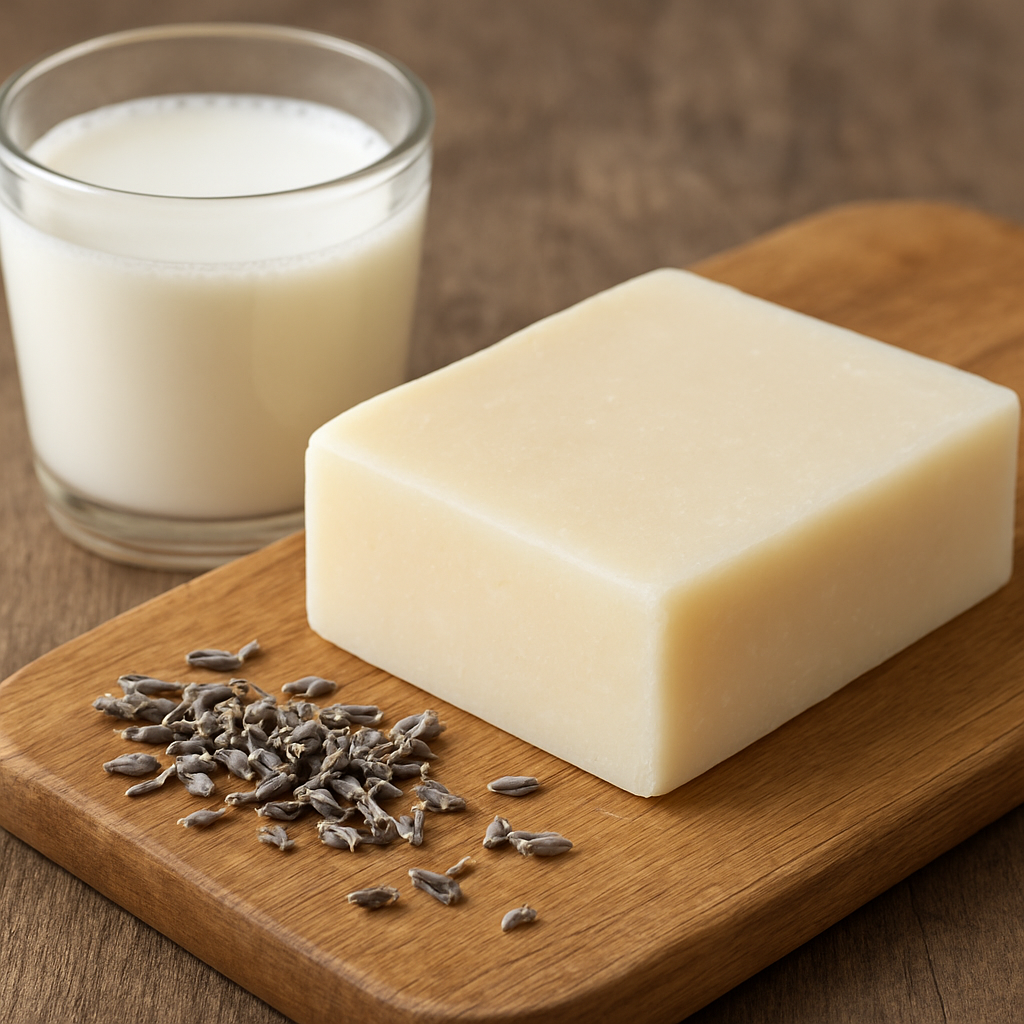
Alright, now that you’ve felt the difference a proper lather can make, let’s pull back the curtain and look at what’s really inside a goat milk soap for dry skin.
First thing’s first: the goat milk itself. We’re talking high‑butterfat milk straight from happy, grass‑grazed goats. That butterfat is packed with natural fats and cholesterol that cling to your skin, forming a protective film that keeps moisture from evaporating.
But milk isn’t the whole story. The oils you see listed – olive, coconut, shea, castor – each bring a unique slip. Olive oil is gentle and antioxidant‑rich, perfect for sensitive skin. Coconut gives that rich lather we all love, while shea butter adds a buttery softness that feels like a mini‑massage every time you wash.
So, how do you spot a formula that actually delivers? Here’s a quick cheat‑sheet you can scan while you’re in the shower or scrolling the product page:
- Goat milk listed as the first or second ingredient.
- At least two natural oils or butters, preferably olive, coconut, or shea.
- No sodium lauryl sulfate, no synthetic fragrance, no artificial colour.
- Optional botanicals (oatmeal, turmeric, lavender) that target specific concerns.
Notice how many of the top‑selling bars on Goat Milk Stuff’s classic collection check every box? Customers rave about the “creaminess” and “no‑dry‑after‑use” feel because the formulas are built around those exact criteria.
Now, let’s talk about the extras that can turn a good bar into a great one for dry skin.
1. Hydrating Boosters
Oatmeal is a classic. It’s a gentle exfoliant that also traps water, so you get a smoother surface without the tight feeling. One reviewer mentioned that after switching to an oatmeal‑infused goat milk bar, the flaking on her hands went from daily to “once a week.”
Turmeric isn’t just for golden lattes – it’s anti‑inflammatory. Folks with eczema have shared that a turmeric‑spiked goat milk soap helped calm flare‑ups within a day.
2. Scent Choices
If you’re sensitive to fragrance, go unscented. Honey Sweetie Acres offers a plain goat milk soap that skips essential‑oil perfume altogether, making it a safe bet for hyper‑sensitive skin.
On the other hand, a light lavender or rosemary‑mint blend can add a spa‑like experience without the harsh chemicals found in synthetic perfumes.
3. Texture Matters
Cold‑process bars cure for six weeks, allowing the fats to fully polymerise. That means a firmer bar that won’t dissolve into mush after a few showers – a common complaint with cheap “instant‑foam” soaps.
Hard water can mute lather, but a well‑balanced oil blend (roughly 30 % coconut, 30 % olive, 20 % shea, 20 % goat milk) will still give you a creamy foam that feels buttery, not squeaky.
Practical Step‑by‑Step Ingredient Audit
Grab a pen or your phone. When you’re eyeing a new bar, follow these five steps:
- Read the first three ingredients. Goat milk should be there, and at least two natural oils.
- Scan for “SLS,” “paraben,” or “synthetic fragrance.” If you see any, move on.
- Check for added botanicals that match your skin goal (e.g., oatmeal for dry patches, turmeric for inflammation).
- Look at the %‑based claim – many brands list “90 % natural” or “100 % organic” – higher is usually better.
- Take note of the curing method. “Cold‑processed, six‑week cure” signals quality.
Once you’ve ticked those boxes, you’ve got a soap that’s engineered to hydrate, not strip.
Quick Comparison Table
| Feature | Option | Why It Matters for Dry Skin |
|---|---|---|
| Milk Base | High‑butterfat goat milk | Supplies natural fatty acids and lactic acid for gentle exfoliation and barrier repair. |
| Oil Blend | Olive + Coconut + Shea | Olive soothes, coconut boosts lather, shea seals moisture – a triple‑action shield. |
| Botanical Add‑in | Oatmeal, Turmeric, Lavender | Oatmeal adds water‑binding fibers, turmeric calms inflammation, lavender offers a calming scent without harsh chemicals. |
That’s the meat of the ingredient game. Next up, we’ll look at how to store your bar so those fats stay locked in, and how to pair it with a simple post‑shower routine for maximum glow.
Step 3: How to Use Goat Milk Soap Effectively for Dry Skin
Okay, you’ve got the right bar in hand – now let’s actually make it work for your skin. The difference between a “nice smell” bar and a true skin‑soother is in the way you treat it from the moment the water runs.
1. Set the temperature just right
Hot water feels great, but it also strips away the natural lipids that goat milk soap is trying to restore. Aim for lukewarm – about 98°F (37°C). It’s warm enough to melt the fats in the soap, but not so hot that it evaporates the moisture you just added.
Think of it like brewing tea: you don’t boil the water or the tea leaves get bitter. Same principle for your skin.
2. Wet, lather, and massage – gently
Start by wetting the bar and rubbing it between your palms. You’ll notice a creamy, buttery lather forming after a few seconds. If you have to add a splash of water, that’s normal – the fats need a little help to emulsify.
Apply the lather to a small patch of skin first – maybe the back of your hand. Massage for 20‑30 seconds, letting the lactic acid and fatty acids do their quiet work. No aggressive scrubbing; you’re coaxing, not sanding.
Real‑world example: a longtime Etowah Mills shopper told us that after a week of using this gentle massage routine, the “crack‑leathery” feel on her elbows softened dramatically.
3. Rinse with care
Switch the faucet back to lukewarm and rinse thoroughly. Pat – don’t rub – your skin dry with a soft towel. Rubbing can undo the barrier repair you just earned.
If you notice a lingering “tight” sensation, you’re probably still using water that’s too hot or rinsing too aggressively.
4. Follow with a lock‑in step
While the skin is still slightly damp, seal the moisture. A lightweight, plant‑based moisturizer works best – think aloe‑gel or a few drops of jojoba oil. If you prefer an all‑in‑one routine, our own solid lotion (available at Evolve Botanica) slides right onto the damp skin without feeling greasy.
Tip: a pea‑size amount of shea‑butter balm applied after a shower can extend the benefits of the goat milk soap for up to 12 hours.
5. Store the bar properly
After each use, place the soap on a ventilated dish or rack so it can dry on all sides. Avoid plastic containers that trap moisture – they turn the bar mushy and accelerate the loss of fatty acids.
One of the most common complaints we hear is “my soap gets soggy after a few weeks.” The fix? A simple soap dish with drainage holes does the trick.
6. Frequency matters
For dry skin, twice‑daily use (morning and night) is ideal, but listen to your skin. If you notice any irritation, scale back to once a day until your barrier feels stronger.
During harsh winter months, many of our customers bump up to a third wash – a quick “rinse‑only” lather in the afternoon to keep the skin hydrated without over‑cleansing.
7. Travel‑friendly hacks
When you’re on the go, wrap the bar in a cotton pouch or a reusable silicone soap case. This protects it from the humidity in hotel bathrooms and keeps the lather ready for the next shower.
We’ve seen hikers in the Appalachians swear by a small goat milk soap chunk tucked into their pack – it’s lighter than liquid cleansers and still delivers the same moisturizing punch.
8. Real‑world proof
Don’t just take our word for it. Goat Milk Stuff’s customer reviews consistently mention softer hands after just a few washes, and many note a reduction in flakiness within the first week.
Even a short tutorial video on YouTube walks through the exact steps we’ve outlined – the visual cue can be handy if you’re a visual learner. Watch the demo here for a quick refresher.
Bottom line: treat the soap like a friend you’re inviting into your daily ritual. Warm water, gentle massage, careful rinsing, and a moisture seal will let the natural fats, lactic acid, and vitamins in goat milk do what they’re best at – turning dry, tight skin into soft, happy skin.
Step 4: DIY Goat Milk Soap Recipe for Dry Skin
Alright, let’s roll up our sleeves and actually make a bar that your dry skin will thank you for. If you’ve ever wondered why store‑bought soap feels like sandpaper, it’s because most of them strip the skin’s natural lipids. Our goat‑milk soap keeps those fats right where they belong – on your skin.
Gather Your Ingredients (the basics)
You’ll need:
- 1 lb (≈ 454 g) high‑butterfat goat milk (fresh or frozen in ice cubes)
- 5 oz (≈ 140 g) olive oil
- 5 oz coconut oil
- 4 oz shea butter
- 2 oz castor oil
- 4 oz distilled water (to balance the milk)
- 4.5 oz sodium hydroxide (lye)
- Optional boost: 1 tsp colloidal oatmeal, ½ tsp honey, or a few drops of lavender essential oil
These ratios come straight from the cold‑process method we swear by at Evolve Botanica. They give you a firm bar that stays creamy, not mushy.
Step‑by‑Step: From Kitchen to Soap Dish
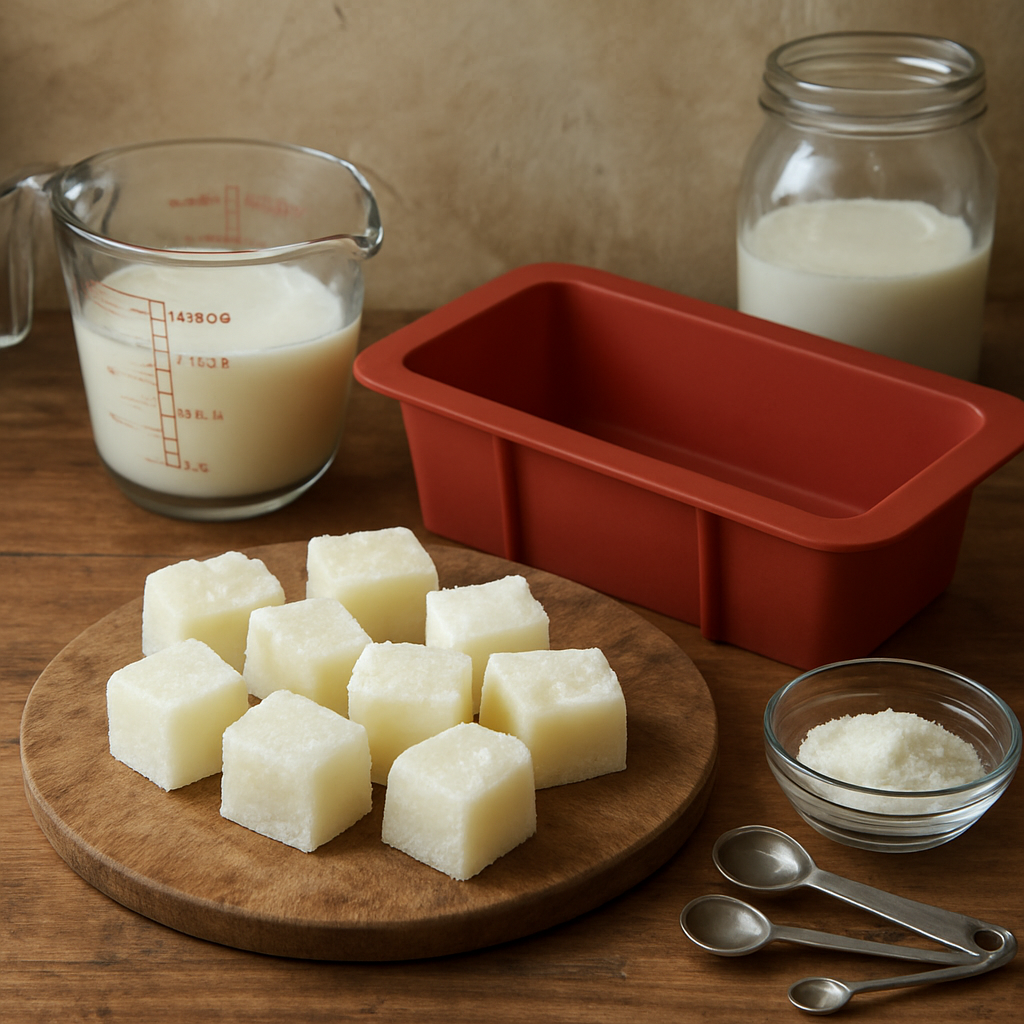
1. Freeze the milk. Pour the goat milk into ice‑cube trays and pop them in the freezer. The frozen cubes prevent the milk from scorching when they meet the hot lye.
2. Prepare the lye solution. Weigh the lye and the distilled water separately. In a well‑ventilated area, slowly sprinkle the lye into the water (never the other way around) and stir until dissolved. Let it cool to about 95°F (35°C).
3. Melt the oils and butter. Combine olive, coconut, shea, and castor oils in a stainless steel pot. Heat gently until everything is liquid, then let the mixture cool to the same temperature range as the lye solution.
4. Combine milk‑lye with oils. Drop the frozen milk cubes into the cooled lye solution. Stir until the milk fully melts and the mixture sits around 90‑100°F. Immediately pour this into the melted oils and blend with an immersion stick blender. You’ll hit “light trace” in about a minute.
5. Add the extras. At trace, stir in oatmeal, honey, or essential oil. Be careful with honey – it can heat the batter, so keep the blend in the fridge for a few minutes afterward.
6. Pour and insulate. Spoon the batter into a silicone loaf mold. Tap the mold gently to release air bubbles, then cover with a towel and place the whole thing in the fridge for 12‑24 hours. The cold step stops a gel‑center and keeps the soap a bright, creamy white.
7. Unmold, cut, and cure. Pop the bar out, slice into 2‑inch bars, and let them cure on a ventilated rack for 4‑6 weeks. During curing, the water evaporates, the saponification finishes, and the fats lock in moisture for that lasting softness.
Pro Tips from the Lab
• Bitten Seasonal Soap – Cherry, Berries & Goat Milk is a great reference bar; notice its smooth lather and the way it doesn’t dissolve into mush after a week.
• If you’re in a rush, you can swap half the water for extra goat milk, but keep the total liquid volume the same – otherwise the lye won’t fully saponify the oils.
• For a winter‑time boost, add a pinch of sodium lactate (about 1 % of the oil weight). It speeds up hardening, so you can cut the soap sooner without sacrificing the moisturizing fats.
• Keep your workspace dry. Moisture in the air can cause the soap to develop a soft “soda ash” crust on the top – a harmless but unsightly layer.
Testing Your Finished Soap
When the bar is fully cured, do the classic “feel test”: rub a small piece between your fingers, then rinse with lukewarm water. Your skin should feel supple, not tight. If you notice any residual slickness, it’s a sign the super‑fat level is just right – those extra oils are the moisturizers your dry skin craves.
Real‑world example: one of our longtime Etowah Mills customers swapped his regular bar for this DIY version and reported that the “crack‑leathery” elbows on his forearms softened within ten days. He even started using the bar on his hands after gardening, where the added shea butter protected against wind‑burn.
Want to turn this soap into a mini‑spa kit? Pair the bar with a reusable bottle for a post‑shower mist. Check out Quench Bottles for sleek, custom‑print bottles that make great gift‑set companions.
Finally, remember to label your creation with the batch date and any optional botanicals you added. A tidy label not only looks professional – it helps you track the curing timeline.
Happy soap‑making! Your skin will thank you, and your bathroom will smell like a cozy cottage.
Step 5: Troubleshooting Common Issues & Alternatives
You've mixed, cured, and started using your goat milk soap for dry skin, but maybe something feels off. Don't worry – a few hiccups are normal, and most of them can be solved with a quick tweak or two.
Soap gets soggy or mushy after a week
One of the most common complaints is a bar that softens far too fast. The culprit is usually excess moisture in the curing environment or a soap dish that traps water.
Solution: move the bar to a ventilated rack with drainage holes and keep the bathroom floor dry. If you live in a humid climate, consider a silica‑gel packet under the rack to absorb excess humidity.
Real‑world example: a longtime Etowah Mills customer noticed his oatmeal‑infused goat milk bar turned mushy after two showers. He swapped the plastic dish for a bamboo slatted tray, and the bar stayed firm for the full six‑week cure.
Lack of creamy lather
If the lather feels watery or disappears the moment you rinse, the oil blend might be off‑balance – too much olive oil and not enough coconut or castor.
Adjust the recipe by aiming for roughly 30 % coconut oil, 25 % olive, 20 % shea butter, and 15 % goat milk, then add a splash of castor oil (about 5 %). This combo boosts foam without sacrificing moisturizing power.
We’ve seen a DIY enthusiast in Upstate NY switch to this ratio and report a “silky, cushiony foam” that lasts the whole wash.
Skin still feels tight after rinsing
Even though goat milk is naturally soothing, a tight feeling can mean the super‑fat level is too low or the bar contains a hidden drying ingredient like sodium lauryl sulfate.
First, double‑check the ingredient list – goat milk should be the first or second entry, and there should be no SLS. If the bar is homemade, increase the super‑fat by 5 % (add extra shea butter or a drizzle of jojoba oil at trace).
Picture this: a regular user swapped a plain goat milk bar for a version that added 2 % extra shea at trace, and the post‑wash tightness vanished within three washes.
“Soda ash” crust on top of the bar
The white, powdery layer that sometimes forms is called soda ash – a harmless by‑product of saponification that can look unsightly.
To prevent it, store the bar in a cool, dry place and avoid direct sunlight. If you already have a crust, simply brush it off with a soft cloth before each use.
Alternative: Boost the formula with oat or honey
For extra moisture, blend in a tablespoon of colloidal oatmeal or a teaspoon of raw honey at trace. Oat absorbs water and releases it slowly, while honey adds natural humectants.
Our own “Oatmeal & Honey” goat milk bar at Tug Hill Homestead shows how these additions keep even the most winter‑dry skin soft for days.
Alternative: Try a glycerin‑rich goat milk soap
If you’re consistently battling a lack of slip, look for a glycerin‑boosted version. Glycerin is a by‑product of saponification that attracts water, giving the skin an extra hydration boost.
Legends Creek Farm explains that glycerin‑rich goat milk soap maintains a pH close to skin’s natural level, which helps lock in moisture according to their research.
Quick troubleshooting checklist
- Bar feels mushy? Use a ventilated rack, keep area dry.
- Lather thin? Adjust oil ratio: more coconut, a touch of castor.
- Skin tight? Verify no SLS, increase super‑fat by 5 %.
- Soda ash crust? Store cool, brush off before use.
- Still dry after wash? Add oatmeal, honey, or switch to glycerin‑rich soap.
Bottom line: goat milk soap for dry skin is forgiving, but a few small adjustments can turn a “meh” bar into a daily skin‑hug. Experiment with one change at a time, note how your skin reacts, and you’ll soon have a formula that feels like it was brewed just for you.
Step 6: Where to Buy Quality Goat Milk Soap
Ever stared at a shelf of soaps and thought, “Which one actually helps my dry skin?” You’re not alone. We’ve all felt that mix of hope and overwhelm when the label says “goat milk” but the ingredients list looks like a chemistry exam.
Let’s break it down together. First, ask yourself: do you want a bar you can grab at the local market, or are you comfortable ordering online and waiting for a package to arrive? Both routes work, but they need a little detective work.
1. Check the source – raw goat milk matters
The biggest red flag is “goat milk” listed somewhere in the middle of the ingredients. Quality bars put raw goat milk front‑and‑center because it’s the star of the show. Look for phrases like “high‑butterfat goat milk” or “farm‑fresh goat milk.” If you can’t see it in the top three, move on.
Why does that matter? Raw milk brings the fatty acids, vitamins A, D, E, and that gentle lactic‑acid exfoliation we love. Those are the things that actually soften dry skin, not just a marketing buzzword.
2. Scout local artisan markets and fairs
We pop up at Etowah Mills every Saturday and the Congregation Or VeShalom Hanukkah Bazaar on Sunday. Walking through the rows, you can smell the lavender, feel the weight of a solid bar, and ask the maker straight‑up: “What’s your milk source? How long do you cure?” Those answers tell you more than any label can.
When you’re at a stall, grab a sample if they offer one. A quick lather on your wrist should feel creamy, not squeaky. If it leaves a faint, pleasant scent from essential oils rather than a synthetic perfume, you’re on the right track.
3. Use trusted online shops
If you can’t make it to a market, the internet is your friend – just pick the right friend. Look for brands that are transparent about their process, show curing times, and list every ingredient. A good sign is a detailed “Our Story” page that talks about the farm, the milking schedule, and the cold‑process method.
One source that does exactly that is Goat Milk Stuff's dry‑skin collection. Their product pages spell out the milk source, the oil blend, and even include customer feedback about how the bars tame flakiness.
4. Verify the absence of drying agents
Scan for sodium lauryl sulfate (SLS), harsh synthetic fragrances, or artificial colourants. Those ingredients are the villains that pull moisture right off your skin. If you see “fragrance‑free” or “essential‑oil scented,” that’s a win.
And here’s a quick checklist you can keep on your phone:
- Goat milk in the first two ingredients.
- No SLS, no parabens, no synthetic dyes.
- Cold‑process, 4‑6‑week cure.
- Added botanicals like oatmeal or honey for extra slip (optional).
5. Compare price to value, not just the sticker
Quality goat milk soap isn’t cheap, but it’s an investment in your skin’s barrier. A $12 bar that lasts three weeks and keeps your hands from cracking is worth more than a $5 bar that melts after a week and leaves you reaching for a moisturizer.
When you see a price that seems too good to be true, ask: “What’s the milk-to‑oil ratio? How much super‑fat do they add?” Those answers usually reveal whether you’re getting a truly moisturizing bar or a budget cut‑corner.
6. Trust the community – reviews matter
Even though we can’t quote individual names, the overall sentiment on a brand’s review page can be a compass. Look for comments like “my skin feels softer after the first wash” or “no more tightness after showering.” Those real‑world signals line up with what we’ve observed in our own shop.
If you’re still on the fence, start with a small trial size. Many artisan makers sell single‑bar packs so you can test the feel before committing to a bulk order.
7. Store it right, and you’ll keep buying the same bar
Once you’ve found a quality bar, keep it dry on a ventilated rack. A soggy bar loses its fatty acids faster, and you’ll start noticing the same dry‑skin problems you tried to fix.
In our experience, the best goat milk soaps become a staple in the bathroom because they last, they soothe, and they smell like a little slice of the farm.
So, what’s the next move? Grab a notebook, jot down the three things we just covered, and head to the nearest market or click through a reputable online shop. Your skin will thank you the moment you lather up.
Conclusion
We’ve walked through everything from the science behind goat milk’s fatty acids to the nitty‑gritty of storage, so you now know exactly what makes a goat milk soap for dry skin truly work.
At the end of the day, the bar that feels creamy, leaves your skin soft, and stays firm on a ventilated rack is the one that will stick around in your bathroom – and in your routine.
Here’s a quick cheat‑sheet to keep handy: goat milk in the top two ingredients, at least two natural oils, no SLS or synthetic fragrance, a cold‑process cure of 4‑6 weeks, and a dry rack for storage.
So, what’s the next move? Grab a notebook, jot down those three must‑haves, and head to the next market or online shop you trust. If you’re in the area, we’ll be at Etowah Mills this Saturday – a great chance to feel the lather before you buy.
Remember, a little habit change – lukewarm water, gentle massage, and a light seal of moisture – turns that simple bar into a daily skin‑hug. Your skin will thank you, and you’ll finally ditch that tight, squeaky feeling.
Give it a week, notice the difference, and enjoy softer hands every day.
FAQ
What makes goat milk soap better for dry skin than regular soap?
Goat milk is packed with natural fats, lactic acid, and vitamins that coat the skin and gently exfoliate without stripping. Those fats slip right into the barrier, sealing in moisture the way a light ointment would, but without that heavy feel. Regular soaps usually rely on harsher surfactants that can leave dry skin feeling tight and squeaky.
How often should I use goat milk soap for dry skin?
Most people find that twice‑daily use—once in the morning and once before bed—keeps dry patches at bay without over‑cleaning. If your skin feels a bit tight after the second wash, scale back to once a day or try a “rinse‑only” lather in the afternoon. Listen to how your skin reacts and adjust the frequency accordingly.
Can I use goat milk soap on sensitive areas like the face?
Goat milk soap is generally gentle enough for the face, but look for a formula that’s fragrance‑free and contains soothing botanicals like oatmeal or chamomile. Start with a small patch on your cheek, massage for a few seconds, then rinse. If no redness or tightness appears after 24 hours, you’re good to use it as your daily cleanser.
What ingredients should I avoid in a goat milk soap for dry skin?
Avoid sodium lauryl sulfate (SLS), synthetic fragrances, and artificial colourants—those ingredients actively pull moisture from the skin. Also steer clear of high‑ratio coconut oil without enough super‑fat, because too much can dry you out. A clean ingredient list will put goat milk in the first two spots, followed by at least two natural oils or butters.
How do I store goat milk soap to keep it moisturizing?
Keep the bar on a ventilated soap dish or rack so each side can dry between uses. Avoid plastic containers that trap moisture—they turn the soap mushy and accelerate the loss of fatty acids. If you live in a humid climate, add a small silica‑gel packet under the rack or store the soap in a breathable linen bag.
Is it safe to mix goat milk soap with other skincare products?
Yes, you can layer a light moisturizer or facial oil right after rinsing while your skin is still damp. The goat milk soap leaves a thin film of natural fats, and a follow‑up product like jojoba oil simply locks that moisture in. Just make sure the extra product doesn’t contain alcohol or strong fragrance that could counteract the soap’s soothing effect.
Where can I find a high‑quality goat milk soap near me?
If you’re hunting for a high‑quality bar, check out local artisan markets—our stall at Etowah Mills this Saturday is a great place to feel the lather and ask the maker questions. Farmers’ markets, boutique gift shops, and specialty online stores that list full ingredient breakdowns are also reliable sources. A quick sniff and a test patch will tell you if the soap lives up to its promises.
0 comments