
Ever walked into a bathroom store and thought, “I wish I could just find goat milk soap near me without hunting online all day?”
Yeah, I’ve been there. The scent of fresh goat milk, a touch of honey, and that creamy lather feels like a little hug for your skin, but the options can feel hidden in a maze of generic soaps.
That’s why I’m excited to share a simple way to discover locally‑crafted goat milk soap without the endless scrolling.
First off, think about what matters to you: soothing sensitive skin, a natural ingredient list, or maybe a holiday gift that feels personal. When you type “goat milk soap near me” into Google, the results often jumble big retailers with tiny artisans.
Here’s a quick trick: add the name of your town or neighborhood to the search. “Goat milk soap near me Etowah” or “goat milk soap near me Atlanta” will pull up shops that actually sit on your street corner or pop‑up at local markets.
And don’t forget to check community boards like Facebook Marketplace or Nextdoor – neighbors love to shout out the best local soap makers. You’ll often find a post about a weekend stall at Etowah Mills or the Congregation Or VeShalom Hanukkah Bazaar, where Evolve Botanica sets up a table.
If you’re lucky, you’ll see a vendor offering a sample of their Oatmeal, Milk & Honey soap. That’s the perfect moment to test the texture, smell, and how it feels on your skin before committing to a full bar.
Another tip: call the shop ahead. A quick “Do you carry goat milk soap?” can save a trip and sometimes lands you a friendly recommendation you won’t find online.
And remember, the best goat milk soaps are handmade with real goat milk, not just a milk‑scented additive. Look for ingredient lists that mention “locally sourced goat milk” and natural moisturizers like honey or lavender.
So, next time you’re scrolling for “goat milk soap near me,” try these tricks, and you’ll be lathering up with a product that actually supports a local creator.
Let’s dive in and explore how to turn that simple search into a delightful, skin‑loving experience.
TL;DR
Finding goat milk soap near you is easier than scrolling endlessly—just add your town, check local markets, and instantly call ahead for samples today.
You’ll discover handcrafted, skin‑loving bars like Evolve Botanica’s Oatmeal, Milk & Honey, supporting nearby artisans, and enjoy holiday‑ready gifts for friends while treating your skin now.
Step 1: Find Local Artisans and Stores
Okay, picture this: you’re sipping coffee on a Saturday morning, scrolling through your phone, and you think, “I really need that creamy goat milk soap before the holidays.” The feeling of that lather is almost nostalgic, right? The trick is turning that vague craving into a concrete plan.
First, start with the simplest filter – your zip code. Type “goat milk soap near me" followed by your five‑digit zip into Google. You’ll instantly see a mix of big retailers and tiny storefronts. The tiny ones are the gold mines because they’re usually the artisans you want.
Tip #1: Scan Local Market Calendars
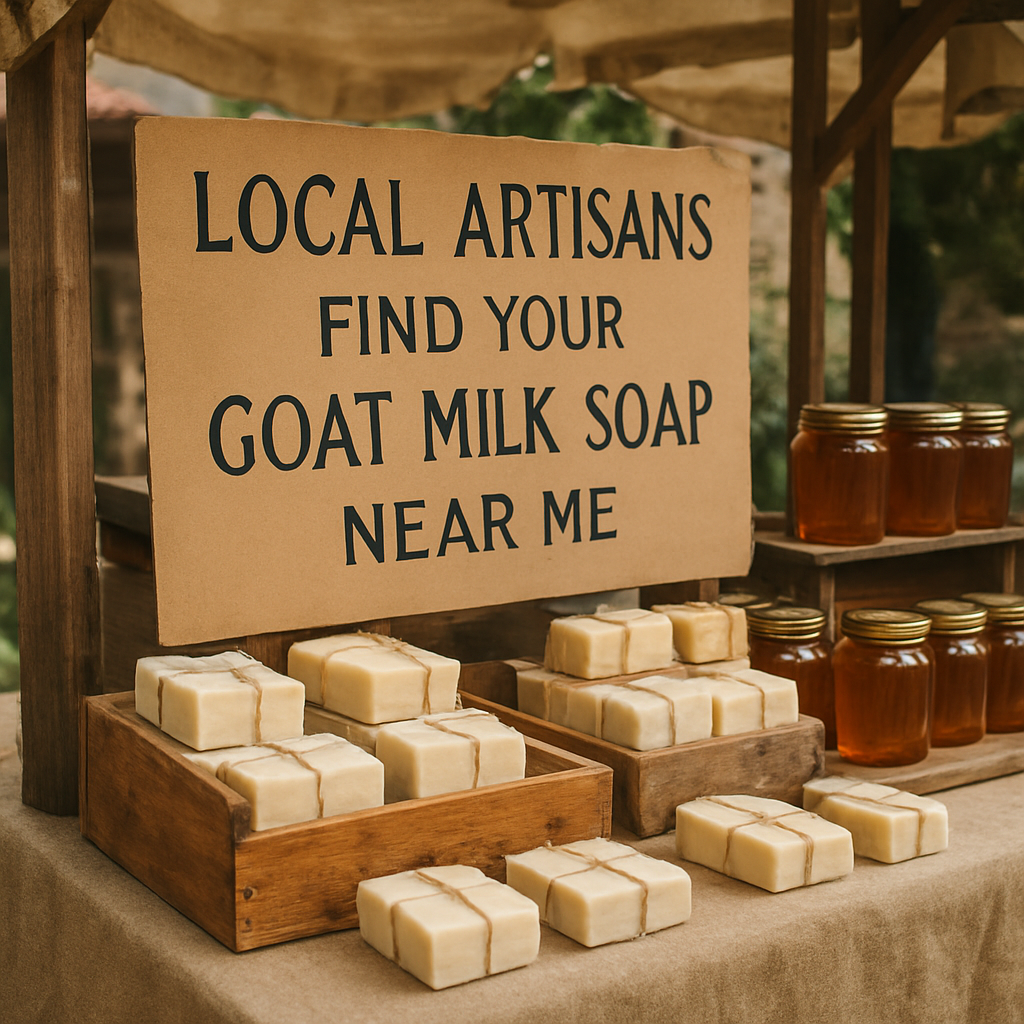
Most towns publish a community events calendar. Look for farmer’s markets, craft fairs, or seasonal bazaars. For example, Etowah Mills hosts a Saturday market where Evolve Botanica sets up a booth. Walking the aisles, you can smell the honey‑infused Oatmeal, Milk & Honey bar before you even see it. If you’re in Atlanta, the Congregation Or VeShalom Hanukkah Bazaar is another hotspot that often features local soap makers.
Pro tip: jot down the dates in your phone calendar. Set a reminder the day before – you’ll be less likely to skip it.
Tip #2: Use Neighborhood Apps
Platforms like Nextdoor or local Facebook groups are basically modern bulletin boards. A neighbor might post, “Got fresh goat milk soap from Evolve Botanica at the weekend market – samples available!” These posts usually include the exact stall number and hours. Engage in the comments – ask if they have a sample bar or if the vendor accepts pre‑orders.
And if you’re feeling bold, drop a quick message: “Hey, do you carry any goat milk soaps? I’m looking for something gentle for my skin.” A friendly vendor will often reply with a photo of the product and even reserve a bar for you.
Tip #3: Call Ahead – It Works Every Time
Before you drive, pick up the phone. A short, “Do you have any goat milk soap in stock?” can save you an hour. Many boutique stores keep a small inventory that isn’t listed online. When you call, ask if they have a “sample size” or a “tester bar.” That way you can feel the texture and scent before buying a full bar.
For instance, the owner of a small shop on Peachtree Street once told me they keep a few Oatmeal, Milk & Honey bars behind the counter, just for curious shoppers. A quick call saved me a wasted trip.
Tip #4: Map the Artisan Trail
Take a notebook (or a notes app) and map out every artisan you discover. Include the store name, address, and a one‑line note about the soap you liked. Over time you’ll see clusters – maybe three different vendors in the same downtown district. That’s a sign the area is a hub for natural skincare, and you’ll likely find new releases there too.
When you’ve collected a few names, check their websites. Many small producers showcase a “Where to Find Us” page that lists pop‑up locations and even offers a printable PDF map.
Here’s where you can see some of the top‑selling goat milk soaps that often appear at these events: Best Sellers – Evolve Botanica. Browsing the best‑sellers gives you a sense of which scents are crowd‑pleasers – Oatmeal, Milk & Honey, Teakwood, and seasonal blends.
While you’re exploring, you might wonder why a construction company shows up in a soap‑search article. It turns out LGFMH Construction Roofing sponsors several community events, including local markets. Their involvement helps keep the market space alive, which in turn gives artisans a venue to sell their goat milk soap. A small detail, but it shows how community ecosystems support each other.
Finally, keep a small “sample bag” in your tote. When you stumble upon a new bar, slip a tester inside. Over a few weeks you’ll have a personal library of scents and textures to compare. That way, when the holiday gift list comes around, you already know which bars your friends will love.
Bottom line: combine a zip‑code search, community calendar checks, neighborhood app scouting, a quick phone call, and a map of artisan hotspots. Follow those steps, and you’ll turn the vague phrase “goat milk soap near me” into a concrete list of stores, dates, and even sample bars you can actually hold in your hand.
Step 2: Evaluate Product Quality
Alright, you’ve tracked down a few stalls or boutiques that claim they sell goat milk soap near me. The next question is – does the soap actually live up to the hype? Let’s walk through a quick, down‑to‑earth checklist so you can tell a true‑crafted bar from a gimmick.
1. Scan the ingredient list like you’re reading a grocery label
First thing you’ll see on any bar is the ingredient list. Real goat milk soap should start with “goat milk” or “fresh goat milk” right up front. If you spot a long string of synthetic surfactants (think sodium lauryl sulfate) before the milk, that’s a red flag.
Look for simple, recognizable moisturizers – shea butter, honey, almond oil, or olive oil. Those ingredients not only boost hydration but also signal a small‑batch approach. If the label reads “fragrance (parfum)” without specifying essential oils, you might be dealing with a scented filler rather than a truly natural scent.
2. Check for freshness and sourcing claims
Because goat milk is perishable, reputable makers usually mention “freshly milked” or “farm‑direct.” Some artisans even add a harvest date on the packaging. If you can’t find any reference to where the milk comes from, ask the vendor – a genuine crafter will be happy to tell you the farm name or even show a photo of their goats.
One quick test: press the bar lightly. Fresh goat milk soap feels supple, a little springy, not hard as a rock. If it crumbles or leaves a powdery residue, the milk may have been dried out for too long.
3. Lather test – the real litmus
Grab a small piece, wet it, and rub it between your hands. A high‑quality goat milk bar creates a creamy, buttery lather that sticks to the skin without a lot of effort. If you get a thin, bubbly foam that disappears in seconds, the formula is probably overloaded with cheap detergents.
Pro tip: bring a tiny bottle of distilled water. Some soaps, especially those with high oil content, need a bit of extra moisture to fully lather. If the bar still feels “dry” after a few seconds of water, you might be holding a low‑grade product.
4. Scent sanity check
Natural goat milk soap often carries a subtle milky aroma, sometimes layered with honey, lavender, or citrus from essential oils. The scent should be pleasant but not overpowering. If you’re hit with a synthetic “candle‑shop” fragrance right away, the bar probably relies on fragrance oils rather than the goat milk itself.
Take a sniff at the stall before buying. Many vendors will let you waft a tester bar. If the smell changes dramatically after a few minutes, that could indicate added perfume that fades quickly – a sign of lower quality.
5. Look for certifications or quality promises
Some makers display a “no harsh chemicals” badge, cruelty‑free seal, or even a small farm‑to‑soap guarantee. While these aren’t foolproof, they show a commitment to transparency. If a brand boasts “if we wouldn’t use it on our grandchildren, we won’t sell it,” that’s a confidence boost (you’ll often see that kind of promise on farms that truly care about their product).
6. Ask for a sample or “tester” bar
Never underestimate the power of a trial run. A friendly vendor will usually have a mini‑size or a cut‑off piece you can take home. Slip it into your tote, use it for a night, and see how your skin reacts. If the soap leaves a smooth, hydrated feel without itching, you’ve likely found a winner.
And if you notice any redness or a tight, squeaky sensation, that’s your body telling you it’s not the right match – move on.
7. Sustainability matters
Eco‑conscious buyers should glance at the packaging. Recyclable paper, biodegradable peanuts, or even a reusable cloth bag are signs the maker cares about the planet as much as the soap itself. Those little details often line up with higher product quality.
Finally, jot down a quick “quality score” for each bar you test – 1 to 5 for ingredients, lather, scent, and skin feel. When you add up the points, you’ll have a clear, objective way to compare the options you’ve discovered during your goat‑milk‑soap‑near‑me hunt.
Bottom line: a solid evaluation combines a glance at the label, a tactile lather test, a scent sniff, and a short‑term skin trial. Follow these steps, and you’ll walk away with a bar that truly nourishes your skin and supports a local artisan.
Step 3: Compare Prices & Ingredients
Now that you’ve got a handful of bars in your tote, the next puzzle is figuring out which one gives you the most bang for your buck without compromising the skin‑loving goodies in the formula.
Break down the price tag
First, look at the per‑ounce cost. A 4‑oz bar listed at $12 might seem cheap until you realize a 6‑oz bar is only $14. That extra two ounces drops the cost from $3 per ounce to about $2.33 – a noticeable savings if you’re buying a few bars a year.
Tip: Write the price in a quick spreadsheet column titled “$/oz.” It lets you spot the sweet spot at a glance, especially when one artisan bundles a sampler set for $25.
Read the ingredient list like a grocery label
Real goat milk soap should list “goat milk” right at the top, followed by nourishing oils like shea butter, olive oil, or almond oil. If you see a string of synthetic surfactants (sodium lauryl sulfate, sodium laureth sulfate) before the milk, that’s a red flag – the soap will clean, but it won’t hydrate.
Notice any added fragrance. “Essential oil blend” is better than a vague “fragrance (parfum).” When you see “lavender essential oil” you know you’re getting a natural scent, not a synthetic perfume that can dry out sensitive skin.
Match price to ingredient quality
Here’s a quick rule of thumb: if the top three ingredients are natural fats (goat milk, shea butter, coconut oil) and the price is under $3 per ounce, you’re probably looking at a solid, handcrafted bar. Anything much cheaper than $1 per ounce usually means the maker diluted the goat milk with fillers like cheap glycerin or starch.
Conversely, a premium price (say $5 per ounce) isn’t automatically better. Check if the soap includes extra luxuries like raw honey, locally sourced lavender, or a seasonal botanical. Those add real value, but if the list is still dominated by synthetic detergents, you’re paying for branding, not benefits.
Real‑world comparison examples
Imagine you’re at Etowah Mills and spot three options:
- Bar A: 4‑oz Oatmeal & Honey, $12, ingredients: goat milk, raw honey, oat flour, shea butter, coconut oil, no synthetic fragrance.
- Bar B: 5‑oz Classic, $14, ingredients: goat milk, sodium lauryl sulfate, fragrance (parfum), palm oil, glycerin.
- Bar C: 6‑oz Seasonal “Bitten,” $22, ingredients: goat milk, lavender essential oil, rosemary extract, almond oil, beeswax.
Calculate $/oz: Bar A = $3.00, Bar B = $2.80, Bar C = $3.67. Even though Bar B looks cheap per ounce, the synthetic surfactant means it won’t moisturize the way Bar A does. Bar C costs more, but the added lavender essential oil and rosemary give extra soothing benefits that might be worth the price if you have sensitive skin.
Actionable checklist
When you’re comparing bars, run through this mini‑checklist on your phone or a small notebook:
- Write down the weight (oz) and price.
- Calculate $/oz.
- List the top three ingredients – are they natural?
- Spot any synthetic surfactants or vague fragrances.
- Note any bonus botanicals (honey, herbs, essential oils).
- Give each bar a score out of 5 for price‑value and ingredient‑quality.
Sum the scores – the bar with the highest combined total is likely your best buy.
Quick reference table
| Soap | $/oz | Key Natural Ingredients | Red Flags |
|---|---|---|---|
| Oatmeal & Honey (local market) | 3.00 | Goat milk, raw honey, oat flour, shea butter | None |
| Classic (store shelf) | 2.80 | Goat milk, palm oil, glycerin | SLS, vague fragrance |
| Bitten Seasonal (artisan pop‑up) | 3.67 | Goat milk, lavender essential oil, rosemary extract | Higher price but natural add‑ins |
Use that table as a cheat sheet the next time you’re browsing a stall or a boutique website. It turns a confusing price list into a clear decision matrix.
Bottom line: don’t let the sticker price be the only driver. A slightly pricier bar that’s 100% natural will keep your skin soft longer, meaning you’ll buy fewer bars over the year. And that’s the real savings.
Step 4: Check Certifications & Sustainability
Alright, you’ve narrowed down a few goat milk soaps that smell amazing – now it’s time to ask the tough question: does the bar truly live up to the eco‑friendly hype?
Why certifications matter
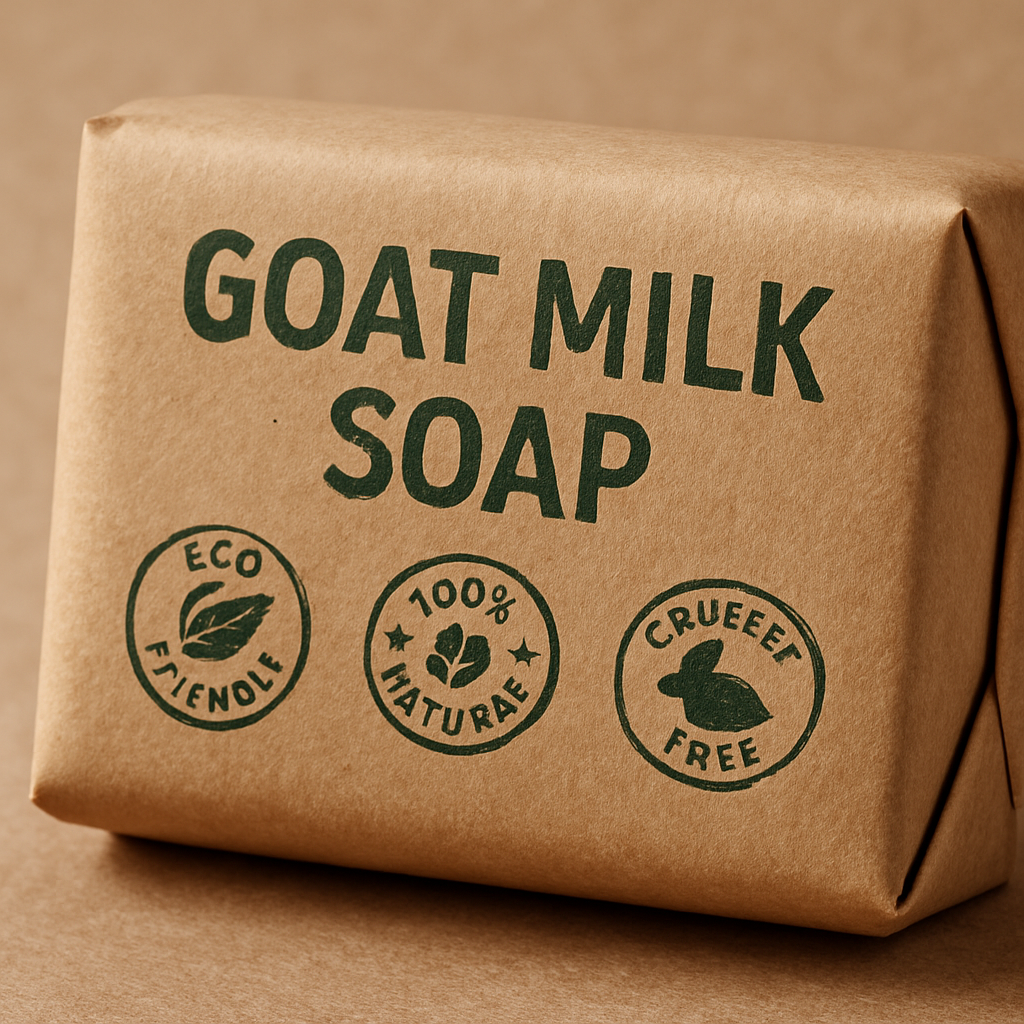
When a vendor flashes a “USDA Organic” or “Leaping Bunny” badge, they’re not just decorating the label. Those symbols are backed by third‑party audits that verify everything from ingredient sourcing to manufacturing waste.
Think about it this way: you wouldn’t buy a used car without checking the mileage report, right? The same logic applies to soap. A certification gives you confidence that the goat milk actually comes from a farm that treats its animals well and that the rest of the formula stays clear of harsh chemicals.
Step‑by‑step checklist
1. Scan the front of the package. Look for recognizable logos – USDA Organic, EcoCert, Soil Association, Leaping Bunny, or a local “Made in Georgia” seal. If the logo is tiny or tucked away on the back, dig deeper.
2. Verify the claim online. Grab your phone, type the certification name plus the brand, and see if the certifying body lists the product. A quick check can save you from a misleading “organic‑looking” claim.
3. Ask about ingredient sourcing. A reputable maker will gladly tell you where the goat milk is sourced, whether the honey is raw, and if the essential oils are wild‑crafted. For example, The Freckled Farm Soap Company emphasizes that it uses “organic oils and all‑natural, certified‑sustainable ingredients” and steers clear of phthalates and sulfates according to their product page.
4. Examine the packaging. Sustainable packaging can be as simple as recyclable paper wraps, biodegradable peanuts, or a reusable cloth bag. If the box is glossy plastic, the brand’s sustainability claim might stop at the formula.
5. Look for a transparency promise. Some artisans publish a “farm‑to‑soap” story on their website, complete with photos of the goats, the milking process, and the small‑batch kitchen. That level of openness usually signals a genuine commitment.
So, what should you do next? Grab a notepad and tick off each item as you walk the market stall or scroll the online shop. The more boxes you can check, the more likely you’re holding a soap that respects both your skin and the planet.
That short video walks you through reading a certification label, so you can spot the legit ones in seconds. Keep it on loop while you compare bars at Etowah Mills this Saturday – it’s surprisingly handy.
You can also ask the vendor about their carbon‑offset program or whether they use reclaimed wood for the display. Those little extra steps show a brand that’s thinking beyond the bar itself.
Finally, remember that sustainability isn’t just a checklist; it’s a mindset. Choosing a bar that carries verified certifications supports farms that practice humane animal care, reduces chemical runoff, and often means the product is packaged in a way that won’t sit in a landfill for centuries.
Bottom line: when you type “goat milk soap near me,” make the search smarter by adding “certified organic” or “cruelty‑free.” The extra few seconds you spend verifying a badge can turn a good soap into a great, conscience‑cleaning purchase that you’ll feel good about using every day.
Step 5: Purchase and Care Tips
So you’ve found a few promising goat milk soaps, but now the real question is: how do you actually bring them home without any buyer’s remorse?
First, set a budget before you walk into the market. Knowing whether you’re comfortable spending $12 for a 4‑oz bar or $20 for a seasonal blend keeps you from impulse‑buying a bar that sits untouched.
Ask the right questions at checkout
When the vendor asks, “Anything else?” it’s the perfect moment to ask about sample sizes, bulk discounts, or upcoming pop‑up dates. Many artisans, like the folks at Etowah Mills, will throw in a free tester if you’re buying two or more bars.
Don’t be shy about asking whether the soap is wrapped in recyclable paper or if they offer a reusable cloth bag. Those little extras often mean the brand cares about the environment as much as your skin.
Leverage seasonal sales
Holiday markets usually have “buy‑one‑get‑one‑half‑off” deals. If you spot a “Bitten” seasonal bar, ask if the vendor will honor the discount on a future purchase—sometimes they’ll give you a coupon for the next market.
Keep a small notebook in your tote and jot down the vendor’s name, price per ounce, and any promo code they mention. A quick spreadsheet later will show you which vendor gave you the best value.
Consider a subscription or loyalty program
Some local soap makers run a simple loyalty card: five purchases, the sixth is free. Ask if they have a digital version you can track on your phone.
If you love a particular scent, see whether they offer a refill program where you bring back the empty wrapper and get a discount on a fresh bar.
Pay with a method that protects you
Credit cards often come with purchase protection, which is handy if a bar arrives damaged or doesn’t match the description.
If you’re buying in person, cash can sometimes earn you a small price break—just ask, “Would you take cash for a discount?”
Real‑world example: the Saturday market
Last Saturday at Etowah Mills, I asked the vendor if the Oatmeal & Honey bar could be split into two smaller pieces for my travel kit. He gladly sliced one half, wrapped it in the recyclable paper, and tossed in a free soap saver mesh bag.
That little extra saved me $4 and gave me a ready‑to‑go bar for the gym.
Care tip #1: Let the bar dry between uses
Hang the soap on a mesh “soap saver” or a simple lanyard that lets air circulate. A dry bar lasts up to 30 % longer because the goat milk oils don’t sit in water and break down.
If you don’t have a dedicated holder, a small dish with a raised edge works just as well—just keep the bar off the sink floor.
Care tip #2: Store away from direct sunlight
Sunlight can degrade the natural vitamins (A and E) in goat milk, making the soap less moisturizing over time.
Place the bar in a cool, dry cabinet or a drawer lined with parchment paper for optimal longevity.
Care tip #3: Trim the edges
When a bar starts to get thin, use a sharp knife to shave off the soft edges. Those shavings can be tossed into a soap saver for a quick “last‑minute lather.”
It’s a neat hack that keeps every ounce of the nourishing goat milk in use.
Care tip #4: Rotate your bars
If you have multiple scents, rotate them every few days. This prevents the bar from becoming too soft in one spot of the shower and extends its life.
Plus, swapping scents keeps your routine fresh—one day you’re in a lavender meadow, the next you’re in a honey‑kissed kitchen.
Travel-friendly packaging
When you’re headed to a weekend getaway, slip a half‑size bar into a zip‑lock bag with a dry towel. The towel absorbs any excess moisture and keeps the soap firm.
Many vendors will even let you purchase a “travel pack” of three mini‑bars for a fraction of the regular price.
DIY storage hack
Got an empty glass jar from a candle? Turn it upside down and place the bar inside. The jar’s narrow neck limits water exposure while still letting the soap breathe.
It looks chic on the bathroom shelf, too.
What to do if a bar goes bad
If the soap develops a sour smell or turns mushy, it’s probably gone past its prime. Donate the leftover to a local shelter—they love gentle soaps for animals.
Or, crumble it into a homemade body scrub—mix with sugar and a drizzle of olive oil for a quick exfoliant.
Checklist before you leave the market
- Confirm price per ounce.
- Ask about reusable packaging.
- Request a soap saver or note how you’ll dry the bar.
- Write down the vendor’s contact for future orders.
Follow these steps, and you’ll walk away with a goat milk soap that not only feels amazing on your skin but also stays fresh, lasts longer, and supports a local creator you can trust.
FAQ
What should I look for when I type “goat milk soap near me” into Google?
First, check that “goat milk” appears at the top of the ingredient list – that tells you the milk isn’t just a scent. Next, scan for simple, natural moisturizers like shea butter, honey, or almond oil. Avoid bars that lead with synthetic surfactants such as sodium lauryl sulfate. Finally, see if the vendor mentions where the milk is sourced; a local farm name is a good sign you’re truly supporting a nearby artisan.
How can I tell if the goat milk soap I find at a market is still fresh?
A fresh bar feels slightly springy and gives a gentle give when you press it with your fingertip. It shouldn’t crumble into powder or feel rock‑hard. Give it a quick lather test: a few seconds of water should produce a creamy, buttery foam that clings to your skin. If the lather disappears instantly or smells overly “chemical,” the soap may have been sitting too long or been made with diluted milk.
Are there any safety concerns with goat milk soap for sensitive or allergic skin?
Goat milk itself is usually gentle, but the other ingredients matter. Look out for added fragrances listed only as “parfum,” because they can trigger irritation. If you have a known allergy to honey or certain essential oils, double‑check the label for those specifics. A patch test – rubbing a tiny piece on the inside of your wrist for 15 minutes – is a simple way to confirm the bar won’t cause redness before you use it all over.
What’s the best way to store my goat milk soap once I bring it home?
Let the bar dry between uses by hanging it on a mesh soap saver or a simple lanyard that lets air circulate. Keep it off the wet floor of the shower; a small dish with a raised edge works well. Store the soap in a cool, dark cabinet or drawer, and avoid direct sunlight, which can break down the natural vitamins in the milk and make the bar melt faster.
Can I buy goat milk soap online and still support local makers?
Yes – many artisans run small e‑commerce shops that ship directly from their studio. Look for a “Where to Find Us” or “Local Pickup” page that lists market dates, and verify the URL belongs to the same brand you see at Etowah Mills. When you place an order, ask if they offer a reusable packaging option or a sample bar; that keeps the transaction local even if the delivery travels a few miles.
How often should I replace my goat milk soap bar?
When the bar starts to feel mushy, shrinks dramatically, or leaves a squeaky film on your skin, it’s time to retire it. Typically a well‑cared‑for 4‑oz bar lasts 4–6 weeks of regular use. If you rotate between a couple of scents, you’ll naturally extend each bar’s life because you’re not over‑exposing one piece to water and friction.
What should I do with a goat milk soap bar that has gone bad?
If you notice a sour smell, discoloration, or a mushy texture, don’t toss it straight into the trash. You can crumble the leftover into a DIY body scrub by mixing it with sugar and a drizzle of olive oil – the scrub still delivers a gentle exfoliation. Alternatively, many animal shelters appreciate gentle, unscented soap for cleaning dogs and cats, so a short donation call can give the bar a second life.
Conclusion
By now you’ve turned the vague search “goat milk soap near me” into a real‑world plan you can actually walk to.
We’ve mapped out how to sniff out local markets, how to read a label like a grocery list, and how to score the best price‑per‑ounce without falling for cheap synthetics.
So, what’s the next step? Grab a notebook, jot down the stalls you saw at Etowah Mills, and set a reminder for the next Saturday. When you’re there, ask for a sample, test the springy feel, and watch the buttery lather build on your skin.
Remember the simple care tricks: let the bar dry on a mesh saver, store it out of direct sun, and trim the edges when it gets thin.
And if you ever end up with a bar that goes sour, don’t toss it – crumble it into a DIY scrub or donate it to a shelter. A little extra love keeps the cycle circular.
Finally, keep coming back. Each market visit teaches you a new scent, a new vendor, maybe even a new reusable bag. The more you explore, the more “goat milk soap near me” becomes a friendly neighborhood secret rather than a Google query.
Happy hunting, and enjoy the soft, naturally moisturized skin that only genuine goat milk soap can give.
0 comments