
Ever stood in the shower wondering if the creamy lather of goat milk soap or the buttery richness of shea butter soap is actually better for your skin? I get it—those moments when you’re juggling a busy day, then you catch a glimpse of that soap bar and wonder which one will keep your skin happy without turning your routine into a science experiment.
Here’s the thing: goat milk soap brings natural lactic acid, vitamins A and D, and a light, soothing texture that’s perfect for sensitive or dry skin. Think about the feeling of a soft, milky cushion after a long hike; that’s the kind of comfort goat milk offers. On the flip side, shea butter soap is packed with fatty acids and antioxidants that help lock in moisture and protect against environmental stressors—ideal for folks battling harsh winter air or looking for a bit of extra glow.
In our shop, we’ve seen customers with eczema swear by the gentle calming effect of our Standard Soap - Oatmeal, Milk & Honey (Goatmilk). They tell us it feels like a tiny spa session every morning, and the oatmeal adds an extra soothing layer for irritated skin. Meanwhile, our Shea‑Infused seasonal bars often get rave reviews from those who love a richer, more indulgent lather that still leaves the skin supple.
So, how do you decide? Start by identifying your skin’s primary need. If you’re dealing with redness, itching, or just a delicate complexion, lean toward goat milk. If you need a barrier against dry air or want a deeper moisturizing experience, shea butter might be your go‑to.
Want a quick test? Grab a small piece of each—maybe from a gift set or a sample—and use them on opposite arms for a week. Notice how your skin feels, looks, and reacts. Jot down any differences in texture, scent, or post‑shower softness. This simple experiment can reveal which ingredient truly resonates with your skin’s unique chemistry.
And remember, healthy skin isn’t just about soap. Hydration, diet, and overall wellness play huge roles. For broader tips on maintaining radiant skin and overall well‑being, check out XLR8well, a partner that offers proactive health advice that complements your skincare routine.
TL;DR
If you’re torn between gentle, soothing lather and deep, buttery moisture, our quick guide to goat milk soap vs shea butter soap shows which ingredient matches your skin’s cravings.
Try a arm test, compare feel and scent after a week, and pick the bar that leaves you smiling every shower.
Skin Benefits of Goat Milk Soap vs Shea Butter Soap
When it comes to skin‑care, the difference between goat milk soap and shea butter soap often feels like choosing between a gentle hug and a plush blanket. Both are natural, both are soothing, but the ways they interact with your skin can be surprisingly distinct.
Moisture retention vs. barrier support
Goat milk soap brings a light, milky lather packed with lactic acid, which gently exfoliates while keeping the skin's moisture balance in check. The lactic acid is a natural humectant, so it draws water into the outer layer and helps keep that post‑shower softness you love.
Shea butter soap, on the other hand, is rich in stearic and oleic acids. Those fatty acids form a protective film on the skin, acting like a barrier against wind, cold, or dry indoor heating. If you’ve ever felt that tight, squeaky feeling after a hot shower in winter, you’ll appreciate the way shea butter seals in hydration.
Soothing sensitive skin
For anyone dealing with eczema, rosacea, or just that occasional red patch, goat milk’s vitamin A and D can be a calming ally. Those vitamins help support skin cell turnover without the heavy feel of a cream. In our shop, we’ve watched customers with reactive skin describe the soap as “a soft sigh for my face.”
Shea butter isn’t a slouch either—its anti‑inflammatory properties can calm irritation, especially when combined with antioxidants like vitamin E. The buttery texture tends to be more indulgent, which makes it a favorite for people who love a spa‑like experience.
What your skin type really craves
If your skin feels tight after you wash, you’re probably missing that barrier boost—shea butter might be your go‑to. If you notice tiny flakes or a dull complexion, the gentle exfoliation from goat milk could be the missing piece.
Think about it this way: goat milk is like a light, breathable shirt on a warm day, while shea butter is a cozy sweater on a chilly evening. Both keep you comfortable, but the climate dictates the choice.
So, what should you do next? Try the simple arm test we mentioned earlier. Use goat milk on one forearm and shea butter on the other for a week. Pay attention to how your skin feels, looks, and reacts after each shower. You might discover that one works best for mornings and the other for evenings—mix and match is totally okay.
Watching the video above can help you spot the subtle differences in lather texture and how each bar feels on the skin. Notice the visual cue of the foam: goat milk creates a finer, whiter froth, while shea butter tends to produce a richer, creamier swirl.
Beyond the shower, think about how you treat your skin throughout the day. Hydration from the inside out—drinking water, using a light moisturizer—works hand‑in‑hand with whichever soap you choose.
One tip we love sharing with our community is to follow up with a quick mist of rose water after you pat your skin dry. The mist adds a burst of hydration without weighing down the benefits you just received from the soap.
And remember, healthy skin isn’t just about the product you lather on. A balanced diet, regular sleep, and a little stress management go a long way toward keeping that glow alive.
Ingredient-by-Ingredient Comparison
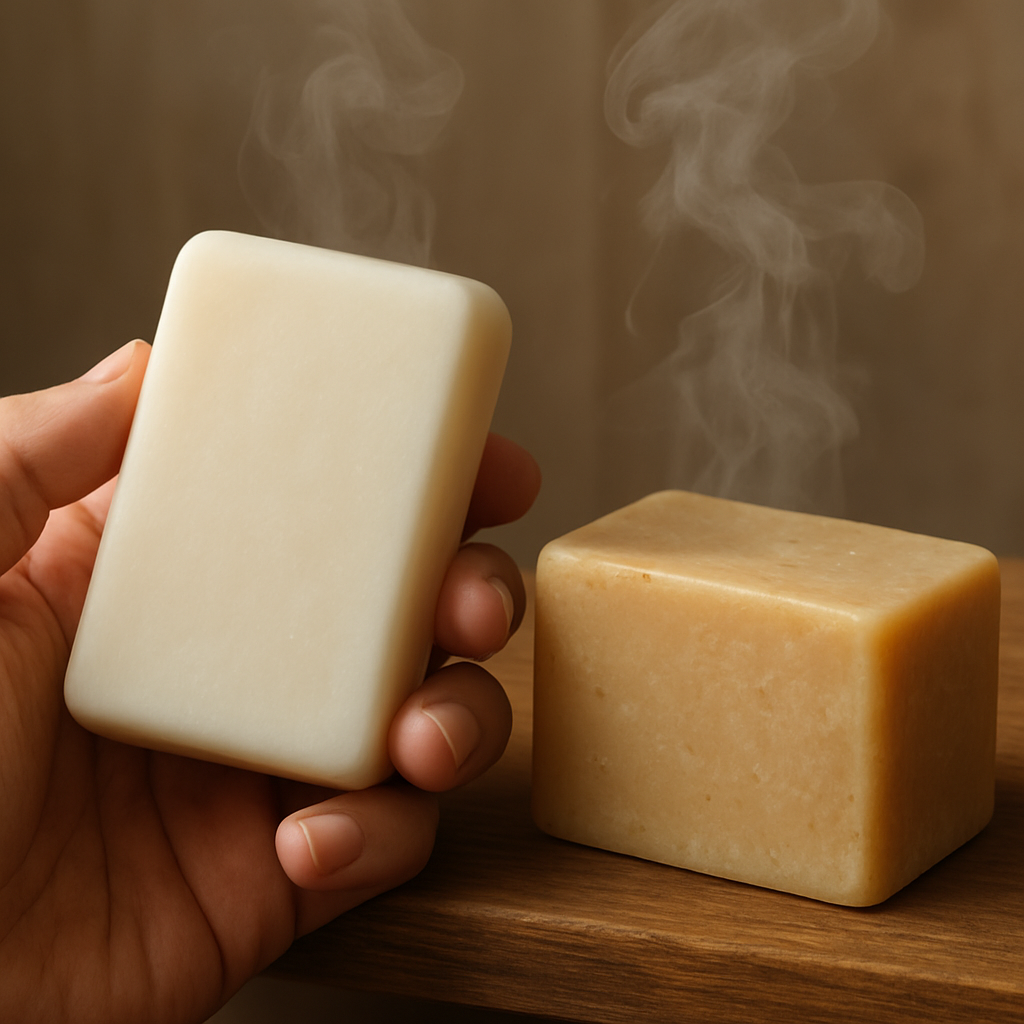
When you start to break down goat milk soap vs shea butter soap ingredient by ingredient, the differences become clearer.
Goat milk brings a gentle, milky base packed with natural lactic acid, vitamins A, D and B‑complex, plus a blend of saturated and unsaturated fats. Those acids act like a soft‑touch AHA, nudging dead cells off without stripping the skin.
Shea butter, on the other hand, is a dense, buttery fat loaded with vitamins A, E and F and a high concentration of oleic, stearic and linoleic acids. It’s essentially a moisture‑locking cream that can also calm inflammation.
Both ingredients deliver serious hydration, but there’s a nuance: shea butter can double as an off‑the‑shelf moisturizer, while goat milk needs the soap matrix to release its moisture‑boosting powers.
One of the biggest practical differences is pH. Goat milk soap’s natural lactic acid helps bring the final bar’s pH down to a range that mirrors our skin’s own acidity, meaning less dryness after rinsing. goat milk soap’s natural lactic acid and skin‑friendly pH keep the barrier happy, whereas shea butter soap tends to sit a bit higher on the alkaline scale.
If you love a subtle exfoliation boost, goat milk wins thanks to that same lactic acid. It brightens the complexion over time without the sting you might get from stronger acids.
When it comes to who benefits most, think of goat milk for sensitive, acne‑prone or post‑shave skin that craves a calm, balanced clean. Shea butter shines for dry, mature or eczema‑prone skin that needs a thick layer of protection.
Both bars are versatile: they work as a body wash, a gentle shampoo, even a dog‑friendly cleanser. Shea butter adds the extra perk of being usable as a stand‑alone body butter after a shower.
Price‑wise they sit in the same ballpark for DIY makers, and both are widely available – fresh goat milk or powder, and shea butter in blocks or melt‑ready chips. The real decision isn’t cost, it’s the feel you prefer on your skin.
We often see customers blending the two in a single bar to get the best of both worlds – the pH‑balancing, mild exfoliation of goat milk paired with the deep‑seal of shea butter. It’s a simple way to customize a soap that works year‑round.
| Ingredient | Key Benefits | Ideal For |
|---|---|---|
| Goat Milk | Skin‑friendly pH, natural lactic acid exfoliation, light hydration | Sensitive, acne‑prone, post‑shave skin |
| Shea Butter | Rich fatty acids, deep moisture lock, anti‑inflammatory | Dry, mature, eczema‑prone skin |
| Combined | Balanced pH + deep seal, mild exfoliation + lasting softness | Anyone who wants year‑round versatility |
So, what’s the take‑away? If you’re after a gentle, slightly exfoliating cleanse, lean toward goat milk. If you need an extra barrier against harsh weather, shea butter is your friend. And if you can’t decide, try a hybrid bar or rotate the two depending on the season – your skin will thank you.
Price and Sustainability Overview
When you start weighing goat milk soap vs shea butter soap, the conversation usually drifts to price tags and the planet. It’s a classic “do I get what I pay for?” moment, right after you’ve already felt the texture in your hand.
What’s the price reality?
At the wholesale level, fresh goat milk and bulk shea butter sit in a similar cost range. For a DIY enthusiast buying a gallon of milk or a kilo of shea butter chips, you’re looking at roughly $8‑$12 per pound, give or take depending on season and source.
When we turn those raw materials into a finished bar, labor, packaging, and the little extra ingredients (like essential oils or honey) add the final dollars. In our shop, a 4‑oz bar of pure goat milk soap typically lands around $9, while a comparable shea‑butter‑rich bar hovers near $10. The difference isn’t dramatic – it’s more about the experience you value.
So, does a higher price guarantee better results? Not necessarily. Both ingredients deliver solid skin benefits; the choice often comes down to what your skin craves and how you plan to use the soap.
Sourcing sustainably – why it matters
Goat milk can be a sustainability win if it comes from small‑scale farms that practice rotational grazing. Those farms tend to recycle manure as fertilizer, which closes the nutrient loop. The milk itself is a by‑product of dairy production, meaning you’re using something that would otherwise be waste.
Shea butter, on the other hand, is harvested from the nuts of the African shea tree. When the nuts are collected by local cooperatives, the practice supports rural economies and encourages the preservation of wild‑growing trees. Certified “fair‑trade” or “organic” shea often carries a lower carbon footprint because the trees are not cut down for timber – they stay rooted, sequestering carbon for decades.
Both supply chains have their own challenges. Goat farms can be water‑intensive, especially in arid regions, while shea harvesting can involve long‑distance transport from West Africa to the U.S. The key is to look for transparency: traceable farms, third‑party certifications, or a story that shows the ingredient’s journey.
Packaging and waste considerations
We’ve noticed that soap lovers often overlook the wrapper. A lot of artisanal bars still arrive in single‑use plastic or glossy paper that can’t be recycled easily. If sustainability is a priority, ask the maker about biodegradable or reusable options – think kraft paper tied with twine, or a tin you can repurpose.
Because goat milk soap tends to be softer, some brands add a thin protective liner to keep the bar from melting in the shower. Shea butter bars, being denser, usually survive a bit longer without extra packaging. That small difference can add up if you buy a dozen bars a month.
Cost‑per‑use breakdown
Let’s get practical. A 4‑oz bar of goat milk soap lasts about 3‑4 weeks for one person with daily showers, while a shea‑butter bar can stretch a week longer thanks to its richer lather. If you calculate cost‑per‑wash, the two often converge around $0.20 per use.
But there’s a hidden factor: the “skin‑care multiplier.” If a goat milk bar helps calm acne, you might skip a separate toner. If a shea‑butter bar locks moisture so well you need less body lotion, that’s another savings. In that sense, the higher upfront price can pay off in fewer supporting products.
Making a greener choice
Here’s a quick checklist you can run while you’re at the market or browsing online:
- Check for “local farm” or “fair‑trade” labels on the ingredient list.
- Prefer minimal, recyclable packaging – kraft paper, reusable tins, or bulk‑buy options.
- Ask about the source: Do they work with smallholder farmers? Do they support reforestation?
- Consider the bar’s longevity – a longer‑lasting bar reduces waste overall.
By matching your budget with these sustainability cues, you end up with a soap that feels good on your skin and light on the planet. Whether you lean toward the milky softness of goat milk or the buttery hug of shea, the right choice is the one that fits both your wallet and your values.
Performance: Lather, Scent, and Feel
When you step into the shower, the first thing you notice isn’t the price tag – it’s how the soap behaves in your hand. Does it melt into a cloud of foam or cling like a buttery ribbon? That’s the performance side of goat milk soap vs shea butter soap, and it’s where the rubber meets the…well, the skin.
What the lather feels like
Goat milk soap tends to produce a light, airy lather that feels almost silky. Because the milk proteins lower the bar’s pH, the bubbles break apart quickly, giving you a gentle cleanse that rinses clean without a film. We’ve watched customers describe it as “a soft, milky cushion” that disappears the moment you rinse.
Shea butter soap, on the other hand, creates a richer, creamier foam. The high concentration of fatty acids means the bar holds onto moisture longer, so the lather is denser and clings to the skin a bit more. Think of it as a buttery hug that stays with you for a few extra seconds before you wipe it away.
So, which is better for you? If you love a quick rinse and a “barely there” feel, goat milk’s light lather is a win. If you enjoy a more indulgent, lingering foam that doubles as a light moisturizer, the shea butter bar takes the cake.
Scent profile – subtle or statement?
Goat milk soap usually carries a faint, naturally sweet aroma that hints at dairy without being overpowering. The scent often comes from the milk itself plus any added essential oils, like lavender or citrus. It’s the kind of background music you barely notice but instantly miss when it’s gone.
Shea butter leans toward a warm, earthy scent. The butter has a nutty undertone that pairs beautifully with vanilla, sandalwood, or spice blends. Because the base is richer, the fragrance tends to linger on the skin a bit longer, giving you that “just stepped out of a spa” vibe.
If you’re sensitive to strong smells, goat milk’s subtlety is a safe bet. If you want a scent that sticks around and adds a little mood‑boosting aromatherapy, the shea butter option is the one to reach for.
Texture on the skin
After you rinse, the feel of the soap on your skin tells the story. Goat milk leaves a soft, almost velvety finish that feels like you’ve just given your skin a light moisturizer. It’s great for people who get that tight, squeaky‑clean sensation after a regular bar.
Shea butter, by contrast, leaves a slightly thicker, more cushioned film. That film isn’t greasy; it’s a protective layer that keeps water from evaporating too quickly. If you’ve ever struggled with winter dryness, that extra barrier can be a game‑changer.
Here’s a quick mental test: after your next shower, run your fingertips over your forearm. Does it feel like a whisper (goat milk) or a gentle blanket (shea butter)? That tiny sensation can guide you toward the bar that matches your current skin mood.
Performance tips you can try tonight
- Grab a tiny slice of each bar and lather them on opposite arms. Notice the foam volume, how long it lasts, and the post‑wash softness.
- If you’re prone to breakouts, start with the goat milk side for a week, then flip to shea butter and see if your skin’s oil balance shifts.
- For extra hydration, massage the shea butter foam into elbows and knees for an extra 30 seconds before rinsing.
- Store both bars on a slatted soap dish so they dry evenly – this preserves the lather quality for longer.
Bottom line? The performance of goat milk soap vs shea butter soap isn’t a win‑lose battle; it’s a matter of matching the lather, scent, and feel to your personal routine and the season you’re in. Light, milky foam for a quick, refreshing cleanse? Go goat milk. Rich, buttery foam that doubles as a mini‑moisturizer? Shea butter’s your go‑to. And because we love giving you options, many of our customers rotate the two – a little milky morning lift, a buttery evening wind‑down. Give it a try, and let your skin tell you which performance feels right.
DIY and Customization Options
Ever wondered if you could tweak a soap so it feels like it was poured just for you? That’s the magic of DIY when you’re weighing goat milk soap vs shea butter soap. You get control over scent, texture, and even the extra skin‑boosting goodies you throw in.
Start with a solid base
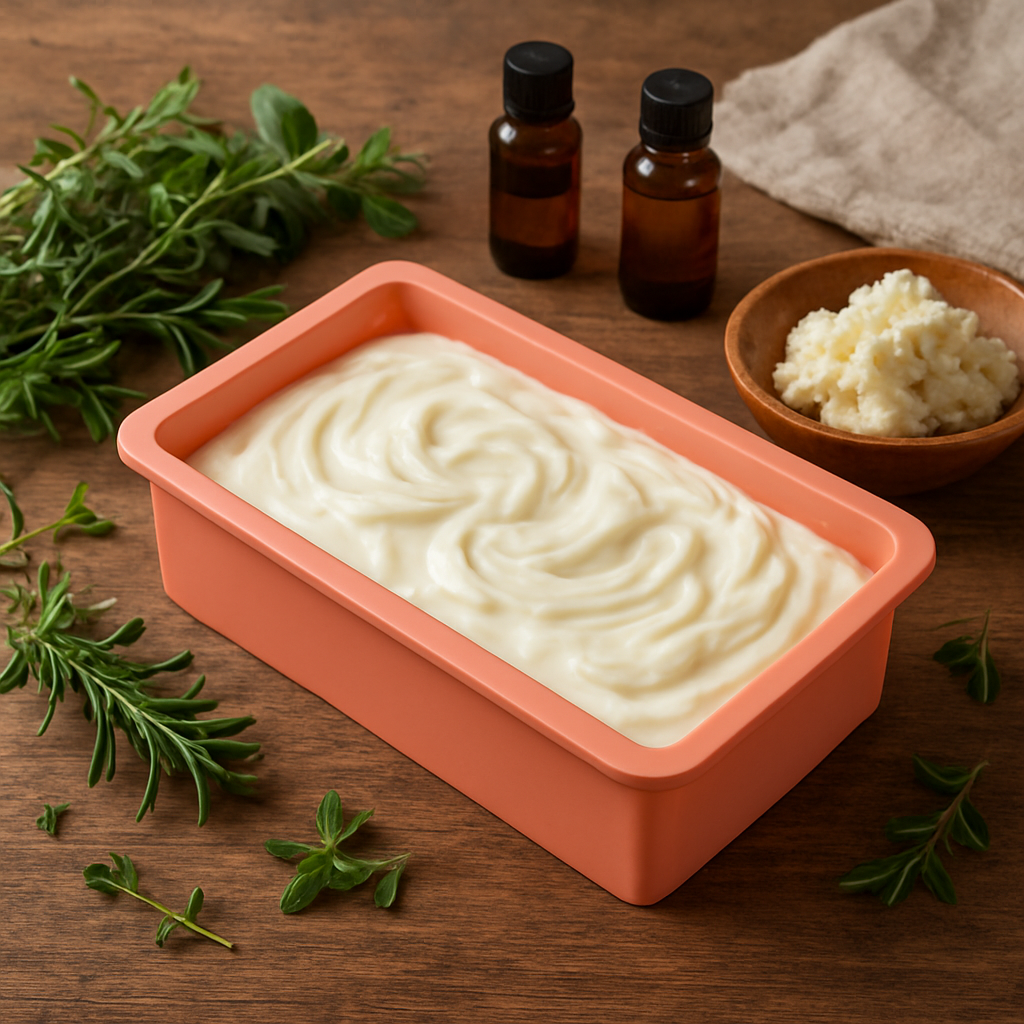
If you’ve never mixed lye before, don’t panic. The cold‑process method is the most beginner‑friendly and gives you a buttery bar that holds its shape. A simple recipe from Homestead Living walks you through using fresh goat milk, olive oil for hardness, and a splash of coconut for lather. The author even notes that the milk’s natural pH keeps the final bar skin‑friendly – perfect for sensitive folks.
Shea butter slides right in alongside the goat milk. Because it’s a solid at room temperature, melt it gently with your oils before you blend in the lye solution. A 5‑10% inclusion gives you that creamy, “buttery hug” feel without turning the bar greasy.
Play with scent without overpowering
One of the biggest joys of DIY is choosing essential oils that match your mood. Want a calming bedtime routine? A few drops of lavender or chamomile work beautifully with the milky base. Need an energizing morning boost? Citrus blends – think orange and bergamot – cut through the richness of shea butter and leave a fresh trail.
Remember: less is more. Too much oil can irritate the skin, and the soap might separate during curing. Aim for 1‑2% of the total weight and let the scent settle for a day before you pour.
Customize texture for different skin needs
Fine‑grind oatmeal, dried rose petals, or even a sprinkle of coffee grounds into the batter right before you pour. Oatmeal adds gentle exfoliation – a win for those with eczema‑prone skin. Coffee gives a subtle scrub that feels great on elbows and knees, especially when paired with shea butter’s deep moisturization.
If you’re after a silky, slip‑less bar for the face, skip the exfoliants and finish the mix with a teaspoon of jojoba oil. It blends into the soap matrix and leaves a faint, non‑greasy sheen.
DIY checklist – keep it simple
- Gather ingredients: fresh goat milk, shea butter, olive oil, coconut oil, lye, distilled water, optional essential oils and add‑ins.
- Wear gloves and goggles – lye burns are no joke.
- Heat oils and butter together, then let cool to ~110°F before adding the milk‑lye solution.
- Blend with an immersion stick until “trace” (the batter thickens enough to leave a line on the surface).
- Stir in scent and texture extras, then pour into silicone molds.
- Cure in a dry, ventilated area for 4‑6 weeks; flip bars halfway.
Does the idea of a six‑week wait feel daunting? Think of it as a mini‑project you can check on each weekend. The anticipation builds excitement for that first shower with your custom bar.
Mix‑and‑match for seasonal swaps
Because goat milk soap vs shea butter soap isn’t a permanent allegiance, many DIYers create two separate batches – one light and bright for spring, another rich and nourishing for winter. Store the lighter bar in a glass jar with a loose‑fit lid to keep it from absorbing bathroom humidity. Keep the richer bar wrapped in parchment to preserve its buttery scent.
Want a one‑bar hybrid? Try a 70/30 split: 70% goat milk base, 30% shea butter. You’ll get the pH‑balancing, gentle exfoliation of goat milk plus the deep seal of shea. It’s a handy “all‑season” solution that works for most skin types.
So, what’s the next step? Grab a small saucepan, pour a cup of fresh goat milk, melt a knob of shea butter, and watch the transformation. You’ll end up with a bar that not only cleanses but tells a story you wrote yourself.
Ready to get your hands dirty? The satisfaction of squeezing a bar you handcrafted onto your skin beats any store‑bought label.
Consumer Reviews and Real‑World Results
What people are actually saying
When we asked a handful of our regulars to compare the two bars, the feedback was delightfully messy – exactly how a real conversation sounds. One longtime fan said the goat‑milk bar felt “like a gentle splash of morning milk on my skin, no tightness, just a soft glow.” Another, who swears by our seasonal shea‑infused bar, described it as “a buttery hug that stays on my elbows long after I step out of the shower.”
And you know that moment when you’re not sure which soap to reach for? Most of our customers end up doing a quick “left‑arm‑right‑arm” test. They lather a slice of goat milk soap on one forearm, the shea butter bar on the other, then check after a night’s sleep. The majority report that the goat‑milk side feels lighter, while the shea‑butter side feels more cushioned – exactly the trade‑off we’ve been talking about.
Real‑world numbers from the kitchen
Our own batch logs show that a 4‑oz goat milk bar lasts roughly three to four weeks for a single daily shower, whereas a comparable shea‑butter‑rich bar stretches a week longer because the richer lather clings to the skin and you need slightly less per wash. That translates to about $0.20 per use for each bar, give or take a few pennies depending on your water temperature.
But it’s not just about cost. A recent DIY post on how to make goat’s milk soap from grocery‑store items shared a reader’s 30‑day journal. She noted that her sensitive, post‑shave chin felt less red after two weeks with the goat‑milk bar, while her elbows stayed smoother after a week with the shea‑butter bar. She summed it up: “I’m keeping both – goat milk for my face, shea butter for my body.”
Why reviews matter (and how to read them)
Online reviews can feel like a sea of hype, but look for patterns. If three or four reviewers mention “no post‑shave irritation” or “lasting moisture on rough skin,” that’s a clue the ingredient is delivering what it promises. On the shea side, phrases like “rich scent lingers” and “helps my dry winter skin” repeatedly appear, echoing the ingredient’s known fatty‑acid profile.
We also hear the occasional “I love the scent, but the bar melts fast.” That’s a packaging cue – many shea‑butter bars benefit from a protective liner because the butter softens at lower temperatures. Our own experience with a similar product, the shea‑butter body polish, highlighted how a sturdy tin can keep the bar solid in a steamy bathroom.
Putting the feedback into practice
Here’s a quick, actionable checklist you can copy into your shower routine:
- Pick one bar for face‑only use (goat milk is great for sensitive or acne‑prone skin).
- Reserve the shea‑butter bar for body parts that crave extra protection – elbows, knees, feet.
- Store the goat‑milk bar in a slatted dish with a loose‑fit lid to avoid excess humidity.
- Wrap the shea‑butter bar in parchment or a reusable tin to preserve its buttery texture.
- After each wash, pat skin dry and apply a light oil or cream within three minutes to lock in the benefits.
Does this sound like a lot? Not really. It’s just a few tiny habits that let you harvest the best of both worlds. And if you’re feeling experimental, try a 70/30 hybrid bar for a week – many of our customers report that the mix gives “the gentle clean of goat milk with the lasting softness of shea.”
Bottom line from the community
The consensus? Goat milk soap shines when you need a light, pH‑balanced cleanse that won’t tug at delicate skin. Shea butter soap shines when you need a barrier against dry air, winter wind, or rough patches. Real‑world users are swapping between them based on season, skin‑type, or even mood. The beauty of handcrafted soap is that you don’t have to pick a permanent side – you can let the day decide.
So, what’s your next move? Grab a slice of each, run a simple arm test, and let the results guide your shelf. Your skin will thank you, and you’ll finally have the evidence to back up that “I love both” feeling.
FAQ
What’s the main difference between goat milk soap and shea butter soap for sensitive skin?
Goat milk soap brings natural lactic acid and a skin‑friendly pH that gently exfoliates without stripping, which makes it a soft‑touch cleanser for easily irritated skin. Shea butter soap, on the other hand, is richer in fatty acids that form a protective barrier, so it’s superb at sealing in moisture but can feel a bit heavy if your skin is already inflamed. In practice, many of our customers start with goat milk in the morning for a light clean, then reach for shea butter in the evening when their skin needs extra soothing.
Can I use goat milk soap and shea butter soap together, or should I alternate them?
Yes, you can blend them or rotate them, and we actually see a lot of folks doing a simple “morning‑goat, night‑shea” routine. If you want a single bar, a 70/30 mix (70 % goat milk base, 30 % shea butter) gives the gentle exfoliation of milk with the deep seal of butter. When you alternate, keep an eye on how your skin feels after each wash; if one bar leaves a lingering tightness, give the other a few days to rebalance.
How does the lather of goat milk soap compare to shea butter soap, and does it affect cleansing?
Goat milk creates a light, airy foam that rinses away quickly, so you get a “barely‑there” cleanse that’s perfect for a quick shower or for oily areas like the back. Shea butter produces a creamier, richer lather that clings a bit longer, acting like a mild moisturizer as you scrub. Neither bar strips; the difference is mainly how much slip you enjoy. If you love a foamy, spa‑like experience, go shea; if you prefer a brisk, no‑film finish, goat milk is your buddy.
Which soap is better for dry or mature skin during winter?
During cold months, the extra fatty acids in shea butter shine. The butter forms a semi‑occlusive layer that slows water loss, keeping elbows, knees, and hands from cracking. Goat milk still cleans well, but its lighter texture can leave a drier feel if you don’t follow up with a post‑shower oil. Many of our winter‑time shoppers swap to a shea‑heavy bar for the shower and finish with a light facial goat milk bar to keep the face from feeling heavy.
Do either of these soaps cause breakouts or acne?
Goat milk’s mild AHA action can actually help keep pores clear, which is why we hear from acne‑prone users that the milk bar reduces post‑shave redness. Shea butter is non‑comedogenic for most people, but if you have very oily skin, the richer texture might feel a bit occlusive and trap excess oil. A good rule of thumb: start with a small patch test on the jawline; if you notice increased shine after a few days, back off the shea butter on that area.
How long should a bar of goat milk soap or shea butter soap last, and how can I make it last longer?
In our experience, a 4‑oz goat milk bar lasts about three to four weeks for daily showers, while a similarly sized shea butter bar can stretch to five weeks because the richer lather means you use a bit less per wash. To extend life, store both bars on a slatted dish so they dry evenly, keep the goat milk bar away from excess humidity, and wrap the shea butter bar in parchment or a reusable tin when you’re not using it.
Are there any scent considerations for people with fragrance sensitivities?
Goat milk soap usually has a subtle, naturally sweet aroma that comes mostly from the milk itself and any light essential oils you add – it’s a safe bet for sensitive noses. Shea butter often carries a warm, nutty scent that can linger longer, especially when paired with vanilla or spice blends. If you’re prone to fragrance reactions, look for an unscented or “pure” version of either bar, or add just a drop of a skin‑safe essential oil like lavender after you’ve cured the soap.
Conclusion
After walking through the goat milk soap vs shea butter soap debate, you’ve probably felt that familiar tug‑of‑war between light freshness and deep moisture. If your skin loves a gentle, pH‑balanced cleanse that won’t leave a film, goat milk is the quiet hero. If you’re battling winter dryness or need that buttery barrier after a long day, shea butter steps in like a cozy blanket.
What we’ve seen in our shop is that most folks end up rotating the two. A morning wash with goat milk keeps the face bright and calm, while an evening shower with shea butter lets elbows, knees, and hands stay soft. That simple switch lets you reap the best of both worlds without committing to one “forever” bar.
So, what’s the next move? Grab a sample of each, run the quick arm test we mentioned, and note how your skin reacts over a week. Keep a slatted dish nearby, wrap the shea butter bar when it’s not in use, and give the goat milk bar a little extra breathing room.
Remember, the perfect soap isn’t a one‑size‑fits‑all product — it’s the routine you build around it. Swing by our Etowah Mills booth this Saturday or the Hanukkah Bazaar on Sunday, and we’ll help you fine‑tune that routine with a fresh bar made just for you.
0 comments