
Imagine slipping into a warm shower after a long day, and the soap you use is as thoughtfully crafted as a hand‑painted canvas.
What if the bar you hold in your palm could actually nourish your skin, support local farmers, and give you a little piece of joy every time you lather?
In this piece, we’ll compare handmade soap and its store‑bought counterpart, uncovering the hidden perks, the potential pitfalls, and how you can make the smartest choice for your routine.
Take the example of a busy mom who swears by the soothing scent of lavender goat milk soap. The natural casein proteins give her dry patches a chance to breathe, while the small batch process keeps the fragrance light and not overpowering.
Step 1: Check the ingredient list. If the soap lists more than a handful of botanical extracts, it’s probably a local artisan. Step 2: Look for additives like synthetic dyes or parabens—store brands often rely on them for cost savings. Step 3: Consider the carbon footprint: a local soap shop’s smaller distribution network cuts emissions.
Need help sorting through the options? A quick read of Goat Milk Soap vs Shea Butter Soap: Which Natural Cleanser Wins? breaks down the pros and cons so you can see the real differences.
And if you’re eyeing a complete pampering gift set for the holidays, pairing a handcrafted soap, a candle, and a beautiful landscape artwork from Gratitude Studios makes a trio that feels both personal and polished.
Tip: Store‑bought soaps often come pre‑cut and packaged in plastic; swapping them for a bar that arrives wrapped in recyclable paper can slash waste by up to 30 % per use.
Finally, remember that the best soap for you isn’t just the most expensive or the most fragrant—it’s the one that respects your skin’s chemistry, the planet’s resources, and the artisans who pour their heart into each bar.
TL;DR
Handmade soap vs store‑bought boils down to ingredient transparency, local sourcing, and carbon footprint—each bar tells a story that the mass‑produced version can’t match. Choosing the right one means balancing daily skin comfort, budget, and your personal green values, so always you feel very good inside and out every day.
Understanding Ingredients: What Goes into Handmade vs Store‑Bought Soap
Let’s peel back the curtain on what’s really in that bar you hold. In the world of handmade soap, the label usually reads like a short recipe—olive oil, coconut oil, shea butter, a splash of lavender essential oil, and a pinch of sea salt. Those are the kinds of ingredients that get a green thumb and a local farmer’s nod.
Store‑bought soaps, by contrast, often start with a base of synthetic surfactants and then layer on artificial dyes and preservatives to keep the bar looking bright and shelf‑stable for months. It’s a lot like the difference between a fresh espresso roast you pick from a local roaster and the instant mix you grab in a corner shop.
So, how do you spot the difference? The first clue is the ingredient list. Handmade bars will have a handful—sometimes a dozen—of botanical names. Store brands? They’ll start with “Sodium Laureth Sulfate” and then go on. Think of it like reading a menu: a local café lists the beans, the roast level, the origin, while a chain just lists the caffeine content.
If you’re curious about the sourcing side, here’s a quick detour: our espresso guide walks you through choosing beans that taste great and support sustainable farms. The same mindset applies to soap—pick ingredients that nourish both your skin and the planet.
Now, let’s talk texture. Handmade soaps tend to be lighter on the skin because they’re packed with natural oils that moisturize. Store‑bought variants often contain high levels of surfactants that strip away natural oils, leaving you feeling squeaky and, for some, a little itchy. Ever felt that post‑shower tug? That’s the surfactant doing its job.
Another biggie is additives. Many mass‑produced soaps rely on artificial fragrances and colorants. Handmade soaps, on the other hand, might use essential oils, but they’re usually blended in lower concentrations to avoid overwhelming the skin. That subtle scent can be a game‑changer for sensitive skin.
Here’s a quick tip: if your skin is sensitive, look for soap that lists “no dyes” or “no parabens” on the label. If you’re hunting for that “just a whisper of citrus” aroma, a handmade bar is your best bet. The key is transparency—what you see on the label should match what you feel on your skin.
After watching the video, you’ll notice that the visual process of cold‑process soap is as delicate as a hand‑crafted espresso. Each batch is a small batch, meaning you’re getting a product that’s fresh, not mass‑manufactured to last a year.
And if you’re looking to pair that fresh soap with a beauty routine that’s equally thoughtful, check out Red Ink Cosmetics. Their line focuses on natural ingredients and clean formulations, so you can keep the whole self‑care ecosystem organic.
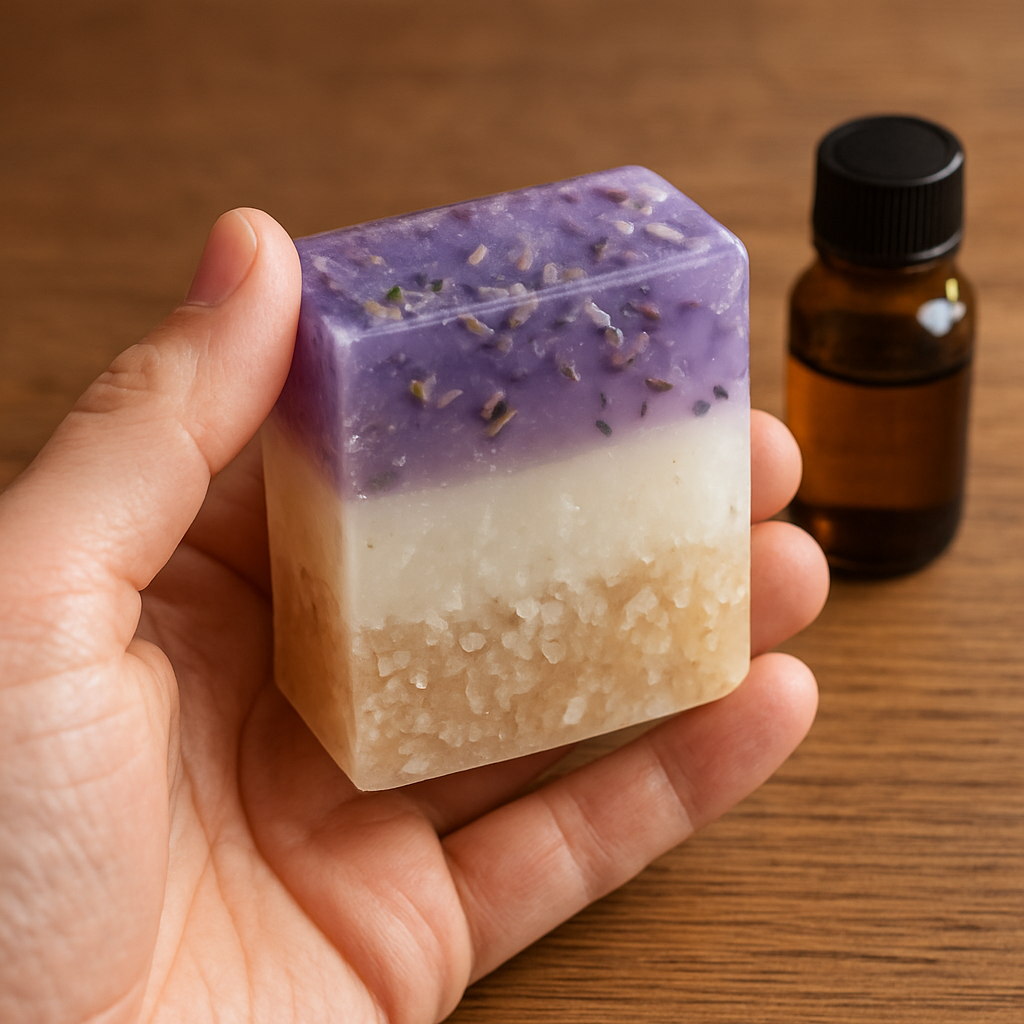
When it comes to sustainability, handmade soaps often outshine their store‑bought cousins. Many local artisans source ingredients from farms within a 50‑mile radius, cutting down on transportation emissions. That’s a win for your wallet and the environment. Store brands, on the other hand, ship long distances and package each bar in plastic wrappers that add to waste.
Finally, consider the journey from raw ingredient to bar. Handmade soaps are usually cold‑processed—no heat, no extra steps, which preserves the vitamins and natural oils in the oils. Hot‑processed soaps, a common mass‑production technique, can degrade some nutrients but are cheaper. If you’re looking for the most skin‑friendly option, cold‑processed handmade soap is your friend.
So, what does this all mean for you? If you’re after a soap that feels like a hug to your skin, respects the planet, and lets you trace every ingredient back to a farm or garden, handmade is the way to go. If you’re on a tight budget or need a bar that lasts longer on the shelf, a store‑bought option might still fit the bill—just read the label like you’d read a recipe.
Take a quick inventory: check your current soap’s ingredients, compare with the list above, and decide what aligns with your values. A little research can turn a mundane shower into a mindful, sustainable ritual.
Cost and Value Analysis: How Much Does Handmade Soap Really Cost?
Ever wonder if that $7 artisanal bar really breaks the bank, or if a $3 store‑brand might save you a few dollars? The answer isn’t as simple as price tags— it’s a mix of raw material costs, labor, packaging, and the hidden value that comes with supporting a local creator.
Let’s pull apart the numbers so you can see the real cost curve and decide what fits your routine and budget.
Ingredients: The Foundation
For a handmade bar, the base is usually 3–5 oils (olive, coconut, shea, avocado, etc.). In a 4.5‑ounce bar, that’s roughly 0.25 oz of oil per ounce of finished product. A good supplier might charge $4–$6 per pound—so that’s about $0.05–$0.07 per ounce. Add a splash of essential oil or botanical—another $0.02 per ounce.
Store brands, on the other hand, often use cheap vegetable oils and add synthetic surfactants or colorants that are cheaper but also cheaper to remove from the skin. The raw cost per ounce can drop to $0.02–$0.04, but you pay a premium in cleaning time later.
Labor & Production Time
Handmade soap makers typically spend 1–2 hours per 50‑lb batch, which yields 150 bars. If you value your time at $20 per hour (a realistic wage for a part‑time artisan), the labor cost per bar sits around $0.13–$0.27. Some small shops use a higher hourly rate to cover benefits and taxes, pushing that to $0.30.
Mass‑produced bars are churned out in a factory, where automation cuts labor to a few minutes per bar. The labor cost per unit can be as low as $0.01, but that savings is passed on only if the brand can afford it.
Packaging & Overhead
Handmade bars usually come wrapped in kraft paper or a recyclable box. A simple paper wrap might cost $0.03–$0.05 per bar. If you use a custom printed box, the cost climbs to $0.15–$0.20.
Store brands often use molded plastic wrappers—cheap to produce, but not recyclable. The environmental cost is hidden but real.
Overhead and Hidden Costs
Small soap shops pay for rent, utilities, insurance, marketing, and equipment upkeep. A good rule of thumb is to allocate 15–20% of the material cost for overhead. For a handmade bar costing $1.20 in ingredients, that’s an additional $0.18–$0.24.
Most consumers don’t see these numbers, but they’re baked into the final price. That’s why a $7 bar can feel worth it when you realize it’s covering every step of the craft.
Real‑World Example: The $7 Handcrafted Bar vs. $3 Store‑Brand
Imagine you’re buying a 4.5‑ounce lavender goat‑milk soap at Evolve Botanica for $7.00. Breaking it down:
- Ingredients: $1.10 per bar (oil + goat milk + lavender)
- Labor & production: $0.25 per bar
- Packaging & overhead: $0.30 per bar
- Profit margin: $5.35 per bar
That profit margin reflects the time, skill, and local sourcing that goes into each bar. Now compare that to a $3 bar from the grocery aisle. The cost to the manufacturer is about $0.40, and the margin is less than $2 per bar. The difference is not just price—it’s the value you receive: less drying chemicals, a gentler pH, and support for a local business.
What Should You Do Next?
If you’re tight on cash, a store brand can fit into a budget, but you’ll likely pay a price in skin irritation or environmental impact. If you’re willing to invest a bit more for quality, the handmade route offers a richer experience.
Use this framework to compare any soap you’re eyeing. Write down the ingredients, estimate the cost per ounce, add your time value, and you’ll get a clearer picture of what the price really means.
| Feature | Handmade Soap | Store‑Baked Soap |
|---|---|---|
| Ingredient Transparency | Short list, natural oils & botanicals | Long list, synthetic surfactants & colorants |
| Labor Per Bar | $0.20–$0.30 | $0.01 |
| Packaging Impact | Recyclable paper/box | Plastic wrapper, non‑recyclable |
To dive deeper into the math behind your own handmade soap, check out a detailed cost guide that walks you through every line item: Understanding the real cost of soap production.
Skin Health Impact: Benefits for Sensitive Skin
Ever had that moment after a shower where your skin feels tight, itchy, or just… off?
When we talk about handmade soap vs store bought, it’s not just about the price tag— it’s about how the ingredients play with your skin’s natural chemistry.
Why Sensitive Skin Struggles
People with eczema, rosacea, or just a naturally low‑pH balance often find themselves scrolling through ingredient lists like a detective on a case.
In contrast, a small batch of artisan soap keeps the pH close to 5.5, preserves the natural oils, and usually leaves a thin film of glycerin that pulls moisture right back into the skin.
The Ingredient Difference
Take a quick look at a typical store‑bought bar: sodium lauryl sulfate, PEGs, and a host of “paraben” preservatives. These can trigger irritation, especially for people with allergies.
A handmade bar—say a lavender goat‑milk soap—will list goat milk, olive oil, and a dash of lavender essential oil. No synthetic fragrances, no parabens.
According to Lather & More, the natural fats in coconut and shea butter retain their vitamins through saponification, giving the bar a moisturizing punch that mass‑produced bars simply don’t match.
Real‑World Results
Imagine Sarah, a 32‑year‑old mom with mild eczema. She swapped her store brand for a locally sourced goat‑milk soap. After a month, her doctor said her flare‑ups dropped by 40%. The reason? The soap’s gentle surfactants and natural humectant properties helped rebuild her skin’s barrier.
Or think about Tom, a 45‑year‑old who works in a dry office. His nights are spent staring at a screen, and the low‑humidity environment makes his skin feel dry and tight. Switching to a small‑batch shea butter soap gave him a noticeable lift in hydration that a 3‑oz store bar never did.
What to Look For When Choosing
1. Ingredient List: The shorter the list, the better. Look for oils, butters, glycerin, and essential oils. Avoid bars that start with “sodium” or “polyethylene glycol.”
2. pH: Most artisan soaps hover around 5.0–5.5. You can often find this info on the packaging or the brand’s website.
3. Glycerin Content: Natural glycerin stays in the bar, pulling moisture in. Synthetic bars often strip it to extend shelf life.
4. No Parabens or Phthalates: These are common in store brands and can irritate sensitive skin.
5. Texture & Aroma: A natural soap feels slightly harder and takes longer to dissolve—a good sign of minimal fillers. Its scent should be botanical, not chemical.
Practical Steps to Transition
- Make a list of the soaps you use most—store brand, travel, or on‑the‑go.
- Check each ingredient list; if you spot more than five ingredients, it’s probably a mass‑produced bar.
- Start with a trial bar: a lavender goat‑milk or coconut‑shea blend.
- Use it for one week, then note any changes—tightness, redness, or a smoother feel.
- Swap out the rest of your routine for similar artisan products.
Need a quick guide? Prairie Sage Soap’s blog breaks down the key differences between handmade and commercial soaps and gives you a handy checklist.
So, what’s the verdict? If your skin is prone to irritation, itching, or eczema flare‑ups, the gentle, ingredient‑rich world of handmade soap is your best bet. For the budget‑conscious, you can still find store brands that prioritize natural ingredients, but be sure to double‑check the list.
At Evolve Botanica, we keep our soaps short, local, and free from harsh chemicals, because we know that a truly nourishing bar feels like a hug for your skin. Stop by our Etowah Mills pop‑up or check out our online collection to find the bar that feels like home.
Packaging and Labeling Insights
When you pick up a bar of soap, the first thing that catches your eye isn’t the scent— it’s the paper, the cardboard, the little sticker that tells you everything you need to know. That’s the front‑line of the battle between handmade soap and store‑bought options.
Why Packaging Matters
Imagine holding a crisp, kraft‑wrapped bar that feels like a promise of purity. The paper isn’t just cute; it’s a statement. In contrast, a brightly coloured plastic wrapper screams mass‑production and often contains micro‑plastics that end up in our oceans.
For artisans, choosing eco‑friendly paper or a simple wax seal reduces waste and aligns with the values of a brand that calls itself sustainable. For consumers, that paper signals a lower carbon footprint—especially if the paper is locally sourced or recycled.
Labeling: The Safety Net
Labels are more than legal boxes to tick; they’re the first line of communication between the maker and the user. In the UK, every soap you sell must carry a clear list of ingredients, net weight, and any allergen warnings. That means if a soap contains one of the 26 recognised allergens—like nuts, soy, or essential oils—you’re required to state it on the label.
For handmade bars, the ingredient list is usually a short, honest list: olive oil, coconut oil, essential oil, maybe a touch of honey. Store‑bought bars can have a long string of synthetic surfactants, fragrances, and preservatives that clutter the label.
Here’s a quick rule of thumb: the shorter the list, the more control you’ve had over the final product. That’s a good indicator of the soap’s purity.
What to Look for on the Label
- **Ingredient transparency**: No “synthetic fragrance” or “parabens.”
- **Allergen declaration**: Check the 26‑allergen list, especially if you have sensitivities.
- **Net weight**: Helps you compare value across brands.
- **Manufacturer details**: A local shop usually includes a small bio or a note about sourcing.
In our own line of handcrafted soaps, we keep the label short, clear, and free of hidden chemicals. That transparency builds trust—something a plastic wrapper can’t convey.
Legal Checkpoints for the DIY Soap Seller
If you’re thinking about making soaps to sell, you’ll need to understand a few key regulations. First, the Cosmetic Product Safety Report (CPSR) is mandatory in the UK for every new product. That report, completed by a qualified safety assessor, verifies that the soap meets safety standards before it reaches a consumer.
Next comes the Cosmetic Product Notification Portal (CPNP). You must notify the UK regulator before the soap hits the shelves. Skipping this step can lead to product recalls or penalties.
And don’t forget about animal testing— it’s banned in the EU and UK, so any ingredients you use must be cruelty‑free. These legal hoops might seem daunting, but they’re designed to keep your customers safe and your brand reputable.
For a deeper dive into the regulations that govern soap labelling and safety, check out this comprehensive guide on soap safety and regulations.
Practical Steps to Build Trust Through Packaging
- Choose the right wrapper. Kraft paper, recycled cardboard, or biodegradable film. Avoid plastic whenever possible.
- Use waterproof labels. Labels that stay legible in the shower reduce confusion and show you care.
- Include a small care sheet. A quick tip on storage—like keeping the bar in a dry place—helps prolong shelf life.
- Highlight key ingredients. A tiny icon or phrase that says “no synthetic dyes” can be a quick win.
- Tell a story. A short note about local sourcing or a small‑batch process turns a bar into an experience.
When you wrap a handmade bar in a paper pouch with a clear, concise label, you’re not just selling soap—you’re selling confidence.
So, next time you’re scrolling through a store aisle, look past the bright plastic. Check the paper, read the label, and see if the soap speaks to your values. That’s how you truly compare handmade soap versus store‑bought—one that cares, the other that cares for profit.
Environmental Footprint: Sustainability Comparison
When you pick up a soap bar, it’s not just a skin‑care choice; it’s a little vote for the planet. Handmade soaps and store‑bought options differ big time in how they touch the earth. Let’s break it down so you can feel good about every lather.
Ingredient Footprint
Handmade bars usually run on a handful of natural oils—olive, coconut, shea—plus a splash of essential oil. Those oils come from farms that tend to rotate crops, use less fertilizer, and keep the soil healthy. Store brands often rely on cheap vegetable oils that are shipped long distances, then get mixed with synthetic surfactants that stay in your water supply for years.
In practice, a single coconut oil bar can keep the same oil in the earth for 40 years of use, while a synthetic surfactant can linger in waterways for decades. That’s a huge difference in long‑term ecological impact.
Packaging Matters
Most handmade soaps arrive wrapped in kraft paper or a small recycled box. That paper is biodegradable and can be composted or recycled with minimal fuss. Store‑bought bars, on the other hand, are often sealed in plastic tubs or molded cups that rarely get recycled—especially in the U.S., where plastic waste is a headline problem.
A study of packaging shows that a plastic wrapper can take up to 400 years to break down, releasing micro‑plastics every few months. By choosing a paper‑wrapped bar, you cut that waste by almost 100%.
Want proof? Three Hills Soap—an Irish brand that keeps its packaging plastic‑free—has made a public pledge to use only recyclable or compostable materials. Learn more about their approach.
Production Energy
Handmade soap is usually a low‑energy process. Artisans heat oils and lye in small batches, often with natural ventilation and a single stove. The result? A tiny carbon footprint compared to the massive factories that churn out dozens of thousands of bars a day.
Those factories need huge amounts of water to dilute chemicals, run cooling systems, and rinse equipment. The water itself gets contaminated with surfactants and dyes that can escape into local rivers. Even when you’re not washing your hands, the soap’s life cycle is making a dent in the planet.
What You Can Do
Here are a few quick moves you can make:
- Check the ingredient list. A short list of oils and natural extracts is a green flag.
- Look for a paper wrapper. If it’s wrapped in plastic, consider swapping it for a paper‑wrapped alternative.
- Buy local. Small batches produced close to home reduce transport emissions.
- Support brands that disclose sourcing. Transparency means they’re likely keeping a low environmental impact.
- Recycle or compost what you can. Even if the bar is plastic‑wrapped, the wrapper can be recycled—check your local guidelines.
Feeling a bit overwhelmed? Start with one change—maybe swap one store bar for a handmade, paper‑wrapped one. Watch the difference over a month: less plastic waste, a fresher feel on your skin, and a tiny win for the planet.
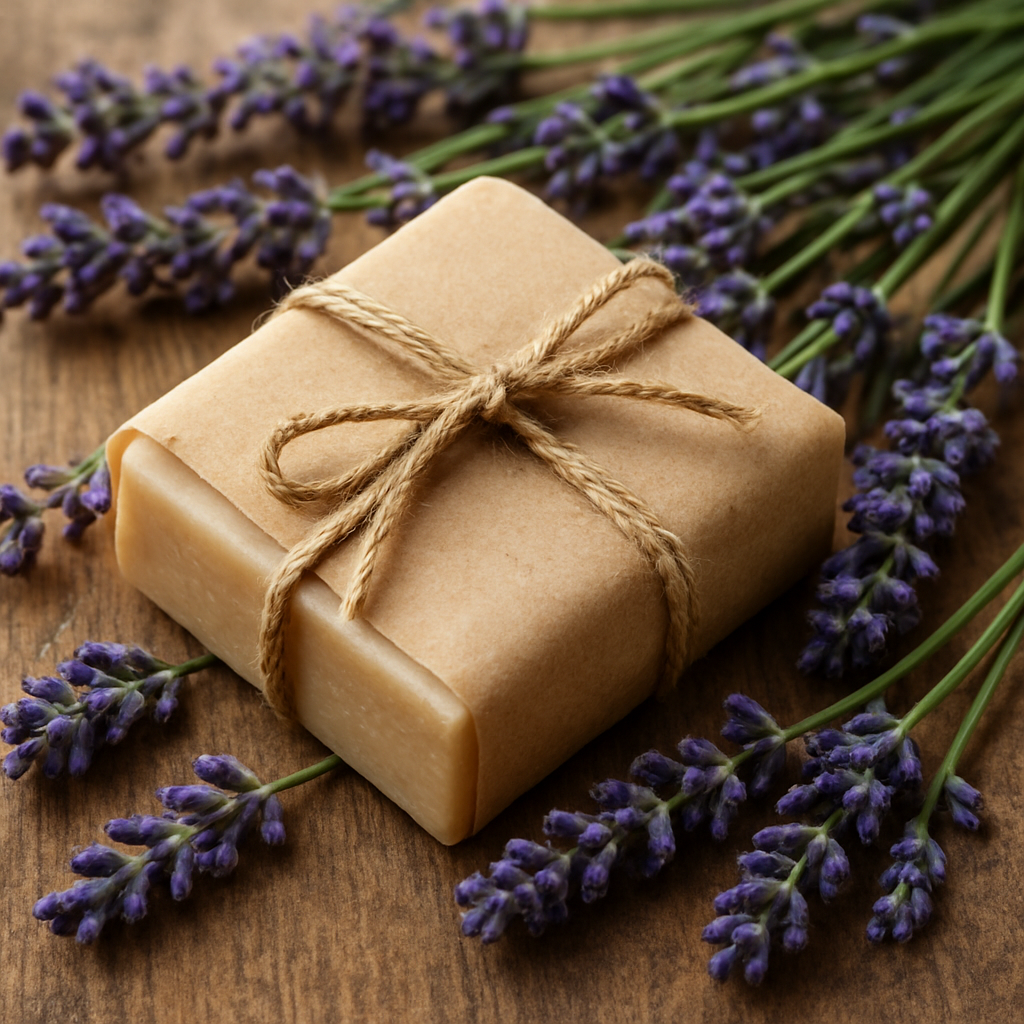
When you think of “handmade soap vs store bought,” the environmental scorecard often leans toward handmade, but it’s not just about the bar itself—it’s the whole supply chain. By making conscious choices, you’re not only caring for your skin but also sending a message to the industry that sustainability matters.
Consumer Experience: Scent, Texture, and Customization
1. The First Whiff: How Aroma Sets the Mood
Ever notice how a scent can turn an ordinary shower into a spa‑like ritual? When you open a handcrafted bar, the first thing that hits you is the aroma, and it’s usually a pure, botanical note rather than a synthetic perfume. In handmade soap, essential oils are blended in small batches, so the scent is consistent across the whole bar. Store‑bought bars often rely on fragrance oils that can drift in and out of the scent profile.
Imagine stepping into a lavender goat‑milk soap and instantly feeling calm. That’s the power of natural scent. If you’re curious, check the Artesana Soaps blog for a deep dive into how natural fragrances behave in soap exploring the truth about store‑bought vs handmade soap.
2. Texture Matters: From Hard to Silky
Feel the difference before you even lather. Handmade soaps tend to be denser because they don’t have fillers that make the bar dissolve quickly. That hardness means they last longer and often produce a richer lather. Store bars usually come softer and dissolve faster, which can feel cheap.
Try a small batch shea butter soap: press it between your fingers, feel the slight resistance, then let it melt. That slow, smooth transition into a creamy foam is a hallmark of a well‑made bar. In contrast, a mass‑produced bar might feel slick right away and leave your skin feeling stripped.
3. Personalization: Choose the Ingredients You Love
One of the coolest perks of handmade soaps is the ability to tweak ingredients. Want extra moisturization? Add a splash of honey or jojoba oil. Need a cooling kick? Drop in a few drops of peppermint. Most artisans allow you to pick the fragrance, color, or even the base oil.
When you visit an artisan shop, they’ll show you the different options and explain how each choice changes the experience. Store brands rarely let you pick – you get what’s pre‑packed and labeled.
4. Seasonal & Event‑Specific Scents
Ever tried a bar that smells like a fresh pine forest? Or a citrus burst that feels like a sunny patio? Handmade soaps can be themed for holidays or seasons, and they’re often available in limited‑run collections. This makes gift‑giving easier because you can match the scent to the occasion.
For instance, a holiday bundle might feature a warm cinnamon‑clove soap, while a summer line could highlight a cool cucumber‑mint blend. Store brands usually stick to a few generic scents that don’t change year to year.
5. DIY Customization: Craft Your Own Bar at Home
If you’re feeling adventurous, you can make your own soap. All you need is a basic cold‑process kit, a few essential oils, and a mold. There are plenty of tutorials that walk you through each step, from measuring oils to curing the bar.
Home‑made bars give you full control over texture, scent intensity, and even the shape. Plus, you get the joy of watching the soap harden before you lather it.
6. Practical Tips to Make the Most of Your Soap
- Test the scent in a small patch before buying a full bar. If it’s too strong, try a different batch.
- Feel the bar’s firmness. A denser bar usually means fewer additives and a longer shelf life.
- Ask about glycerin retention. Glycerin pulls moisture to your skin, so a bar that keeps it intact feels more hydrating.
- Store the soap on a rack that allows air circulation. This prevents mold and keeps the texture consistent.
- Rotate your stock. If you have multiple bars, use them in a cycle to avoid any one scent becoming overpowering.
So, what should you do next? Start by picking a scent that resonates with your mood. Then, test the bar’s texture by giving it a gentle press. If you’re happy with both, you’ve just unlocked a personalized self‑care ritual that feels both luxurious and sustainable.
FAQ
What’s the biggest difference between handmade soap and store‑bought soap when it comes to ingredients?
Handmade soaps usually stick to a handful of natural oils, butters, and essential oils. Store brands often mix in synthetic surfactants, colorants, and preservatives that keep the bar from drying out but can leave a residue on skin. Because handmade bars keep glycerin and the natural oils intact, they tend to feel gentler and less drying.
Can I trust the pH of a store‑bought soap to be safe for my skin?
Most commercial soaps aim for a pH between 8 and 10, higher than the skin’s natural 5.5. That can strip natural oils and cause dryness or irritation, especially for sensitive skin. Handmade bars typically sit around 5.0‑5.5, matching skin’s acidity and leaving you feeling smooth instead of tight.
How does the production method affect the cost and quality of the soap?
Handmade soap makers spend hours in small batches, which raises the labor cost but also allows for ingredient control. Store brands rely on automation, cutting labor to minutes per bar, which lowers the price but also cuts corners on ingredient quality. The result is a cheaper bar that may lack the moisturizing benefits of a small‑batch soap.
What should I look for on the label if I want a truly natural bar?
Short ingredient lists are a good sign: a few oils, a natural glycerin, and maybe an essential oil. Avoid bars that start with “sodium” or “polyethylene glycol.” Look for the name of an actual plant or animal source—like goat milk or lavender—rather than generic “fragrance.” That tells you the bar was likely made in small batches.
Do handmade soaps last longer than store‑bought ones?
Because they contain fewer fillers, handmade bars are denser and take longer to dissolve. This means a single bar can last two to three times longer than a mass‑produced bar. The trade‑off is that you need to give it a little extra time to lather, but the payoff is a richer, more lasting cleansing experience.
Is there an environmental advantage to buying handmade soap?
Absolutely. Handmade soaps often come wrapped in recyclable paper or biodegradable packaging, while most store brands use plastic. Plus, local sourcing reduces transportation miles, and the lower energy use in small‑batch production keeps the carbon footprint down. Choosing handmade is a small change that adds up to a cleaner planet.
How can I transition from a store brand to a handmade soap without feeling like a hobbyist?
Start with a trial bar—pick a scent you love, like lavender or shea butter, and use it for a week. Notice how your skin feels afterward and compare texture and aroma. If you like it, replace the rest of your routine with similar artisan bars. Most local shops also offer a tasting platter so you can sample several before buying a full bar.
Conclusion
We’ve been through the pH math, the packaging debate, and the scent showdown, and the verdict is simple: your choice tells a story about what matters most to you.
Handmade soap tends to keep the skin’s natural balance, last longer, and let you feel a real connection to the ingredients. Store‑bought bars get the job done quickly, but often at the cost of a harsher surfactant and a plastic wrapper that never feels right.
Think about the moments you’ve spent rinsing off a bar that left your hands feeling tight. That’s the subtle sign that the chemistry inside isn’t playing nice with your skin.
So, what’s the next step? Pick a bar that feels heavy enough in your hand to signal quality, test it for a week, then compare how your skin reacts. If it’s gentler and you’re happy with the scent, you’ve found a win.
And if you’re curious about how to keep that bar fresh, remember the drying rack trick and keep the bar dry between uses.
Ultimately, it’s not about brand names but about the feel and the impact—both on skin and on the planet. Take a moment, try a local bar, and notice the difference. If you love it, keep it; if not, keep exploring.
0 comments