

Ever stood in the shower, feeling that sting on your cheek after a simple wash and thought, 'There has to be something softer out there?'
If your skin is the type that flinches at ordinary soap, you’ve probably tried a dozen brands that promise gentle care, only to end up with red patches or that familiar tight feeling.
Enter goat milk soap for sensitive skin – a quiet hero that many of us didn’t know existed until we actually tried it.
Goat milk is packed with natural fats, vitamins A and D, and a gentle lactic acid that helps keep the skin barrier hydrated without the harsh chemicals that can irritate.
Because the fats in goat milk are smaller than those in cow’s milk, they slip right into the skin, leaving it soft and calm, kind of like a warm hug after a long day.
And the best part? You don’t need to be a skincare guru to incorporate it into your routine – just swap your regular bar for a goat milk one, lather up, and let the soothing ingredients do their thing.
But you might wonder, 'Is it really safe for super‑sensitive skin, or is it just another marketing gimmick?'
The answer lies in the simplicity of the formula. Most goat milk soaps from artisans like Evolve Botanica skip sulfates, synthetic fragrances, and harsh dyes, which are the usual culprits behind irritation.
Think about the last time you felt a subtle, creamy lather that didn’t leave a film, and your skin felt like it could breathe again – that’s the kind of experience we’re talking about.
In the next few sections we’ll explore how goat milk works on a microscopic level, what to look for on the label, and a few real‑world tips for getting the most out of every bar.
So, if you’re ready to give your sensitive skin the break it deserves, let’s dive in and discover why goat milk soap might just become your new skincare sidekick.
TL;DR
If your skin flinches at ordinary soap, goat milk soap for sensitive skin offers a gentle, vitamin‑rich lather that moisturizes without harsh sulfates, leaving you feeling soothed and naturally radiant.
Swap your regular bar for an artisan‑crafted Evolve Botanica goat milk soap, lather up daily, and watch irritation fade as your skin breathes easy, making the shower feel like a calming hug.
Why Goat Milk Soap Benefits Sensitive Skin
Ever wonder why a simple bar can feel like a sigh of relief after a long day? The answer lives in the tiny fat globules and proteins that goat milk brings to the mix. Those little things slip right through the skin’s outer barrier, delivering moisture where it’s needed most – no harsh surfactants to strip away the natural lipids.
First, let’s talk science without the jargon. Goat milk contains a natural blend of lactic acid, vitamin A, and vitamin D. Lactic acid acts like a gentle exfoliant, nudging dead cells off without the sting you get from stronger acids. Meanwhile, vitamin A supports skin‑cell turnover, and vitamin D helps calm inflammation. The result? A smoother, more resilient barrier that’s less prone to the red, itchy flare‑ups that sensitive skin folks dread.
The data behind the buzz
Recent Google Trends analysis of goat milk soap interest shows a steady climb in searches for “goat soap” and “goat milk soap” over the past five years, with a +0.61 growth trend. That surge isn’t just hype; it mirrors a growing community of people looking for anti‑inflammatory, fragrance‑free cleansers that actually work for conditions like atopic dermatitis.
And you’re not alone in noticing the difference. On a popular goat‑milk‑soap retailer, dozens of verified buyers share stories that read like mini‑case studies. One 72‑year‑old writes, “The Oatmeal Milk & Honey bar relieves my very dry, itchy skin… I even use less body lotion.” Another gardener says the tea‑tree version “softens, soothes, and leaves you fresh and clean” after a day of soil‑covered hands. Those testimonials, collected on customer testimonials on goat milk soap, highlight real‑world outcomes that echo the lab‑based claims.
Real‑world examples that hit home
Take Maya, a college student with occasional eczema on her elbows. She swapped her standard antibacterial bar for a goat‑milk‑based “Lavender” soap from a local artisan. Within a week, the red patches faded, and she stopped reaching for a steroid cream. Or consider Tom, a dad who loves gardening. After a weekend of weeding, his skin felt tight and irritated. A quick lather with a goat‑milk “Tea Tree” bar left his skin feeling soothed without the burning sensation he’d get from his usual soap.
These anecdotes line up with the anti‑bacterial and anti‑inflammatory properties noted in the research – goat milk’s natural lysozyme and lactoferrin help keep skin‑friendly microbes in check while calming redness.
How to get the most out of your goat milk soap
1. Wet your skin with lukewarm water. Hot water can dissolve the protective lipids too quickly. 2. Rub the bar between your hands until you see a creamy lather; the fats need a moment to emulsify. 3. Massage gently, focusing on problem areas, then rinse with cool water to close pores. 4. Pat dry with a soft towel – don’t rub, you’ll undo the moisture you just added. 5. Follow with a light, fragrance‑free moisturizer if you’ll be in a dry environment.
Pro tip: keep the soap in a well‑ventilated dish so it dries between uses. A soggy bar loses its lather power faster, and the extra moisture can invite bacteria.
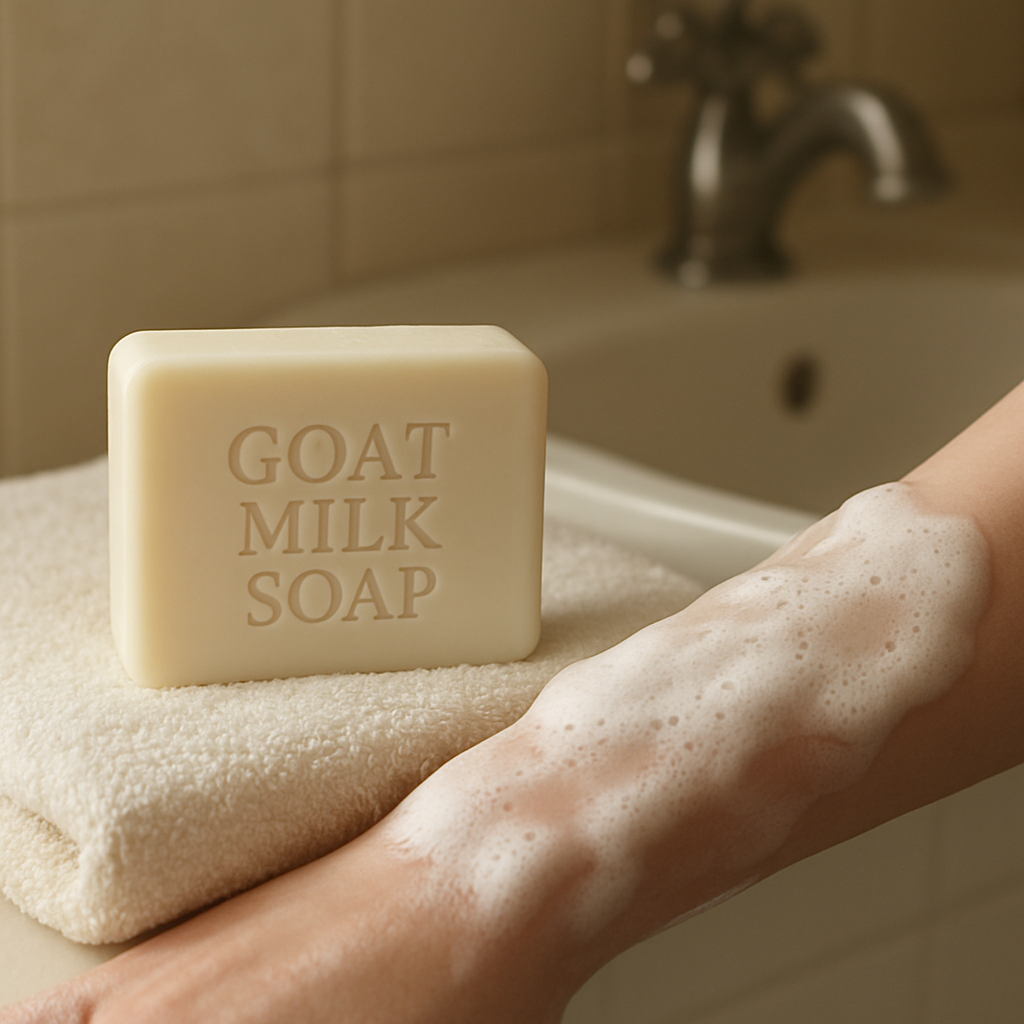
Seeing the soap in action can demystify the process. Notice how the lather feels buttery rather than foamy – that’s the goat milk fats at work, coating each cell with a protective film.
When you’re ready to try a bar, you might wonder which scent or formula fits your routine best. Our Best Sellers – Evolve Botanica page showcases the most beloved goat‑milk blends, from soothing Oatmeal Milk & Honey to calming Lavender. Each is sulfate‑free and crafted with locally sourced goat milk, so you know you’re getting a clean, skin‑friendly product.
Finally, make it a habit. Consistency is key for sensitive skin; the barrier strengthens over weeks, not days. Mark your calendar for a weekly “soap check‑in” – note any changes in texture, redness, or tightness. Adjust your routine if needed, but give the soap a fair trial of at least two weeks.
Bottom line: goat milk soap isn’t a miracle cure, but its unique combination of gentle acids, vitamins, and fatty acids offers a science‑backed, real‑world solution for sensitive skin that many conventional cleansers can’t match.
Key Ingredients to Look for in Goat Milk Soap
When you’re scrolling the shelf, the ingredient list can feel like a secret code. Knowing which players actually matter turns a random purchase into a confidence‑boosting ritual. Below is a quick‑read cheat sheet that tells you exactly what to hunt for, why it matters for goat milk soap for sensitive skin, and how to put the info into practice.
Goat Milk – The Core Hydrator
The star of the show is, of course, the milk itself. Fresh goat milk brings a blend of natural fats, proteins, and minerals that slip right into the skin’s lipid barrier. Those tiny fat globules act like a microscopic moisturizer, sealing in water without feeling greasy. If you see “locally sourced raw goat milk” or “fresh goat milk” on the label, you’re getting the most bio‑available form.
Natural Fatty Acids & Oils
Most artisan formulas pair the milk with a handful of skin‑loving oils – think coconut, olive, and sustainable palm. These oils are rich in lauric, oleic, and palmitic acids, which reinforce the barrier and keep the lather buttery instead of foamy. The Bend Soap Company notes that their blend of coconut, olive, and palm oils delivers “nourishing fatty acids” that help “hydrate every inch of your skin.” Look for a short ingredient list; the fewer synthetic additives, the better.
Lactic Acid – The Gentle AHA
Goat milk naturally contains lactic acid, a mild alpha‑hydroxy acid that exfoliates dead skin cells without the sting of stronger acids. This tiny scrub helps unclog pores, smooth texture, and even out tone – all without compromising a sensitive complexion. Ledgeway Farm explains that lactic acid “helps to exfoliate the skin and remove dead skin cells, reducing the risk of clogged pores.” If the label lists “lactic acid” or simply “goat milk,” you’re getting that built‑in gentle peel.
Vitamins A, D, E & B Complex
These fat‑soluble vitamins are tucked into the milk and the carrier oils. Vitamin A supports cell turnover, Vitamin D calms inflammation, Vitamin E provides antioxidant protection, and B‑vitamins keep the skin’s moisture balance on point. Together they turn a basic cleanser into a mini‑spa treatment. The same Bend Soap page highlights “vitamins and minerals like A and E” as key healers for “even the most sensitive skin types.”
Anti‑Inflammatory & Antibacterial Boosters
Many small‑batch soaps toss in natural allies like lysozyme, lactoferrin, tea tree oil, or activated charcoal. Lysozyme and lactoferrin are proteins that quietly curb the growth of acne‑causing bacteria, while tea tree adds a fresh, antiseptic scent without harsh chemicals. Charcoal, when used, acts like a magnet for impurities. If you’re acne‑prone, a soap that mentions any of these extras can be a game‑changer.
What to Look for on the Label
- First three ingredients: Goat milk, a nourishing oil (coconut, olive, or palm), and a gentle surfactant. This tells you the formula is milk‑centric, not detergent‑heavy.
- pH‑balanced: Aim for a product that lists a pH of 5.0‑5.8, matching the skin’s natural acidity.
- Free of sulfates, synthetic fragrances, and dyes: These are the usual culprits behind redness.
- Added actives: Look for “lactic acid,” “tea tree oil,” “charcoal,” or “lysozyme” if you want extra exfoliation or antibacterial power.
Here’s a quick checklist you can print and stick on your bathroom mirror:
- Does the first ingredient say “goat milk” (or “raw goat milk”)?
- Are the next two ingredients natural oils?
- Is there a mention of lactic acid or another gentle AHA?
- Do I see vitamins (A, D, E, B) listed?
- Is the formula sulfate‑free and fragrance‑free (or naturally scented with essential oils you tolerate)?
Once you’ve found a bar that checks these boxes, do a 48‑hour patch test: lather a small spot on your inner forearm, wait, and see if any redness or itching appears. If it passes, you’re good to go for the full shower routine.
Real‑world tip: Maya, who struggles with occasional eczema, swapped her regular bar for a goat‑milk soap that listed “raw goat milk, olive oil, lactic acid, vitamin E.” Within ten days, the itching subsided and her skin felt “soft enough to touch without flinching.” Tom, a weekend gardener, chose a version with “tea tree oil + charcoal” for its antibacterial boost and noticed his hands stayed “smooth, not gritty,” after a day in the soil.
Bottom line? The best goat milk soap for sensitive skin isn’t just about the “goat milk” label; it’s the whole supporting cast. When you can spot lactic acid, skin‑loving oils, and a vitamin boost, you know the bar is built to hydrate, soothe, and protect without the irritation that many conventional cleansers bring.
How to Choose the Right Goat Milk Soap for Sensitive Skin
Ever stood in front of the shower shelf and felt a little panic because you don’t know which bar will actually be gentle enough?
We’ve all been there – the label looks pretty, the scent is tempting, but your skin is already on edge from the last soap that left it feeling tight and itchy.
Know your skin triggers first
Before you even glance at the ingredient list, ask yourself what usually sets off your skin. Is it fragrance? Synthetic dyes? Harsh surfactants like SLS? Write down the top two irritants you’ve identified over the past year.
For many folks with eczema or rosacea, the biggest culprits are fragrances and sulfates. If those are on your “no‑go” list, you can eliminate a third of the market right away.
Read the ingredient list like a detective
Now pull the bar into the light and start scanning. The first three ingredients should be goat milk, a nourishing oil (think olive, coconut, or sustainable palm), and a gentle, natural surfactant. Anything else is just filler.
Look for lactic acid – that’s the built‑in AHA that exfoliates without burning. Vitamin E and vitamin A are the antioxidant twins that keep inflammation at bay. If the soap mentions “raw goat milk” or “farm‑fresh goat milk,” you’re getting the most bio‑available version. Bend Soap explains that their bars pack over 26% raw goat milk and a cocktail of vitamins A, D, E, and K, which is a solid benchmark.
On the other side, watch out for “essential oil blend” if you’re sensitive to perfume. Some artisans use a tiny amount of lavender or tea tree for scent, but if you’ve reacted before, stick with an unscented formula. The Goat Milk Soap buying guide recommends an all‑natural unscented soap for dry, sensitive skin, especially for anyone who prefers a neutral scent.
Test before you trust
Even the perfect‑looking bar can surprise you once it meets your skin. Do a 48‑hour patch test: lather a small spot on the inner forearm, leave it on for a minute, rinse, then wait. If you notice redness, itching, or a burning sensation, put the bar back on the shelf.
Real‑world tip: Maya, a college student with occasional eczema, tried an unscented goat‑milk bar that listed “raw goat milk, olive oil, lactic acid, vitamin E.” Within ten days the itching subsided and she swore by the patch test before committing to a full‑body wash.
Match the soap to your lifestyle
Think about when and where you’ll use the soap. If you’re a weekend gardener like Tom, a bar that includes tea tree oil or charcoal can give an extra antibacterial boost after a day in the soil.
If you’re looking for a bedtime routine, a soothing lavender‑infused goat milk soap (as long as the lavender is truly essential‑oil‑free) can signal relaxation.
Also consider the bar’s hardness. Softer bars dissolve faster, which is great for travel but may get mushy in a humid bathroom. A firmer bar with palm oil tends to last longer in damp conditions.
Quick checklist before you click “add to cart”
- First ingredient = raw goat milk (or “goat milk”)
- Next two ingredients = natural oils (olive, coconut, palm)
- Contains lactic acid or another gentle AHA
- Lists vitamins A, D, E, or K
- Free of sulfates, synthetic fragrance, and dyes
- Matches your scent preference and lifestyle needs
Print this list, tape it to your bathroom mirror, and give yourself a mini‑audit each time you shop. It turns a confusing aisle into a quick, confident decision.
Bottom line? Choosing the right goat milk soap for sensitive skin isn’t rocket science – it’s a blend of knowing your triggers, decoding the label, and giving the product a short trial. Follow these steps, and you’ll swap that tight, irritated feeling for a soft, breathable glow that lasts all day.
Comparison of Top Goat Milk Soap Brands for Sensitive Skin
Okay, you’ve read the basics and you’ve got your checklist. Now the real question is: which goat milk soap actually lives up to the hype when your skin is on edge? Below is a down‑to‑earth look at three fan‑favorite brands that keep showing up in the “best for sensitive skin” conversations.
1. Evolve Botanica – Standard Soap (Oatmeal Milk & Honey)
First up, the local favorite that most of us see at Etowah Mills. The bar starts with raw goat milk, then blends olive and coconut oils, and finishes with a dash of oatmeal for that extra soothing feel. Users rave about the buttery lather that doesn’t strip, and the honey adds a subtle sweetness without any synthetic fragrance.
Why it works for sensitive skin: The raw goat milk supplies vitamins A, D, and E, while the oatmeal acts as a natural anti‑itch buffer. The formula stays pH‑balanced around 5.5, which mirrors your skin’s natural acidity.
2. Goat Milk Stuff – Unscented Classic Bar
This Amazon bestseller is a straight‑up, no‑frills bar that lets the milk do the heavy lifting. It’s cold‑processed to keep the natural glycerin intact, and the ingredient list is basically goat milk, palm oil, and a touch of coconut oil.
Customers consistently note that it “doesn’t dry out my skin” and even helps calm eczema flare‑ups. The company highlights that the milk is sourced from Alpine and Nigerian Dwarf goats on a 36‑acre Indiana farm, packing vitamins A, B, and C into every wash (source). If you’re allergic to essential oils, the unscented version is a safe bet.
3. Ledgeway Farm – Lavender‑Infused Goat Milk Soap
For those who want a gentle scent without synthetic perfume, Ledgeway’s lavender bar mixes raw goat milk with a light lavender essential oil and a splash of shea butter. The lavender is therapeutic, not overpowering, and the shea butter adds extra barrier support.
The farm’s blog points out that goat milk is jam‑packed with vitamin A, which helps clear dead skin cells and smooth texture, making it a solid choice for eczema or rosacea (source). The added lavender gives a calming aroma that’s perfect for a bedtime routine.
How to compare them at a glance
| Brand | Key Soothing Ingredients | Texture & Hardness | Best For |
|---|---|---|---|
| Evolve Botanica – Oatmeal Milk & Honey | Raw goat milk, oatmeal, honey, vitamins A/D/E | Medium‑firm, buttery lather | Daily use, fragrance‑free lovers who want a hint of sweetness |
| Goat Milk Stuff – Unscented Classic | Raw goat milk, palm & coconut oils, vitamins A/B/C | Harder bar, rich crema lather | Ultra‑sensitive skin, eczema, budget‑conscious shoppers |
| Ledgeway Farm – Lavender‑Infused | Raw goat milk, lavender essential oil, shea butter, vitamin A | Soft‑to‑medium, aromatic lather | Evenings, mild fragrance seekers, rosacea relief |
So, how do you pick the right one? Try the “3‑step trial” we swear by: 1️⃣ Pick a bar, 2️⃣ Do a 48‑hour patch test on the inner forearm, 3️⃣ Keep a mini‑journal of how your skin feels after each wash. If you notice less tightness or fewer red patches, you’ve found a winner.
Real‑world tip: Maya, a college student with occasional eczema, started with the unscented Classic bar because she’s super fragrance‑sensitive. After two weeks, the itching subsided and she didn’t need an extra moisturizer. Tom, a weekend gardener, prefers the lavender‑infused Ledgeway bar; the light scent helps him unwind after a day in the soil, and the shea butter keeps his hands from feeling rough.
And don’t forget the practical side: a firmer bar (like Goat Milk Stuff) lasts longer in a humid bathroom, while a softer, more buttery bar (like Evolve’s Oatmeal) feels luxurious but may need a dry soap dish to stay solid.
Bottom line? All three bars meet the core criteria for goat milk soap for sensitive skin—raw goat milk, minimal irritants, and a soothing vitamin boost. Your choice boils down to scent preference, hardness, and budget. Grab a sample, run that patch test, and let your skin tell you which bar earns a permanent spot on your shower shelf.
DIY Goat Milk Soap Recipe for Sensitive Skin
If you’ve ever watched a commercial for goat milk soap and thought, “That looks amazing, but can I actually make it at home?” you’re not alone. Sensitive skin lovers often crave that creamy, vitamin‑rich lather but dread the hidden irritants in store‑bought bars. Good news: a DIY goat milk soap recipe lets you control every ingredient, so you can tailor the bar to your skin’s exact needs.
When you blend fresh goat milk with soothing oils like olive, coconut, or shea, you create a bar that moisturizes instead of stripping. The lactic acid naturally present in the milk offers a gentle exfoliation, while vitamins A and D calm inflammation – a perfect combo for eczema‑prone or rosacea‑sensitive skin.
Safety first, though. Grab a pair of rubber gloves, goggles, and work in a well‑ventilated spot – the same gear that the Cheeky Wipes founder swears by when mixing lye and milk her DIY guide recommends. A simple plastic spoon and a kitchen scale will keep the process tidy and accurate.
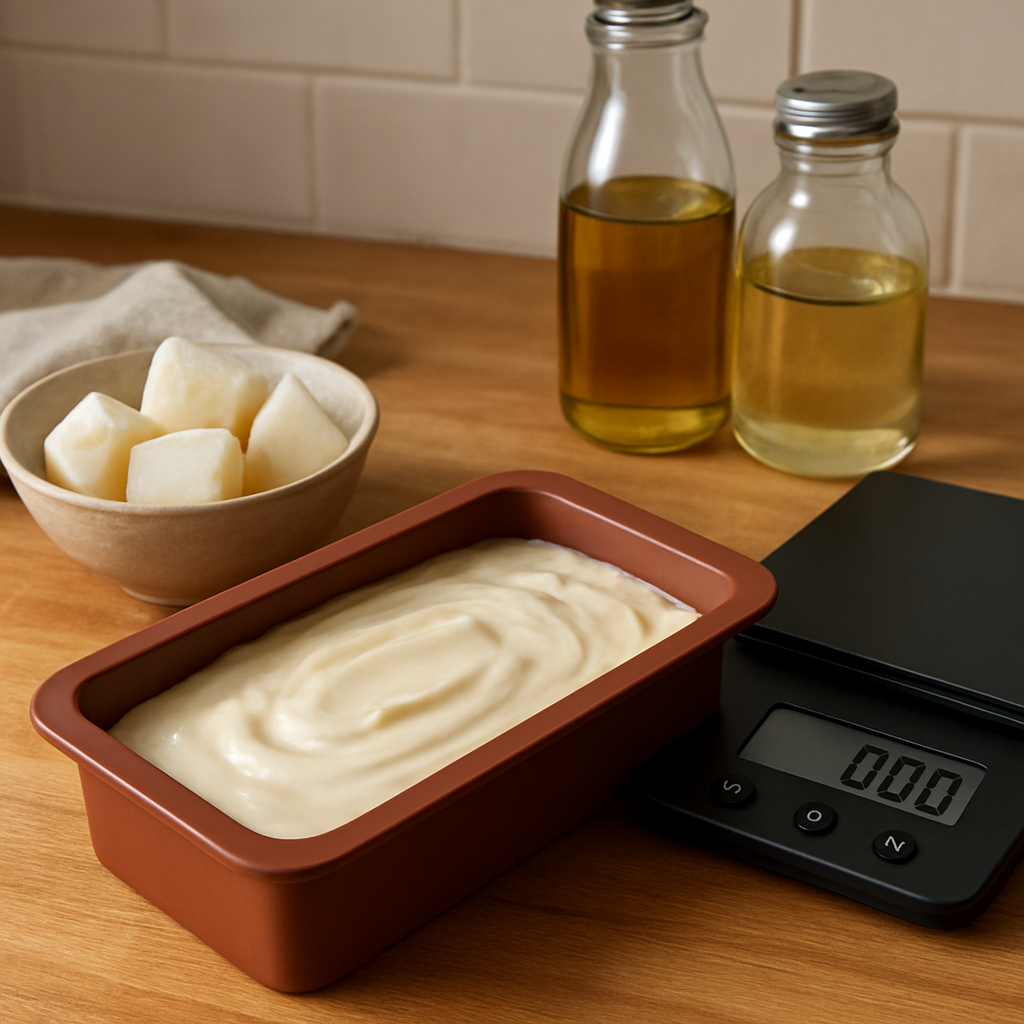
Here’s a solid ingredient list for a single 8‑ounce batch (you can double it later): 250 g raw goat milk (or freeze‑dry milk powder), 300 g olive oil, 150 g coconut oil, 100 g shea butter, 140 g distilled water, 55 g sodium hydroxide (lye), 1 tsp honey for extra humectancy, and a few drops of lavender essential oil if you tolerate fragrance.
Step 1 – Measure everything. Precision matters because a few grams off can change the saponification balance. Use a digital scale, zero it with your mixing bowl, and record each weight. This habit also makes scaling the recipe up for a holiday gift set a breeze.
Step 2 – Make the lye solution. Slowly pour the measured lye into the distilled water (never the other way around) while stirring gently. The mixture will heat up quickly; set it aside to cool to about 100 °F (38 °C). Hello Glow’s detailed guide emphasizes this temperature window to avoid scorching the milk later.
Step 3 – Chill the goat milk. Because goat milk can scorch at high temps, cube it and place the cubes in the freezer for 15‑20 minutes. When the lye water has hit the target temperature, add the frozen milk cubes. Stir until they melt completely; you’ll notice a slight cloudiness that’s perfectly normal.
Step 4 – Melt the oils and butter. In a small saucepan, melt the olive oil, coconut oil, and shea butter together over low heat. Once fluid, remove from heat and let the blend cool to about 90 °F (32 °C). This temperature sync with the lye‑milk mix is the sweet spot for proper saponification.
Step 5 – Combine and blend. When both mixtures sit between 68‑72 °F (20‑22 °C), slowly pour the lye‑milk liquid into the oil blend, aiming the stream against a spoon to minimize bubbles. Grab a stick blender, pulse a few times, then alternate between gentle stirring and short bursts until the batter reaches a “trace” – it should look like warm custard and leave a faint trail on the surface when you drizzle a bit of batter back onto the bowl.
Step 6 – Add optional actives. At trace, stir in the honey, a teaspoon of vitamin E oil, and your chosen essential oil (lavender, tea tree, or chamomile work well for sensitive types). Give the mixture one final pulse so everything is evenly distributed.
Step 7 – Pour and set. Carefully pour the thick batter into a silicone or wooden mold, tapping the mold gently on the counter to release trapped air. Cover the top with plastic wrap, then pop the mold into the fridge for 24‑48 hours. This chilling phase firms the bar without cracking.
Step 8 – Cure for real‑world softness. After the chill, remove the bars from the mold and let them cure on a rack in a cool, dry area for at least four weeks. During curing, excess water evaporates and the soap hardens, which means it will last longer in the shower and stay gentle on your skin.
Troubleshooting tip: if your batter stays too thin after blending, double‑check that the oil mixture isn’t hotter than the lye‑milk solution. Even a 5 °F difference can prevent trace. Warm the oils a couple of degrees, then give the blender another short burst – you’ll see the custard‑like texture appear.
Real‑world example: Maya, who struggled with seasonal eczema, followed this exact recipe and swapped the commercial bar for her own batch. After two weeks of consistent use, the itching subsided and she no longer needed a separate moisturizer for her elbows. Tom, a weekend gardener, added a few drops of tea tree oil for its antibacterial kick and reported that his hands felt soothed after a day in the soil.
Quick checklist before you hit “mix”: ✅ All weights measured, ✅ Lye water cooled to 100 °F, ✅ Milk cubes frozen, ✅ Oil blend at 90 °F, ✅ Protective gear on, ✅ Mold ready, ✅ Curing space dry. Tick each box and you’ll end up with a bar that feels like a spa‑day for your sensitive skin.
Now that you’ve got the full roadmap, it’s time to roll up those sleeves and give your skin a truly personalized clean. Remember, the best soap is the one that never makes you itch – and with this recipe, you control every soothing ingredient. Happy soap‑making!
Tips for Using and Storing Goat Milk Soap on Sensitive Skin
Ever notice how a bar can feel buttery one day and mushy the next? That tiny frustration can turn a soothing shower into a guessing game, especially when you’ve already trusted goat milk soap for sensitive skin to keep irritation at bay.
Let’s walk through a handful of practical habits that turn that buttery lather into a reliable, skin‑loving ritual. You’ll get more than a clean body—you’ll get peace of mind that the bar you’re holding is still doing what it promised.
How to Use Goat Milk Soap for Sensitive Skin
First, think of the soap as a gentle partner, not a power‑washer. The goal is to cleanse without stripping, so keep the temperature lukewarm – hot water can melt the protective lipids in goat milk before they even reach your skin.
Step‑by‑step shower routine:
- Wet your skin with lukewarm water for about 30 seconds. This opens pores just enough for the milk’s fats to glide in.
- Rub the bar between your palms until a creamy lather forms. You’ll see the batter turn slightly cloudy – that’s the milk’s natural proteins emulsifying.
- Massage in slow circles, focusing on areas that usually flare up (elbows, knees, or the back of your hands). Let the lather sit for 15‑20 seconds; the lactic acid needs that tiny window to exfoliate gently.
- Rinse with cool water to seal the barrier and lock in moisture.
- Pat dry with a soft towel – no harsh rubbing.
And here’s a quick sanity check: after you finish, does your skin feel soft, not tight? If you still feel a squeaky sensation, you’re probably using water that’s too hot or rinsing for too long.
Real‑world example: Maya, a college student who wrestles with occasional eczema, started using the routine above with an unscented goat milk bar. Within ten days her elbows stopped itching and she stopped reaching for a steroid cream. She says the “extra pause” before rinsing made all the difference.
Storage Tips to Keep Your Bar Fresh
Now that you’ve mastered the shower, let’s talk about the shelf life of your bar. Goat milk soap loves air, but it also hates staying soggy.
Three‑step storage game plan:
- Let it dry between uses. Place the bar on a well‑ventilated soap dish with a raised lip. The dish should allow air to circulate around the whole bar, not just the bottom.
- Avoid airtight containers. While a zip‑top bag might seem protective, it traps moisture and invites mildew. If you need to travel, wrap the bar in a breathable muslin pouch instead.
- Store in a cool, dry spot. A bathroom shelf away from the shower curtain works best. If you live in a humid climate, consider a small dehumidifier or a silica‑gel packet in the cabinet.
Pro tip: If you notice a layer of soap scum forming on the bottom, gently scrape it off with a dull knife. That thin crust is just excess water that’s evaporated and re‑solidified – it won’t affect the rest of the bar.
Tom, a weekend gardener, swears by the “dry‑dish” rule. After a day of soil‑covered hands, he lets his tea‑tree goat milk bar sit on a wooden rack. He reports that the bar lasts three weeks longer than the one he left in a wet dish, and his hands stay soothed without any funky smell.
Bonus storage hacks for the super‑sensitive
- Freeze a small “spare” piece. A frozen chunk can be used for a quick hand wash when you’re out camping – the cold keeps the fats from breaking down.
- Rotate bars every month. Even the best‑crafted soap can lose a bit of its vitamin punch after 60‑90 days of exposure.
- Keep a dry towel nearby. If the bar sits in a puddle of water after use, dab it dry before returning it to the dish.
Why does all this matter? Goat milk’s natural pH sits right around 5.5, mirroring our skin’s own acidity. When the bar stays dry, that pH balance isn’t thrown off by extra water, meaning the skin‑friendly acids stay effective Beekman 1802 notes that goat milk’s pH matches skin’s natural acidity.
Finally, give yourself a mini “soap check‑in” once a week. Note any changes in lather, scent, or how your skin feels after each wash. If the bar starts feeling gritty or the lather thins out dramatically, it’s a sign the fats have oxidized and it’s time for a fresh bar.
Bottom line: a little attention to temperature, timing, and storage can stretch a single goat milk soap bar into a month‑long skin‑soothing companion. You’ll keep the gentle vitamins, fatty acids, and lactic acid working for you instead of battling a soggy, ineffective bar. Ready to put these tips into practice? Your skin will thank you – and the bar will last longer, too.
FAQ
What makes goat milk soap gentle enough for sensitive skin?
Goat milk soap is naturally gentle because the milk contains a balanced mix of fatty acids, proteins, and vitamins that mimic our skin’s own barrier. The lactic acid in the milk offers a mild exfoliation without the sting of stronger AHAs, while vitamins A, D, and E act as antioxidants that calm inflammation. When the formula is free of sulfates, synthetic fragrances, and harsh surfactants, the bar cleanses without stripping the delicate moisture layer that sensitive skin relies on.
How often should I use goat milk soap if I have eczema?
If you have eczema, start by using goat milk soap once a day, preferably in the evening when your skin has time to recover overnight. Pay attention to how your skin feels after each wash—if it stays soft and itch‑free, you can keep the daily routine. Some people find that cutting back to every other day during flare‑ups helps reduce irritation, but most users report that consistent, gentle cleansing actually supports the skin’s healing cycle.
Can I use goat milk soap on my face as well as my body?
Yes, you can use the same goat milk bar on your face, but treat it a little more delicately than you would your body. Wet your hands, rub a pea‑sized amount between your palms, and apply with light circular motions, avoiding the eye area. Because the formula is pH‑balanced around 5.5, it won’t disrupt your facial barrier, and the built‑in lactic acid provides a subtle exfoliation that keeps congested pores at bay without the harshness of a chemical peel.
What should I look for on the ingredient label to avoid irritation?
When you scan the ingredient list, the first three items should be raw goat milk, a nourishing oil (like olive or coconut), and a gentle surfactant such as sodium cocoyl isethionate. Look for added lactic acid, which gives the bar its mild exfoliating power, and vitamins A, D, or E that soothe inflammation. Avoid anything labeled “fragrance,” “essential oil blend,” or “parfum” if you’re prone to reactions, and steer clear of sulfates (SLS, SLES) and synthetic dyes.
How do I store my goat milk soap to keep it effective?
The biggest enemy of goat milk soap is excess moisture, so always let the bar dry between uses. Place it on a vented soap dish with a raised lip, or on a wooden rack that lets air circulate all sides. Keep the dish in a cool, dry corner of the bathroom—not directly on the shower floor where steam condenses. If you travel, wrap the bar in a breathable muslin pouch instead of a sealed plastic bag to prevent a soggy mess.
Is it okay to mix goat milk soap with other skincare products?
Goat milk soap works well alongside most moisturizers, serums, and oils because its pH‑friendly formula leaves a thin layer of natural fats on the skin. After washing, pat the skin dry and apply your favorite fragrance‑free moisturizer within two minutes to lock in hydration. If you use a vitamin C serum, wait a minute after the soap so the lactic acid doesn’t interfere with the serum’s stability. The key is to keep each product simple and free of irritants.
Do I need to do a patch test, and how?
A patch test is the safest way to confirm that a new goat milk bar won’t flare your skin. Cut a small piece about the size of a pea, lather it on the inside of your forearm, and leave it on for 30 seconds before rinsing. Wait 24‑48 hours; if you notice redness, itching, or a burning sensation, discard the bar and look for a fragrance‑free, ultra‑gentle formula instead.
Conclusion
We’ve walked through what makes goat milk soap for sensitive skin such a gentle game‑changer, from the vitamin‑rich milk itself to the little extras like lactic acid and soothing oils.
Remember the checklist: raw goat milk as the first ingredient, a natural oil or two right behind it, a pH‑balanced formula, and zero sulfates or synthetic fragrances. If a bar ticks those boxes, you’re already halfway to a calmer, more hydrated complexion.
Patch testing isn’t optional – it’s the safety net that turns curiosity into confidence. A quick 48‑hour test on your forearm tells you whether that new bar will be a soothing sidekick or an unwelcome irritant.
And don’t forget the simple habits that keep your soap working its best: let it dry between uses, store it on a vented dish, and avoid hot, steamy spots that melt the protective fats.
So, what’s the next step? Head to your favorite local shop – like Evolve Botanica’s booth at Etowah Mills – and give one of their goat milk soaps a try. Grab a bar, run your patch test, and let your skin decide.
When the soap feels soft, the lather stays creamy, and your skin stays itch‑free, you’ll know you’ve found a lasting partner for your daily routine. Happy cleansing!
0 comments