
Ever wonder how long that cozy soy candle actually burns when you light it on a quiet night? It’s one of those everyday questions that can make or break your mood.
The answer isn’t just in the label; it’s a mix of size, wax purity, and the wick’s dance with heat.
On average, a solid 9‑ounce soy candle will glow for about 40 to 50 hours if you let it burn in one go.
Take our 9oz Coco Luxe Candle – the same size, but it’s made with coconut‑apricot wax that keeps the flame steady.
Temperature, airflow, and how often you trim the wick all play a part.
Trim it to about a quarter‑inch before every lighting; that keeps the cone from getting too wide and leaking.
A myth out there says thicker candles burn longer, but the trick is a balanced wick that matches the wax.
Picture this: you’re hosting a holiday dinner, the table is set, and you light the candle to create a soft glow.
Use that burn time as a test—if it’s shorter than you’d hoped, try a lighter or a different wick.
So, ready to make your soy candle burn exactly what you want? Let’s dive into the details.
Another tip is to keep the candle away from drafts; a fan or open window can chop the flame down faster than expected.
If you’re in a chilly room, the wax can take longer to melt, so the candle will burn slightly slower than in a warm kitchen.
When you purchase a new soy candle, check the recommended burn time on the packaging—most brands list 35–50 hours for a standard size.
Remember, the best way to gauge your own candle’s life is to time it: set a timer, light it, and watch the hours tick.
TL;DR
Want to know how long a soy candle lasts? On average a 9‑ounce candle burns 40‑50 hours. Trimming the wick, keeping it draft‑free, and choosing a balanced wick make the difference. Use our 9oz Coco Luxe line for steady, long‑lasting glow. Remember, in lighting and environment keeps the flame steady.
Step 1: Choosing the Right Soy Candle Size and Shape
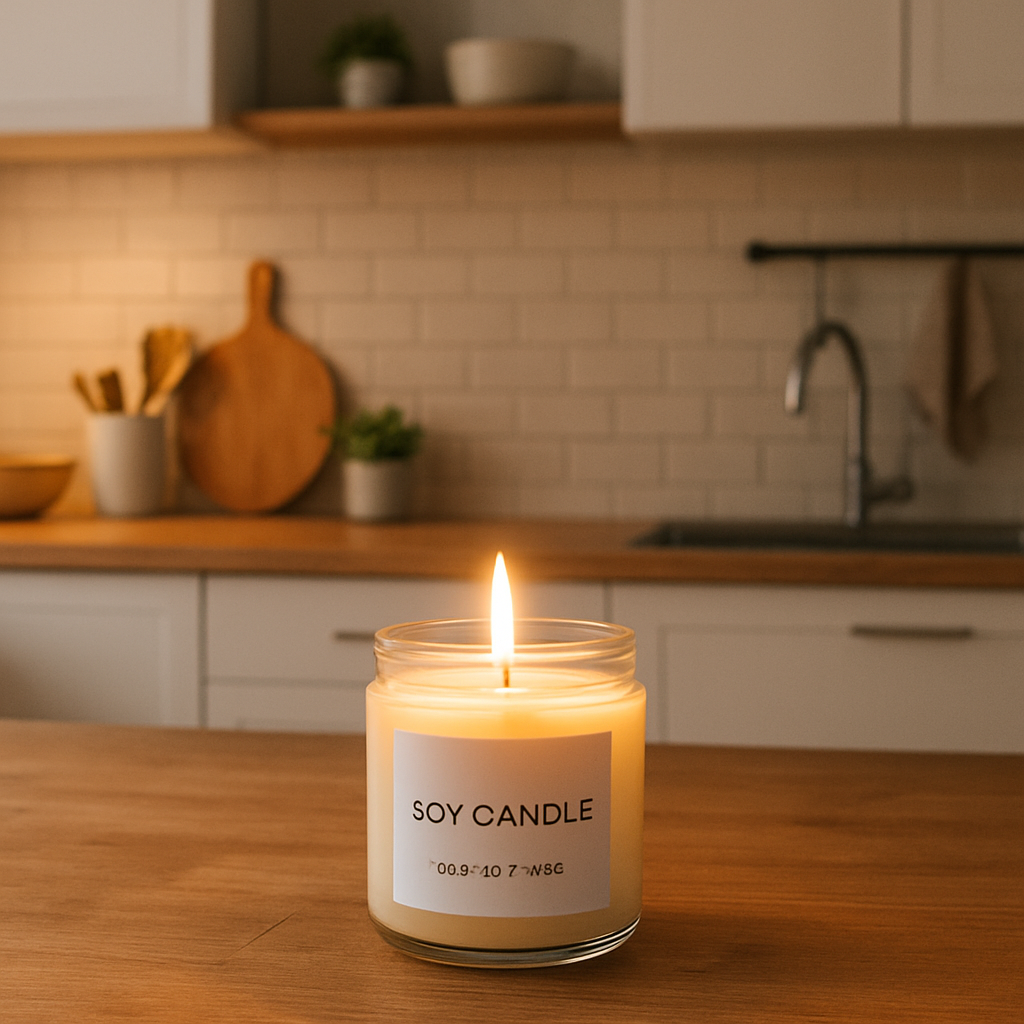
Picture this: you’re in a quiet kitchen, the sun’s dipping, and you want that soft glow to feel just right. The first thing that matters is the candle’s size. A 4‑oz stick won’t fill a large room, but a 12‑oz jar might burn too long and create an uneven melt. The trick is to match the size to your space and the hours you plan to enjoy it.
We’ve seen that a standard 9‑ounce soy candle typically gives you 40‑50 hours of mellow light. That’s enough for a cozy movie night or a weekend brunch. But if you’re hosting a dinner for a dozen, a larger 14‑ounce or even 16‑ounce might be worth the extra wax.
Next, think about shape. Cylindrical jars are classic, but a tall, narrow candle will melt slower than a squat, wide one. The surface area of the wax relative to its volume determines how fast the flame consumes the wax. If you want a candle that stays lit for a longer stretch, go for a narrower profile.
Here’s a quick decision tree: Room size? Small (<20 sq ft) → 4‑oz. Medium (20‑50 sq ft) → 9‑oz. Large (>50 sq ft) → 14‑oz or larger. Burn time? 30‑40 hours → 4‑oz. 40‑50 hours → 9‑oz. 50‑60 hours → 14‑oz. It’s not a hard rule, just a quick guide.
When you pick a candle, also glance at the wax composition. Soy wax blends with coconut or beeswax for a richer burn. Some candles use a wooden wick, which adds that subtle crackle and a slightly slower melt. If you’re into that sound, a wood‑wicked 9‑ounce 9oz Coco Luxe Candle - No. #2 (Citrine) is a solid choice.
Now, let’s talk about the real world. If you’re gifting a candle, think about the receiver’s space. A smaller candle fits in a desk lamp, while a larger one takes up a corner. Pairing a candle with a nice container can elevate the gift. A custom bottle from Quench Bottles makes a thoughtful, reusable gift that can hold a favorite drink after the candle has burned down.
And for the party planners out there, a candle’s ambiance can set the tone. A photo‑booth event can be even more memorable when lit by a scented candle. Check out Captured Celebrations for a photo booth that captures the mood you’re building with your candlelit setting.
We also recommend a quick test burn before using a candle at an event. Light it, let it burn for a few hours, and note how quickly it melts. This simple check tells you if the size is right for the occasion.
Ready to choose? Grab your size, pick your shape, and let the soft glow begin. The right candle can turn an ordinary evening into something memorable.
— Video guide on choosing candle sizes and shapes —
So, what’s your next step? Measure your space, pick a size that matches, and you’re on your way to a long‑lasting, fragrant glow.
Step 2: Proper Wick Management and Trimming Techniques
First thing’s first: the wick is the heart of your candle’s breath. If it’s too long, the flame dances too high and the wax melts too fast, cutting your burn time short. If it’s too short, the flame sputters and the scent fizzles. Finding that sweet spot keeps the candle’s glow steady and your “how long do soy candles burn” expectation realistic.
First time you light a soy candle, start with a quick trim. Grab a small pair of scissors or a dedicated wick trimmer, snip the wick down to about a quarter‑inch. That tiny cut does the heavy lifting: it stops the flame from licking up the wax and keeps the candle from tunneling. Trust me, in our experience the difference is night‑and‑day.
Why a wick trimmer over scissors? The tools are designed to pull a clean line and capture the spent wick so you don’t end up with black specks on the surface. O'Soy Wick Trimmer is a favorite among our regulars because it’s sturdy, easy to clean, and the little holder keeps the trim away from your hands.
We’ve seen folks who skip trimming end up with a puff of smoke every time they relight. It’s like trying to breathe through a paper straw – frustrating. Trim, trim, trim – it’s a tiny ritual that pays off in longer, cleaner burns.
Here’s a quick checklist: 1️⃣ Light the candle. 2️⃣ Let it burn for about 8–10 minutes. 3️⃣ Cut the wick down to ¼ inch. 4️⃣ Replace the wick with a fresh match or lighter. 5️⃣ Repeat every time you relight. Stick to this routine, and you’ll notice the candle’s life stretch almost by a full hour per trim.
Do you have a favorite scent that you love to keep burning for holidays? If so, keep the wick trimmed, and you’ll get a more even scent throw and a smoother burn, so you can enjoy that cozy aroma longer.
One more trick: avoid touching the wick with your fingers after trimming. The oils from your skin can clog the wick, forcing the flame to flare and burn unevenly. A quick swipe with a paper towel is enough to keep it clean.
And don’t forget to let the candle cool to room temperature before moving it. Hot wax can melt the wick’s base, causing a jumpy flame when you relight.
In addition to trimming, consider the candle’s environment. A drafty window can make the wick twitch and increase the burn rate. Keep your candle in a calm spot, away from fans or vents, to maintain steady heat.
For an extra safety boost, you can pair the wick trimmer with a timer. Light the candle, set a 2‑hour timer, and when it goes off, trim before relighting. This keeps your burn time predictable and prevents over‑burning.
We’ve seen customers say that using the wick trimmer has saved them both time and money, because the candle doesn’t waste wax on uneven burns. It’s a small tool that adds big value.
Now, if you’re curious how to get the most out of your soy candle’s burn time, check out our favorite product – the O'Soy Wick Trimmer – it’s simple, affordable, and built for the everyday candle lover.
Take a few minutes to practice trimming and you’ll see your candles last longer, burn cleaner, and light up your space with that soft, reliable glow.
Step 3: Maintaining an Even Burn: Temperature, Drafts, and Ambient Conditions
We’ve already talked about trimming and picking the right wick. Now let’s dive into what’s happening outside the jar—the temperature, drafts, and room vibe that can make your soy candle run fast or slow.
First off, think of the candle as a tiny engine. It needs steady heat to melt wax at a predictable rate. If the room’s chill, the wax takes longer to soften, so the flame lingers. If it’s warm, the wax sizzles, and the wick starts gobbling up more than it should.
Here’s a trick: keep a small thermometer by the candle. Notice how the room’s temperature shifts from day to night. If it drops in the evening, consider moving the flame to a slightly warmer spot—maybe a little closer to a heat source that’s still on, but not too close to burn the wax too quickly.
Drafts are the enemy. A breeze that sneaks under a door or from a vent can make the wick twitch like a nervous puppy. When the flame jumps, the wax is vaporized faster, shortening that sweet 40‑hour burn you’re chasing.
So, what’s a simple, everyday fix? Use a draft blocker. A folded towel, a stack of books, or a small plant can sit against the window frame and swallow the cold air. You’ll notice the flame steadier and the wax melting at a gentle pace.
Next up: humidity. High moisture in the air can keep wax from fully solidifying after it cools. That means the next time you light the candle, it might be a little jumpy. If you’re in a damp basement or a coastal town, try putting the candle on a heat‑resistant coaster or a flat stone to let excess moisture escape.
Let’s talk about the big game: keeping the candle’s location consistent. Pick a spot that’s out of the way of moving air, like a corner of the living room that doesn’t get direct sunlight. If you’re in a room that sees a lot of foot traffic, you might want to place it on a table with a little cushion to absorb vibrations.
And here’s the final nugget: if you notice the flame is getting too high or the wick is burning too fast, it might be a sign that the surrounding temperature is too warm. In that case, move the candle a bit farther from the heater or switch to a cooler room for a couple of hours.
The bottom line? A steady burn is all about balance—between heat, wind, and moisture. Keep your candle in a calm spot, block drafts, and monitor the room’s temperature, and you’ll enjoy a long, even glow. Next time you light up a soy candle, pause for a moment, check the vibe, and let the flame breathe at its own pace.
Step 4: Environmental Factors That Extend or Reduce Soy Candle Lifespan
When you’re curious about how long do soy candles burn, you’ll quickly realize that the jar’s own chemistry is only half the story. The room it lives in is the real secret sauce.
Temperature matters.
When the room is chilly, wax takes a longer time to soften, so your flame stays on for a stretch. In a warm spot, the wax sizzles, and the wick starts gulping faster than it should.
Humidity can be a hidden saboteur.
High moisture in the air can keep wax from fully solidifying after it cools. That means the next time you light the candle, it might be a little jumpy, melting unevenly and shortening your expected glow.
Drafts are the enemy of evenness.
A breeze that sneaks under a door or from a vent can make the flame twitch like a nervous puppy. When the flame jumps, the wax vaporizes faster, cutting down those precious hours.
Light exposure is a double‑edged sword.
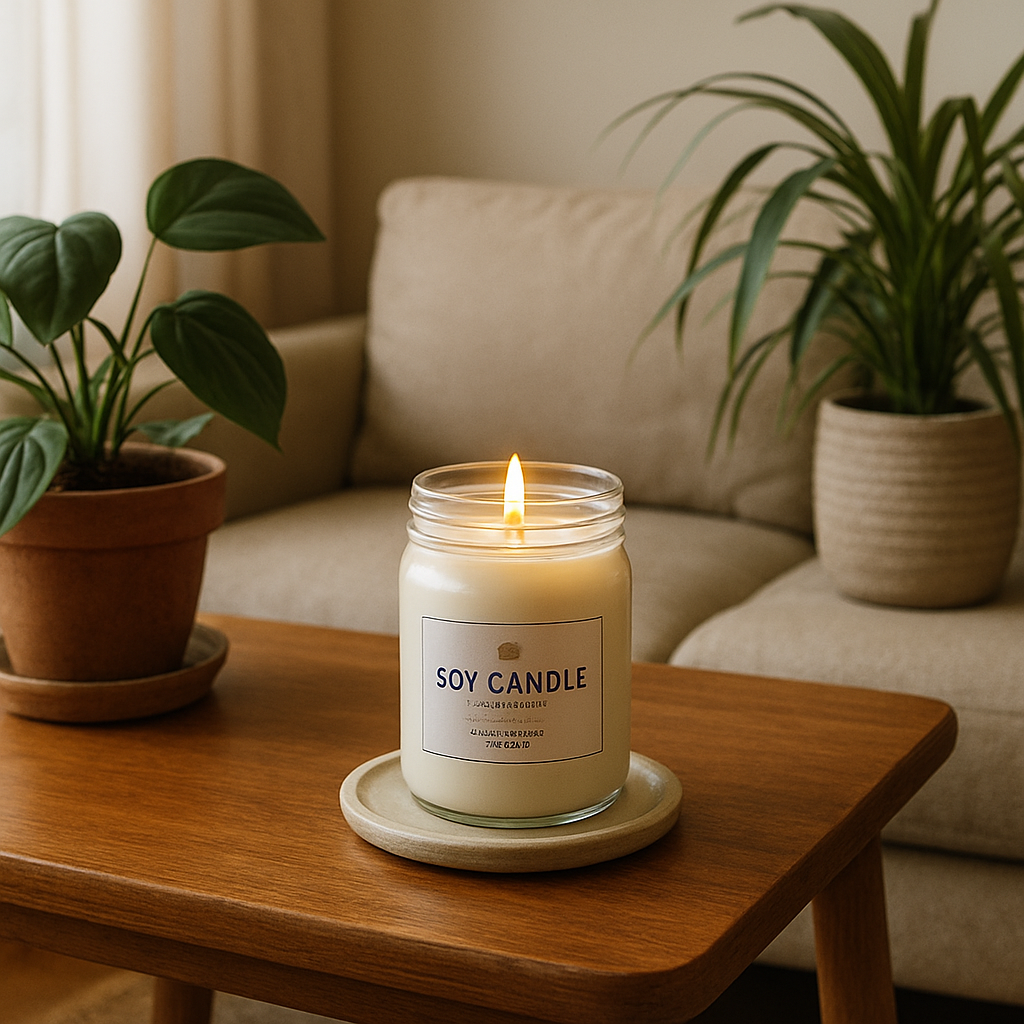
Direct sunlight can heat the wax, but it also causes the scent to fade faster. Position your candle on a shaded shelf or a window seat that gets a soft glow, not the full glare.
Placement is personal.
Find a spot that feels steady—away from moving air, but not too far from a heat source. A small table with a soft cushion can absorb vibrations, and a heat‑resistant coaster keeps the wax from sticking to the surface.
Quick checklist to keep the flame steady.
- Check room temp every 4‑hour interval.
- Use a draft blocker next to windows.
- Keep candle off direct sunlight.
- Place on a heat‑resistant surface.
- Trim wick before every relight.
- Rotate the candle if it burns unevenly.
- Test for moisture by touching the wax edge.
Why the details add up.
Each small tweak—like a 5‑minute draft blocker or a 2‑inch buffer from a heater—cuts the flame’s appetite. Think of the candle as a conversation; a sudden gust is a heck‑of‑a pause. By smoothing the environment, you let the wax and wick chat calmly, which means the burn time stretches and the scent stays richer longer.
Put it into action.
So, next time you light up a soy candle, pause. Feel the room’s vibe, spot any drafts, and then light. Watch the first 15 minutes; if the flame stays steady, you’ve set the right conditions. If it starts to sputter, move it closer to a stable spot or add a little heat‑resistant coaster. Keep those tweaks simple, and you’ll enjoy a longer, cleaner glow.
Remember, the goal isn’t to keep the flame on forever—it’s to enjoy a steady, fragrant glow that lasts as long as your evening deserves right here.
Step 5: Comparing Soy Candle Brands and Wicks: A Data Table
We’ve talked about size, shape, and how a draft can make your candle do a 180. Now let’s cut through the chatter and look at the real decision‑makers: the brand and the wick. Below is a quick snapshot to help you compare what’s out there and what fits your vibe.
| Brand & Candle | Typical Wick | Estimated Burn Time (9oz) | Key Note |
|---|---|---|---|
| 9oz Coco Luxe – Tiger Eye | Wooden (crackling) | ≈48 hrs | Silky coconut‑apricot wax; great scent throw |
| Rocks Candle – Autumn Reserve | Wooden (crackling) | ≈50 hrs | 100 % soy; hand‑poured; perfect for a long night |
| Traditional Soy (generic) | Standard cotton | ≈45 hrs | Varies by wax purity; no crackle |
So, what does that table mean for you? If you’re in the mood for a little jazz‑up, the wooden wicks from Evolve Botanica’s lines give you that cozy crackle while keeping the flame steady. It’s a tiny design tweak that can extend burn time by a few hours because the flame draws wax more evenly.
When you pick a brand, check the wick size against the jar diameter. A 9oz jar usually sits around 3 inches tall, so a 0.5‑inch‑wide wick is a sweet spot. A too‑thick wick will “tunnel,” leaving a hollow center that wastes wax, while a thin wick can sputter and scorch the wax surface.
Remember, the same candle can behave differently in a drafty hallway versus a tucked‑away shelf. That’s why the table lists the burn time estimate for a controlled environment. In practice, a 48‑hour candle might drop to 40 hrs if it’s nudged by a fan or a warm radiator.
Now that you have a quick cheat sheet, you can test a few brands in your own space. Light a 9oz Coco Luxe for a weekend, note the first 12‑hour melt, then switch to the Rocks Candle and see how the crackle affects the wax pool. Your personal data will finish the picture and make the next purchase feel like a science experiment you enjoy.
By the end of this section, you’ll have a clear view of which combination of brand, wick, and environment is most likely to give you that long, steady glow you’re after. And if you need a little extra help, swing by Evolve Botanica next Saturday at Etowah Mills—we’ll be happy to show you the candles in person and help you choose the one that fits your nights best.
Step 6: Troubleshooting Common Burn Issues
Hey, remember that time you lit your favorite soy candle and it started sputtering? We’ve all been there. It’s not a mystery—most burn hiccups are just a sign the flame isn’t getting the right mix of heat and wax.
Here’s the low‑down on the most common issues and how to fix them, so your candle stays steady and your evenings stay cozy.
1. Too Much Smoke or Soot
When the flame looks like it’s throwing a tiny cloud every time you breathe, the wick is usually too big for the jar. If you see a thick stream of smoke, it’s a cue to trim the wick down to ¼ inch. That small cut keeps the flame from over‑eating the wax and keeps the scent from burning off.
Need a quick visual? CandleScience’s troubleshooting guide has a helpful guide that walks you through wick sizing and trimming tips.
2. Tunneling
Ever notice a little hole in the center while the sides stay solid? Classic tunneling. It means the wick is pulling more wax than the heat can melt. Try stepping up to a slightly larger wick or burn the candle for a full hour per inch of jar diameter before trimming. That gives the flame enough time to create a full melt pool.
3. Cracked or Rough Top After Burning
Those rough, uneven tops are actually soy’s natural “crystal” texture. They don’t hurt performance, but if you’re not a fan of the look, you can smooth them out with a heat gun or simply pour a thin layer (about 1/8") of melted wax over the surface after the candle cools.
4. Wet Spots and Pull‑Away
Wet spots happen when the wax cools too quickly on the sides. They cool too fast on the sides, so the wax takes longer to soften, and the flame gets away. Pre‑heat the jar to about 100 °F before pouring, or tap the jar gently right after filling to release trapped air. If you already have a pull‑away, you can use a heat gun to melt the surface and let the wax set evenly.
5. Fragrance Leaching (Bleeding)
Seeing liquid on the top or a strong scent that fades fast means the fragrance didn’t bind well. Keep the wax at 185–200 °F when you add fragrance. Stir gently for a few minutes, then pour. If you still see bleed, reduce the fragrance load to under 10% of the wax weight.
Quick Troubleshooting Checklist
Before you light:
- Check wick size—does it match the jar?
- Trim to ¼ inch.
- Ensure jar is pre‑heated and free of air bubbles.
- Measure temperature of wax; aim for 185‑200 °F before adding fragrance.
During the burn:
- Watch for smoke or a high flame.
- Let the candle burn at least an hour per inch of diameter before trimming.
- Keep the candle away from drafts and direct heat sources.
So, what’s the takeaway? A little prep and a quick trim go a long way. If your candle still misbehaves, try a different wick size or a lower fragrance load. And remember, every batch of soy wax behaves a bit differently, so treat each jar like a new experiment.
With these fixes, you’ll turn those annoying burn problems into predictable, long‑lasting glow‑times—just what you want when you’re setting the mood for a chill night.
Conclusion
We’ve walked through the science of melt, the dance of wick and wax, and the quirks that keep a soy candle from doing its best.
So, what’s the real answer to how long do soy candles burn? It’s not a one‑size‑fits‑all number; it’s the sum of a few simple habits.
First, keep the wick trimmed to a quarter‑inch each time you light it.
A tidy wick pulls a steady melt pool and pushes your burn time up by a full hour or more per trim.
Second, let the candle run for at least an hour per inch of diameter before you trim again.
That gives the wax enough time to spread evenly and prevents tunneling.
Third, pick the right environment: a draft‑free spot, a steady room temperature, and a flat surface will shave off the extra seconds that a breeze can steal.
Now, imagine a cozy night at home, the glow steady, the scent lingering.
That’s what you get when you follow these tiny rituals—your candle lasts the hours you need to relax or entertain.
So, the takeaway? Treat each soy candle like a tiny experiment: trim, time, and watch.
The result is a longer, cleaner, and more reliable burn that truly answers the question: how long do soy candles burn?
FAQ
How long do soy candles actually burn if I follow best practices?
If you’re wondering how long a soy candle actually lasts, the answer depends on a few simple habits. First, keep the wick trimmed to a quarter‑inch every time you light it. Second, let the candle burn for at least an hour per inch of diameter before trimming again. Finally, choose a draft‑free spot. When you follow these steps, a 9‑ounce candle will glow for roughly 40–50 hours.
What can I do to prevent tunneling in my soy candle?
Start by trimming the wick to a quarter‑inch before each lighting. Then let it burn long enough for the wax to melt all the way around the jar—roughly an hour for every inch of diameter. If you notice a hole forming in the middle, try using a slightly larger wick or add a small heat‑resistant coaster to help distribute the heat evenly.
How can I keep a soy candle from burning too fast in a cool room?
The key is patience and the right temperature. In colder rooms the wax hardens slower, so the flame stays small and the burn rate drops. Keep the candle on a flat, heat‑resistant surface, avoid drafts, and if you need to move it, let it cool to room temperature first to prevent uneven melting.
Can I use a wooden wick in a small soy candle and still get a long burn time?
Yes, wooden wicks can work well in small jars, but they need the right size. A wick that’s too thick will torch the wax, while a thin one won’t draw enough melt. For a 3‑ounce jar, a 1‑millimeter wick usually balances heat and fuel, giving about 12–15 hours of steady light.
If I want to use a soy candle for a special holiday event, what burn time should I plan for?
Think of the event length and your lighting routine. A 9‑ounce candle burns 40–50 hours, so you can light it for several days. If you’re only using it for a single evening, a 6‑ounce jar will give you 25–30 hours, enough to set the mood without worrying about re‑lighting.
Do I need a special container for my soy candle to maximize burn time?
Not necessarily. A glass jar with a wide mouth is ideal because it allows the flame to reach more wax, but the material matters less than keeping the container clean and the wax level above the wick. Avoid containers that leach chemicals; stick to glass or ceramic that’s food‑grade.
0 comments