
Picture this: you’re winding down with a warm candle, the room smells like vanilla and lavender, and suddenly your favorite throw rug turns into a glossy, stubborn stain. It feels almost like a tiny black scar that won’t fade, no matter how many vacuum cycles you try.
Does that feel oddly familiar? Most of us have that moment – the little patch of wax that looks like it’s taken a permanent residency on our floor.
What if I told you you can actually melt that wax away without pulling a rug from the house or buying a pricey cleaning service? It’s surprisingly simple once you know the trick.
Take Lily, a mom of two. After a Christmas tree candle dripped onto her new Persian rug, she feared a permanent blemish. Instead she grabbed a paper towel, a plastic spoon, and a heat source she found in the kitchen drawer, and the wax was gone in minutes.
If you’re curious about the exact steps, we’ve already broken it down in our step‑by‑step guide on removing candle wax from fabric. That article walks you through the heat‑management technique and the final polish to keep your rug looking fresh.
Here’s a quick checklist: 1. Let the wax cool enough you can touch it without burning. 2. Gently scrape off excess with a dull edge. 3. Place a paper bag over the spot, then run a warm iron over it. 4. The wax will melt into the bag, leaving no residue. 5. Finish with a mild carpet cleaner to lift any lingering scent.
Cleaning at home can be a small act of self‑care, just like your nightly skin routine. If you’re interested in gentle, natural skincare, check out Sade Skin – they share the same focus on natural ingredients and a calm, mindful approach.
Now you’re equipped to turn a wax mishap into a quick fix. Grab a paper towel, a plastic spoon, and your favorite heat source — and if you’re still unsure, our guide is just a click away. Your rug will thank you, and your home will feel even more cozy.
TL;DR
In just a few minutes you’ll learn how to clean candle wax from carpet without a pricey service—using a paper towel, spoon, and heat, plus a gentle carpet cleaner to finish. This quick, step‑by‑step method turns a sticky mishap into a spotless floor, saving time and keeping your home cozy.
Step 1: Gather Supplies
Before you even touch that stubborn patch, let’s pause for a moment and think about what we’re actually dealing with. Candle wax is just melted paraffin or beeswax that has set hard on your fibers. The trick? Treat it like a gentle heat‑sensitive problem that you can fix with everyday kitchen gear. For a deeper dive, see our full step‑by‑step guide.
Grab a few basics that are usually lying around: a paper towel or two, a dull‑edge tool (think a butter knife or a plastic spoon), a heat source you’re comfortable with (an iron, a hair dryer, or even a hot water bottle), and a small bowl of warm water for the final rinse. If you’re looking for a gentle, chemical‑free cleaner, keep a bottle of plain vinegar or baking soda solution handy. For skin‑friendly home care, visit Sade Skin’s natural treatments.
We’re not talking about a fancy lab kit, just the things you’ve probably seen on a kitchen counter or a cluttered living‑room. Think of the paper towel like a soft sponge that can absorb the melted wax once it’s been heated just enough to melt but not so hot that you scorch the fibers. The spoon or knife is your gentle scraper—no sharp edges, just enough to lift the excess.
Here’s a quick checklist to keep in mind: 1) Paper towel, 2) Dull edge tool, 3) Heat source, 4) Warm water bowl.
Let’s take a short break and watch a quick demo that walks through the heat‑and‑towel method.
Now that you have your toolkit ready, it’s time to face the wax. First, give the wax a couple of minutes to cool so you don’t burn yourself. If you’re using an iron, set it on a low setting—just enough to warm the paper towel without melting the rug fibers. For more natural solutions, see natural remedies suggestions.
Once the wax is soft, press the paper towel over it and let the heat do the lifting. The wax will melt into the towel, leaving your carpet looking as good as new. If the towel sticks, blot a little damp cloth over it to release the wax and then lift again.
After you’ve extracted most of the wax, dip your spoon or knife into the warm water bowl and gently wipe the remaining residue. This final rinse not only cleans but also neutralizes any lingering scent from the candle, keeping the room fresh.
If you’re feeling extra thorough, consider a quick spot‑clean with a mild, natural carpet cleaner. A dash of vinegar diluted in water works wonders—just a few drops and a microfiber cloth will do the trick.
Finally, let the carpet dry completely. If you want to speed things up, a fan or a small portable heater works nicely, but avoid blowing hot air directly onto the freshly cleaned area to prevent re‑setting the wax.
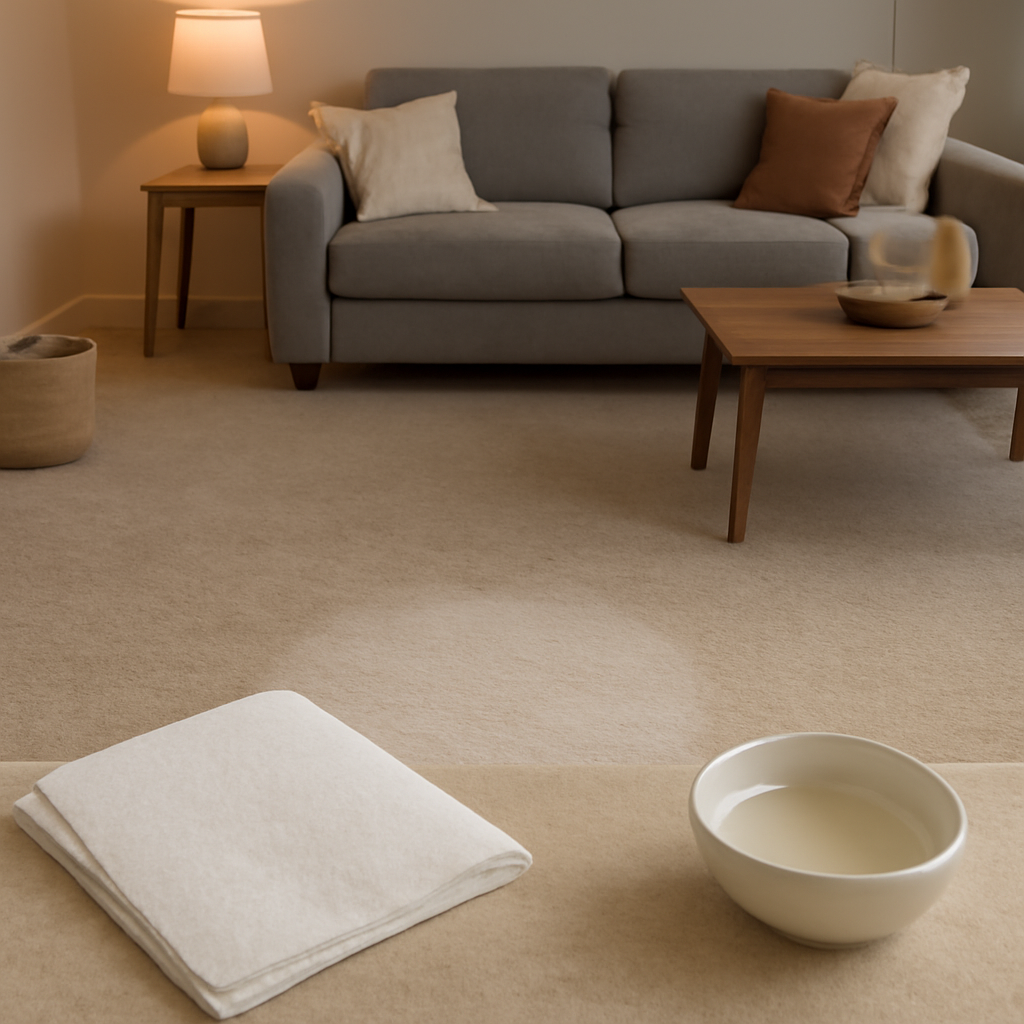
Step 2: Remove Excess Wax with a Scraper
Okay, the wax has cooled enough that you can touch it without burning your fingers. Now it’s time for the quick‑fire move: scrape off the bulk of that stubborn blob.
What You’ll Need
Just a dull edge—think a plastic spoon, a credit‑card, or an old butter knife. Anything that won’t cut into the fibers works great. You’ll also want a clean paper towel or a thin white cotton cloth to blot up what melts.
And don’t forget a small bag or a freezer‑bag piece. That’s your wax trap, the place the melted bits will slide into when the heat does its job.
How to Do It
Hold the scraper at a 45‑degree angle and gently lift the edge of the hardened wax. Don’t force it; let the plastic glide over the surface. You’re aiming to lift chunks, not pull the fibers deeper.
Every few pulls, you’ll feel the wax loosen and break up. If a chunk is stubborn, give it a light tap with the back of the scraper—this loosens the grip without digging.
Once you’ve removed as much as you can, place the paper towel over the spot. Then slide the bag over the towel so the melted wax falls right into the plastic. You’ll see the wax drip and stay trapped. This step prevents a sticky residue from spreading.
Now, a quick question: are you seeing any tiny droplets left behind? If so, don’t panic—just repeat the scraper and bag trick. A few extra passes usually clear the last flecks.
What if the wax is melting in a darker area? The trick is still the same, but you might want a darker cloth to better see the remaining wax. This helps you spot any missed spots.
Once the bulk is gone, use the damp paper towel to wipe the area. This pulls any tiny wax particles that slipped through. Pat gently; you’re not trying to scrub hard, just lift.
Now let’s bring in the heat. Place the iron on a low setting and set a clean cloth over the area. Run the iron over the cloth for 10–15 seconds. The wax will melt and transfer to the cloth.
Do you notice a shiny spot? That’s the wax re‑solidifying on the cloth. Don’t worry—just wipe the cloth in a clean direction and the wax will slide away.
If the wax is still stubborn, a quick dab of rubbing alcohol on a cotton ball can dissolve it. Test a tiny corner first to ensure it won’t discolor the rug.
Finally, give the area a quick fluff. Tap the rug with your palm or a rubber mallet. This lifts any fibers that were compressed by the wax. Your rug should look almost like new.
Now that you’ve watched the demo, the next step is simple: apply a mild carpet cleaner. Mix a teaspoon of dish soap with a cup of warm water and blot the spot. This removes any oily film left behind.
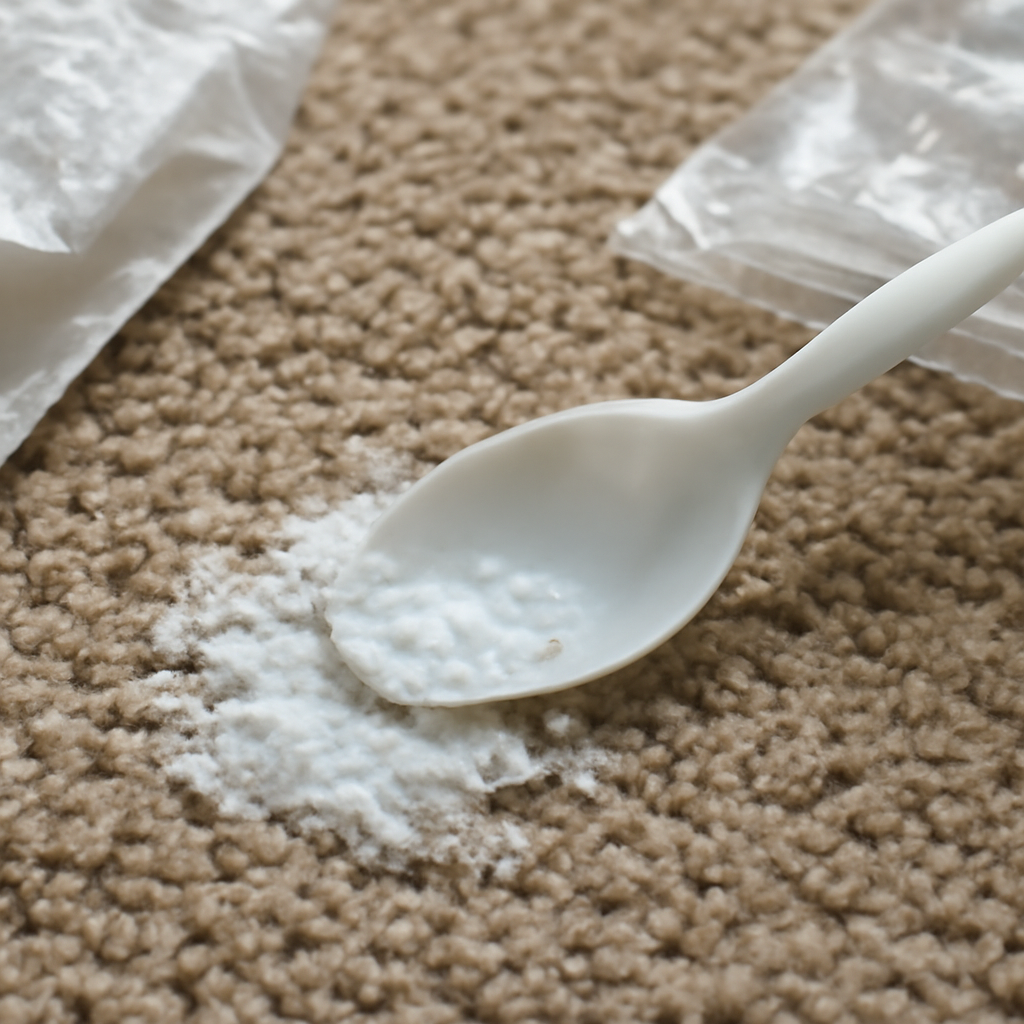
Remember: the goal is to lift the wax without damaging the fibers. Treat the rug gently, keep the heat low, and the result will be a spot‑free area that looks fresh.
Want a deeper dive into wax types? Check out the best methods for removing wax from a rug guide for more advanced tips.
That’s it—scrape, trap, heat, and blot. You’ve just learned how to clean candle wax from carpet like a pro.
Step 3: Use Ice or Freezer Technique (Comparison)
After you’ve scraped off the bulk of the wax, the next choice feels like picking a superhero for the job: the cold warrior or the hot champion. Both have their moments, but picking the right one saves you time and keeps the fibers happy.
Ice Cube Method – The Chill Tactic
Think of ice cubes as a quick freeze that turns softened wax into brittle shards. Place a few cubes on top of the spill or slide a frozen bag of peas over the spot. Let it sit until the wax snaps apart, then scrape gently. No heat means no risk of scorching, making it perfect for delicate rugs or when you’re in a rush.
Iron Method – The Warm Savior
Here you’re using a household iron on a low setting, wrapped in a clean cloth. The gentle heat melts the wax, and a paper towel or brown paper bag pulls the goo straight into it. It works best on larger spills and when you want to get more wax out quickly, but you do need to keep the temperature low to avoid melting fibers.
Quick Comparison
| Feature | Ice Cube | Iron | When to Pick It |
|---|---|---|---|
| Heat Use | No heat – just cold | Low heat | Use cold if fibers are delicate or you’re worried about scarring |
| Speed | Medium – wait for cubes to melt | Fast – wax melts in seconds | Choose iron for larger, stubborn spills |
| Risk of Damage | Low – no risk of heat burn | Moderate – need to monitor temperature | Opt for ice on wool or old rugs, iron on synthetic or thick rugs |
So, what should you do next? First, gauge the rug’s fiber type. Wool? Go ice. Synthetic? Iron can be safe if you keep the iron at a low heat and use a cloth barrier.
In our experience at Evolve Botanica, we’ve seen people use a small iron to melt candle wax from the luxurious, beeswax‑infused candles we hand‑craft. The heat works wonders, but the key is a light touch—no more than five seconds per pass. We’ve also seen folks keep a spare bag of ice cubes in their kitchen drawer just in case a candle tip slips on a carpeted floor.
Here’s a quick checklist:
- Choose your method based on fiber.
- For ice: apply cubes, wait 2–3 minutes, scrape.
- For iron: place cloth over spot, run iron 10–15 s, blot with towel.
- Afterward, rinse lightly with a mild cleaner if a faint residue stays.
Have trouble? If the wax still feels stubborn, try a second pass. With ice, add another cube or two; with iron, lower the heat slightly and repeat. Remember, a gentle approach is better than a frantic one.
Need a deeper dive into the science behind wax removal? You can read more about the ice‑vs‑heat comparison here: this comparison from Alibaba. And if you’re curious about how the cold technique works on a micro‑level, check the same source again for the step‑by‑step details.
Bottom line: the ice cube trick is your safety net for fragile rugs; the iron method is the power move for larger stains. Pick the one that matches your rug’s personality and the spill’s stubbornness, and you’ll have a clean spot in no time.
Step 4: Blot with Paper Towels and Hot Water
Now that the wax has softened, it’s time to lift the leftovers with a quick blotting session. Think of it like giving a damp sponge a gentle squeeze to soak up any last droplets. You’re basically turning the carpet into a sponge for the lingering wax.
Grab a clean paper towel or a thin white cotton cloth—you’ll need something that can soak up moisture without leaving lint. Lay it flat over the spot, then press down lightly. The heat from the towel will pull the melted wax back into the cloth.
Here’s the trick: instead of just a plain towel, use a paper towel that’s been dampened with hot water. The warmth encourages the wax to re‑melt just enough to flow into the towel. Keep the temperature moderate—no scalding, just a comforting boil‑like heat that won’t damage the fibers.
Press in a circular motion, about 4–5 inches around the center of the stain. This keeps the wax from spreading and ensures you’re catching every last bead. If you notice any stubborn spots, lift the towel and re‑apply a fresh damp spot—repeat until the towel comes away clean.
Here’s a little insider tip: in our experience at Evolve Botanica Co, we’ve seen that using a slightly warm (not hot) water spray before blotting speeds up the process. A light mist keeps the fibers from drying out and makes the wax lift easier. Just be sure the water isn’t dripping into the padding.
After the towel is clean, flip it over and repeat the blotting on the new side. This double‑blot method works like a vacuum, pulling the wax out from deeper layers. If you’re still seeing a faint sheen, it’s probably just residual oil. A quick swipe with a mild carpet cleaner—think a gentle soap mix—will finish the job.
Remember: the goal is to keep the fibers intact and avoid any heat damage. If you’re working on a delicate rug, keep the water temperature low and blot gently. On sturdier, synthetic rugs, a slightly hotter tap can help dissolve the wax faster.
Do you want a quick checklist to keep on hand? 1. Dampen a paper towel with hot water. 2. Press in circular motions. 3. Flip and repeat. 4. Finish with a mild cleaner if needed. That’s the whole routine—simple, effective, and safe.
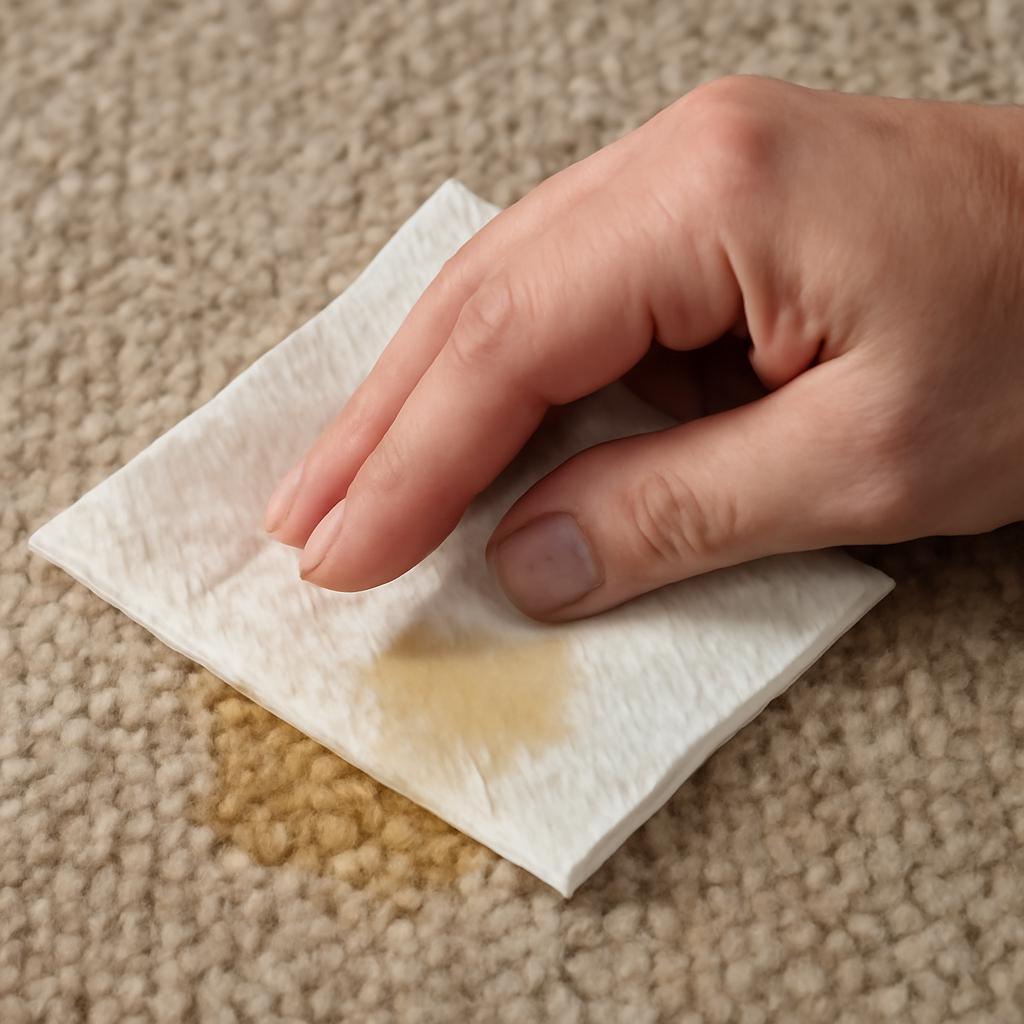
So, after you’ve wiped it clean, let the carpet dry naturally. If you’re in a hurry, a fan or a small space heater on low can help speed the drying. Once dry, give the area a quick fluff by tapping it with your fingers to lift the pile back up. Your carpet should look almost brand‑new, ready for the next cozy night.
And if the stain persists, a gentle vacuum will seal the finish.
Step 5: Vacuum and Clean with Carpet Shampoo (Video)
Now that the wax is mostly gone, it’s time to give the fibers a gentle lift. Think of it as a quick spa day for your rug.
First, grab a vacuum with a hard‑floor or carpet setting. Don’t use a stick‑vac with a long wand—your carpet’s pile needs a close‑contact head to pick up any residual crumbs.
Start by vacuuming in one direction, then switch to the perpendicular. The two‑pass technique pulls out trapped wax particles and any dust that’s been smudged into the fibers.
Does that sound easy? It is, but you’ll notice a subtle change: the pile looks less flat and feels fluffier. That’s the vacuum doing its magic.
Next up, a light carpet shampoo. Mix a mild, pH‑balanced cleaner—just a drop of dish soap in a cup of warm water works great. In our experience at Evolve Botanica Co, this simple blend lifts lingering oil without staining.
Use a soft microfiber towel, dip it into the solution, and dab the spot in gentle circles. Don’t oversaturate; a damp pad is enough to lift, not soak.
After a minute or two, rinse the area with a clean, slightly damp cloth. Flip the towel over so you’re using the clean side, and blot to remove excess moisture.
Why is this step crucial? Even a small wax film can hold onto dust, turning your rug into a magnet. A quick shampoo removes that film, restoring the carpet’s breathability.
Once the area feels dry, give it a final fluff. Run your fingertips over the pile or tap the floor lightly. This realigns the fibers, making the spot almost invisible.
Need a quick checklist to keep handy? 1. Vacuum in two directions. 2. Mix mild soap with warm water. 3. Dab gently with a microfiber cloth. 4. Rinse with a damp cloth. 5. Fluff the fibers. 6. Let it dry.
Remember, the goal is to keep the rug looking fresh without over‑washing. Too much water can shrink or warp certain fibers. A light touch is the way to go.
For more detailed guidance on wax removal, see Real Simple’s step‑by‑step guide. It dives deeper into techniques that work for all carpet types.
Now you’re ready to enjoy that cozy spot without a lingering wax scar. The rug looks refreshed, and the room feels just a bit warmer. Happy cleaning!
One final pro tip: if the rug has a delicate pile, avoid using a wet mop—just stick to the cloth. Also, test your cleaner on an inconspicuous spot first; patch test ensures the color won’t shift. After drying, you might add a dab of essential oil to give the fibers a fresh scent—lavender or lemon will match your candle aromas.
Step 6: Prevention Tips and Final Checks
Alright, you’ve wrestled the wax out, vacuumed the crumbs, and gave the pile a gentle fluff. Now it’s time for the final polish that keeps your rug looking fresh for weeks.
First, give the carpet a quick visual sweep. Spot any remaining light sheen or darker spots that might be hiding. A small handheld mirror can reveal those subtle stains that your eyes missed at first glance. If you find one, repeat the heat‑and‑paper trick on just that spot; no need to redo the whole area.
Next up: a light, moisture‑controlled wipe. Mix one teaspoon of gentle dish soap with a cup of warm water—no more, no less. Dip a clean microfiber cloth, wring it out so it’s damp, not soaking, and blot the area in gentle circles. This step lifts any residual wax oils that might cling to the fibers.
Once you finish blotting, grab a fresh cloth dampened with plain water and wipe again to remove the soap residue. Let the area air‑dry or use a fan to speed the process. Avoid pulling on the fibers as the carpet dries; that can distort the pile.
Now, let’s talk prevention. A wax stain is just the tip of the iceberg. The real danger is the heat you used. If you’ve ever left a hot iron or hair dryer on a carpet for too long, you’ll know how quickly it can scorch fibers or discolor them. Keep the heat source low and short—ideally no more than 15 seconds per pass. When you’re done, check the temperature of the iron by touching it lightly; if it’s still hot, give it a minute before you touch the rug again.
For future spills, keep a small container of parchment paper or a paper towel in a drawer or bag. The next time a candle tip drips, slide the paper over the spot and run a warm iron over it. The paper traps the melt and keeps the carpet protected. You can even pre‑label the container “Wax Rescue” and stash it next to the candle collection for quick access.
Consider investing in a small, inexpensive rug protector or a quick‑dry rug spray. A spray that contains a mild silicone-based coating can create a barrier that repels wax and other spills, reducing the cleaning effort later on.
Finally, remember that a clean carpet isn’t just about appearance—it’s also a matter of indoor air quality. Residual wax oils can trap dust and allergens. A quick vacuum after each cleaning session keeps those particles from building up.
So, what’s the take‑away? After you remove wax, do a gentle soap wash, rinse, dry, and check for any last sheen. Keep heat low and brief, store a paper rescue kit nearby, and consider a protective spray for added peace of mind. By following these steps, you’ll keep your rug looking like brand new and your home smelling fresh, just like the candles you love to burn.
FAQ
Q: How long does it take to clean a candle wax stain from carpet?
A: Typically, the whole process takes about 5 to 10 minutes. First, let the wax cool so you can scrape it safely – that’s usually 1–2 minutes. Then apply a low‑heat iron for 10–15 seconds per pass and blot with a paper towel. Finally, a quick rinse with a mild cleaner and a light vacuum finishes the job.
Q: Can I use a hair dryer instead of an iron?
A: Absolutely. A hair dryer on a low setting can melt the wax, but it will take longer—maybe 30–45 seconds for each pass. Keep the dryer moving to avoid hot spots that could scorch delicate fibers. After the wax melts, follow the same blotting and cleaning steps.
Q: Is this method safe for wool or delicate rugs?
A: Wool and vintage rugs need extra caution. First, test a small hidden area with a cool iron or a dry ice cube to make sure the heat won’t scorch the fibers. If you prefer to avoid heat, the ice‑cube technique is a gentle alternative that hardens the wax, letting you scrape it away without temperature risk.
Q: What if the wax has hardened into a thick crust that won’t melt easily?
A: When the wax turns into a hard crust, the ice‑cube method works wonders. Place a few ice cubes or a frozen bag of peas over the spot, wait 10–15 minutes until the wax snaps, then scrape off the shards. If the crust is stubborn, repeat the ice and scrape cycle a couple of times.
Q: Will the wax leave a greasy residue that attracts dust?
A: Yes, melted wax can leave a thin oily film that attracts dust over time. To counter that, apply a small amount of mild carpet cleaner or a diluted vinegar solution, blot gently, and then vacuum. The cleaner lifts the oil, keeping the fibers airy and less sticky.
Q: Are there any household items I can use instead of commercial cleaners?
A: You can mix one teaspoon of dish soap with a cup of warm water and blot the area with a soft cloth. For stubborn stains, a dab of rubbing alcohol on a cotton ball works well; just test a hidden corner first to ensure it won’t affect the color.
Q: Where can I find a detailed step‑by‑step guide to this process?
A: For a full, visual walkthrough, check out the Livingetc guide on how to clean candle wax from carpet. It covers tools, timing, and safety tips that align with what we share here.
Conclusion
You’ve tackled the wax, scrubbed the fibers, and breathed new life into your rug. But is that the end? A quick final sweep can seal the deal.
First, give the spot a gentle wipe with a clean, damp cloth—just enough to lift any last sheen. Then let it air‑dry; a fan helps speed things up.
After drying, fluff the pile by patting lightly with your palm. It restores the original bounce and hides any tiny lines where wax might have seeped.
Next, grab a microfiber towel and dab a touch of mild soap in warm water. A quick, light swipe removes any lingering oil without saturating the fibers.
Once the soap is rinsed off, pat dry with a dry cloth. The rug should feel light, airy, and—most importantly—look like it just stepped out of a boutique showroom.
Want to keep wax at bay long term? Store a small packet of parchment paper or a folded paper towel in a drawer. A quick swipe over a future drip traps the wax before it sticks.
And if you’re looking for a little extra sparkle, a dab of natural essential oil—lavender, lemon, or your own custom blend—can add scent and a subtle shine.
So, what’s the final takeaway? Clean the wax, rinse, dry, fluff, protect. You’ve got a clean carpet and a heart‑warmingly fresh home. Happy living!
0 comments