
Picture this: you’re halfway through a busy day, the to‑do list is a mile long, and a knot of worry settles right in the pit of your stomach.
That uneasy feeling? It’s the kind of anxiety that makes even a simple coffee break feel like climbing a mountain.
What if there was a tiny, portable solution you could swipe on and feel a gentle wave of calm, without reaching for a prescription bottle?
That’s exactly why we love the essential oil roll on for anxiety – a blend of soothing botanicals housed in a sleek roller bottle you can slip into any pocket.
In our shop, we’ve watched countless customers pop a roll‑on before a meeting, a flight, or even a noisy family gathering, and notice the tension melt away like butter on a warm pan.
Think about the classic combo of lavender and bergamot: lavender’s floral hug relaxes the nervous system, while bergamot adds a bright, citrusy lift that steadies racing thoughts.
And because the roll‑on is oil‑based, the scent lingers on your skin longer than a spray, giving you minutes of steady relief without the need to reapply every hour.
But you might wonder, “Does it actually work, or is it just a nice smell?”
Research on aromatherapy shows that inhaling certain essential oils can lower cortisol levels and trigger the brain’s parasympathetic response – the natural “rest‑and‑digest” mode.
So, when you glide the roll‑on onto your wrists, temples, or the back of your neck, you’re not just masking stress; you’re inviting your body to shift into a calmer state.
One of the best parts? The roll‑on is discreet. No one needs to know you’re using a wellness tool – it’s just a smooth glide of fragrance that feels like a secret ally.
If you’ve tried deep‑breathing or meditation and still feel that jittery edge, adding an essential oil roll on for anxiety to your routine can be the extra nudge your nervous system craves.
Ready to give it a try? Let’s explore how to choose the right blend, apply it effectively, and weave it into your daily moments of stress.
TL;DR
The essential oil roll on for anxiety delivers a calming boost by blending lavender’s soothing hug with bergamot’s bright lift, letting you glide stress away wherever you are.
Use it on wrists, temples, or neck before meetings, flights, or days, and let the oil‑based scent linger for relief without re‑application.
Step 1: Choose the Right Essential Oils
Okay, let’s talk about the heart of any good essential oil roll on for anxiety: the oils themselves. You’ve probably smelled lavender in a spa and thought, “That’s soothing,” but there’s a whole science to why some scents calm the nervous system while others just smell nice.
First up, think about what you want the blend to do. Do you need a deep, grounding vibe for those endless Zoom meetings? Or a light, uplifting lift for early‑morning jitters? Your goal will steer you toward certain botanicals.
Therapeutic properties matter
Lavender is the classic “relaxation” oil – it nudges the brain’s GABA receptors, which can lower cortisol. Bergamot, on the other hand, adds a citrusy brightness that steadies racing thoughts without the buzz of caffeine. If you’re looking for extra comfort, try a touch of Roman chamomile; it’s like a warm blanket for your nervous system.
And here’s a little secret many people miss: a pinch of frankincense can give the blend a subtle earthiness that helps you stay present. It’s not overpowering, but it adds depth, especially if you’re using the roll on in a stressful office environment.
Personal scent preference
Even if an oil is scientifically calming, you won’t stick with a roll on that smells “off” to you. Imagine trying to calm down with a scent you hate – the brain will just protest. So, take a moment to sniff a few oils straight from the bottle (or a test strip) and notice which one makes you sigh a little.
Do you gravitate toward floral, citrus, or woody notes? Your personal preference will dictate the final ratio. A 70/30 split of lavender to bergamot is a safe starter, but if you love the zing of orange, swap a bit of bergamot for sweet orange essential oil.
Skin sensitivity and dilution
Some folks get a little tingle with citrus oils, especially if they have sensitive skin. Always do a patch test: dab a tiny drop on the inside of your wrist, cover with a bandage, and wait 15 minutes. If no redness or itching appears, you’re good to go.
Remember, the roll‑on carrier – usually a light jojoba or fractionated coconut oil – not only helps the scent glide but also buffers any potential irritation. That’s why we love the carrier blends we use at Skincare – Evolve Botanica; they’re gentle enough for daily use.
Synergy is key
When you blend oils, you’re creating a mini‑orchestra. The goal is for the notes to support each other, not clash. A simple rule: pick one “lead” oil (like lavender) and two “support” oils (like bergamot and chamomile). Keep the total essential oil content to about 10‑12% of the total formula for a roll‑on that’s strong enough to work but safe for the skin.
Pro tip: after you mix, let the blend sit for a few hours. The molecules mingle, and the aroma becomes smoother – kind of like letting tea steep.
So, what’s the next step after you’ve settled on your oil combo? That’s where the roll‑on technique comes in, but before we get there, let’s talk about the bigger picture of wellness.
While essential oils can be a powerful ally, pairing them with a holistic approach amplifies the effect. For instance, XLR8well offers proactive health coaching that can help you identify stress triggers and build habits that support calm beyond the scent.
And don’t forget nutrition – a balanced diet can keep cortisol in check. If you’re curious about tracking how food influences your mood, check out FoodieCal’s smart AI food tracker guide. Knowing what you eat can make your roll‑on feel even more effective.
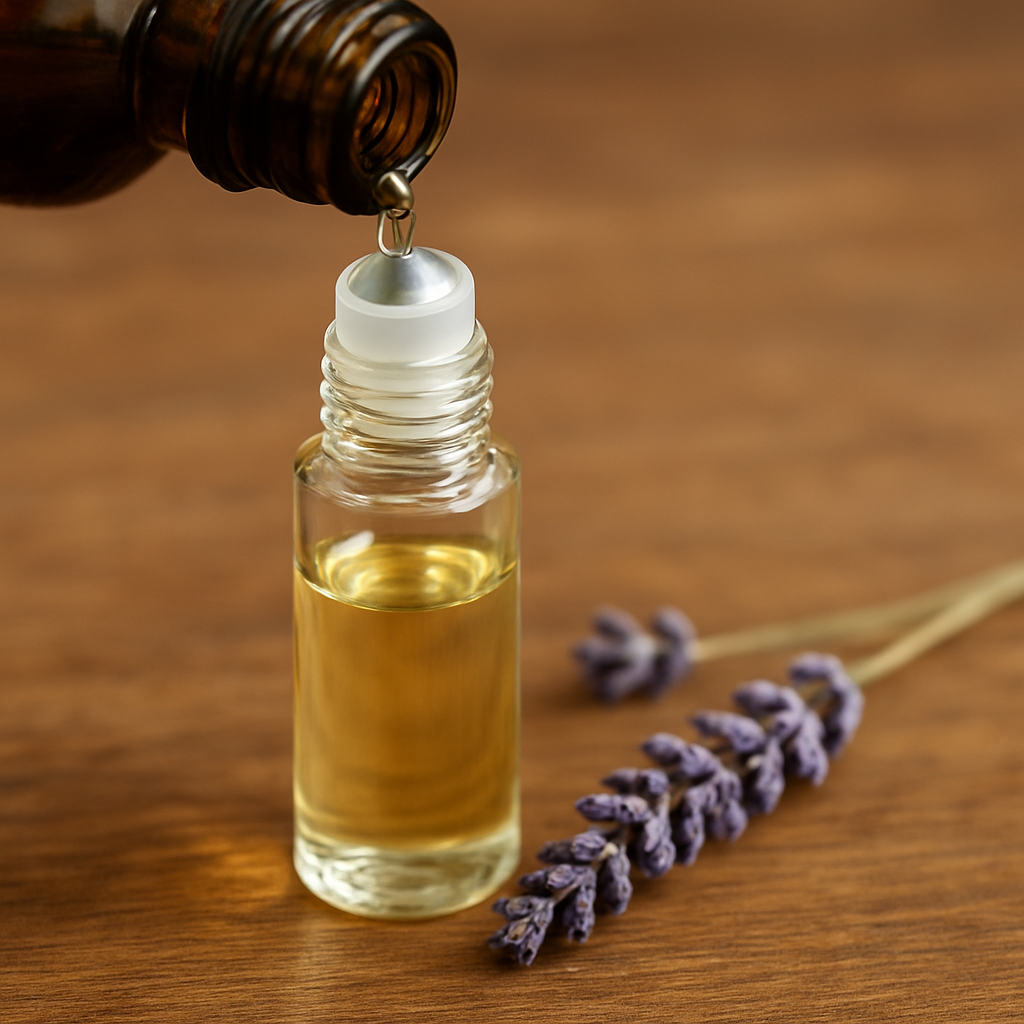
Ready to experiment? Grab a small glass roller bottle, add your carrier oil, then drop in your chosen essential oils. Give it a good swirl, and you’ve got a personalized essential oil roll on for anxiety.
Here’s a quick checklist to keep handy:
- Identify your calming goal (grounding vs. uplifting).
- Pick a lead oil and two supporting oils.
- Do a skin patch test.
- Use a therapeutic‑grade carrier.
- Let the blend rest before first use.
Give yourself a few minutes each day to roll the blend onto your wrists, temples, or the back of your neck. Feel the scent settle, take a deep breath, and notice the shift.
And if you’re visual‑learners, this short video walks you through the mixing process step‑by‑step.
Take a moment after the video to reflect on which oils feel right for you. Trust your nose and your gut – they’re smarter than you think.
Now that you’ve chosen the right oils, you’re set to create a roll‑on that feels like a personal calm‑coach in your pocket. Keep experimenting, stay curious, and remember that the best blend is the one that makes you feel genuinely at ease.
Step 2: Select Carrier Oils and Gather Supplies
Now that you’ve nailed the essential oil blend, the next puzzle piece is the carrier. Think of it as the quiet friend who lets the stars shine without stealing the spotlight.
Why does the carrier matter? Essential oils are super‑concentrated; on their own they can irritate skin or cause a sting. A good carrier dilutes the potency to a skin‑friendly level while adding its own skin‑loving benefits.
Choosing the right carrier oil
There’s no one‑size‑fits‑all, but three favorites keep showing up in our workshop:
- Fractionated Coconut Oil – stays liquid, lightweight, and has a mild scent that won’t clash with lavender or bergamot.
- Jojoba Oil – actually a liquid wax that mirrors your skin’s natural sebum, so it absorbs fast and feels non‑greasy.
- Sweet Almond Oil – a bit richer, perfect if you have dry skin and love a subtle nutty aroma.
If you’re wondering about the exact dilution, the Edens Garden dilution guide recommends 4‑10 % for roll‑ons aimed at anxiety relief. That translates to roughly 8‑20 drops of essential oil per 10 ml bottle, depending on how strong you want the scent.
Gathering your supplies
Here’s a quick checklist you can print or save to your phone:
| Item | Why it matters | Tip |
|---|---|---|
| 10 ml glass roller bottle | Keeps the blend airtight and looks sleek | Choose amber or cobalt to protect oils from light |
| Carrier oil (Coconut, Jojoba, or Sweet Almond) | Dilutes essential oils safely | Measure with a small syringe for precision |
| Essential oils (lavender, bergamot, optional sweet orange or peppermint) | Provides the calming aroma | Use GC‑MS‑tested oils for purity |
Don’t forget a tiny funnel or dropper, a label maker or stickers, and a small mixing bowl. A quick “paper test” (drop a bit on a white paper towel) helps you confirm the oils smell pure before you commit.
And if you’d rather skip the DIY math, our favorite ready‑made option is the Anxiety Ease roll‑on. It’s already diluted to 4 % in fractionated coconut oil, so you can pop it on your pulse points straight out of the box.
Got the supplies? Great. Let’s mix.
Start by adding your carrier to the bottle – about 8 ml for a 10 ml roller. Then count out your essential drops using the dilution ratio you chose. Give the bottle a gentle swirl; avoid shaking, which can introduce bubbles.
Before you seal the cap, do a quick patch test: dab a tiny dot on the inside of your forearm, wait 24 hours, and check for any redness. If all’s clear, you’re ready to label.
Labeling isn’t just about aesthetics; it’s a safety reminder. Write the blend name, date mixed, and the dilution percentage. A simple sticker does the trick.
Now you have a personalized essential oil roll on for anxiety, ready to slip into your bag, your nightstand, or that pocket‑sized travel kit you swear by.
Give it a try during a stressful meeting or right before bed. Notice how the scent lingers longer than a spray, and how the gentle glide of the roller feels like a mini‑massage. That’s the carrier doing its quiet work, delivering the calming oils right where you need them.
Remember, the best roll‑on is the one you feel comfortable using every day. Play with carriers, tweak the drop count, and soon you’ll have a signature blend that feels as personal as your favorite coffee order.
Step 3: Blend and Mix Your Roll-On Formula
Now that you’ve measured your carrier and picked the oils, it’s time to actually bring them together. Think of this step as the moment a chef folds herbs into butter – the magic happens when they finally meet.
Gather your tools
Grab a clean 10 ml glass roller bottle, a small funnel or dropper, and a tiny mixing bowl if you like. A glass bottle protects the delicate aromatics from light, and the funnel keeps every drop where it belongs.
Do you have a syringe? It’s a game‑changer for measuring carrier oil without a mess.
Pour the carrier first
Start by adding about 8 ml of your chosen carrier – fractionated coconut, jojoba, or sweet almond – into the bottle. Filling the carrier first gives the essential oils room to swirl without splashing.
Tip: If you’re using a syringe, pause at the 8 ml mark, then set the bottle upright to avoid air bubbles.
Drop in the essential oils
Now count your drops. A classic anxiety‑relief blend might look like this:
- 6 drops lavender
- 4 drops frankincense
- 4 drops bergamot
These ratios come straight from a trusted DIY aromatherapy roller blend for stress relief recipe that many of our customers have adapted.
Feel free to tweak – add a drop of peppermint for a quick mental boost, or swap bergamot for sweet orange if you prefer a softer vibe.
Mix without shaking
Replace the roller ball, seal the cap, and give the bottle a gentle swirl. You want the oils to mingle, not to create bubbles that could degrade the fragrance later.
And if you notice a few tiny bubbles, just let the bottle sit for a minute; they’ll rise and disappear on their own.
Patch test before you seal
Before you label and toss the bottle into your bag, do a quick patch test. Dab a tiny dot on the inside of your forearm, wait 24 hours, and look for any redness or itching.
It’s a small step that saves you from an uncomfortable surprise later on.
Label and store
Write the blend name, date, and dilution percentage on a sticker or a small tag. This simple habit keeps you organized, especially if you experiment with several formulas.
Store the roll‑on in a cool, dark cupboard. Light and heat can break down the volatile compounds, shortening the shelf life.
Quick sanity check
Does the scent feel balanced? If it leans too strong on lavender, add a drop of carrier. If it’s too subtle, a single extra drop of bergamot can brighten it up.
Remember, the goal isn’t perfection; it’s a blend that feels right to you in the moment.
Ready to roll
Give the roller ball a gentle press on your wrists, temples, or the back of your neck. The carrier oil will glide smoothly, delivering the calming aromatics right where your pulse is strongest.
That little rolling motion also doubles as a mini‑massage, cueing your nervous system to relax.
So go ahead, blend, swirl, and start carrying a pocket‑sized calm wherever you go.
If you travel, slip the bottle into a small zip‑lock bag and keep it upright – the carrier prevents leaks even if the cap loosens a bit.
And because the roller is oil‑based, you’ll notice the scent lingers for hours, unlike a spray that fades in minutes.
Step 4: Test, Store, and Use Your Roll-On
Alright, you’ve mixed your lavender‑bergamot blend, sealed the bottle, and slapped a sticker on it. Now the real fun begins: making sure that roll‑on actually works for you, keeping it fresh, and turning it into a habit you actually enjoy.
Quick sanity test before you trust the scent
First, give it a whiff straight from the bottle. Does it feel balanced, or does one note dominate? If lavender is shouting louder than you’d like, add a single drop of carrier oil and give it another swirl. If the aroma feels shy, a drop of bergamot can bring it forward. This “sniff‑and‑adjust” step is the easiest way to avoid a blend that’s too strong or too faint.
Next, do a tiny patch test. Dab a drop on the inside of your forearm, wait 24 hours, and watch for any redness or itching. Most people are fine, but a patch test saves you from an unwanted surprise during a meeting.
How to roll it right – the “feel‑good” routine
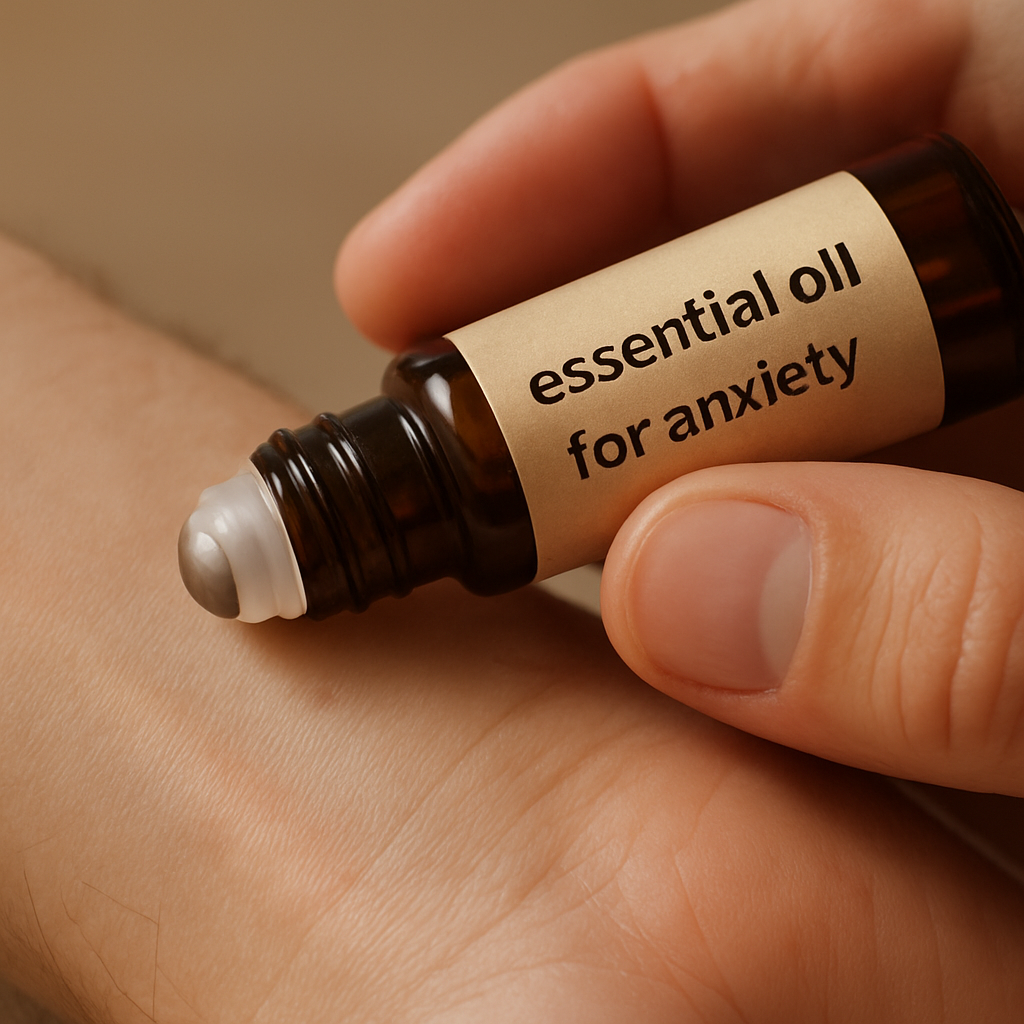
When you’re ready, press the roller ball onto pulse points: wrists, temples, the back of the neck, or even the soles of your feet if you’re feeling adventurous. The carrier oil helps the scent glide, while the gentle pressure gives a mini‑massage that signals your nervous system to relax.
Try this: close your eyes, take a slow inhale, roll the bottle, then exhale for three counts. You’ll notice the breath syncs with the scent, creating a tiny grounding ritual you can repeat before a presentation or a stressful commute.
And because the roll‑on is oil‑based, the fragrance lingers for hours. That means you won’t need to re‑apply every five minutes like a spray. A single swipe in the morning can carry you through a busy workday.
Storing your roll‑on for maximum shelf life
Light and heat are the enemy of essential oils. Keep your bottle in a cool, dark cupboard or a drawer that doesn’t see direct sunlight. An amber glass bottle, like the one you’re already using, already does a lot of the heavy lifting.
If you travel, slide the bottle into a zip‑lock bag and place it upright. The carrier oil prevents leaks even if the cap loosens a bit, so you won’t end up with a scented mess in your luggage.
For long‑term storage (over a few months), consider tucking the roll‑on inside a small cloth pouch with a silica packet. That extra moisture barrier helps preserve the volatile compounds, especially if you live in a humid climate.
When to toss and when to refresh
Most essential oil roll‑ons stay potent for 6‑12 months, but you’ll know when it’s time for a fresh batch. If the scent smells “off,” turns yellow, or you notice a decrease in the calming effect, it’s probably degrading.
Instead of dumping the old bottle, you can repurpose the carrier oil as a simple hand moisturizer – it’s still safe for the skin, just less aromatic. Then start a new blend using the same recipe, maybe swapping a drop of cedarwood for a deeper grounding note.
Real‑world tip from the community
One of our customers shared that she keeps a tiny roll‑on in the pocket of her yoga pants. Whenever a class gets intense, she rolls a dab onto her wrist and instantly feels steadier. It’s a low‑key reminder that the calm you need is already in your pocket.
If you want to see a similar product that’s already pre‑diluted, check out this spring‑mint roll‑on that blends peppermint, lime, and ginger for an uplifting lift. While it’s not designed specifically for anxiety, the bright citrus‑mint combo shows how a well‑balanced roll‑on can energize your mind without a crash read more about the formulation.
And remember, the goal isn’t a perfect laboratory experiment; it’s a scent that feels right to you in the moment. Keep tweaking, keep testing, and soon your essential oil roll on for anxiety will become a pocket‑sized confidence boost you can trust.
Step 5: Customize and Enhance Your Anxiety Relief
Pick a scent theme that feels like you
Maybe you love the calm of a forest walk, or the bright snap of a citrus orchard – whatever pulls you into a relaxed headspace is a great starting point. Instead of sticking to the vanilla lavender‑bergamot combo, try swapping a single drop of cedarwood for a grounding, woodsy note, or add a splash of sweet orange if you need a little sunshine on a gray morning.
Because essential oils are layered like a musical chord, you’ll notice the change immediately. A quick whiff on the wrist tells you if the new note is shouting or just humming in the background.
Tweak the drop ratio for a personalized potency
Our experience shows that a 3‑5% dilution (about 9‑15 drops of oil in a 10 ml bottle) works for most people, but you can dial it up or down depending on how strong you want the effect. The DIY perfume guide recommends a 3% dilution as a safe baseline, so start there and add one extra drop of your favorite top note if the scent feels shy.
Here’s a quick test: after you swirl the bottle, press the roller on the inside of your forearm and wait a minute. If the scent fades too fast, add another drop of the main calming oil (lavender or bergamot). If it feels overwhelming, dilute a bit more carrier oil. Small adjustments make a huge difference in how the roll‑on settles on your skin throughout the day.
Layer with complementary practices
Think of your roll‑on as the first brushstroke on a larger canvas of calm. Pair it with a simple breathing rhythm – inhale for four counts, hold for two, exhale for six – right after you apply the blend. That mini‑ritual signals your nervous system that it’s time to shift into “rest‑and‑digest.”
Another low‑effort trick is to keep a small scented cotton ball in your bag. When you’re stuck in a stressful meeting, a quick pinch of the cotton ball gives an extra aromatic boost without breaking the discreet vibe of the roll‑on.
Refresh and rotate scents seasonally
Just like you change up your wardrobe, swapping scents every few months keeps your brain from habituating. In the summer, a hint of peppermint or spearmint can add a cooling clarity. In winter, a dash of frankincense or a drop of clove brings warmth and grounding.
When you create a new batch, label it with the date and the theme – “Spring‑Fresh Peppermint” or “Cozy‑Evening Frankincense.” That way you can track which combos give you the biggest anxiety lift and which ones feel like a perfume you’d rather not wear.
Use science‑backed oils wisely
Remember that not every oil is created equal. Cleveland Clinic points out that lavender is gentle and widely studied for stress relief, while bergamot can make skin photosensitive, so avoid sun exposure right after you apply a bergamot‑heavy roll‑on.
When you add a new oil, do a quick patch test on the inner forearm and wait 24 hours. If there’s no redness, you’re good to go. This tiny safety step prevents an unexpected irritation that could ruin your calm moment.
So, what’s the next move? Grab your favorite carrier, experiment with one new top note, and give yourself a five‑minute “custom‑blend” window each weekend. Before you know it, you’ll have a pocket‑sized toolbox of anxiety‑relief roll‑ons that feel as personal as your favorite coffee order.
Conclusion
We've walked through everything from picking the right oils to testing, storing, and personalizing your blend. By now you should feel confident that an essential oil roll on for anxiety can be a pocket‑sized calm that fits right into your daily rhythm.
Remember the simple formula: choose a soothing base like lavender, add a lift with bergamot or peppermint, dilute in a carrier you trust, and always do that quick patch test. Those tiny steps keep the experience safe and effective.
So, what’s the next move? Grab a 10 ml roller, your favorite carrier, and spend five minutes this weekend mixing a fresh batch. Label it, slip it into your bag, and notice how a quick glide on your pulse points steadies your breath before that big meeting or flight.
And if you ever need a ready‑made option, our own handcrafted roll‑ons are designed to match the same principles we’ve shared – no guesswork, just calm.
Does the idea of a personalized scent still feel a bit fuzzy? Try the “one‑drop‑adjust” test we mentioned: a single extra drop of lavender or carrier can shift the whole vibe. Keep tweaking until it feels just right for you.
In short, the essential oil roll on for anxiety isn’t a gimmick; it’s a small ritual that trains your nervous system to hit the pause button when life gets loud. Give it a try, and let the scent become your secret ally.
FAQ
What essential oils are safest for an anxiety roll‑on?
Look for oils that have a long history of gentle skin contact and low irritation risk. Lavender (Lavandula angustifolia) and bergamot are top picks because studies show they calm the nervous system without a strong sensitizing effect. If you want a cool boost, add a single drop of peppermint or eucalyptus, but keep the total of any “activating” oils below 10 % of the blend. Always choose GC‑MS‑tested, therapeutic‑grade bottles.
What dilution should I use for a 10 ml roll‑on?
For most adults a 3‑5 % dilution works well, which translates to 9‑15 drops of essential oil in a 10 ml bottle. Start with 10 drops (about 4 %); fill the rest with a carrier like fractionated coconut or jojoba. If your skin is extra sensitive, drop the count to 6‑8 drops (around 2‑3 %). Mix, swirl, and do a quick patch test before you seal the cap.
Can I use the roll‑on while I’m pregnant or nursing?
Pregnancy changes how your skin reacts, so it’s safest to stick to mild, well‑studied oils. Lavender and sweet orange are generally considered safe in low dilutions. Avoid bergamot, rosemary, and clary sage because they can be photosensitive or hormonally active. Always check with your healthcare provider first, and do a 24‑hour patch test on a small area to be sure there’s no unexpected reaction.
How long does the scent stay effective on my skin?
Because the roll‑on is oil‑based, the aroma lingers for three to six hours, depending on the carrier and your skin’s natural oil level. Warm skin and active circulation can make the scent fade a bit faster, so re‑apply after a long meeting or a flight. If you notice the scent fading quickly, try adding a touch more carrier oil next time; that thickens the base without diluting the therapeutic effect.
Is it okay to apply the roll‑on on my face or near my eyes?
Stick to pulse points like wrists, temples, the back of the neck, and the inner forearm. The skin around the eyes is thin and more prone to irritation, especially with citrus oils. If you really want a facial mist, dilute the blend even further (1‑2 % total) and use a cotton pad instead of the roller ball. Always keep the bottle away from direct eye contact.
What should I do if I get a mild skin irritation?
First, stop using the roll‑on on the affected area. Wash the spot with a gentle cleanser and apply a thin layer of pure aloe or a fragrance‑free moisturizer to calm the skin. If redness persists after 24 hours, discard the batch and start a new one with a lower essential‑oil percentage or a different carrier. Keeping a small log of each blend helps you spot patterns.
Can I combine the roll‑on with other stress‑relief habits?
Absolutely. A quick roll‑on pairs nicely with a five‑minute breathing exercise: inhale through the nose, hold for three seconds, exhale slowly. You can also use it right before a short meditation or while you sip tea. The tactile motion of the roller ball acts like a mini‑massage, reinforcing the calming signal your brain receives from the scent.
0 comments