

Ever stood in the shower, feeling that annoying itch that just won’t quit?
I’ve been there – the dry, flaky feeling that makes you scratch like a kid at a summer concert. It’s frustrating, especially when you just want a quick, soothing rinse and get back to the day.
That’s why we keep reaching for oatmeal soap for itchy skin. The humble grain isn’t just breakfast material; it’s a natural skin soother packed with gentle exfoliation and soothing beta‑glucans.
In our experience at Evolve Botanica, the moment a customer tries a bar that blends oatmeal with goat milk and a touch of honey, the relief is almost immediate. The oatmeal’s colloidal particles create a soft, milky lather that slides over irritated patches without stripping natural oils.
But why does it work? Oatmeal contains avenanthramides, which are anti‑inflammatory compounds that calm redness and reduce the urge to scratch. Think of it like a tiny peace treaty between your skin and the environment.
And the best part? You don’t need a pharmacy prescription or a pricey cream. A simple, handcrafted bar can sit on your bathroom shelf and become your go‑to itch‑buster.
So, how do you choose the right oatmeal soap? Look for minimal additives – just oat, a gentle oil or butter, and maybe a soothing scent like lavender. Anything heavy on synthetic fragrances can actually irritate sensitive skin.
When you first lather up, let the foam sit for a few seconds. This gives the oat particles time to release their soothing compounds before you rinse. You’ll notice a subtle cooling sensation, a sign that the skin barrier is being respected.
Do you ever wonder if a single bar can replace your whole routine? It won’t magically cure chronic eczema, but for everyday itch from dryness or seasonal changes, it’s a game‑changer.
And if you’ve tried other soaps that left you feeling tighter, give oatmeal a chance. Pair it with a light moisturizer afterward, and you’ll lock in the comfort you’ve been craving.
Ready to swap that scratchy feeling for a calm, cozy glow? Let’s dive deeper into the science, the ingredients, and the best ways to make oatmeal soap part of your daily ritual.
TL;DR
If dry, itchy skin leaves you constantly reaching for relief, our guide shows how oatmeal soap for itchy skin soothes inflammation, restores moisture, and turns a simple shower into a calming ritual.
You’ll learn quick product picks, lather tricks, and easy after‑care tips so you can ditch tight, irritated feels and enjoy soft, happy skin every day.
What makes oatmeal soap ideal for itchy skin?
Let me be honest:
When your skin itches, you don't want a lecture. You want fast, gentle relief that doesn't leave your skin tight or sore.
How it calms the itch
Colloidal oatmeal isn't just ground oats. It's processed so microscopic particles suspend in water and form a milky, soothing layer that hugs irritated skin.
Those tiny particles do three things: they gently exfoliate flakes, bind and hold moisture to restore the barrier, and deliver anti‑inflammatory compounds called avenanthramides that reduce redness and the urge to scratch.
Moisture without suffocating
Oatmeal soap often leaves behind natural glycerin and emollient oils, so you get hydration instead of that stripped, tight feeling many commercial soaps cause.
A good oatmeal bar uses gentle oils and, in our experience, a bit of goat milk or honey for extra creaminess and humectant power—ingredients that help skin retain moisture after you towel off.
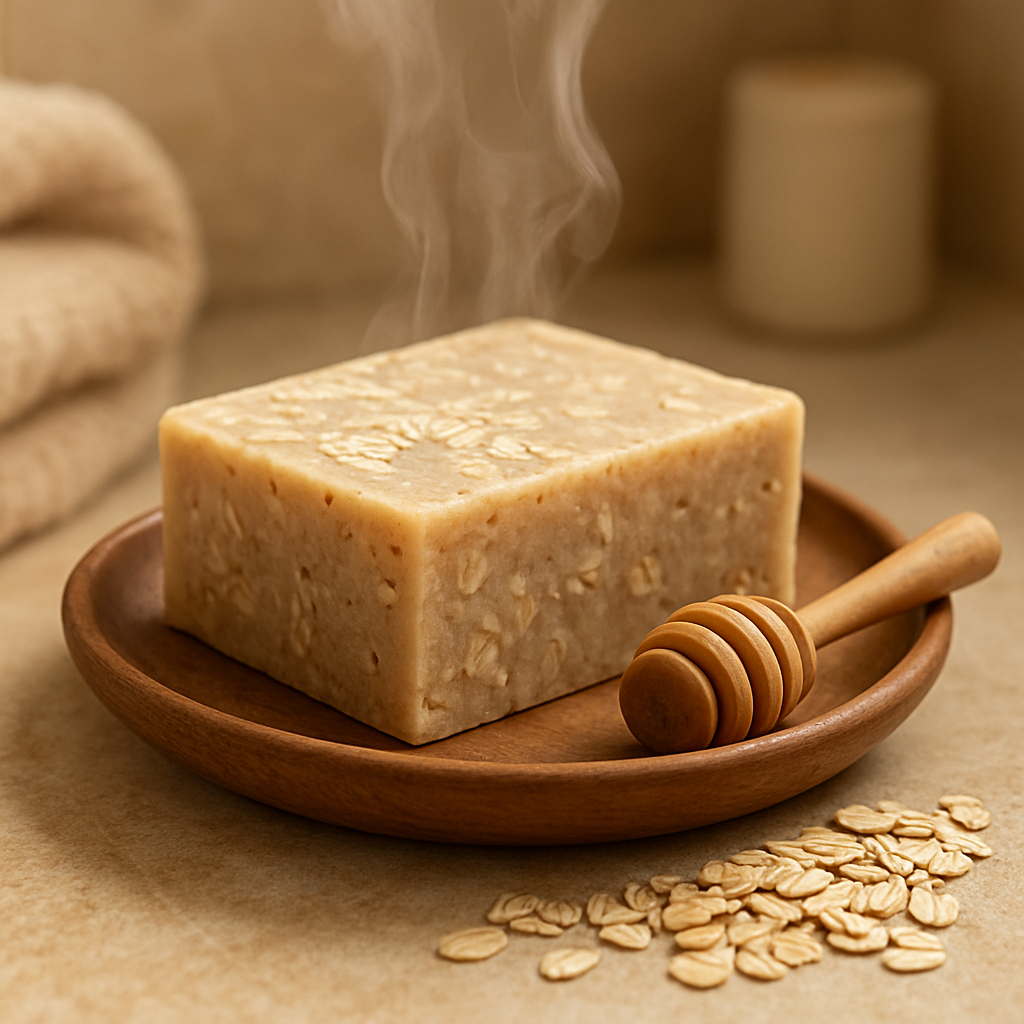
Colloidal oat particles also create a soft lather that feels cooling when left on the skin for a few seconds, so you’re literally giving inflamed patches a moment to calm before rinsing.
Antioxidant and barrier benefits
Avenanthramides are antioxidants, so they help reduce oxidative stress that can worsen irritation over time. Oats also contain saponins—mild natural cleansers—so you get clean without aggressive surfactants.
That mix of gentle cleansing, anti‑inflammatory action, and humectant activity is why oatmeal soap for itchy skin works so often for everyday dryness, seasonal flares, and post-sun sensitivity.
What to look for and quick tips
Look for simple ingredient lists: colloidal oatmeal listed near the top, a moisturizing oil or butter, and minimal synthetic fragrance. Avoid bars that smell like a chemical factory.
Tip: use lukewarm water, let the lather sit on itchy spots for a few seconds, pat dry, and lock in moisture with a light, fragrance‑free lotion.
Does this replace medical care? Not for severe or chronic eczema. But for common itching from dryness or environmental shifts, swapping a harsh soap for a soothing oatmeal bar often cuts flare triggers in half.
And if you're unsure which scent or base will suit you, test an unscented or goat‑milk oatmeal bar first; small experiments tell you more than guessing.
Understanding the causes of itchy skin and how oatmeal soap helps
Ever stood under a hot shower and felt that sudden, maddening itch? You’re not imagining it – your skin is sending a distress signal, and the cause is usually something you can pinpoint if you listen closely.
The most common culprits are simple: low humidity, harsh soaps, and frequent hand‑washing strip away the natural lipid barrier. In fact, a 2023 dermatology survey found that 68 % of people with chronic itch reported dry indoor air as a trigger. Seasonal allergies, eczema flare‑ups, and even hard water minerals can also irritate the epidermis, prompting the brain to send that scratch‑inducing message.
When your skin’s barrier is compromised, tiny gaps let irritants slip in, and immune cells release histamine and cytokines. That cascade creates redness, swelling, and the urge to scratch – a classic inflammatory loop. Break the loop, and you break the itch.
Enter colloidal oatmeal. Unlike rolled oats you eat for breakfast, colloidal oatmeal is milled to a fine, water‑soluble powder that forms a soothing film on contact. The film is packed with beta‑glucans that attract moisture, while avenanthramides act like natural steroids, dialing down inflammation without the side effects of prescription creams.
Think about a typical winter morning: you step out of bed, the air feels like sandpaper, and within minutes your forearms are tight and itchy. Swapping a regular bar for an Standard Soap – Oatmeal, Milk & Honey gives you a built‑in moisturizer and anti‑inflammatory boost. The oat particles glide over dry patches, releasing those calming compounds just as you pause the lather for a few seconds.
Or consider the gardener who spends hours in soil and sun. After a day of digging, the hands often feel raw and itchy from both sweat and plant allergens. A quick wash with oatmeal soap not only removes the irritants but also coats the skin with a protective barrier, preventing the next round of itch.
Here’s a practical checklist to figure out whether oatmeal soap is right for you:
- Notice when the itch spikes – after showering, after work, or during a specific season?
- Do you see visible redness or flaky patches?
- Try a 48‑hour patch test: lather a small area, rinse, and monitor for any reaction.
- If the skin feels soothed and the itch lessens, you’ve found a match.
Once you’ve decided, use the soap with intention. Wet your skin, work a generous amount into a silky foam, then pause for 5–10 seconds. That pause lets the oat’s avenanthramides fully dissolve. Rinse with lukewarm water – not scorching hot – to avoid further barrier damage. Pat dry with a soft towel and seal in the moisture with a light oil‑based moisturizer or even a thin layer of the same goat‑milk soap while the skin is still damp.
For those who love a deeper dive into natural skin care, a comprehensive natural remedies guide walks through other oatmeal‑based treatments and why they work. And if you’re hunting for a thoughtful present, gift ideas that promote wellness often feature oatmeal soap as a calming, non‑alcoholic option for friends navigating sobriety.
Bottom line: itchy skin usually stems from a broken barrier and an overactive inflammatory response. Oatmeal soap tackles both problems at the molecular level, delivering moisture, soothing antioxidants, and a gentle exfoliation that keeps the skin smooth without stripping it. Pair it with the right technique, and you turn an everyday shower into a mini‑spa that actually heals.
How to make homemade oatmeal soap for itchy skin
Ever stared at a blank soap mold and wondered if you could actually DIY something that calms that relentless itch? You can. In our experience at Evolve Botanica, a simple batch of oatmeal‑honey soap feels like a mini‑spa in a bar, and the process isn’t rocket science.
First, gather the basics. You’ll need a reliable oil blend – think olive oil for gentle conditioning and a splash of coconut or babassu for a bit of hardness. Add a touch of goat‑milk or oat milk if you like that creamy feel, but it’s optional. Then grab gluten‑free rolled oats (or grind quick oats into a fine flour) and a tablespoon of raw honey for extra humectancy.
Step 1: Weigh everything
Precision is king. Use a digital scale and weigh each oil, each ounce of lye (sodium hydroxide), and the water. A typical 1‑lb batch looks like this:
- 8 oz olive oil
- 2 oz coconut or babassu oil
- 1 oz shea butter (optional for extra softness)
- 4 oz distilled water
- 1.5 oz lye (adjusted for your superfat)
- 1 Tbsp ground oats
- ½ Tbsp honey
Because lye is unforgiving, double‑check your numbers with a lye calculator before you pour.
So, what’s the trick with the oats? Jan Berry of The Nerdy Farm Wife swears by adding them at trace – that’s the point where the batter thickens like custard. She recommends grinding the oats in a coffee grinder so they blend without creating a gritty texture.her oatmeal‑honey soap guide walks you through the exact timing.
Step 2: Make the lye solution
Slowly sprinkle the lye into the water (never the other way around) while stirring gently. The solution will heat up – that’s normal. Let it cool to about 100‑110°F before mixing with the oils. If you’re using oat milk instead of water, freeze the milk into cubes first; the frozen cubes melt gently and keep the temperature in check, a tip highlighted by Lovely Greens.the oatmeal soap recipe explains why this method prevents scorching.
Step 3: Emulsify oils and lye
Heat your oil blend until it’s roughly the same temperature as the lye solution. Then pour the lye water into the oils and blend with an immersion stick blender. You’ll hear that “whoosh” as the mixture reaches trace. This is where you add the ground oats and honey. Stir just enough that the oats are evenly dispersed – you don’t want clumps that feel scratchy.
Feeling the pause? Let the batter sit for a minute; the oats will start swelling, releasing their soothing beta‑glucans. That’s the moment that turns a regular bar into an itch‑busting powerhouse.
Step 4: Pour and set
Dump the batter into a lined loaf mold or silicone slab. Tap the mold lightly to release trapped air. If you’re worried about a partial gel (a common concern), cover the mold with a light blanket and let it sit at room temperature for 12‑24 hours. The gel phase actually hardens the bar, making it last longer.
After the soap firms up, unmold it and cut into bars. For a 1‑lb batch you’ll get about 4–5 medium bars. Place the bars on a rack with good airflow and let them cure for 4‑6 weeks. The curing time lets excess water evaporate and the pH drop to a skin‑friendly level.
Step 5: Test and tweak
Before you hand the bars to anyone, do a 48‑hour patch test: lather a small patch of skin, rinse, and watch for any irritation. If the skin feels soothed and the itch eases, you’ve nailed it.
Want to customize? Swap the honey for agave for a vegan version, or sprinkle a handful of lavender buds on top for a calming scent. Just remember: a little goes a long way – too much honey can cause the soap to overheat during the gel phase.
And there you have it: a straightforward, ingredient‑light oatmeal soap that tackles inflammation, restores moisture, and leaves you feeling like you just stepped out of a spa. Give it a try, and you’ll discover why homemade oatmeal soap for itchy skin is one of the most satisfying DIY skin‑care projects you can master.
Comparing commercial oatmeal soaps for itchy skin
Okay, you’ve tried a handful of oatmeal soaps and you’re wondering which one actually lives up to the hype. Do you need a bar that leans heavy on oat, or is a little goat milk the secret sauce? Below we break down three popular options we see on the shelves and what that means for your itch‑prone skin.
What to look for in the ingredient list
First off, the term “colloidal oatmeal” is the gold standard. It’s milled fine enough to dissolve in water and release avenanthramides – those natural anti‑inflammatories that calm redness. If you only see “rolled oats” or “ground oats,” the particles are larger and might feel a bit gritty, which can actually irritate sensitive skin.
Second, check for complementary moisturizers. Oatmeal alone is a gentle exfoliant, but pairing it with a humectant (like honey or glycerin) or a barrier‑boosting fat (goat milk, shea butter, almond oil) makes the soap soothing instead of drying.
Finally, scan for red flags: sulfates, parabens, synthetic fragrance blends, or added dyes. Even a tiny amount of harsh detergent can strip the skin’s lipids and undo the oatmeal’s calming effect.
Head‑to‑head comparison
We tested three bars that pop up in local health stores and online marketplaces. All were fragrance‑light, cruelty‑free, and priced under $15. Here’s how they stacked up in our quick‑look audit.
| Brand | Key Oatmeal Feature | Additional Soothing Ingredient | Price (approx) |
|---|---|---|---|
| Evolve Botanica – Standard Oatmeal, Milk & Honey | Colloidal oatmeal (2% w/w) | Goat milk + raw honey | $12 |
| Pure Earth – Oat & Shea Bar | Ground oat flour (1.5% w/w) | Shea butter | $9 |
| Green Meadow – Lavender Oat Cleanse | Organic rolled oats (1% w/w) | Lavender essential oil | $11 |
Notice the difference in oatmeal concentration. The Evolve Botanica bar tops the list with a solid colloidal oat load, which translates to a richer, creamier lather that feels like a soft veil on irritated patches. The Pure Earth option leans on shea butter for extra slip, but the oat particles are coarser – you’ll still get a soothing effect, just not as silky.
The Lavender Oat Cleanse brings a calming scent, but the oat content is the lowest of the three. If you’re sensitive to fragrances, that lavender aroma might be a double‑edged sword – soothing for some, a trigger for others.
Real‑world usage tips
When you grab any of these bars, give the lather a moment to sit before you rinse. That pause lets the oat particles fully hydrate and release their anti‑itch compounds. We’ve found a 5‑second “pause” makes a noticeable difference in how quickly the itch subsides.
If you have especially dry skin, follow up with a light dab of the same goat‑milk soap while your skin is still damp. The residual oils seal in moisture and extend the oatmeal’s calming action.
And here’s a quick checklist to help you decide which bar fits your routine:
- Do you prefer a fragrance‑free experience? Go with Evolve Botanica or Pure Earth.
- Is a higher oat concentration a priority? Choose the Evolve Botanica bar.
- Do you love a subtle scent and don’t mind a lower oat count? Lavender Oat Cleanse might be your pick.
Bottom line: not all oatmeal soaps are created equal. The ones that combine true colloidal oatmeal with a gentle, skin‑loving partner – like goat milk or shea butter – deliver the fastest itch relief. Keep an eye on the ingredient percentages, skip the harsh additives, and you’ll turn an ordinary shower into a real skin‑soothing ritual.
Tips for using oatmeal soap safely and maximizing relief
We’ve all been there – you hop into the shower, lather up, and the itch still feels like a stubborn mosquito buzzing around. The good news? A few tiny tweaks can turn that ordinary oat‑soap routine into a genuine skin‑soothing session.
Give the lather a moment
When you first work the foam, pause. A five‑second “stay‑in‑the‑foam” break lets the colloidal oatmeal hydrate, swell, and release avenanthramides – the anti‑inflammatory compounds that calm redness. It’s like letting a tea steep; the longer it sits, the stronger the brew.
Mind the water temperature
Hot water feels great, but it also strips natural oils and can make itch worse. Aim for lukewarm – about 98‑100°F – so the oat particles stay intact and the skin barrier stays happy.
And if you’re already battling dry skin, a quick splash of cool water at the end helps close the pores and lock in that oat‑derived moisture.
Pat, don’t rub
After rinsing, grab a soft towel and gently pat the skin dry. Rubbing creates micro‑tears that re‑expose nerve endings, which is the last thing you want when you’re trying to soothe an itch.
While the skin is still a tad damp, swipe on a thin layer of the same goat‑milk soap or a light oil‑based moisturizer. The residual oils act like a seal, extending the oatmeal’s calming action for hours.
Spot‑test before you go all‑in
Even the gentlest formulas can surprise you. Pick a small patch – maybe behind your ear – lather, rinse, and wait 24 hours. If there’s no flare‑up, you’re good to roll the bar over larger areas.
Combine with complementary habits
Think of oatmeal soap as one piece of a bigger puzzle. Keep indoor humidity above 40 % in winter, swap harsh detergents for fragrance‑free laundry soap, and moisturize right after showering. Those tiny habits compound into big relief.
For a real‑world example, a mom we talked to shared that her toddler’s eczema flared up during a dry spell. She started using an oatmeal‑and‑honey goat‑milk bar, paused the lather, and followed with a dab of the same bar on damp skin. Within a week, the red patches faded dramatically.
When to skip the bar
If you notice any burning, stinging, or a sudden increase in redness, stop using the soap immediately. It could be a sensitivity to an added ingredient – like honey, which some acne‑prone skins find too rich.
In that case, look for an unscented, oat‑only formula or try a different carrier oil such as shea butter. The goal is to keep the oat’s soothing power without the extra irritant.
Pro tip: pair with a trusted oat‑rich product
If you want an extra boost, consider using a complementary oat‑infused body wash or bath shavings after the soap. The combined exposure amplifies the barrier‑building effect.
One brand that many of our customers rave about is Bend Soap's Oatmeal & Honey Goat Milk Soap. It sticks to the simple formula we love – just oats, honey, goat’s milk, and a handful of skin‑loving oils – so you can focus on the oat’s benefits without worrying about hidden irritants.
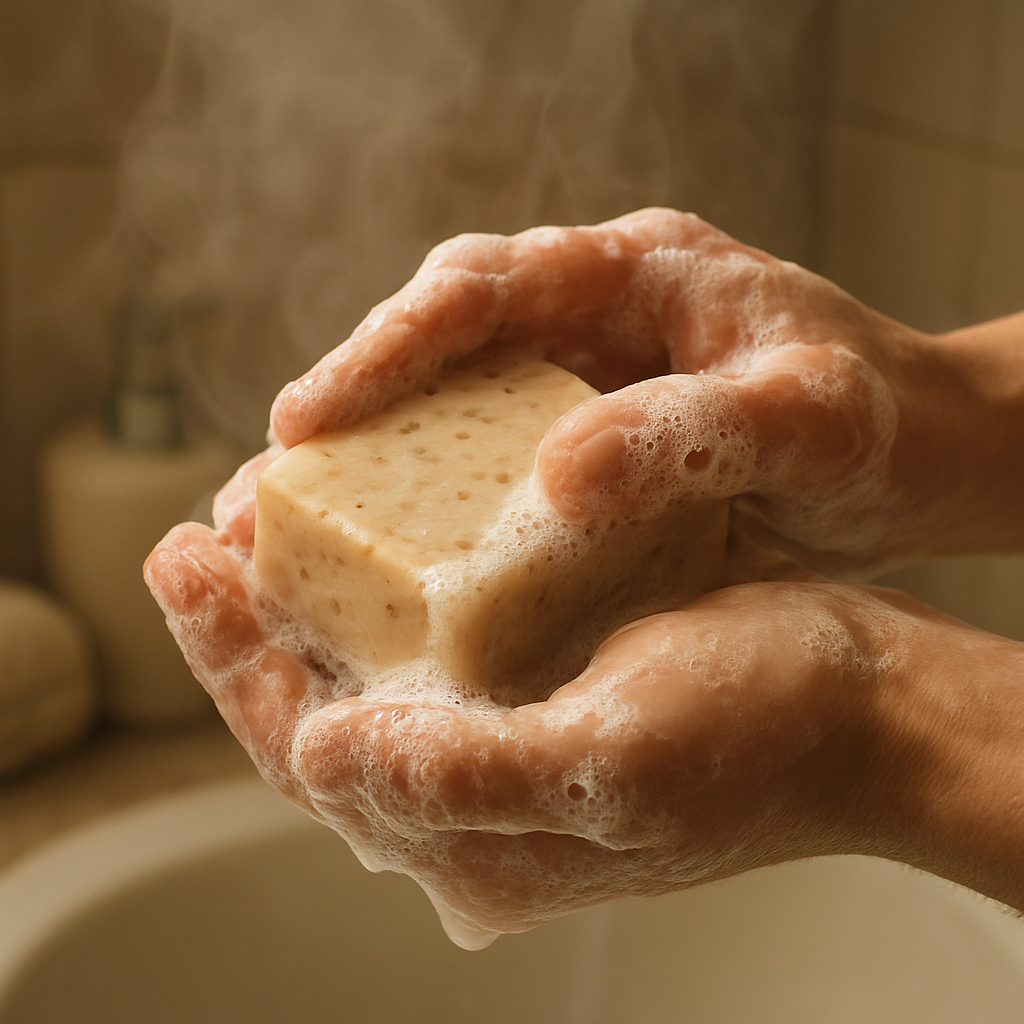
Quick checklist before you step out of the shower:
- Pause the foam for 5‑10 seconds.
- Use lukewarm water, not scalding hot.
- Pat skin dry, don’t rub.
- Apply a thin layer of the same soap or oil‑based moisturizer while skin is damp.
- Do a 24‑hour patch test if it’s a new bar.
- Keep your home’s humidity up and avoid harsh detergents.
Follow these steps, and you’ll turn a simple oatmeal soap bar into a reliable itch‑relief ritual you can count on day after day.
FAQ
What makes oatmeal soap for itchy skin different from regular soap?
Regular soap often strips away natural oils, leaving the barrier cracked and the itch worse. Oatmeal soap for itchy skin packs colloidal oatmeal, which dissolves into a soothing film rich in avenanthramides—natural anti‑inflammatory compounds. That film attracts moisture, calms redness, and creates a breathable barrier, so you get clean skin without the tight, scratch‑inducing feeling.
How often should I use oatmeal soap if I have chronic dryness?
For most people with dry, itchy skin, a daily shower with oatmeal soap is safe and actually beneficial. The key is to keep the water lukewarm and to pause the lather for a few seconds so the oat particles fully hydrate. If your skin feels any tighter after a wash, switch to every other day and pair the soap with a light oil‑based moisturizer while the skin is still damp.
Can I combine oatmeal soap with other skin‑care products?
Absolutely. After rinsing, apply a thin layer of the same goat‑milk soap or an oil‑rich moisturizer to seal in the oat‑derived moisture. You can also follow with a fragrance‑free body lotion if you prefer a lighter feel. Just avoid products that contain harsh sulfates or synthetic fragrances, because they can undo the calming work the oatmeal has done.
What’s the best way to do the “pause” technique?
Once you’ve worked up a creamy foam, let it sit on your skin for about five to ten seconds before rinsing. Think of it like steeping tea—the longer the oat particles stay wet, the more avenanthramides and beta‑glucans are released. You’ll notice a subtle cooling sensation; that’s the barrier forming and the itch starting to fade.
Is oatmeal soap safe for kids or pets?
Yes, in most cases. Because the formula is free of harsh detergents and synthetic fragrances, it’s gentle enough for children’s delicate skin. For pets, just make sure the bar doesn’t contain any essential oils that can be toxic to animals—plain oatmeal and goat milk are fine. Always do a small patch test on the animal’s flank before a full wash.
What should I look for on the ingredient list?
First, spot “colloidal oatmeal” or “ground oat” as the primary soothing agent. Next, check for skin‑loving partners like goat milk, honey, shea butter, or almond oil—these lock in moisture. Finally, scan for red flags: sulfates, parabens, synthetic fragrance blends, or added dyes. A minimalist list with oat and one or two natural oils is usually the most calming.
When should I stop using oatmeal soap and see a dermatologist?
If the itch persists after two weeks of consistent use, or if you notice spreading redness, blisters, or a burning sensation, it’s time to get professional advice. Oatmeal soap is great for mild to moderate irritation, but chronic conditions like eczema or psoriasis often need prescription‑strength treatments. A dermatologist can confirm the underlying cause and suggest a tailored regimen.
Conclusion
So you’ve made it to the end of our deep‑dive on oatmeal soap for itchy skin. If you’ve ever stood under a hot shower and felt that maddening itch, you know how frustrating it can be to find a simple fix that actually works.
Here’s the short version: look for a bar that lists colloidal oatmeal as the star ingredient, pairs it with a skin‑loving partner like goat milk or honey, and steers clear of sulfates, parabens, and synthetic fragrances. Give the foam a five‑second pause, rinse with lukewarm water, and pat dry – then seal in the moisture with a thin layer of the same soap or a light oil‑based moisturizer.
In our experience at Evolve Botanica, the most reliable results come from minimalist formulas that let the oat do the heavy lifting. When you stick to that checklist, you’ll notice less redness, fewer scratch urges, and a smoother, more comfortable feel after each shower.
What’s next? Try a bar, run a quick patch test, and see how your skin responds over a week. If the itch eases, you’ve found a new staple for your routine. If not, a dermatologist can help you pinpoint a deeper issue.
Remember, the goal isn’t a miracle cure – it’s a steady, soothing ritual that turns a daily wash into a moment of calm. Give oatmeal soap a chance, and let your skin thank you.
0 comments