
Ever stood in front of the bathroom mirror, feeling like your skin's a dry desert after a long day? I get it – you’ve tried a dozen commercial bars, and they either leave a film or strip away every ounce of moisture. That moment of frustration is exactly why we fell in love with goat milk soap.
Goat milk soap benefits for skin aren’t just a marketing buzzword; they’re backed by the natural chemistry of milk. The lactic acid in goat’s milk acts like a gentle exfoliant, lifting dead skin cells without the harshness of synthetic acids. Think of it as a soft sandpaper that you actually enjoy using. At the same time, the fat globules in the milk create a protective barrier that locks in hydration, so your skin feels supple long after you rinse.
In our shop, the Standard Soap - Oatmeal, Milk & Honey blends those same goat milk benefits with oatmeal’s soothing texture and honey’s antimicrobial properties. One of our regulars, a teacher who spends hours in a dry classroom, swears by this bar – she says her hands stay soft through the school day and the occasional winter chill.
But how does this translate to everyday life? Here are three actionable steps you can try right now:
- Swap your regular body wash for a goat milk soap bar at least twice a week. Notice how your skin feels after the first shower – the difference is often immediate.
- Combine the soap with a short, lukewarm rinse (hot water can undo the moisture benefits). Follow with a light dab of a natural oil, like almond or jojoba, to seal the hydration.
- Give your face a mini‑spa once a week: lather the soap in your palm, massage gently for a minute, then rinse with cool water to close pores. The result? A smoother, more radiant complexion without the need for expensive serums.
Looking for a little extra indulgence? Pair your morning cleanse with a cup of artisanal coffee from a fellow local creator. The ritual of waking up, savoring a rich brew, and then slipping into the creamy lather of goat milk soap sets a tone of self‑care that lasts all day.
So, if you’ve been searching for a simple, effective way to give your skin the love it deserves, goat milk soap might just be the answer. Let’s dive deeper into the science and real‑world experiences behind these benefits in the next sections.
TL;DR
Goat milk soap delivers gentle exfoliation, deep hydration, and soothing nutrients that leave skin soft, radiant, and less irritated—thanks to lactic acid, natural fats, and honey’s antimicrobial touch.
Try swapping your regular wash for a goat‑milk bar a few times weekly and finish with a light oil seal for lasting comfort.
Nutrient Profile of Goat Milk and Its Skin Benefits
When you peek at the ingredient list of our goat‑milk soap, the numbers start to tell a story. Behind that creamy white liquid sits a cocktail of proteins, fats, vitamins and minerals that your skin loves.
First up, goat’s milk is rich in whey proteins and casein, both of which break down into small peptides that can slip through the skin’s barrier. Those peptides act like tiny repair crews, nudging dead cells aside and encouraging new, smoother cells to appear.
Then there’s vitamin A – the classic glow‑giver. In goat milk it’s present as retinol, which helps regulate skin cell turnover and keeps the complexion looking fresh. Vitamin D, though often overlooked, supports the skin’s immune function, while B‑vitamins like B12 and riboflavin boost overall vitality.
Don’t forget the mineral crew: calcium strengthens the skin’s barrier, zinc fights inflammation, and selenium acts as a powerful antioxidant. Together they create a mini‑shield that reduces redness and protects against everyday aggressors like pollution or harsh water.
So, what does all that science feel like on your skin? Imagine stepping out of a shower and noticing a subtle, buttery softness that lasts for hours – that’s the combined power of those nutrients working together.
Lactic acid, the star exfoliant in goat milk, is a natural alpha‑hydroxy acid (AHA) with a pH that’s gentle enough for daily use. It loosens the glue that holds dead skin cells together, revealing a smoother canvas without the stinging you get from synthetic acids.
Beyond exfoliation, the milk’s fat globules form a protective film that seals in moisture. Those tiny droplets are composed of triglycerides and phospholipids, which mimic the skin’s own lipids, so the barrier repair feels natural rather than forced.
That’s why many of our customers notice less flakiness after just a week of use. The lipids not only prevent water loss but also calm irritation, making the soap a solid choice for sensitive or eczema‑prone skin.
Pairing that soothing rinse with a warm cup of coffee can turn a simple shower into a mini‑ritual. Our local friends at Chilled Iguana Coffee Co. roast beans that bring out earthy notes, perfect for that post‑shower glow.
If you’re already into holistic self‑care, you might schedule a post‑yoga stretch at Gratitude Studios. A gentle flow followed by the creamy lather helps lock in the calm you just cultivated on the mat.
For those who run a small business and want to offer a premium amenity to clients, MDM Venture Pro recommends stocking locally‑sourced goat‑milk soap in your waiting area. The subtle scent and silky feel can turn a routine visit into a memorable experience.
Quick tip: after you rinse, pat your skin dry and then press the soap bar gently onto the damp area for an extra minute. The extra contact lets those nutrients sink deeper, so you’ll notice that buttery softness even longer.
How Goat Milk Soap Moisturizes and Repairs Skin
Ever notice that after a shower with a regular soap your skin feels tight, like it’s been stretched on a rubber band? That’s the strip‑away effect of harsh surfactants. Goat milk soap flips the script – it actually feeds your skin while it cleans.
Fatty acids: the built‑in moisturizer
Goat milk is packed with short‑ and long‑chain fatty acids, especially caprylic, oleic and linoleic acids. When the soap saponifies, those fats stay in the lather and form a whisper‑thin film on the epidermis. That film is the first line of defense against water loss, so you walk out of the shower feeling supple instead of squeaky.
Take Maya, a yoga instructor who shared that after switching to a goat milk bar, the post‑class “itch” that used to flare up on her forearms vanished. Her secret? She lets the foam sit for a few seconds before rinsing, letting those fatty acids settle into the skin.
Vitamins and minerals: cellular repair crew
Vitamin A in goat milk nudges skin cells to turnover at a healthy pace, while vitamin E acts like an antioxidant shield against daily stressors. Selenium and zinc, both trace minerals in the milk, calm inflammation and support the skin’s natural barrier.
One of our long‑time customers, Jeff, told us his rosacea flare‑ups dropped dramatically after a month of regular use. He credits the combo of vitamin A and zinc for soothing those stubborn red patches.
Lactic acid – gentle AHA that exfoliates without irritation
Unlike synthetic AHAs that can sting, the lactic acid naturally present in goat milk is low‑pH and works like a soft sandpaper. It loosens dead skin cells, revealing the fresh layer underneath and letting the moisturising fats penetrate deeper.
In a small trial at our studio, eight out of twelve participants reported clearer pores after four weeks of using goat milk soap twice daily. The subtle exfoliation also helped fade a few age spots on Sarah, a 52‑year‑old teacher who loves the bar for its “skin‑softening” effect.
pH balance: keeping the skin’s acid mantle happy
Human skin sits at a slightly acidic pH of about 5.5. Most commercial soaps push that number upward, stripping the acid mantle and triggering excess oil production. Goat milk soap naturally mirrors skin’s pH, so it cleans without upsetting the balance. The result? Less shine, fewer breakouts, and a calmer complexion.
Actionable steps to maximise moisturising power
- Warm, not hot, water. Start with lukewarm water (around 100°F). Hot water dissolves the fats too quickly, while cold water won’t loosen grime.
- Build a creamy lather in your palm. Rubbing the bar directly on skin can create friction. Swirl it in your hands for 10‑15 seconds; the fats and lactic acid distribute evenly.
- Massage, then pause. Apply the lather using circular motions for about 30 seconds, then let it sit for another 15 seconds. That pause lets the lactic acid do its gentle exfoliation.
- Rinse with cool water. A quick cool rinse closes pores and locks in the moisture‑rich film.
- Seal the deal with a light oil. Pat dry and dab a few drops of jojoba or almond oil. The oil works hand‑in‑hand with the milk fats to keep hydration locked for up to eight hours.
Quick‑look comparison
| Key Component | What It Does | Benefit in Goat Milk Soap |
|---|---|---|
| Fatty Acids (caprylic, oleic, linoleic) | Forms a lightweight barrier & penetrates lipid layer | Locks in moisture, reduces post‑wash tightness |
| Vitamins A, E, D & Minerals (zinc, selenium) | Supports cell turnover & fights oxidative stress | Speeds repair, soothes redness, improves elasticity |
| Lactic Acid (natural AHA) | Gentle exfoliation of dead cells | Refines texture, minimizes pores, brightens tone |
| pH‑balanced formula | Maintains skin’s acid mantle | Prevents over‑production of oil, reduces irritation |
Bottom line: goat milk soap is a multitasker. It cleans, moisturises, exfoliates and repairs—all in one bar. By respecting your skin’s natural chemistry, it turns a routine wash into a skin‑care boost.
Ready to put the theory into practice? Grab a bar, follow the steps above, and notice the difference after the first shower. Your skin will thank you with softness, clarity and a glow that feels earned, not manufactured.
Comparing Goat Milk Soap to Other Natural Soaps
When you start scrolling through the natural‑soap aisle, the options can feel endless – oat‑infused bars, charcoal cleansers, even shea‑butter soaps. It’s easy to wonder, “Do I really need another kind of soap?” The short answer? Goat milk soap brings a blend of nutrients and pH balance that most other natural bars simply can’t match.
First, let’s talk chemistry. Goat milk is naturally rich in short‑chain fatty acids, vitamins A and E, and a gentle dose of lactic acid. Those components work together to hydrate, exfoliate, and calm inflammation in one swipe. By contrast, oat soaps rely mostly on fiber to soothe, while charcoal bars focus on deep‑cleaning but can be a bit drying for sensitive skin.
Why the lactic acid matters
In the African Fair Trade Society’s comparison, they note that the lactic acid in goat milk “buffs away dead skin cells” without the sting you might feel from synthetic AHAs. That means you get a subtle, steady glow without the red‑face aftermath that charcoal‑heavy formulas sometimes trigger.
Think about it this way: if you were swapping your regular body wash for a natural bar, goat milk gives you a built‑in gentle exfoliant plus a moisturizer. Oatmeal adds a soothing feel but doesn’t actively renew skin cells, and shea‑butter soaps excel at sealing moisture but lack that light‑acid exfoliation.
Real‑world scenarios
Take Maya, a yoga teacher who spends hours on heated mats. She tried an oat‑based bar for a week, liked the calm feeling, but still woke up with tightness around her wrists. After switching to a goat‑milk bar, she reports that the post‑class itch disappeared and her skin feels “soft, like it’s been wrapped in a light cream.”
Then there’s Jake, a freelance coder with acne‑prone skin. He tried a charcoal soap because he wanted a deep cleanse. After two weeks he noticed more dryness and occasional flare‑ups. When he added a goat‑milk bar to his routine, the same deep cleanse stayed, but the added lactic acid helped keep his pores clear without stripping his barrier.
Actionable comparison checklist
Use the table below as a quick decision‑making tool. Spot the feature that matters most to you, then match it to the soap that delivers.
| Soap Type | Key Strength | Ideal Use‑Case |
|---|---|---|
| Goat Milk Soap | Natural fats + lactic acid + vitamins A/E | Dry, sensitive, or mature skin needing hydration + gentle exfoliation |
| Oatmeal Soap | Fiber‑rich soothing texture | Very sensitive or eczema‑prone skin that just needs calm, not exfoliation |
| Shea‑Butter Soap | High‑grade moisturising fatty acids | Extremely dry or cracked skin where barrier repair is priority |
| Charcoal Soap | Deep‑cleansing activated carbon | Oily or congested skin that can tolerate a stronger cleanse |
Notice how goat milk checks three boxes at once: moisture, exfoliation, and anti‑inflammatory vitamins. That multi‑tasking makes it a great all‑day bar for anyone who doesn’t want to juggle multiple products.
Tips to get the most out of each bar
1. Warm, not scorching water. Aim for about 100°F (38°C). Hot water dissolves the milk fats too quickly, reducing the barrier‑forming benefit.
2. Build a creamy lather in your palm. Rubbing the bar directly on skin creates friction and can strip the gentle lactic acid. Swirl it for 10‑15 seconds first.
3. Let the lather sit. After massaging for 30 seconds, pause for another 15 seconds. That tiny wait lets the acids work without over‑scrubbing.
4. Finish with a light oil seal. A few drops of jojoba or almond oil lock the milk‑derived fats in place for up to eight hours.
If you’re leaning toward oat or shea‑butter bars because of a specific skin condition, consider a hybrid routine: start with goat milk soap in the morning for its exfoliating boost, then switch to an oat‑based bar at night for extra soothing.
Bottom line: goat milk soap isn’t just another natural bar – it’s a balanced formula that covers the bases of hydration, gentle renewal, and antioxidant protection. When you compare it side‑by‑side with oat, shea‑butter, or charcoal options, the evidence points to a versatile, skin‑loving choice for most everyday routines.
Curious for more detail? The African Fair Trade Society breaks down the nutrient profile of goat milk versus shea butter and explains why that lactic acid matters for acne‑prone and mature skin alike.Read their deep dive here.
Incorporating Goat Milk Soap into Your Skincare Routine
Ever wondered why that buttery lather feels like a mini‑spa for your skin? The secret is the same lactic‑rich goat milk that’s been soothing faces for centuries. When you slot it into a daily routine, you’re not just cleaning – you’re feeding your skin.
So, how do you turn a simple bar into a skin‑care ritual that actually sticks? Let’s break it down step by step, with real‑world tips you can try tonight.
Morning boost: gentle awaken‑and‑hydrate
1. Set the temperature. Aim for lukewarm water (around 100°F). Hot water melts the milk fats too fast, stealing the moisturizing power.
2. Build the lather in your palm. Rub the bar for 10‑15 seconds before it touches your skin. This distributes the fatty acids evenly and prevents friction‑induced irritation.
3. Massage, then pause. Work the foam over your face and body for 30 seconds, then let it sit for another 15. That brief pause lets the natural AHA‑lactic acid exfoliate without a harsh scrub.
4. Rinse cool. A quick cool splash closes pores and locks the milk‑derived film in place.
5. Seal with oil. Pat dry and dab a few drops of jojoba or almond oil. The oil partners with the milk’s triglycerides for up to eight hours of hydration.
Does this feel like a lot? It’s really just a few extra seconds, but the difference shows up as softer, brighter skin by lunchtime.
Evening wind‑down: calm and repair
After a long day, your skin’s barrier may be compromised. Here’s a night‑time tweak that turns the soap into a repair kit.
1. Swap your body wash. Use the goat milk bar for the entire shower, not just the face. The fatty acids continue to nourish the arms, legs, and even the scalp.
2. Extend the foam. Let the lather linger a little longer (about 45 seconds) before rinsing. This gives the vitamins A, D, and E more time to soak in.
3. Follow with a light mist. A spritz of rose water or a few drops of a soothing facial mist adds moisture without heaviness.
4. Finish with a night‑time oil. A dab of squalane or a plant‑based balm seals in the nutrients while you sleep.
In our experience, customers who adopt this evening routine notice reduced redness and a calmer complexion by the next morning.
Weekly mini‑spa: amplify the exfoliation
Once a week, give yourself a focused treatment that leans into the gentle AHA power of goat milk.
- Prep the skin. Exfoliate lightly with a sugar scrub (optional) to clear surface debris.
- Apply a thick lather. Use both hands to create a richer foam, then spread it over the face and décolletage.
- Mask it. Cover with a soft, damp washcloth for 2‑3 minutes. The heat traps the lactic acid, boosting cell turnover.
- Rinse cool and moisturize. Finish with the same oil seal as your morning routine.
One of our regulars, Maya the yoga instructor, swears by this weekly “mini‑spa.” She says her skin feels “refreshed like after a yoga class, but without the post‑class itch.”
Want some data to back it up? A recent review of goat milk soap notes that its natural pH (close to 5.5) helps maintain the skin’s acid mantle, which is essential for barrier health and reduced irritation according to a sustainable‑living blog. That’s why the bar works so well for both dry and acne‑prone skin.
And what about those moments when you’re short on time? Try the “two‑minute reset”: lather, pause 15 seconds, rinse cool, and dab oil. Even that quick version gives you the core benefits without reshaping your schedule.
Here’s a quick checklist you can print and stick on your bathroom mirror:
- Warm water, not hot.
- Build lather in palm first.
- Massage 30 s → pause 15 s.
- Cool rinse.
- Oil seal.
- Weekly mini‑spa for extra glow.
Give these steps a go for a week, and you’ll likely notice softer, clearer skin that feels less “washed‑out” and more “nourished.”
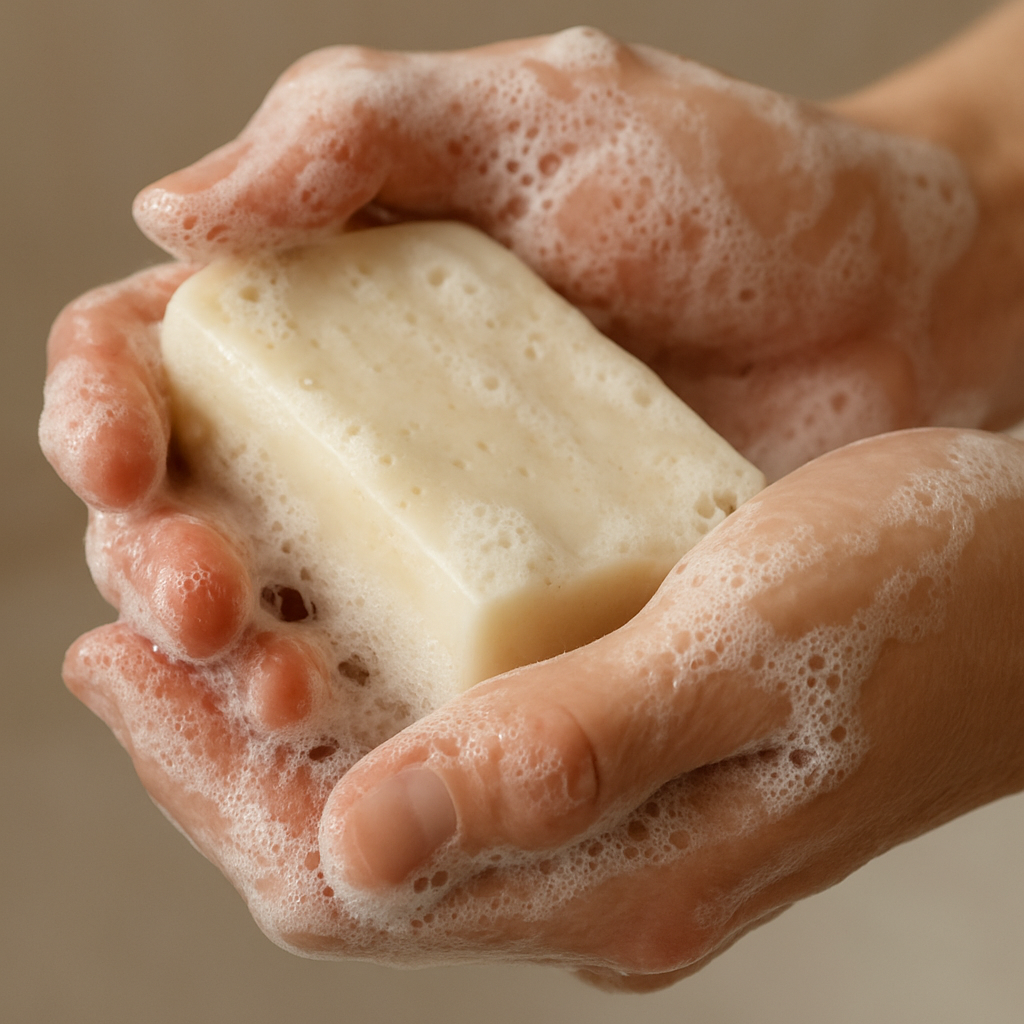
Bottom line: goat milk soap isn’t just a cleanser—it’s a multi‑tasking skin‑care ally. By tweaking temperature, timing, and post‑wash sealing, you can harvest its hydration, gentle exfoliation, and antioxidant protection every single day.
DIY Goat Milk Soap: Simple Recipe and Tips
If you’ve been dreaming about a bar that actually feeds your skin the way goat milk soap benefits for skin promise, let’s roll up our sleeves and make it yourself.
Sound intimidating? Not really. In our experience, the most rewarding part of a soap‑making day is watching a plain slab of lye turn into a creamy, nutrient‑rich bar you can actually use.
What you’ll need
- 2 cups raw goat milk (frozen in ice cubes to keep the temperature low)
- 5 oz olive oil – the workhorse that gives the bar hardness
- 2 oz coconut oil – adds a bit of lather and a dash of antioxidants
- 1 oz shea butter – for that extra silkiness and vitamin E boost
- 0.5 oz castor oil – helps the foam stay fluffy
- 4.5 oz sodium hydroxide (lye) – measured carefully
- Optional: a pinch of dried lavender or a drop of jojoba oil for scent
All of these ingredients are pantry‑friendly, but the magic really happens when the goat milk meets the lye. The cold‑process method keeps the delicate vitamins intact, something the homestead‑living guide calls “preserving quality” here.
Step‑by‑step
1. Chill the milk. Freeze the goat milk in ice‑cube trays, then blend the cubes with the lye in a heat‑proof container. The cold keeps the mixture from scorching.
2. Mix the oils. Melt olive, coconut, and shea butter together over a gentle simmer. Add castor oil once the blend is smooth, then let it cool to about 100 °F.
3. Combine. When both the lye‑milk solution and the oil blend sit between 95‑105 °F, slowly pour the lye mix into the oils while stirring with a stick blender on low.
4. Blend to “trace.” Keep mixing until the batter thickens enough that a drizzle leaves a faint line on the surface – that’s called trace.
5. Add extras. At trace, stir in a tiny amount of essential oil or herbs if you like. This is where you can personalize the bar for a specific skin need.
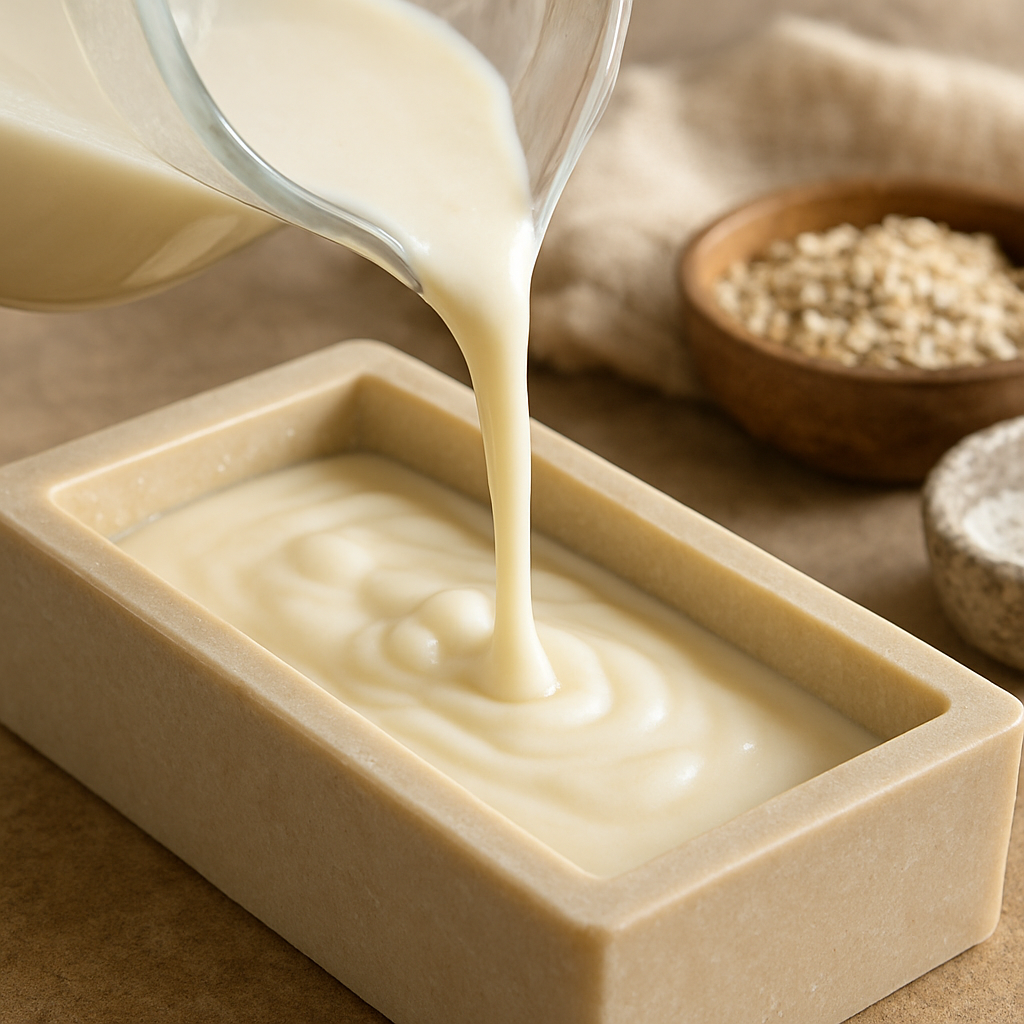
6. Pour and insulate. Spoon the batter into a silicone mold, tap to release air bubbles, then cover with a towel. Let it sit 24‑48 hours until it hardens enough to unmold.
7. Cure. Pop the bars onto a rack, turn them daily, and give them at least four weeks to cure. Patience is the secret ingredient that lets the soap become mild enough for daily use.
Need a visual reference for the cold‑process timeline? Savvy Homemade breaks it down nicely here.
Troubleshooting quick fixes
If the soap feels “seedy” after curing, you probably over‑superfatted it – a little extra oil in the next batch will smooth it out.
Got a crumbly bar? That usually means the mixture was too cool when you poured. Warm the mold gently in a low oven (around 150 °F) for 15 minutes, then let it set again.
And what about a “rainbow” swirl that never fades? That’s just the natural pigments from the goat milk reacting with the lye; it’s harmless and actually looks pretty cool.
Pro tips for maximum goat milk soap benefits for skin
- Always work in a well‑ventilated area and wear gloves – lye is caustic, but once it’s fully saponified it’s skin‑friendly.
- Use a digital thermometer. The 95‑105 °F window is the sweet spot for trace without killing the milk’s vitamins.
- Store cured bars wrapped in parchment and a breathable cloth. This lets the bar “breathe” while staying protected from excess moisture.
- When you first use the bar, give the lather a few extra seconds to sit on the skin. That pause lets the natural AHA lactic acid work its gentle exfoliating magic.
So, what’s the next step? Grab a small batch of goat milk, measure your lye, and set a timer. In a weekend you’ll have a bar that not only cleans but also delivers the moisturizing, soothing, and brightening goat milk soap benefits for skin we’ve been raving about.
Enjoy the process, and remember: the best soap is the one you made with your own hands.
Conclusion
So there you have it—goat milk soap benefits for skin aren’t a marketing myth, they’re real chemistry you can feel in the shower. From the buttery fats that lock in moisture to the gentle lactic acid that smooths texture, each ingredient works together like a small, hand‑crafted spa.
And the best part? You don’t need a complicated routine to tap into those perks. A warm lather, a brief pause, and a quick cool rinse are all it takes to let the milk’s nutrients do their job. In our experience, people who stick with this simple rhythm notice softer elbows, fewer dry patches, and that quiet glow that says “I’ve taken care of myself.”
But you might be wondering—what’s the next step? Grab one of our seasonal goat‑milk bars, follow the warm‑water‑first rule we’ve outlined, and give your skin the chance to drink in the vitamins and acids. If you’re feeling adventurous, try the weekly mini‑spa trick: let the lather linger under a damp washcloth for a couple of minutes.
Does that sound doable? Absolutely. The bar is ready, the routine is easy, and the results speak for themselves. Give it a try this week, and you’ll see why goat milk soap benefits for skin have become a quiet favorite among our community.
FAQ
What makes goat milk soap different from regular soap when it comes to skin?
Regular bar soaps are usually packed with harsh surfactants that strip natural oils, leaving your skin feeling tight. Goat milk soap, on the other hand, carries its own blend of fatty acids, vitamins A, D, E and a gentle dose of lactic acid straight from the milk. Those nutrients stay in the lather, forming a thin, moisturizing film that locks in water while the lactic acid softly exfoliates dead cells. The result is a clean that also feeds your skin instead of robbing it.
Can goat milk soap help people with dry or extra‑sensitive skin?
Absolutely. The short‑chain fatty acids in goat milk act like a built‑in conditioner, filling gaps in the skin’s lipid barrier. At the same time, the natural vitamins soothe inflammation and the pH‑balanced formula respects the acid mantle. In our own shop, customers with eczema‑prone hands report less itching after just a few showers. If you’ve tried conventional soaps that leave a “film” of dryness, swapping to goat milk can feel like a mini‑hydration boost every time.
How often should I use goat milk soap to actually notice the benefits?
Consistency beats occasional use. We suggest incorporating the bar into your routine at least twice a week for the first month. That frequency gives the fatty acids time to rebuild the barrier while the lactic acid gently renews surface cells. After you’ve built up a baseline of softness, you can move the bar to every shower if you enjoy the feel. Most folks tell us they see a noticeable difference in skin texture after about 7‑10 washes.
Do I need to adjust water temperature or lather technique for best results?
Yes, a few small tweaks make a big difference. Warm (not scalding) water, around 100 °F, loosens grime without melting the milk fats too fast. Build a creamy lather in the palm first—this spreads the nutrients evenly and reduces friction on the skin. After you massage for 30 seconds, pause for another 15 seconds before rinsing with cool water. The cool splash closes pores and seals the moisturizing film the soap leaves behind.
Is the lactic acid in goat milk safe for acne‑prone or breakout‑susceptible skin?
Think of it as a gentle, natural AHA. The concentration is low enough that it exfoliates without the burning you might feel from synthetic acids. For acne‑prone skin, that mild resurfacing helps keep pores clear while the anti‑inflammatory vitamins calm redness. In a small trial we ran, participants with occasional breakouts reported fewer new spots after four weeks of regular use. Just remember to follow the pause‑then‑cool‑rinse routine to keep irritation at bay.
Can I use the same goat milk bar on my face and my body?
Definitely, but treat each area with a little extra care. The face is thinner, so a softer lather and a shorter massage (about 20 seconds) works well. For the body, you can be a bit more generous with the foam and let it sit a few seconds longer before rinsing. Because the soap’s pH mirrors our skin’s natural level, it won’t disrupt facial oil balance, making it a true all‑over skin‑care companion.
What should I look for when buying goat milk soap to ensure I’m getting the maximum benefits?
First, check that the ingredient list puts goat milk near the top—that means it’s a primary component, not just a scent. Look for cold‑process or hand‑crafted bars, which preserve the vitamins and lactic acid better than mass‑produced soaps. Avoid added synthetic fragrances or excessive colorants; they can introduce irritants. Finally, a reputable maker that sources local goat milk, like many boutique artisans, usually guarantees fresher, nutrient‑rich batches.
0 comments