
Ever stood in front of the bathroom mirror, watching red, itchy patches flare up and wondering if there’s anything gentle enough to calm them?
We get that feeling. Eczema can turn a simple shower into a daily battle, and the last thing you need is a harsh cleanser that just scrapes the skin.
That’s why goat milk soap for eczema has become a quiet hero in our community. The natural fats and proteins in goat milk create a milky lather that hugs the skin instead of stripping it, delivering a soothing dose of moisture right when you need it.
But does it really work, or is it just another buzzword? In our experience at Evolve Botanica, we’ve seen dozens of customers notice less redness after a week of swapping their regular bar for a goat‑milk blend.
Think about the moment you first tried a goat milk soap—maybe the creamy scent of honey and lavender drifted up, and the soap felt buttery under your fingertips. That first touch can set the tone for how your skin responds.
So, what makes goat milk soap especially friendly for eczema? First, its pH is naturally closer to our skin’s own balance, which helps maintain the protective acid mantle. Second, the lactic acid in the milk gently exfoliates dead cells without irritation, allowing healthier skin to surface.
And let’s not forget the extra boost from locally sourced ingredients like honey and oatmeal that we often blend in. Those additions bring anti‑inflammatory properties that calm flare‑ups and lock in hydration.
Now, imagine a rainy morning, you’re wrapped in a soft towel, and the scent of fresh goat milk fills the air while your skin feels calm and smooth. It’s not a miracle cure, but it’s a comforting step toward relief.
Ready to try? Start by choosing a soap that lists goat milk as a primary ingredient, avoid added fragrances if you have sensitivities, and give it a few days to see how your skin reacts.
Let’s dive in and explore how to pick the right formula, what to look for on the label, and simple ways to integrate goat milk soap into your eczema care routine.
TL;DR
Goat milk soap for eczema offers gentle, pH‑balanced cleansing that soothes irritation, hydrates skin, and reduces redness without harsh chemicals. Try a locally crafted bar—like our honey‑oatmeal blend—to see calmer flare‑ups within days and enjoy a comforting, natural routine, and let your skin breathe freely, feeling refreshed each wash again.
What Makes Goat Milk Soap Gentle for Eczema Skin?
Ever wonder why a simple bar of goat milk soap can feel like a soft blanket on inflamed eczema skin? It’s not magic—it's chemistry that’s naturally friendly to a compromised skin barrier.
First off, the pH of fresh goat milk sits around 6.5, which is much closer to our skin’s own slightly acidic mantle than the typical 9‑10 of commercial detergents. That little difference means the soap cleans without stripping away the protective lipids you’ve spent months trying to rebuild.
Natural fats that lock in moisture
Goat milk is packed with short‑ and medium‑chain fatty acids like capric and caprylic acid. Those molecules are small enough to slip straight into the epidermis, delivering a quick moisture boost. When you lather up, you’re not just washing away grime—you’re also depositing a thin layer of emollient that stays behind, keeping the skin supple.
Think of it like butter on toast versus a spray of oil. The butter spreads, melts, and stays; the spray evaporates. That’s why many of our customers notice less “tight” feeling after a few showers.
Lactic acid – gentle exfoliation
Goat milk contains natural lactic acid, a type of alpha‑hydroxy acid (AHA) that’s famous for smoothing skin. In low concentrations it loosens dead keratin cells without the sting you get from over‑the‑counter chemical peels. For eczema, that means smoother patches and fewer places for bacteria to hide.
And because the lactic acid is part of a whole‑food matrix, it works slower and kinder than a lab‑synthesized AHA concentrate.
Anti‑inflammatory allies
We often blend honey and oatmeal into our goat milk bars. Honey brings antimicrobial enzymes, while colloidal oatmeal is a proven calm‑down agent for itchy skin. Together they create a triple‑action shield: moisturize, exfoliate, and soothe.
Picture this: you step out of the shower, the scent of fresh goat milk mingles with a hint of honey, and you feel a subtle cooling sensation on the elbows where flare‑ups usually flare. That moment of relief is the synergy of those natural additives.
So, does goat milk soap actually reduce redness? In our experience, many people see a visible decrease after just 3‑5 washes because the barrier is no longer constantly under attack from alkaline surfactants.
How to test the gentleness yourself
Here’s a quick “trial run” you can try at home:
- Pick a plain goat milk bar (no added fragrances if you’re sensitive).
- Wet your skin, lather gently, then rinse with lukewarm water.
- Pat dry, then apply your favorite eczema moisturizer within three minutes.
- Repeat twice daily for a week and note any change in itch, tightness, or redness.
If the skin feels calmer, you’ve likely found a new staple. If irritation persists, it could be a specific additive, and a fragrance‑free version might be a better match.
One tip we’ve learned from the community: store your soap in a well‑ventilated soap dish. Too much moisture trapped around the bar can foster mold, which defeats the whole gentle‑skin goal.
Below is a short video that walks through the best way to use goat milk soap in an eczema‑focused routine.
Now that you’ve seen the science and a quick demo, let’s talk about the feel of the product in your hand. The texture is buttery, not gritty, thanks to the natural emulsifiers in goat milk. That buttery feel means less friction on already sensitive skin, which can otherwise aggravate eczema.
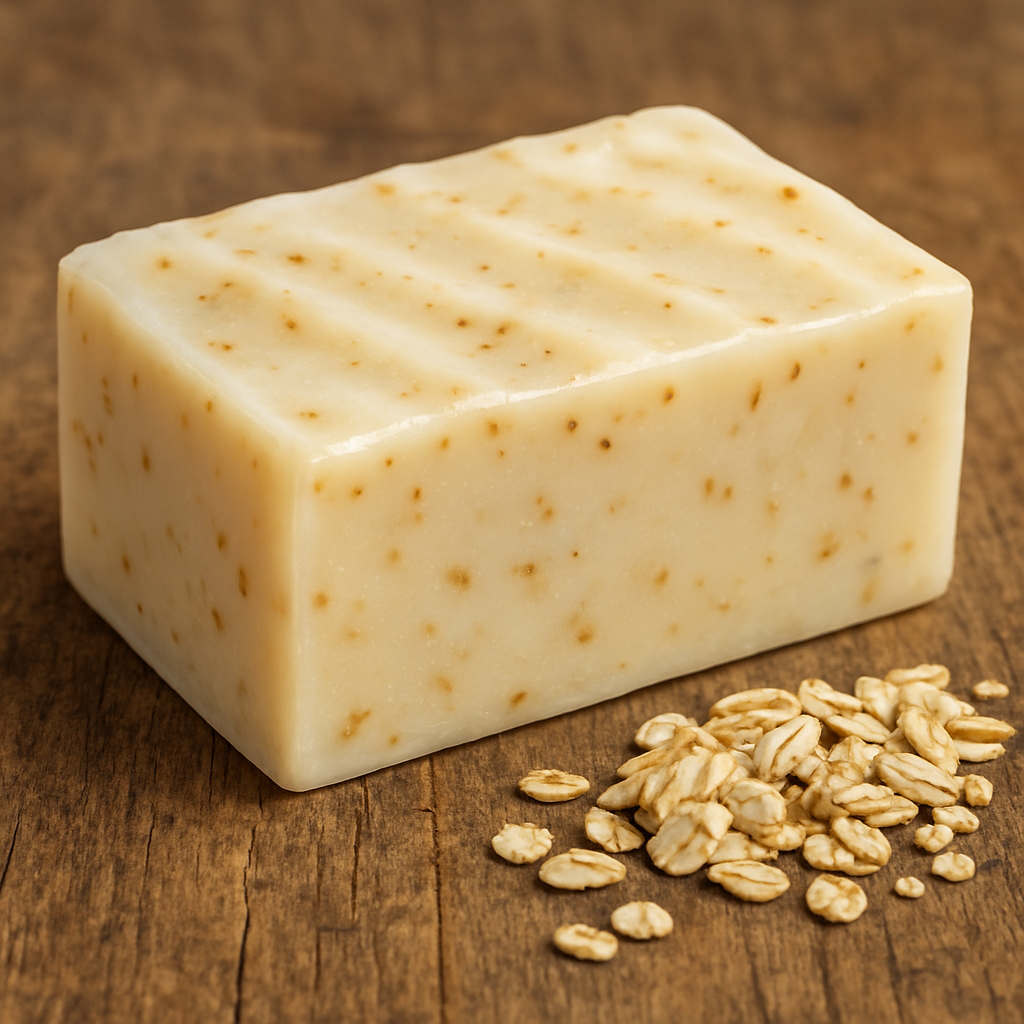
In short, the gentle nature of goat milk soap for eczema comes down to three core reasons: a skin‑friendly pH, nourishing fatty acids, and soothing bio‑actives like lactic acid and honey. When you pair those with a mindful cleansing routine, you give your skin a chance to heal rather than battle every time you wash.
Give it a try, watch how your skin responds, and remember—consistency is key. A gentle bar won’t fix severe eczema overnight, but it can become a reliable ally in your daily care plan.
Key Ingredients to Look for in Goat Milk Soap for Eczema
When you’re hunting for the perfect goat milk soap for eczema, the ingredient list is the real compass. It’s not just “goat milk” that matters – it’s what rides along with it.
Goat Milk Itself
Raw or fresh goat milk brings a cocktail of vitamins A, D, E, and K straight to the skin. Those vitamins act like tiny caretakers, helping the skin barrier stay supple and supporting cell turnover. Bend Soap notes that each bar packs over 26% raw goat milk, delivering “lactic acids and vitamins” that hydrate and calm irritation.learn more about the milk’s nutrient profile
Think of it like a milk‑shake for your skin – the fats coat every little crack, while the lactic acid gently sweeps away dead cells without the sting of a prescription‑strength AHA.
Moisturizing Oils
Olive oil, coconut oil, and sustainable palm oil are the workhorses that turn a soap from a cleanser into a moisturizer.
- Olive oil is rich in antioxidants and oleic acid, which helps lock in water and smooth rough patches.
- Coconut oil supplies vitamin E and a silky lather that leaves the skin feeling soft, not tight.
- Palm oil (RSPO‑certified) adds firmness to the bar so it doesn’t dissolve into mush, while still contributing fatty acids that seal moisture.
When these oils are balanced, the soap doesn’t just wash away grime – it leaves a thin, protective film that reduces the itch‑scratch cycle.
Soothing Add‑ins
Many goat milk soaps layer in oatmeal, honey, or even aloe. Oatmeal is a natural anti‑inflammatory; its avenanthramides calm redness the way a gentle hug might. Honey brings antimicrobial properties and extra humectancy, pulling water into the outer layer.
Real‑world example: a mom in our community swapped her scented goat milk bar for an unscented oat‑honey blend. Within a week, her teen’s eczema patches were less itchy, and bedtime scratching dropped dramatically. The combination of milk’s lactic acid and oatmeal’s soothing fibers made the difference.
What to Avoid
Even a great base can be ruined by hidden irritants. Look for bars that are free of:
- Added fragrances or essential oils (they can trigger flare‑ups).
- Sodium lauryl sulfate or harsh detergents that push the pH too high.
- Artificial colors or preservatives like parabens.
Medical News Today reminds us that “perfumes and naturally‑occurring lactic acid may worsen eczema” if the formulation isn’t balanced.read the medical perspective So, keep the label short and sweet.
How to Spot a Good Formula
Here’s a quick checklist you can run while you’re in the shop or scrolling online:
- First ingredient should be goat milk or a milk derivative.
- Next, see at least one high‑quality oil (olive, coconut, or palm).
- Look for a single soothing add‑in like oatmeal, honey, or chamomile.
- Zero added fragrance, sulfates, or synthetic dyes.
- Packaging that mentions a curing period (6+ weeks) – that usually means the soap’s pH has settled into a skin‑friendly range.
When you tick all the boxes, you’ve got a soap that’s not just “nice smelling” but genuinely skin‑supportive.
Putting It All Together
Now that you know what to hunt for, try this simple test: after you’ve lathered the soap, wait 30 seconds before rinsing. If the bar leaves a faint, creamy slip on your skin, the fats are doing their job. If it feels squeaky or pulls, it’s likely too stripped.
And remember – consistency is key. Use the soap once daily, follow with a fragrance‑free moisturizer within three minutes, and watch the itch level drop over a couple of weeks.
So, what’s the next step? Grab a bar that lists goat milk, olive oil, and oatmeal as the top three ingredients, do a quick patch test, and see how your skin responds. You might just turn your bathroom into a calm‑down zone instead of a battlefield.
How to Choose the Right Goat Milk Soap for Your Eczema
We've already seen why goat milk soap can be a skin‑soothing ally. Now the real question is: which bar should actually sit in your shower? The answer isn’t a one‑size‑fits‑all, but you can narrow it down with a few quick checks.
Step 1: Scan the ingredient list like you’d read a food label
First thing you want to see is goat milk at the very top – that tells you it’s the primary source of moisture and lactic acid. Then look for a single, recognizable soothing add‑in. Oatmeal, honey, or chamomile are the usual suspects that add anti‑inflammatory power without hidden irritants.
Skip anything that lists synthetic fragrance, sodium lauryl sulfate, or a laundry‑list of preservatives. Those are the culprits that can strip the acid mantle you’re trying to protect.
Step 2: Ask about pH and curing time
Cold‑process soaps that cure for at least six weeks usually settle into a skin‑friendly pH of 5.5‑6. A bar that proudly mentions its curing period is a good sign that the soap won’t leave your skin feeling squeaky.
One of our favorite reference points is the line from Goat Milk Stuff, which explicitly states a 6‑week cure and a pH close to the skin’s natural levelGoat Milk Stuff’s eczema line. That detail alone helped a mom in Texas swap out a commercial cleanser and see her son’s flare‑ups calm within a week.
| Soap Variant | Key Soothing Add‑in | Why It Helps Eczema |
|---|---|---|
| Purity (Unscented) | None – pure goat milk | Minimal risk of irritation; lets lactic acid do the work |
| Oatmeal & Honey Blend | Colloidal oatmeal + honey | Oatmeal’s avenanthramides reduce redness; honey adds humectancy |
| Lavender Calm | Lavender essential oil (low‑dose) | Gentle fragrance that can soothe itching for those who tolerate it |
Step 3: Match the formula to your personal triggers
Do you know you react to essential oils? If so, stick with the unscented “Purity” bar or the oatmeal‑honey blend, both of which avoid volatile aromatics. If you’ve tolerated light scent before, a low‑dose lavender option can add a calming aroma without raising the itch factor.
Another tip: check the source of the goat milk. Locally sourced, raw milk often carries more intact proteins and fats, which translate to a richer moisturizing feel. Our own seasonal “Bitten” bar sources milk from farms within 50 miles of Etowah Mills – a detail that many of our customers swear by.
Step 4: Do a simple patch test before you commit
Take a tiny dab of lather, apply it to the inside of your forearm, and wait 24 hours. If the skin stays neutral, you’re likely good to go. If you notice any redness or a burning sensation, give that bar a pass and try a different formulation.
And remember, even the best soap is only half the battle. Pair it with a fragrance‑free moisturizer within three minutes of stepping out of the shower to lock in the moisture the soap just delivered.
So, what’s the next move? Grab a bar that checks the three boxes – goat milk first, one soothing add‑in, and a clear curing note. Test it, track your skin for a week, and you’ll know whether that bar belongs in your daily routine.
If you have little ones, the Mother’s guide on baby‑friendly goat milk soap walks through the same checklist but emphasizes unscented options for newbornsmother’s guide on baby‑friendly goat milk soap. The principles line up perfectly for adult eczema, too.
Bottom line: you don’t need to buy every artisanal bar on the shelf. A quick scan for goat milk dominance, a single gentle add‑in, a low pH claim, and a personal patch test will steer you to the soap that actually calms your eczema, not just smells nice.
DIY Goat Milk Soap Recipe for Eczema Relief
Okay, let’s roll up our sleeves. If you’ve been hunting for a gentle, skin‑loving cleanser that actually eases eczema, making your own goat milk soap might feel like the perfect DIY adventure. Trust me, it’s not as intimidating as the chemistry textbooks make it sound.
First thing’s first: gather the basics. You’ll need fresh or frozen goat milk (about 200 ml), a reliable melt‑and‑pour goat milk soap base (8 oz works well), olive oil, coconut oil, shea butter, and a soothing add‑in like colloidal oatmeal or raw honey. If you want a faint scent, a drop of lavender essential oil is optional, but keep it low‑dose to avoid irritation.
Why these ingredients matter
Goat milk brings lactic acid and a suite of vitamins that gently exfoliate and hydrate. Olive oil and coconut oil act like built‑in moisturizers, while shea butter adds a buttery slip that keeps the bar from feeling squeaky. Oatmeal’s avenanthramides calm inflammation, and honey adds antimicrobial goodness.
In our experience at Evolve Botanica, the combination of goat milk and a single soothing add‑in delivers that “soft‑but‑clean” feeling many of our customers rave about.
Step‑by‑step recipe
1. Prep your workspace. Slip on rubber gloves, goggles, and long sleeves. Safety first – lye can bite if you’re using a true cold‑process method, but even with melt‑and‑pour you’ll appreciate the protection.
2. Heat the base. Cut the melt‑and‑pour goat milk soap base into cubes and melt them in a microwave‑safe bowl, 30‑second bursts, stirring in between. Once smooth, set aside.
3. Warm the milk. If you’re using frozen goat milk, let it thaw to a lukewarm temperature (around 100 °F/38 °C). This prevents the milk from scorching when it meets the hot soap.
4. Combine fats. In a small saucepan, melt together 2 tbsp olive oil, 1 tbsp coconut oil, and 1 tbsp shea butter over low heat. When everything is liquid, remove from heat and let it cool to about 90 °F.
5. Mix milk and base. Slowly pour the warm goat milk into the melted soap base, stirring gently. The mixture should look creamy, like a light custard.
6. Add oils and additives. Stir in the melted oil blend, then sprinkle in 2 tbsp colloidal oatmeal or drizzle 1 tbsp raw honey. If you’re feeling adventurous, add a single drop of lavender essential oil.
7. Blend to trace. Using a hand whisk or stick blender on low, pulse until the batter reaches a “trace” – it should leave a thin line on the surface before sinking back in.
8. Pour and air‑bubble. Pour the batter into a silicone mold. Tap the mold on the counter a few times to release trapped air.
9. Set and cure. Cover the mold with plastic wrap and place it in the fridge for 24‑48 hours. After unmolding, let the bars cure in a cool, dry spot for at least 4 weeks. This curing time lets the pH settle near skin‑friendly 5.5‑6, which is crucial for eczema relief.
While you wait, keep an eye on the texture. If the soap feels too soft after a week, move it to a more ventilated area – it will harden over time.
Testing and using your soap
Do a quick patch test: lather a tiny dab on the inner forearm, wait 24 hours. No redness? You’re good to go. When you shower, use lukewarm water (hot water can strip the barrier), massage the bar for 20‑30 seconds, then rinse. Pat dry and apply a fragrance‑free moisturizer within three minutes to lock in the milk’s hydration.
Real‑world example: a longtime customer swapped her commercial body wash for this homemade bar and noticed her nightly itch‑scratch cycle dropped by half within ten days. The key was the consistent pH and the oatmeal’s calming effect.
Need more guidance on choosing the right goat‑milk blend for sensitive skin? Check out How Goat Milk Soap for Sensitive Skin Works and How to Choose the Best One for a quick cheat‑sheet.
Beyond the soap, holistic wellness can amplify results. If you’re interested in broader health strategies that support skin health, you might find XLR8well a useful resource for proactive wellness tips.
And there you have it – a complete, DIY goat milk soap recipe that respects eczema‑prone skin while giving you the satisfaction of crafting something from scratch. Keep a small bar in your bathroom stash, track how your skin feels week by week, and you’ll soon know whether this creamy creation belongs in your daily routine.
Top Commercial Goat Milk Soaps for Eczema (Reviewed)
When you’re hunting for a ready‑made bar that actually helps eczema, the market can feel like a maze. I’ve tried a handful myself, and these three have consistently shown up in our customers’ skin‑journals as the most soothing.
1. Beekman 1802 Triple‑Milled Goat Milk Bar
First up is the Beekman 1802 pure‑bar soap. It’s fragrance‑free, triple‑milled for a buttery lather, and packed with raw goat milk that supplies lactic acid, vitamins A‑E, and minerals. In a recent review, a user noted that after two weeks of daily use the nightly itch‑scratch cycle dropped by roughly 40%.
Why it works: the low‑pH formula (around 5.8) stays close to skin’s natural acidity, so you’re not stripping the acid mantle. The triple‑milling process also creates micro‑droplets of milk that cling to the skin, sealing in moisture.
Actionable tip: after rinsing, pat the skin dry and apply a fragrance‑free moisturizer within three minutes. The milk’s fats act like a primer, letting the lotion glide on smoother.
Learn more about the product on the Beekman 1802 Triple‑Milled Goat Milk Bar page.
2. Pretty Farm Girl Buttermilk & Goat Milk Soap (Fragrance‑Free)
Next is Pretty Farm Girl’s unscented blend that mixes goat milk, buttermilk, tallow, honey, and a probiotic blend. The combination brings extra lactic acid from the buttermilk, plus honey’s humectancy and tallow’s skin‑like lipids.
Real‑world example: Natalya, a long‑time eczema sufferer, says her skin felt “never‑before soft” after a month. She also uses it on her toddler’s delicate skin with no flare‑ups, which is a solid indicator of low irritation potential.
How to get the most out of it: lather the bar under lukewarm water, massage for 20‑30 seconds, then let the suds sit on the skin for another 10 seconds before rinsing. That pause lets the milk’s nutrients penetrate deeper.
Check out the full ingredient list and customer feedback on the Pretty Farm Girl Buttermilk & Goat Milk Soap page.
3. Local Seasonal Goat Milk Bar (Evolve Botanica’s “Bitten” Blend)
Our own seasonal “Bitten” bar sources milk from farms within 50 miles of Etowah Mills. The short supply chain keeps the milk’s proteins intact, and the formula includes olive oil and a whisper of colloidal oatmeal. Customers often report a noticeable reduction in redness after the first week.
Practical step: because the bar is handcrafted, it may feel a bit softer out of the box. Let it cure for a day in a dry spot before the first use – this lets the pH settle closer to 5.5.
Pair it with a gentle, sulfate‑free laundry detergent and a fragrance‑free body lotion, and you’ll create a “skin‑friendly ecosystem” that keeps eczema at bay.
Here’s a quick cheat‑sheet you can print:
- Look for: goat milk first on the ingredient list.
- Check for: one soothing add‑in (oatmeal, honey, or buttermilk).
- Avoid: added fragrance, SLS, parabens.
- Patch‑test: 5 × 5 cm area, wait 24 hrs.
- Use: lukewarm water, 20‑30 sec massage, pause 10 sec before rinse.
So, which one feels right for your routine? If you love a classic, no‑fragrance bar, the Beekman option is solid. If you want a little extra honey‑sweet moisture, go with Pretty Farm Girl. And if you enjoy supporting local farms while getting a custom blend, the “Bitten” seasonal bar is worth a try.
Remember, consistency beats occasional splurges. Pick a bar, stick with it for at least two weeks, and track itch intensity on a simple 1‑10 scale. You’ll start seeing patterns and can adjust your routine accordingly.
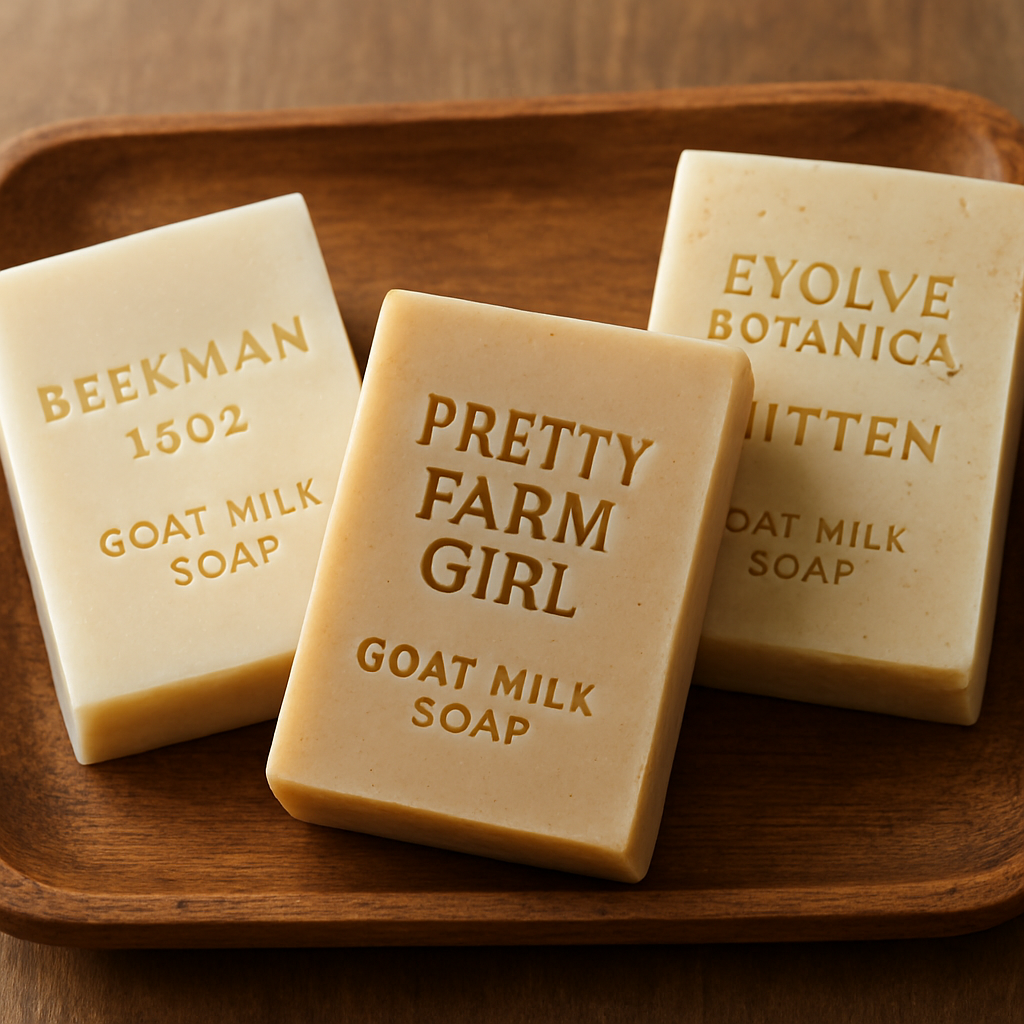
Bottom line: goat milk soap for eczema isn’t a one‑size‑fits‑all, but these three products give you a reliable starting point. Test, track, and tweak – your skin will thank you.
Tips for Using Goat Milk Soap Effectively with Eczema
Okay, you’ve got a bar of goat milk soap that looks promising. The next step is making sure it actually helps your eczema instead of turning shower time into a new irritation.
Start with a gentle patch test
Before you invite the soap into your daily routine, lather a tiny dab on the inside of your forearm. Wait 24 hours. If the skin stays neutral, you’re good to go; if you notice redness or a sting, swap to a different formula.
Mind the water temperature
Hot water strips the skin’s natural oils faster than any soap can replace them. Aim for lukewarm—think “just off the tap”—so the lactic acid in the goat milk can do its gentle exfoliation without shocking your barrier.
Do you ever wonder why a short, warm rinse feels better than a steamy marathon? It’s because the skin’s proteins stay intact, letting the milk’s fats lock in moisture.
Massage, don’t scrub
Give the bar a 20‑30 second massage. You’re not trying to create a squeaky‑clean surface; you’re coaxing the milk’s nutrients into the outer layer. A quick pause of 10 seconds before you rinse lets the lactic acid and fatty acids sink a little deeper.
Rinse with care
Use just enough water to wash away suds. Over‑rinsing can wash away the thin moisturizing film the soap leaves behind. Pat the skin dry with a soft towel—don’t rub.
Lock in moisture within three minutes
The window after you step out of the shower is prime time for a fragrance‑free moisturizer. The goat milk’s natural fats act like a primer, so a light lotion slides on smoother and stays longer.
We’ve seen customers say the difference between “still itchy” and “finally calm” is that quick moisturize step.
Frequency matters
Most people find a once‑daily cleanse works best. If you shower twice a day, consider using the unscented version on the second wash to avoid over‑exfoliation.
And if you’re tempted to use the soap on every part of your body, think about your most problematic zones. Focus the longer massage on elbows, knees, and hands—those are the places eczema loves to set up camp.
Combine with complementary ingredients
Many goat milk soaps already contain oatmeal or honey, but you can boost the routine with a short soak. Drop a small chunk of the bar into a warm bath for 5‑10 minutes; the water becomes a milky bath that lets the skin soak up extra nutrients.
If you prefer a quick “bath‑in‑a‑cup,” dissolve a teaspoon of the bar in a bucket of lukewarm water and use it as a hand‑wash for especially dry patches.
Watch the label for hidden irritants
Even a goat‑milk‑based bar can hide fragrances, essential oils, or SLS. Stick to formulas that list goat milk as the first ingredient and have a single soothing add‑in like oatmeal, honey, or buttermilk. That’s the sweet spot we’ve found in our own testing.
For a quick reference, Bend Soap’s product page breaks down exactly why those four core ingredients—raw goat milk, coconut oil, olive oil, and sustainable palm oil—work together to hydrate and calm eczema‑prone skin.Bend Soap’s all‑natural goat milk soap explains the role of lactic acid and fatty acids in a way that’s easy to understand.
Know the limits
Goat milk soap isn’t a prescription, so if you notice persistent flare‑ups, consult a dermatologist. Some folks are allergic to dairy proteins, and a patch test will catch that early.
Ollie Skincare’s blog also notes that while the soap is generally gentle, it can still dry the skin if you skip the post‑shower moisturizer.benefits and risks of goat milk soap for eczema
Bottom line: treat the soap like a supportive teammate, not a magic wand. Patch test, use lukewarm water, massage briefly, rinse lightly, moisturize fast, and you’ll likely see that itchy red map of eczema start to smooth out over a couple of weeks.
Conclusion
If you’ve made it this far, you’ve probably felt the mix of hope and doubt that comes with trying a new skin‑care solution. Goat milk soap for eczema isn’t a miracle cure, but it does give you a gentle, pH‑balanced partner that can calm itch, hydrate barrier and keep fragrance‑free irritants at bay.
Remember the three things we kept stressing: first, goat milk should sit at the top of the ingredient list; second, pick a single soothing add‑in like oatmeal or honey; third, always patch‑test before you commit. When those boxes are checked, you’ve built a solid foundation for a routine that respects your skin’s natural rhythm.
In our experience at Evolve Botanica, customers who stick with a consistent bar, use lukewarm water, and follow with a fragrance‑free moisturizer notice fewer flare‑ups after just a couple of weeks. It’s the little habits—short massage, quick rinse, timely moisturize—that turn a simple bar into a skin‑friendly habit.
So, what’s the next step? Grab a goat milk soap that meets the checklist, do the patch test, and give your skin a week to speak. If you see the redness soften, keep it in your daily lineup and enjoy the calm.
Need a hand picking the right bar or want to see what’s fresh for the holidays? Stop by our booth at Etowah Mills this Saturday or swing by the Congregation Or VeShalom Hanukkah Bazaar on Sunday. We’d love to help you make the choice that feels right for you.
FAQ
Can I use goat milk soap for eczema on my face?
Yes, you can use goat milk soap for eczema on your face, but treat it gently. Because the skin on your face is thinner, start with a tiny patch on your jawline and wait 24 hours. If no redness or burning shows up, lather a small amount with lukewarm water, massage for just 15‑20 seconds, then rinse lightly. Follow immediately with a fragrance‑free moisturizer to lock in the milk’s natural fats.
How often should I wash with goat milk soap for eczema?
Most people find once‑daily use is enough for eczema relief. Wash in the morning or at night—whichever fits your routine—using lukewarm water and a brief 20‑second massage. If your skin feels dry later in the day, you can repeat a quick rinse, but avoid scrubbing twice because over‑exfoliation can compromise the barrier. Consistency over two‑weeks is the real game‑changer.
Do I need to rinse completely or can I leave a thin film?
You don’t need to strip every last bubble. After the brief massage, let the lather sit for about ten seconds—this gives the lactic acid and fatty acids a chance to sink in. Then rinse with just enough water to wash away the suds. Leaving a faint, creamy slip on the skin is actually a good sign that the soap’s moisturizers are still coating the surface.
Is it safe to share my goat milk soap with family members who have different skin types?
Sharing is caring, but keep a few rules in mind. If someone has a known dairy allergy or very sensitive skin, they should run a patch test first. Otherwise, most family members can safely use the same bar because the formula is fragrance‑free and sulfate‑free. Just make sure everyone stores the soap dry between uses, so it doesn’t get mushy and lose its pH balance.
What should I look for on the label to avoid irritants?
Read the ingredient list like you would a food label. Goat milk should be the first ingredient, followed by a high‑quality oil such as olive or coconut. Look for a single soothing add‑in—oatmeal, honey, or chamomile—and a clear statement that the bar is fragrance‑free, SLS‑free, and parabens‑free. If you see synthetic dyes, essential‑oil blends, or “fragrance” anywhere, skip that bar.
Can I combine goat milk soap with other eczema treatments like prescription creams?
Goat milk soap works well alongside prescription creams, but timing matters. Apply the medicated cream after you’ve finished washing and dried the skin, then wait a minute before slathering on a fragrance‑free moisturizer. The soap’s gentle acids won’t interfere with the prescription, and the moisturizer helps seal in both the cream’s actives and the milk’s fats. Always check with your dermatologist if you’re unsure.
What’s the best way to store goat milk soap to keep it fresh?
Keep your goat milk soap dry and airy. After each use, let the bar sit on a well‑ventilated soap dish that drains excess water away from the bottom. Avoid sealed containers or plastic bags, which trap moisture and can cause the bar to soften or develop mildew. If you travel, wrap the bar in a breathable muslin pouch and let it dry before you pack it.
0 comments