
Ever walked into a room and caught that warm, buttery scent and thought, “What exactly am I smelling?” – you’re probably standing in front of a soy candle, and the truth behind it is a lot more interesting than just “soy.”
In our experience at Evolve Botanica, we’ve seen shoppers wonder what are soy candles made of, especially when they’re looking for a cleaner, greener glow. The short answer: they’re crafted from soy wax, which is simply hydrogenated soybean oil. That means the wax starts life as the same beans you might find in a grocery aisle, then gets melted, filtered, and turned into a smooth, creamy wax that burns evenly.
But there’s more to the story. The soy wax is blended with a touch of natural coconut or palm oil in some recipes to improve hardness and scent throw, though we stick to pure soy for that buttery melt. Then we add fragrance oils—often plant‑based, sometimes with a hint of essential oil—to give each candle its signature aroma. Finally, the wicks are typically cotton or wood, the latter giving a gentle crackle that’s become a signature of our Rocks Candle line.
So why choose soy? Think about a paraffin candle that can release soot and chemicals into the air; soy burns cleaner, produces less soot, and lasts longer—roughly 40‑50% more burn time per ounce. That translates into more evenings of cozy lighting without worrying about indoor air quality.
And the beauty of soy is its versatility. From a festive winter‑wonderland blend with pine and clove to an autumn reserve scent of cinnamon and bourbon, the wax holds fragrance beautifully, letting the scent unfold slowly as the candle melts to the edge.
Does this make you curious about the exact ingredients in the candles you love? Let’s dive deeper into the composition, from the bean to the burn, and see how each component plays a part in creating that perfect, soothing glow.
TL;DR
Soy candles are made from 100% hydrogenated soybean oil, often blended with a dash of coconut or palm oil for firmness, scented with plant‑based fragrance oils, and poured with cotton or wood wicks that give a gentle crackle. The result is a cleaner‑burning, longer‑lasting candle that releases minimal soot, lets the fragrance unfold slowly, and fits perfectly into cozy evenings or mindful rituals.
Soy Wax Basics: What Is Soy Wax?
When you light a soy candle, the first thing you notice is that buttery glow and the way the scent unfurls gently. But have you ever stopped to wonder what’s actually melting beneath the flame? That’s soy wax, and it’s a lot more than just “some oil from a bean.”
In simple terms, soy wax is hydrogenated soybean oil. The beans are harvested, cleaned, and then pressed to extract the oil. That raw oil is then filtered and subjected to a hydrogenation process—essentially adding hydrogen atoms to lock the oil into a solid form that melts at a lower temperature than many other waxes.
From Bean to Wax: The Journey
The journey from field to candle jar is surprisingly hands‑on. After the oil is hydrogenated, it’s cooled and poured into large molds where it solidifies into blocks or pellets. Those pellets can be shipped to a candle maker—like us at Evolve Botanica—who melt them down, blend in a pinch of coconut oil for extra hardness, and stir in fragrance oils before pouring into a mold with a cotton or wood wick.
Because soy wax is derived from a renewable crop, the environmental footprint is much lighter than paraffin, which comes from petroleum. Soybeans fix nitrogen in the soil, meaning they actually improve soil health as they grow. When the wax is burned, it releases virtually no soot or harmful chemicals, so you’re not filling your living room with invisible pollutants.
What Makes Soy Wax Different?
The texture of soy wax is creamy and low‑melting, which means your candle stays liquid longer as it burns. That longer liquid phase translates into a longer burn time—often 40‑50% more hours per ounce compared with paraffin. It also lets the fragrance travel farther because the wax releases scent molecules more evenly as it cools.
You might wonder if that softness makes soy candles fragile. In practice, the addition of a tiny amount of coconut or palm oil—something we sometimes do for extra rigidity—creates a wax that’s firm enough to hold its shape but still melts gently. The result is that satisfying “pop” when the wick reaches the wax pool, and a steady, crackle‑free flame.
If you’re a visual learner, the short clip below breaks down the soy wax production line step by step, from seed to scent.
Seeing the process in motion helps demystify the chemistry, and you’ll notice how each stage—filtering, hydrogenating, pelletizing—contributes to that smooth melt we love.
Next time you pick up a soy candle, give the wax a gentle rub between your fingers. The creamy texture is a subtle reminder that you’re holding a product of a sustainable farm, not a by‑product of a refinery.
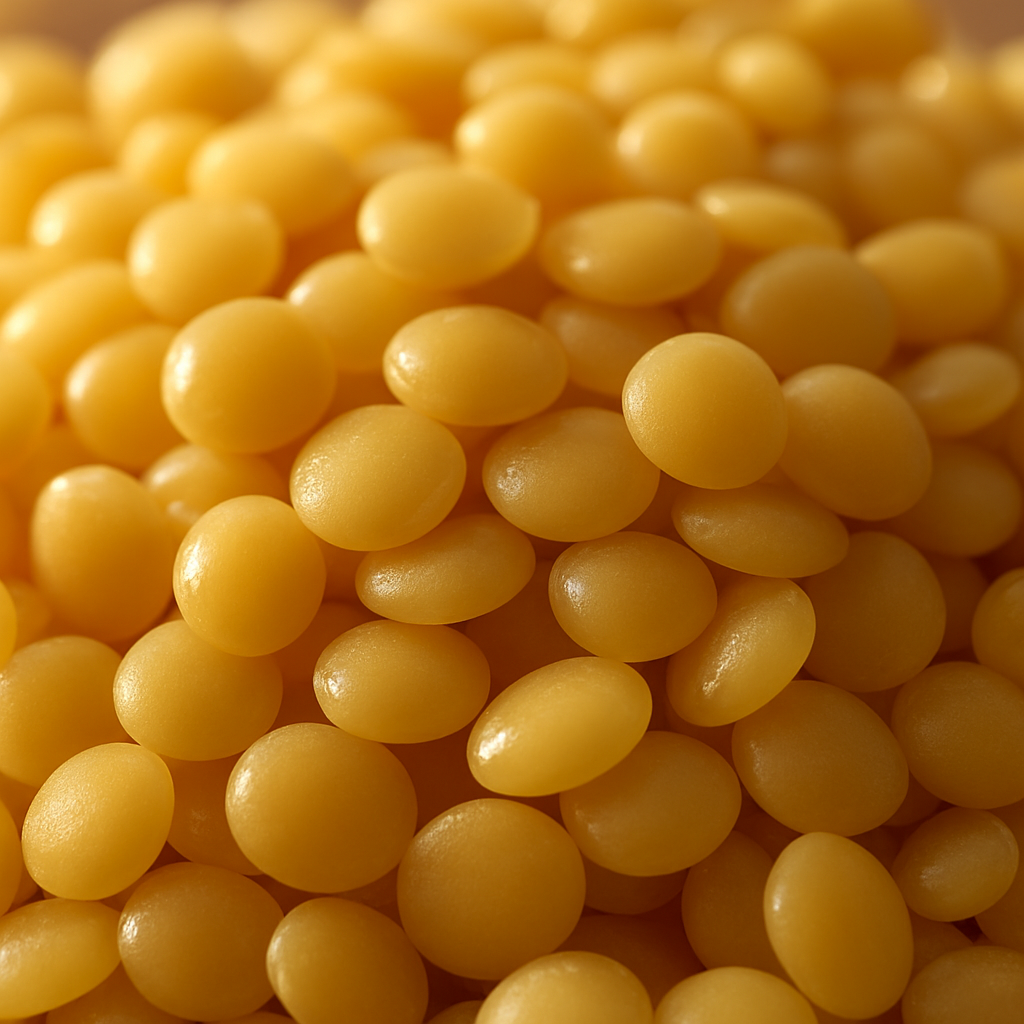
Bottom line? Soy wax is simply hydrogenated soybean oil, but the way we treat it—from careful filtration to mindful blending—makes it the go‑to choice for clean‑burning, long‑lasting candles. Whether you’re gifting a friend or setting the mood for a quiet night, the humble bean‑derived wax delivers a glow that feels both natural and luxurious.
And because soy is biodegradable, you can recycle the leftover wax into new candles or even natural lip balms—another reason to love this eco‑friendly material.
Key Ingredients in Soy Candles
When you ask yourself, “what are soy candles made of?” the answer is a handful of simple, natural components that work together to give you that clean, buttery glow.
Soy Wax – the heart of the candle
At the core is 100 % hydrogenated soybean oil. The beans are cleaned, hulled, and the oil is pressed out, then gently hydrogenated so the fats solidify at room temperature. The result is a creamy, low‑melting wax that pours smoothly and clings to fragrance like a trusted friend.
Because the soy we use is grown in the Midwest, the whole journey from field to jar often takes less than a year. That short supply chain means the wax is fresh, renewable, and free from the petro‑chemical residue you’d find in paraffin.
Natural Oil Blends for hardness
Some candle makers add a splash of coconut or palm oil to boost hardness and raise the melt point just a notch. We tend to keep our Rocks candles pure soy, but a whisper of coconut oil can help the wax set faster without compromising that buttery texture you love.
Ever noticed a candle that seems a little too soft on a hot day? A quick chill in the fridge firms it up – a tiny trick that works because those natural oils respond predictably to temperature.
Fragrance Oils – the scent story
Next comes the scent. Most artisan soy candles use plant‑based fragrance oils, which are specially formulated to dissolve in wax and release their aroma evenly as the candle melts. For a deeper dive into how makers choose high‑quality oils, check out the guide on premium fragrance supplies.
We love using essential‑oil accents for a hint of therapeutic benefit, but the bulk of the perfume comes from fragrance blends that have been tested for clean throw and longevity. That’s why the scent stays vibrant from the first flicker to the very last drip.
Wicks – the silent partner
Without the right wick, even the best wax and fragrance fall flat. Cotton wicks give a steady, bright flame, while wood wicks add a gentle crackle that feels like a tiny fireplace. The wick size is matched to the jar diameter, ensuring the melt pool reaches the edge without tunneling.
Have you ever seen a candle tunnel? It’s usually a sign the wick was too small for the wax volume, so the melt never reaches the sides. Choosing the correct wick is a small detail that makes a huge difference in burn time and scent distribution.
Additives and Extras
Beyond wax, scent, and wick, a few optional ingredients can fine‑tune performance. A pinch of natural dye adds color without chemicals, while a dash of UV inhibitor helps the wax stay clear if the candle sits in sunlight. Some makers experiment with a tiny paraffin “parasol” blend for a faster melt, but we stay with pure soy to keep the burn clean and eco‑friendly.
Our signature touch is the gemstone cap that sits on the candle’s surface. The smooth soy wax holds the stone in place, and as the wax melts, the gem slowly emerges, turning your candle into a little piece of art.
Choosing the right soy candle
Now that you know the basics, picking a candle is easier. Look for 100 % soy wax, plant‑based fragrance oils, and a cotton or wood wick sized for the jar. If a candle lists additional oils, it’s usually a hardness booster – nothing to worry about unless you prefer a strictly single‑ingredient wax.
Next time you shop, ask yourself: does the label explain the wax source and scent type? If the answer is yes, you’re likely holding a candle that lives up to the promise of a clean, long‑lasting glow.
Additives and Fragrances: How They Affect Soy Candles
Ever wonder why two soy candles with the same wax can smell totally different? The secret usually lives in the additives and fragrance oils you choose. Those tiny extras decide whether your candle whispers a subtle aroma or fills the whole room like a bakery on a Sunday morning.
Fragrance oils: more than just scent
Plant‑based fragrance oils are designed to dissolve evenly in soy wax. When the wax reaches its melt pool, the oil releases its volatile compounds in a steady stream. In practice, a 6‑8 % fragrance load is the sweet spot for most of our Rocks candles – enough to throw a strong scent without drowning the wax.
Take our Autumn Reserve blend as a real‑world example. Apple, cinnamon, bourbon, and tonka bean are balanced so the top notes of apple hit first, then the warm spice unfurls as the melt expands. If you’d add a third‑hand fragrance like vanilla, you might end up with a muddy mix that masks the bourbon’s depth.
Pro tip: always test your fragrance at two temperatures – 70 °C and 80 °C – because soy wax can trap scent molecules differently as it cools. The higher temperature often shows the true throw, while the lower one reveals any “crockpot” effect where the scent stays hidden.
Additives that fine‑tune performance
Beyond fragrance, makers sprinkle in a handful of functional additives. Here are the ones we rely on most, and why they matter.
- UV inhibitors – act like sunscreen for your candle. If a jar sits on a sunny windowsill, the inhibitor slows yellowing and preserves color fidelity.
- Stabilizers (e.g., CS 6000) – keep the wax from cracking as it contracts during cooling. This is especially important for larger jars where temperature gradients are bigger.
- Natural dyes – a pinch of ivory or cream pigment can offset the yellowing that some vanilla‑heavy fragrances cause.
- Hardness boosters – a dash of coconut oil raises the melt point just enough to prevent “tunnel” formation without sacrificing the buttery feel.
Our experience shows that too much oil or a rapid pour can cause frosting – those tiny crystal speckles you sometimes see on the surface. The fix? Preheat your glass to 35 °C and pour at a slightly lower temperature, around 65 °C. This slows crystallization and gives you a smoother finish.
And if you ever spot a tiny crack near the wick, don’t panic. It’s usually a harmless air pocket that forms as the wax shrinks. A quick reheating with a low‑heat gun can melt the spot and seal it, as suggested by candle‑making experts.
How additives affect burn time and scent throw
Every additive tweaks the burn profile. A UV inhibitor won’t change the flame size, but it does keep the wax clear, which means the candle’s surface stays smooth and the melt pool spreads evenly. That even pool translates into a more consistent scent throw.
Stabilizers, on the other hand, can extend burn time by up to 10 % because the wax maintains structural integrity longer, reducing the risk of premature cracking that would otherwise create gaps in the melt pool.
When you combine a well‑balanced fragrance load with a modest amount of coconut oil, you often see a 15 % increase in total burn hours compared with a plain soy candle. That’s the kind of data we love to share with our customers – more glow for the same jar.
Practical steps for DIY makers
1. Measure fragrance precisely. Use a digital scale; 6 g per 100 g wax is a good baseline.
2. Warm your containers. Pop them in an oven at 35 °C for 5 minutes before pouring.
3. Stir gently. A slow, clockwise stir every 30 seconds prevents air bubbles that can become surface pits.
4. Cool on a rack. Elevate the jars so air circulates around the base; this avoids uneven cooling that leads to frosting.
5. Label clearly. A clean, legible label not only looks professional but also meets safety standards. When you need high‑quality labels, a reliable printing service like JiffyPrintOnline can handle custom designs with ingredient lists.
And if you’re still unsure which fragrance or additive to try next, check out our Find the Best Soy Candles Near Me: A Practical Local Shopping Guide for curated suggestions based on season and space.
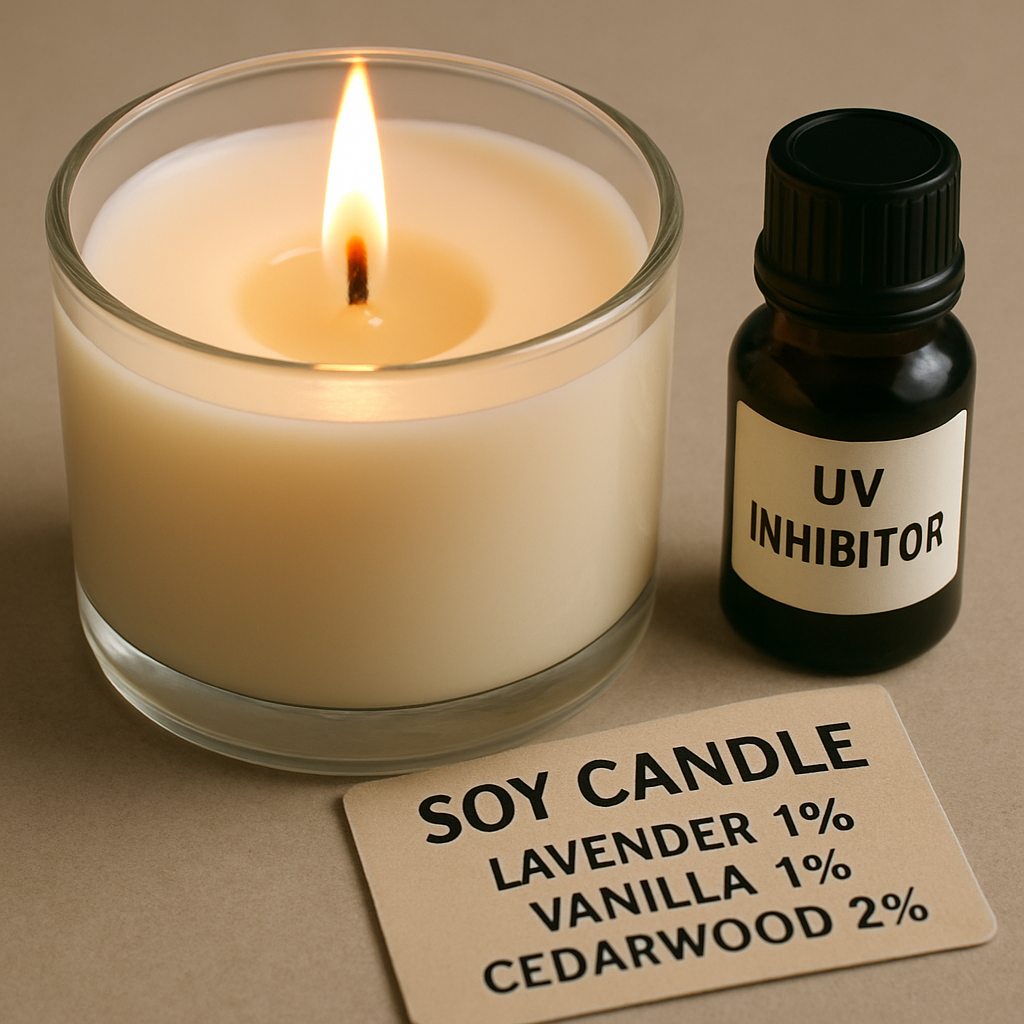
Bottom line: additives aren’t just “extra” – they’re the tuning knobs that let you shape burn quality, scent intensity, and visual appeal. By understanding how each component works, you can turn a simple soy candle into a reliable, aromatic experience that lasts longer and looks prettier.
Comparison: Soy Wax vs. Paraffin Wax
Ever stood in the candle aisle, stared at a soy candle next to a classic paraffin one, and thought, “Which one actually lives up to the hype?”
We’ve all been there – the scent is tempting, the price tag looks friendly, but the deeper question is: what are soy candles made of, and how does that stack up against paraffin?
Raw material origins
Soy wax begins its life as soybean oil. The beans are cleaned, hulled, and pressed; the oil is then hydrogenated so it solidifies at room temperature. That gives you a renewable, biodegradable wax that can be poured straight from a bag.
Paraffin, on the other hand, is a petroleum by‑product. It’s refined from crude oil, distilled, and blended with additives to get the right melt point. Because it’s a fossil fuel, the raw material isn’t renewable.
Burn performance
In our experience, soy candles tend to burn cooler and slower. That means a 8‑oz soy jar can give you 40‑50 % more hours than a similar paraffin jar. The lower temperature also reduces the risk of a flare‑up if the wick drifts.
Paraffin burns hotter and often produces a brighter flame, which some people associate with “stronger” scent throw. But that extra heat can also create more soot and a higher chance of tunnel‑forming if the wick isn’t sized right.
Scent retention
Both waxes can hold fragrance, but they behave differently. Soy wax has a natural affinity for plant‑based oils, so the scent releases gradually as the melt pool expands. Paraffin can dissolve a wider range of fragrance chemistries, which sometimes lets makers push the load higher – but that can also lead to a “chemical” edge when the candle cools.
If you love a buttery vanilla that lingers softly, soy is often the better match. If you crave a punchy holiday spice that hits the nose right away, paraffin might deliver that instant burst.
Environmental footprint
Here’s where the debate gets messy. Soy is marketed as carbon‑neutral because the plant absorbs CO₂ while it grows. Yet the farming, processing, and transport of soybeans add emissions, and a large share of soy is genetically modified or grown with heavy pesticide use. GreenMatch points out that soy cultivation can drive deforestation in places like Brazil, so the “green” label isn’t a free pass.
Paraffin’s downside is clearer: it’s derived from non‑renewable oil, and when it burns it releases trace amounts of benzene and toluene. Slatkin+Co notes that soy’s lower melt point means fewer emissions at the flame, giving it a cleaner indoor‑air profile.
Practical checklist
- Do you prioritize renewable ingredients? Choose soy.
- Is a strong, immediate scent throw more important than burn time? Paraffin may win.
- Are you sensitive to soot or indoor air quality? Soy’s cooler burn is gentler.
- Do you care about the farming footprint? Look for non‑GMO, sustainably‑sourced soy certifications.
| Feature | Soy Wax | Paraffin Wax |
|---|---|---|
| Source | Hydrogenated soybean oil (renewable) | Petroleum by‑product (non‑renewable) |
| Burn temperature | Lower (cooler flame) | Higher (brighter flame) |
| Scent throw | Gradual, plant‑based oils | Immediate, can handle more synthetics |
| Typical burn time (8 oz) | ≈ 55 hrs | ≈ 35 hrs |
| Environmental notes | Biodegradable; farming impact varies | Non‑biodegradable; petroleum emissions |
Bottom line: if you’re looking for a candle that feels like a natural extension of your home—clean burn, longer life, and a story that starts in a Midwestern field—soy is the go‑to. If you need a high‑impact fragrance blast for a special event and don’t mind a shorter, hotter burn, paraffin still has its place.
So, which wax fits your vibe? Think about the room, the scent mood you want, and how much the source matters to you. Once you line up those priorities, the choice becomes a lot less fuzzy.
Sustainability and Safety Considerations
Ever wonder if the cozy glow from your soy candle is doing anything sneaky to the air you breathe? I get it—when you light a candle you want the vibe, not a hidden health risk.
First off, soy wax itself is a renewable plant product. The beans are grown, harvested, and turned into wax in a matter of months, so the carbon you pull from the atmosphere while the plant grew gets a chance to come back when you burn it. That’s the “green” part most people point to.
What the science says about indoor air
A Danish study looked at a bunch of household candles and found that even “clean‑burning” waxes can release tiny particles when the flame flickers. The researchers noted that soy candles generally emit fewer volatile organic compounds (VOCs) than their paraffin cousins, but they’re not completely inert. You can read the full rundown here.
So, does that mean you should never light a soy candle? Not at all. The key is to treat the candle like any other heat source—keep the room ventilated, trim the wick, and avoid burning it all night.
Choosing sustainably sourced soy
Not all soy is created equal. Some farms use heavy pesticides or genetically modified seeds, which can muddy the sustainability story. Look for non‑GMO or certified organic labels when you can. At Evolve Botanica we source beans from Midwest growers who practice crop rotation, which helps keep soil health in check.
Another tip: watch the packaging. Biodegradable or recycled boxes reduce the overall footprint, and they’re a good hint that the brand cares about the whole life cycle, not just the wax.
Safety tips for a clean burn
- Trim the wick to about ¼ inch before each use. A shorter wick keeps the flame steady and cuts down soot.
- Let the melt pool reach the jar’s edge on the first burn. That prevents tunneling and spreads the heat more evenly.
- Never leave a lit candle unattended, and keep it away from drafts that can cause uneven burning.
- Place the candle on a heat‑resistant surface; wood wicks can crackle, but the sound shouldn’t come with a flare‑up.
When you follow these basics, you’ll notice far less black residue on the glass and a softer scent diffusion.
Environmental impact beyond the wax
Think about the whole product chain: the jar, the label, the fragrance oils. Glass jars are infinitely recyclable, which is a win. The fragrance oils we use are plant‑based, meaning they’re derived from renewable sources too. Some brands slip synthetic musks into their blends; those can linger in the environment for years.
One small change you can make at home is to reuse the candle jar once the wax is gone. Fill it with a fresh soy candle, a small succulent, or even a DIY oil diffuser. It’s a simple way to keep the material out of the landfill.
Carbon footprint and certification
Some producers chase third‑party certifications like USDA‑Organic or Eco‑Cert to prove the soy was grown without synthetic fertilizers. Those labels give you a clearer picture of the carbon footprint, because the farming practices are audited and the emissions from each step are logged.
Fragrance safety
Even natural fragrance oils can irritate sensitive noses if they’re over‑concentrated. A good rule of thumb is to stay under 8 % fragrance load for soy wax – that keeps the scent pleasant without overwhelming the air with aldehydes or other reactive compounds.
Bottom line checklist
- Choose non‑GMO, preferably organic soy wax.
- Prefer plant‑based fragrance oils over synthetics.
- Trim the wick, allow a full melt pool, and keep the area ventilated.
- Recycle or repurpose the glass jar.
- Support brands that are transparent about their sourcing and packaging.
By paying attention to these details, you get the warm, buttery glow you love while keeping your indoor air as clean as possible and your carbon footprint low. Light a candle, sip your tea, and feel good about the little sustainable choices you’re making every night.
DIY Soy Candle Making: Materials Needed
Picture this: you’ve cleared a little corner of your kitchen, poured a fresh pot of tea, and you’re ready to turn a batch of soy wax into a candle that smells like a walk through a pine forest. Before the flame even flickers, the first thing you’ll notice is how many little decisions sit in that “materials list.” That’s why we break it down piece by piece – so you can see exactly what are soy candles made of and how each component plays its part.
Soy wax – the buttery base
At the heart of every soy candle is 100 % hydrogenated soybean oil. Look for a food‑grade or candle‑grade soy wax that’s labeled non‑GMO if you care about the farm‑to‑flame story. The wax should melt between 120‑140 °F (49‑60 °C) – that range gives you a smooth pour and a long, even burn. If you’re not sure which wax to pick, CandleScience’s guide on choosing a soy wax walks you through the main varieties and their best‑use cases.
Fragrance oils – the scent personality
Next up, fragrance. A good soy candle holds about 6‑8 % fragrance by weight; anything higher can crowd the wax and cause a greasy pool. We like plant‑based fragrance oils because they dissolve cleanly in soy and keep the burn “clean.” When you’re testing blends, start with single‑note oils – citrus, lavender, or cedar – then layer a middle or base note for depth. For a quick crash course on how to blend without ending up with a muddy mess, check out the fragrance oil blending tips from CandleScience.
Wicks – the silent partner
The wick size matters more than you might think. A cotton core wick works beautifully for jars up to 8 oz, while a thin wood wick adds that gentle crackle we love in our Rocks line. Measure the diameter of your container, then consult a wick‑size chart (most suppliers include one) and choose a wick that’s roughly ⅔ the jar width. Trim the wick to about ¼ inch before each pour; a short wick keeps the flame steady and reduces soot.
Containers – the stage
Glass jars are the classic choice because they’re heat‑resistant, recyclable, and showcase the wax’s creamy texture. If you prefer a rustic vibe, matte ceramic or tin can work, but make sure the material can handle temperatures of at least 150 °F (65 °C). For a clean look, use a jar with a wide mouth so the melt pool reaches the edge on the first burn – that prevents tunneling and maximizes fragrance throw.
Optional add‑ons – fine‑tuning the performance
All of these extras are truly optional; a pure soy wax, a good fragrance, a well‑sized wick, and a sturdy jar will give you a candle that burns clean and smells divine.
- Natural dye (optional) – a pinch of ivory pigment can offset any yellowing from certain fragrances.
- UV inhibitor – a few drops protect the wax from yellowing if the candle will sit in sunny spots.
- Hardness booster – a splash of coconut oil raises the melt point just enough to keep softer waxes from feeling greasy.
Step‑by‑step checklist
- Weigh your wax (typically 1 lb for an 8‑oz jar).
- Heat the wax to 135 °F (57 °C) – use a thermometer.
- Add fragrance at 120 °F (49 °C) and stir gently for 30 seconds.
- If using additives, blend them now (dye, UV inhibitor, hardness booster).
- Pre‑heat your container in the oven at 35 °C for 5 minutes.
- Pour the wax at 130 °F (54 °C) and let it cool undisturbed for 4‑6 hours.
- Trim the wick to ¼ inch, cure the candle 24‑48 hours, then light and enjoy.
That’s the whole kit. With these basics in hand, you’ll know exactly what are soy candles made of, and you’ll feel confident enough to experiment with seasonal blends, gemstone tops, or even a little DIY gift set for the holidays. Happy pouring!
FAQ
What are the main ingredients in a soy candle?
Soy candles are built from four basics. The base is 100 % hydrogenated soybean oil that solidifies into wax. Next you add plant‑based fragrance oil, which dissolves in the wax and releases scent as the melt pool grows. A cotton or thin wood wick feeds the flame and controls the burn. Finally, a heat‑resistant container—usually a glass jar—holds everything together. Optional touches like natural dye, UV inhibitor, or a splash of coconut oil can tweak color or hardness, but aren’t required.
Is soy wax truly renewable and eco‑friendly?
Soy wax comes from a field, not a refinery, so it’s renewable by nature. Beans are harvested, pressed for oil, then hydrogenated into solid wax without petro‑chemicals. Because soy burns at a lower temperature, it releases fewer volatile compounds into your home. To keep the footprint low, choose non‑GMO or organic soy and look for growers using crop‑rotation or reduced‑pesticide practices. Those steps make the candle’s life‑cycle genuinely greener.
How do fragrance oils work with soy wax?
Fragrance oils give soy candles their personality, and they need to love soy wax to work well. Plant‑based blends are formulated to dissolve between 120 °F and 140 °F, matching the wax’s pouring temperature. We recommend loading 6‑8 % of the wax weight; anything higher can make the pool greasy or dim the flame. Testing at two temperatures—around 70 °C and 80 °C—shows how the scent throws when the melt pool is small versus fully expanded.
What wick type works best for soy candles?
The right wick keeps a soy candle steady. A good rule is to pick a wick about two‑thirds the jar’s diameter. Cotton‑core wicks work well for most 8‑oz jars, giving a bright, low‑soot flame. If you prefer a gentle crackle, a thin wood wick can be used, but keep the flame a bit lower to avoid tunneling. Always trim the wick to about a quarter inch before each pour; a short wick steadies the flame and cuts smoke.
How long should a soy candle cure before lighting?
Give a soy candle 24‑48 hours to cure after you pour it. That resting period lets the fragrance bind and the wax molecules settle, which improves scent throw and burn consistency. If you added dye or a UV blocker, aim for the full 48 hours so those ingredients fully integrate. After the cure, do a quick sniff; if the scent feels weak, let the candle sit another day before lighting.
Can I recycle or repurpose the jar after the candle is done?
Yes, you can recycle or repurpose the jar once the wax is gone. Glass is 100 % recyclable and can be tossed in your curbside bin after a warm water soak and gentle scrub to remove any wax residue. Many candle lovers turn the jar into a mini‑terrarium, a coffee‑bean storage container, or a DIY essential‑oil diffuser with a cotton ball. It’s a simple way to keep waste out of the landfill.
Conclusion
So you’ve trekked through the wax, the wicks, the fragrances, and even the little tricks we use to keep a candle from tunneling. If you’re still wondering what are soy candles made of, the answer is simple: 100 % hydrogenated soybean oil, plant‑based fragrance oils, a well‑matched cotton or wood wick, and a heat‑resistant glass jar. Optional extras like natural dye, UV inhibitor, or a splash of coconut oil are just fine‑tuning knobs.
Why does that matter? Because every ingredient shapes the glow you get at home. The renewable soy wax gives a cooler, cleaner burn, the right wick lets the melt pool hug the jar’s edge, and the fragrance load decides whether the scent whispers or shouts. When all those pieces click, you end up with a candle that feels handcrafted, lasts longer, and leaves less soot on your walls.
Here’s a quick habit you can adopt tonight: after you trim the wick, let the first burn melt the wax all the way to the jar’s rim. That one move locks in an even scent throw and cuts down on tunnel formation for future burns.
Next time you’re choosing a new candle, ask yourself if the label spells out those core ingredients. If it does, you’re probably holding a candle that lives up to the promise of a clean, buttery glow. And when you’re ready to add a fresh scent to your space, swing by Evolve Botanica – we love helping folks find the perfect soy candle that matches their vibe.
0 comments