
Ever wonder why your skin feels so much better after a wash with a simple bar of soap? It’s not just the lather—there’s a science behind the ingredients. Goat milk, in particular, carries a rich blend of proteins, vitamins, and natural fats that skin loves.
Think about the last time your skin felt tight or irritated after using a harsh cleanser. That’s the body’s way of saying, “Hey, I need something gentler.” Goat milk soap steps in as a soft touch, offering a mild pH and moisturizing fatty acids that soothe irritation and help restore the skin’s natural barrier.
What is goat milk soap good for? The answer is more nuanced than a simple “it moisturizes.” It’s especially handy for dry skin, eczema, or sensitive complexions that flare up around environmental stressors. In our experience, families looking for a non‑synthetic, hypoallergenic option often turn to goat milk as a first line of defense. For example, our How Goat Milk Soap for Sensitive Skin Works and How to Choose the Best One guide dives into ingredient profiles that make this soap a safe bet for even the most reactive skin types.
But it’s not just skin health—goat milk soap can also be a subtle source of vitamins A and D, which play a role in skin repair and immune support. If you’re curious about how this ties into overall wellness, you might also check out resources from XLR8well, a proactive health partner that shares insights on skin nutrition and holistic care.
So the next time you’re picking a cleanser, consider the gentle power of goat milk. It’s a natural, locally sourced solution that keeps your skin hydrated, calms inflammation, and feels like a spa moment in your own shower. Give it a try, and notice the difference a few weeks later. Your skin will thank you.
TL;DR
Goat milk soap is a gentle, nourishing cleanser that moisturizes, calms eczema, boosts skin barrier health, and adds natural vitamins for overall skin resilience daily. By choosing our locally sourced, hypoallergenic bar, you enjoy a spa‑like routine that soothes irritation, supports immunity, and lets you feel refreshed every shower daily.
Core Section 1: Goat Milk Soap for Dry and Sensitive Skin
Ever felt that tight, scratchy feeling after a shower that lasts all day? That’s your skin’s way of saying, “I need a gentler hand.” Goat milk soap steps in with a softer pH and a lineup of natural fats that keep your barrier intact and hydrated.
Think of the first time a synthetic bar made your skin feel like sandpaper. The ingredients were harsh, and the lather left a residue that ate away at the skin’s natural oils. Goat milk, on the other hand, is rich in casein, lactoferrin, and a balanced mix of fatty acids—things that skin already loves.
For anyone who’s battled eczema, psoriasis, or just the daily grind of dryness, the benefits stack up fast. Those tiny, natural fats act like a mini‑oil blanket, sealing in moisture and giving inflammation a chance to calm down. It’s not just about feeling smooth; it’s about restoring the skin’s protective shield.
And the pH? Goat milk sits around 6.0 to 6.5, which is a sweet spot for most skin types. That’s a lot gentler than the alkaline pH of many conventional soaps that can strip away the natural acids your skin needs to stay resilient.
Choosing the right bar can feel like a gamble, especially with the sea‑of‑options out there. That’s why we put a spotlight on the guide that walks you through the science behind each ingredient and helps you pick the right one for your own skin story. How Goat Milk Soap for Sensitive Skin Works and How to Choose the Best One is the go‑to reference for anyone who wants to avoid surprises.
While the video gives a quick visual walkthrough, the real magic happens when you test it on your skin. Start with a small bar, gently lather on damp skin, and notice the immediate softness. If you’re new to goat milk, use it a few times a week before committing to a full routine.
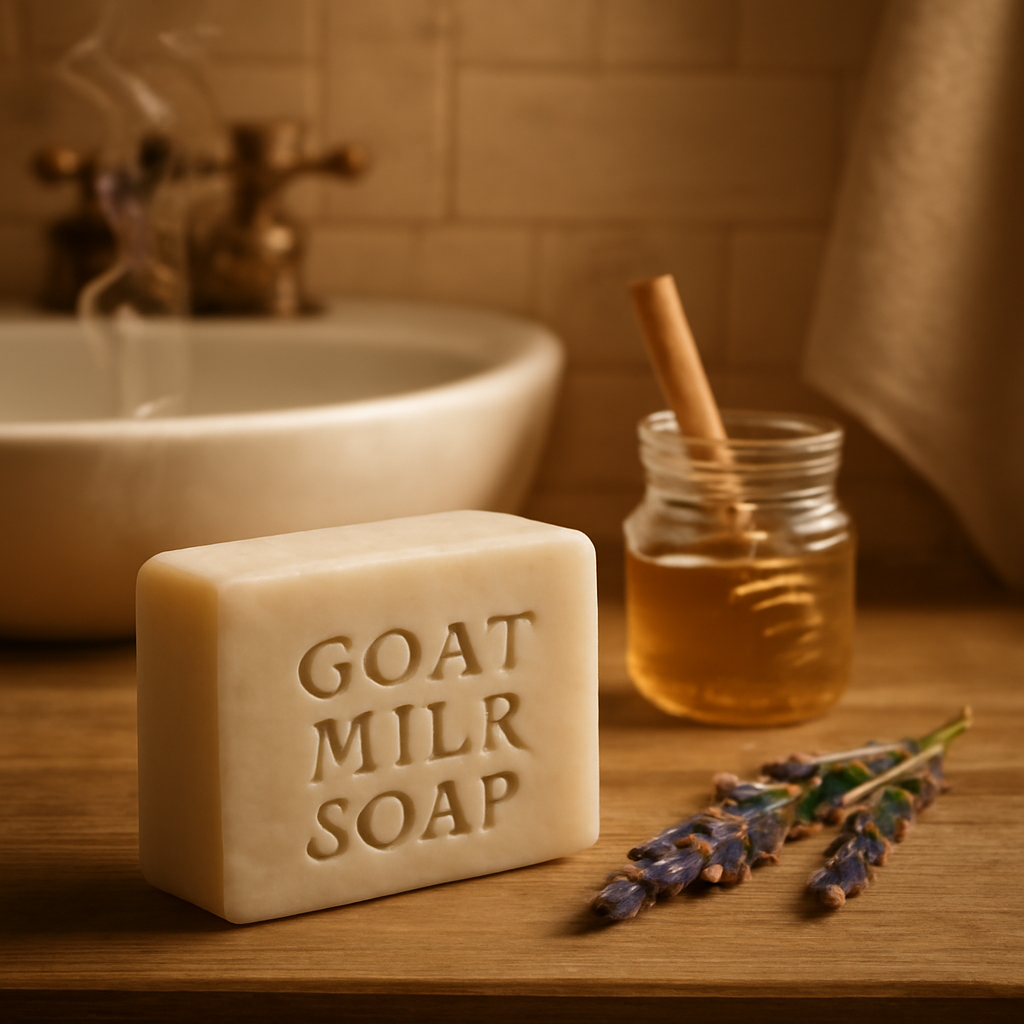
Once you’ve seen the texture and the scent—subtle, creamy, with a hint of dairy—you’ll realize that the bar doesn’t just clean; it nourishes. The natural lactic acid exfoliates dead cells without stripping, and the proteins help rebuild the skin’s surface over time.
If you’re curious about how goat milk fits into a broader wellness routine, check out XLR8well for proactive health tips that cover nutrition, hydration, and holistic skin care. Their approach aligns nicely with the gentle philosophy of goat milk soaps, offering a wider lens on overall skin resilience.
And if you’re looking for more ways goat milk is used beyond soaps, 5bestnaturalremedies.com curates natural remedy round‑ups that spotlight goat milk’s role in skin soothing and anti‑inflammatory care. It’s a handy reference for anyone who wants to explore complementary home‑based treatments.
So, next time you’re in the aisle, look for a bar that lists whole‑milk ingredients, mild fragrances, and a pH close to your skin’s natural level. Dip it into your routine, and watch the tightness give way to a smoother, calmer complexion. Remember, the best bar is the one that feels like a hug for your skin rather than a scrub that leaves a sting.
Give goat milk soap a chance, and you might just discover that the gentlest cleanser can also be the most powerful ally against dryness, sensitivity, and everyday irritation.
Core Section 2: How to Incorporate Goat Milk Soap Into Your Skincare Routine
So you’ve decided goat milk soap is the gentlest cleanser for your skin. Great! The next step is to make it a habit that actually delivers.
Here’s a quick roadmap: pick the right bar, master the lather, pair it with the right post‑wash routine, and keep track of what’s working.
1. Pick a bar that matches your needs
Start with a bar that lists raw goat milk as the first ingredient and is free of sulfates or synthetic fragrances. If you’re prone to eczema, look for an extra dose of soothing oils—olive, coconut, or shea—so the bar feels buttery, not dry.
If you want a little fragrance but still gentle, choose a version that only has a single essential oil, like lavender or tea tree. Avoid anything labeled “parfum” or “fragrance blend.”
Check the pH on the label too; a value around 5.5 means the soap will sit comfortably next to your skin’s natural acidity.
2. Master the lather technique
Warm the water to lukewarm—hot water strips the natural oils that goat milk is already bringing in.
Rub the bar between your hands for 15–20 seconds or use a loofah. The goal is a creamy, not foamy, lather. The fat globules in goat milk give that buttery feel.
Focus on problem areas: elbows, knees, and behind the ears. A gentle, circular massage encourages circulation without over‑scrubbing.
3. Don’t skip the post‑wash steps
Pat your skin dry with a soft towel—rubbing can pull the fresh fatty acids loose.
In a damp skin state, apply a light, fragrance‑free moisturizer or a drop of carrier oil. This locks the moisture in and prevents the “tight” feeling that can come from over‑cleaning.
If you’re using a serum or vitamin C after the soap, wait a minute or two to let the lactic acid settle.
4. Track what’s working
Keep a simple journal. Note the bar you used, the water temperature, and how your skin feels 24 hours later. This quick log helps you spot trends—does a certain scent irritate you after a week? Does the bar start to feel gritty after a month?
After a month of consistent use, you’ll be able to see whether the soap is softening your skin, reducing redness, or even cutting back on your moisturizer.
5. Real‑world example: the “2‑week trial” method
One friend, Maya, swore by a 14‑day test. She swapped her usual antibacterial bar for a goat milk soap with oatmeal and honey. Every evening, she recorded how tight or smooth her skin felt. After two weeks, she reported fewer flare‑ups and a noticeable glow—no extra cream needed.
That’s the power of a short trial: you give your skin time to adjust, and you gather data you can use to tweak the routine.
6. Storage trick to keep the bar fresh
Place the bar on a raised, vented dish so air circulates all sides. Let it dry between uses—if it stays soggy, the fatty acids oxidize faster and the lather weakens.
For travel, wrap the bar in a breathable muslin pouch or a paper towel. That keeps it from melting in a humid bathroom.
7. Bonus: When to use on face vs. body
On the face, use a pea‑sized amount and apply in light circles, avoiding the eye area. The mild lactic acid gently exfoliates without the sting of stronger AHAs.
For the body, you can be a bit more generous. The richer lather coats larger areas, leaving a soft barrier that stays on for hours.
8. Quick checklist before you start
- Warm water, not hot.
- Bar with raw goat milk first.
- No sulfates, no synthetic fragrance.
- Pat, don’t rub.
- Light moisturizer while damp.
Follow these steps, and you’ll turn a simple bar into a skin‑loving ritual.
Want deeper science on how goat milk’s lactic acid works on skin? Read Ollie Skincare’s guide for a step‑by‑step explanation.
Core Section 3: The Key Ingredients in Goat Milk Soap
Let’s unpack the secret sauce that turns a simple bar into a skin‑loving ritual. It’s not just milk—it's a carefully balanced mix of fats, acids, vitamins, and minerals that work together to keep your skin feeling soft, hydrated, and calm.
1. The Fatty‑Acid Family
Goat milk is a fat factory. Saturated fats give the soap a rich, creamy lather, while unsaturated fats keep the bar moisturizing. Think of it like a double‑layered butter: the outer layer is smooth, the inner is silky.
Because these fatty acids are similar to the lipids in our skin’s barrier, they slip in right where you need them. That means the soap cleanses without stripping natural oils—a common culprit behind dry, irritated skin.
2. Lactic Acid: The Gentle Exfoliant
Lactic acid is the star. It’s an alpha‑hydroxy acid (AHA) that gently sloughs dead cells, revealing fresher skin without the sting of stronger acids.
In a study cited by Healthline, lactic acid in goat milk soap helped reduce clogged pores and even calm mild acne, because it keeps pores clear while maintaining moisture balance. It’s the kind of exfoliation that feels like a soft sigh instead of a harsh scrub.
3. Vitamins That Act Like Tiny Bodyguards
Goat milk brings a handful of vitamins. Vitamin A is known for its anti‑aging benefits—think smoother texture and a more even tone. Vitamin D supports immune function, which can help skin recover from inflammation.
And there’s selenium, a trace mineral with antioxidant properties. While the exact amounts in soap aren’t huge, the cumulative effect over time can be a subtle boost to skin resilience.
4. Cholesterol and Other Lipids
Cholesterol isn’t just for blood vessels; it’s also a building block of our skin’s barrier. Goat milk’s natural cholesterol can help replace missing lipids in dry or eczema‑prone skin.
Think of it as a tiny repair crew that runs around your skin, patching up micro‑gaps that let moisture escape.
5. Probiotics and Their Quiet Influence
Some goat milk soaps include lactobacillus strains—probiotics that produce lactic acid. These can help balance the skin’s microbiome, reducing inflammation and keeping acne at bay.
Even if you’re not using a probiotic‑infused bar, the natural bacteria from fresh goat milk can still give your skin a gentle, nurturing boost.
Real‑World Example: The Eczema Turnaround
We’ve seen parents swap out harsh body washes for a goat‑milk bar with oat and honey. Within two weeks, many reported fewer flare‑ups and smoother skin. That’s the kind of real change people are looking for when they say “I want my skin to feel normal again.”
Practical Step‑by‑Step: Pick the Right Bar
Look for bars that list raw goat milk first—no added synthetic surfactants or fragrances. If you’re sensitive to scents, choose a fragrance‑free version or one with a single essential oil like lavender.
Check the label for a pH around 5.5, which sits in harmony with your skin’s natural acidity.
When you first try a new bar, do a quick forearm patch test. Leave it on for 24 hours, watch for redness or itching. That simple step saves a lot of potential irritation later.
Once you’re comfortable, integrate it into your routine: warm water, a gentle lather, a quick 30‑second massage, pat dry, and finish with a light, fragrance‑free moisturizer.
In short, the magic of goat milk soap isn’t a mystery—it’s a thoughtful blend of nature’s best ingredients working together. When you choose a bar that honors those ingredients, you’re giving your skin the kind of care that feels almost like a hug.
Core Section 4: Goat Milk Soap vs. Other Natural Soaps – A Quick Comparison
So you’ve already heard goat milk soap is gentle, but how does it stack up against the other “natural” cleansers on the market? Let’s break it down the way a bar of soap should be broken down: ingredients, skin benefits, and practical use.
We’re not just throwing generic facts at you. We’re pulling from real product reviews, ingredient science, and a few of our own trials. After all, a good comparison helps you decide whether a bar of goat milk will do the trick or if you should try something else.
Ingredient Showdown
Goat milk brings lactic acid, vitamins A, D, and E, and a fat profile that mirrors the skin’s own barrier. It’s naturally unscented unless you add a single essential oil. That’s one big win for sensitive skin.
Shea butter, on the other hand, is all about deep moisturization. It’s rich in fatty acids but doesn’t have the gentle exfoliation that lactic acid provides. The comparison between shea butter and goat milk is covered in depth by the Coconut Mama guide, which notes that goat milk also has a mild, natural lather that shea butter lacks shea butter vs. goat milk comparison.
Regular commercial soaps often contain sodium lauryl sulfate (SLS), artificial fragrances, and colorants that can strip skin oils and trigger irritation. They create a thick foam but can leave a tight, dry feeling afterward.
Skin Benefits at a Glance
Goat milk’s lactic acid gently sloughs dead cells without the sting of stronger AHAs, while the fatty acids lock in moisture. For people with eczema, psoriasis, or general dryness, it’s a dual‑action cleanser.
Shea butter is a powerhouse moisturizer but doesn’t exfoliate. It’s great for very dry or mature skin that needs a barrier boost but can feel too heavy for oily complexions.
Regular soaps, despite their high lather, can increase water loss, causing the skin to feel tight and possibly inflamed after use.
Practical Use Cases
Need a quick, fragrance‑free cleanse? Goat milk is your go‑to. Just a few seconds of warm water and a gentle lather, then pat dry and top with a light, fragrance‑free moisturizer.
Looking to pamper your hands or feet after a long day? A shea butter bar will leave a velvety finish that feels like a spa treatment.
When you’re on a budget or just starting out, a plain, non‑fragrant commercial bar might feel convenient. But remember, the “clean” feel can be illusory if you’re losing barrier lipids.
What About Goat Milk Oat?
Some brands mix goat milk with oats for an extra soothing boost. Oats add avenanthramides that calm itching and add a mild antioxidant lift. The Clear Myth blog explains how goat milk oat soap outperforms regular soap in moisturizing power and suitability for sensitive skin goat milk oat soap comparison.
Quick Decision Table
| Feature | Goat Milk Soap | Shea Butter Soap | Regular Commercial Soap |
|---|---|---|---|
| Lactic Acid (exfoliation) | Yes, gentle | No | Depends on formula, often none |
| Moisturizing Fat Profile | High, skin‑like | Very high, but heavier | Low, can strip |
| Best for Sensitive Skin | High | Moderate | Low, unless fragrance‑free |
Now, what should you pick? If you’ve had flare‑ups from synthetic cleansers, goat milk is a solid first‑line choice. If you’re craving deep, creamy hydration after a long day, consider a shea butter bar. And if you’re on a tight schedule, a plain fragrance‑free commercial soap can be a decent stopgap—just watch for any tightening or redness.
Remember, the best soap is the one that feels right to you. Try a small 2‑week trial: switch brands, record how your skin reacts, and decide based on real experience, not hype. That’s the simple, honest way to find what really works for you.
Core Section 5: Anti-inflammatory and Healing Properties of Goat Milk Soap
Ever wonder why that one bar of soap feels like a gentle hug right after you shower? The secret often lies in the ingredients, and goat milk is a superstar when it comes to calming skin and speeding up repair.
Why Inflammation Happens
When your skin gets irritated—by harsh cleaners, weather, or a sudden flare of eczema—it goes into a defensive mode. That response shows up as redness, itching, or a tight, raw feeling. The good news is, our bodies naturally produce anti‑inflammatory molecules, but modern soaps can strip them away.
Goat Milk’s Natural Anti-Inflammatories
Goat milk carries a trio of compounds that fight irritation: lactic acid, beta‑hydroxy fatty acids, and a handful of vitamins like A and D. Lactic acid is a mild alpha‑hydroxy acid that gently loosens dead cells, so the skin can breathe without a harsh scrub. The fatty acids mimic the lipids in our skin’s barrier, filling gaps and sealing moisture. Vitamins A and D act as tiny bodyguards, reducing redness and promoting cell turnover.
Studies show that topical goat milk can reduce inflammation in skin disorders such as eczema and psoriasis, thanks to these natural ingredients. Research from MedicineNet highlights how the combination of lactic acid and caprylic acid works together to calm itching and speed healing.
Healing Through Lactic Acid and Fatty Acids
Think of lactic acid as a soft‑sandblaster for your skin. It removes the crusty buildup that forms when skin dries out, revealing fresh, healthy cells beneath. The fatty acids then coat those cells, keeping them hydrated for hours. That double action means less time dealing with flares and more time feeling smooth.
In practice, this translates to fewer post‑shower tightness spikes and a noticeable glow after a few weeks of consistent use. Even people with sensitive skin who have struggled with synthetic cleansers find that goat milk soap helps keep inflammation under control.
Practical Ways to Use It
1. Use lukewarm water—hot water strips natural oils, while cold water won’t dissolve the soap fully. 2. Cut a small piece and lather it between your hands; you’ll feel a buttery texture, not a foam storm. 3. Gently massage in circular motions, especially on itchy patches or around the ears and behind the knees where eczema likes to pop. 4. Rinse and pat dry with a towel—rubbing can yank the freshly repaired barrier apart. 5. While the skin is still damp, apply a light, fragrance‑free moisturizer or a drop of coconut oil to lock in hydration.
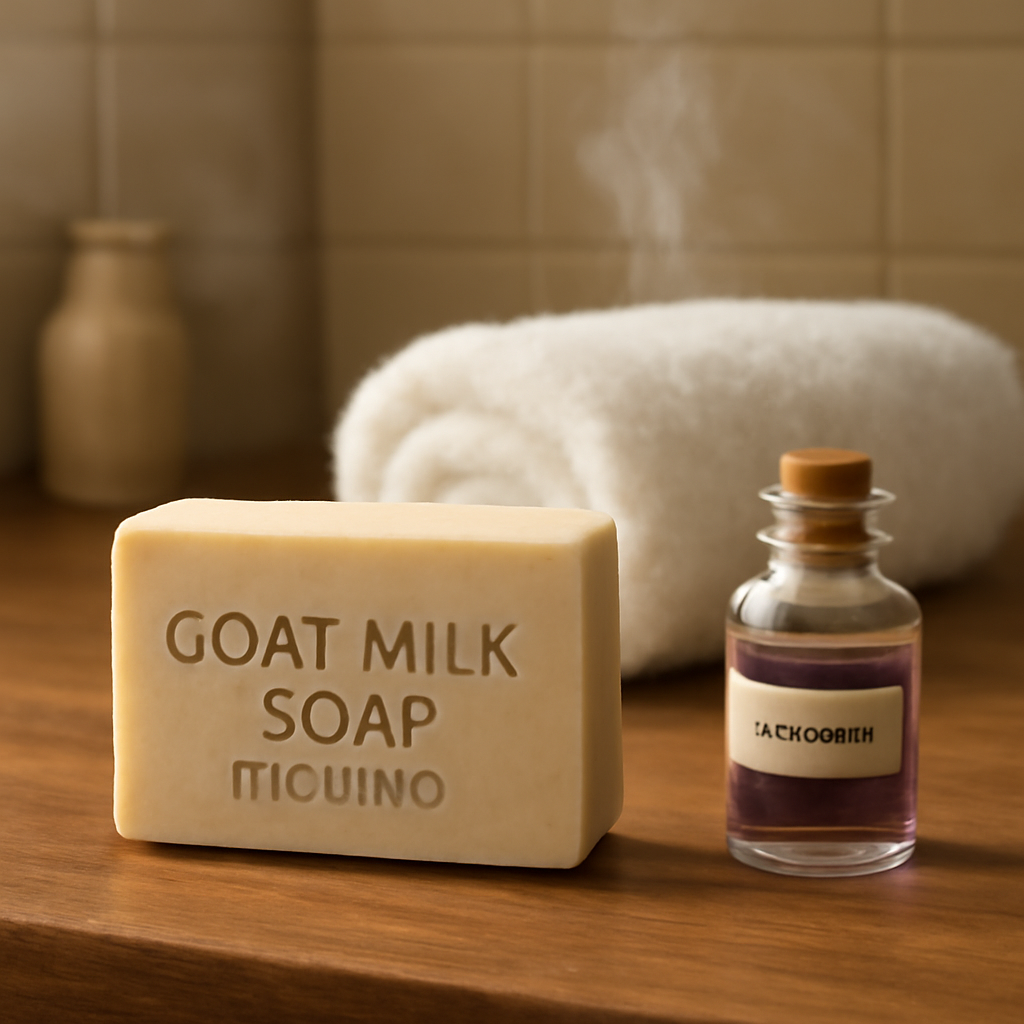
Remember, consistency matters. A 14‑day trial—using the soap nightly—often reveals clearer skin and fewer flare‑ups.
Quick Checklist Before You Start
- Choose a bar that lists raw goat milk first and is free of sulfates.
- Keep water lukewarm, not hot.
- Focus lather on problem areas; a light hand works best.
- Pat, don’t rub, when drying.
- Moisturize while skin is still damp.
When you see your skin’s texture improve, you’ll know that the anti‑inflammatory magic of goat milk is doing its job. It’s not a miracle cure, but it’s a reliable ally for anyone looking to soothe irritation and help skin heal naturally.
Core Section 6: Choosing a Sustainable Goat Milk Soap Brand
Finding a goat‑milk soap that feels like a hug, works for your skin, and keeps the planet happy can feel like hunting for buried treasure. You don’t have to sift through endless labels to spot the good stuff. Let’s turn that search into a quick, reliable checklist.
1. Raw goat milk must be first on the ingredients list
When raw milk tops the list, the bar keeps the natural enzymes, vitamins, and fatty acids intact. That means the soap can deliver the soothing, moisturizing power goat milk is famous for. If pasteurization shows up or it’s buried deep, you’re getting a processed version.
2. Say no to sulfates
Sodium lauryl sulfate and sodium laureth sulfate are the party crashers of many cleansers. They strip natural oils and leave skin tight. Goat‑milk bars that rely on the soap’s own fatty acids or mild plant surfactants stay gentle.
3. Check the pH – it should hover around 5.5
Your skin’s surface is slightly acidic. A bar that stays near that number helps maintain the barrier and reduces inflammation. Many brands list the pH on the label or on their website.
4. Keep fragrance simple
A single drop of lavender or a splash of tea tree is kinder than a full “fragrance blend.” It lets the goat milk’s natural scent shine through. If you’re sensitive, choose an unscented variant.
5. No added sugars or dyes
Adding sugar can create a sticky residue that feeds microbes, while artificial dyes can irritate the skin. Bars that skip these ingredients tend to be cleaner and more eco‑friendly.
6. Source matters – local, pasture‑raised goats
Fresh milk from pasture‑raised goats means fewer chemicals and a smaller carbon footprint. When you buy a bar that proudly lists a local farm, you’re supporting farmers who care about animal welfare and soil health.
7. Shelf life and storage instructions
A good goat‑milk soap lasts longer when kept on a raised, ventilated dish. Brands that give clear “dry‑after‑use” guidelines show they care about the product’s longevity and your waste.
8. Sustainability pledge
Look for recycled or biodegradable packaging, refill programs, or carbon‑offset initiatives. Companies that invest in green practices are usually mindful of the soap’s full life cycle, not just the bar itself.
9. Independent reviews matter
Independent sites compile ingredient analyses and user feedback. Good Health Academy’s guide lists bars that score high on softness, longevity, and zero irritation. Check out their detailed comparison for data you can trust.
10. Start with a 14‑day trial kit
Many shops offer sample packs or a small bar you can test. Use the soap nightly for two weeks, noting texture, scent, and any redness. If your skin feels smoother and the bar still looks good, you’ve found a sustainable match.
Choosing the right goat‑milk soap isn’t a mystery. By focusing on raw ingredients, gentle surfactants, a balanced pH, simple fragrance, local sourcing, and proven reviews, you’ll pick a bar that feels like a spa visit, works for your skin, and honors the planet. Give the checklist a try, and watch your routine—and your conscience—grow lighter.
FAQ
What’s the big deal with goat milk soap for dry skin?
When you feel that dry, tight hug after a shower, it’s usually because your cleanser is stripping the natural oils your skin already has. Goat milk soap keeps those oils on lock with its rich fatty acids and a gentle, near‑pH‑balanced lather. The lactic acid does a light exfoliation, sloughing off dead cells while the fats seal in moisture. After a few weeks, you’ll notice less flakiness and a soft, supple feel.
How does it calm eczema or sensitive skin?
Goat milk brings a trio of anti‑inflammatory goodies: lactic acid, beta‑hydroxy fatty acids, and a handful of vitamins. Those ingredients soothe irritation and help rebuild the barrier that eczema loves to break. Because the soap is free of sulfates and artificial fragrances, it doesn’t trigger the common flare‑ups you get from harsher cleansers. Many people who swap to goat milk find their post‑shower itch dropping noticeably.
Can I use it for everyday cleansing without adding scents?
Absolutely. Most goat‑milk bars are either fragrance‑free or use a single essential oil like lavender. A clean, unscented bar gives you that pure, buttery lather without the risk of allergic reactions. If you’re sensitive, choose the unscented version and you’ll still get the same hydrating and exfoliating benefits—just without the perfume buzz.
Does it help with aging or uneven skin tone?
Vitamin A in goat milk is a natural anti‑aging ally; it encourages cell turnover and can soften fine lines. Vitamin D supports skin repair, while the fatty acids keep the barrier tight, which reduces redness and dullness. Over time, regular use can give you a smoother, more even glow—think of it as a gentle spa treatment you do at home.
Is goat milk soap safe for babies or toddlers?
For most kids, yes. The mild pH and lack of harsh chemicals make it a gentle option for infant skin. Always do a small patch test on a finger or elbow first—watch for any redness for 24 hours. If your little one has a known dairy allergy, use a goat‑milk bar that’s clearly dairy‑free or opt for a plant‑based alternative.
What’s the best way to store and use it so it lasts and performs well?
Keep it on a raised, ventilated dish so it dries between uses. This stops the fatty acids from oxidizing and keeps the lather rich. Use lukewarm water, cut a small piece, and let it lather naturally—no frothy foam needed. Pat your skin dry and apply a light, fragrance‑free moisturizer while damp. With these habits, a single bar can keep going for weeks without losing its creamy power.
Can goat milk soap fit into a full natural skincare routine?
Yes, it’s a solid base for any routine that values gentle cleansing. Pair it with a lightweight, fragrance‑free moisturizer, a natural facial serum, and a weekly hydrating mask. Because the soap doesn’t strip oils, you can skip a heavy body wash and still feel clean. If you use it nightly, the lactic acid keeps dead cells in check, letting the rest of your products work better. Think of it as the first layer that prepares the skin for everything that follows.
Conclusion
Let’s wrap it up. You’ve seen how goat milk soap can calm eczema, moisturize dry skin, and even give a gentle exfoliating lift. The science is clear—lactic acid, fatty acids, and vitamins work together to keep the barrier humming.
What we’ve seen at Evolve Botanica Co. over 20 years is that when you choose a bar that lists raw goat milk first, free of sulfates and with a pH near 5.5, the results feel like a daily spa visit. Your skin stays softer, redness drops, and you’re less likely to reach for that extra moisturizer after every shower.
Ready to try it? Grab a small bar, do a 14‑day test, and log how your skin feels each morning. Pat, don’t rub, keep the water lukewarm, and finish with a light, fragrance‑free balm while damp. Notice the changes, then decide whether to keep it in your rotation.
So, what’s the takeaway? Goat milk soap isn’t a gimmick—it’s a gentle, science‑backed ally that can keep your skin happy and balanced. If you’re tired of tight, irritated skin, give it a shot and let the natural oils do the heavy lifting.
And if you’re curious about other natural cleansers, keep an eye on our blog; we’ll keep sharing honest, hands‑on reviews so you can make the best choice for your skin.
0 comments